

Economy
Things You Need to Know Before Applying for your First Kredittkort (Credit Card)

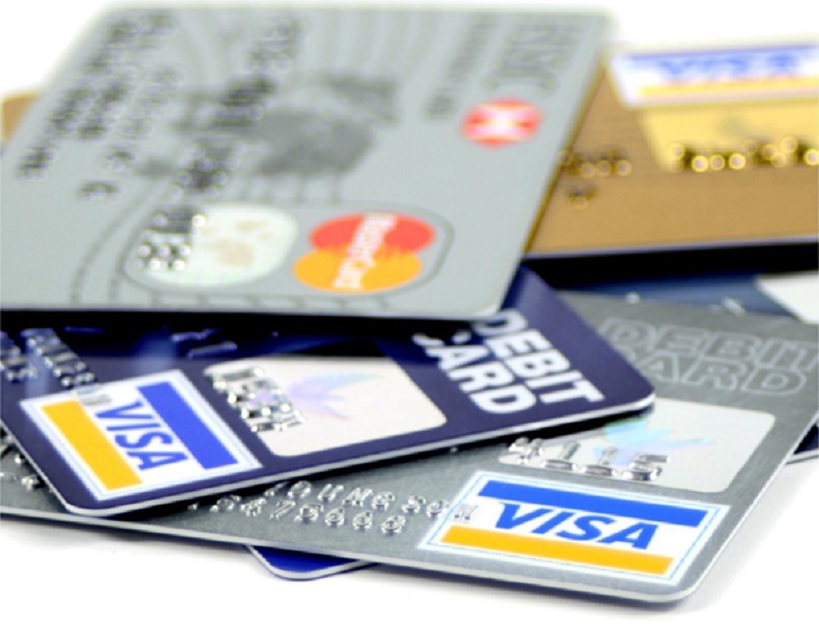
Deciding to get a credit card or Kredittkort as it is called in Norwegian is a big financial decision. Hence, it isn’t something that you should do without having ample knowledge about these financial items.
Therefore, in this article, we will share with you some important things you need to know to enable you to get the beste kredittkort (best credit card) that is just right for you.
Let’s get started…
1. As a beginner you might not get the beste kredittkort
You shouldn’t expect to get the beste kredittkort that offers rich benefits, long periods of 0% interest, or great sign-up bonuses. Such products are only given to applicants who have acquired at least a credit score of 690 upward as well as those with a very long credit history with a certain required income level.
In most cases, when you go for your first card, what you will get is a low product that is designed for folks that have no or a low credit score. While this might sound disappointing, such products tend to provide great rewards, and annual fees aren’t charged.
2. You could build or ruin your credit with your first kredittkort
Apart from the fact that getting one of these products allows you to make everyday purchases, a not too well-known reason for getting one is that it is a great way to improve your credit. Interestingly, you could end up ruining it if you don’t exercise caution.
Once you pick up plastic money, your kredittkort activity will be reported to credit bureaus. In the report, it will be stated if you paid your money on time as well as the credit you made use of so far.
Therefore, to ensure that your activity keeps you in good graces, do not max out your plastic. Always ensure that you make full payments and make them on time. You should also keep below the limit of your credit; about less than 30% is the recommended percentage.
Monitoring your kreditt (credit) scores will help you know your standing. Hence, you can easily make adjustments if you discover that you are moving towards the wrong side of the credit line.
3. Making a security deposit helps in obtaining a kredittkort
Sometimes first-timers can find it difficult to get their credit cards because they don’t have any credit. To hack this problem, you can opt for a secured kredittkort. These plastics are specially made for folks who have no kreditt or have damaged their existing kreditt.
All you need to do is make a cash deposit, then your deposit becomes your credit limit. The deposit amount is dependent on the type of plastic you want to get. However, the minimum amount range that you can deposit is $200 to $500. You could choose to deposit above that range if you want your credit to be higher.
You still need to be careful though as you could lose your deposit if you fail on your payments. But if your payments are always on time and you don’t spend your entire card’s credit but remain the percentage we mentioned earlier, you will be able to build up your kreditt within some months.
When that happens, your issuer can choose to upgrade your account and issue you an unsecured card. Alternatively, when you notice that you’ve been able to build good credit, you can apply for one yourself. Then you can then have the secured card closed. Whichever happens, you will get your initial deposit back.
4. You can avoid kredittkort fees
This is something not many know about; however, you can avoid these fees if you don’t have existing credit. This is because a lot of beginner cards are free from annual charges. Hence, that is one fee you don’t have to worry about.
Furthermore, you don’t need to bother about late fees if you make your payments on time. If you won’t be using plastic in a foreign country, then foreign transaction fees wouldn’t be a bother either. Cash advances and balance transfers fees can be avoided if you don’t carry out these transactions.
Although over-limit fees are practically extinct, you shouldn’t go over your kreditt limit as a result. You can be protected from over-limit fees if you don’t choose the protection for over-limit. This protection allows your charges to be covered by your issuer when you are over your limit. Moreover, if you spend below your limit, you don’t have to worry about this fee even if you opt for the protection.

5. You can avoid interests
That sounds like the single most absurd statement as far as credit for most folks is concerned. However, it is entirely true. What is the trick? Well, all you need to do is make sure that the bill on your plastic for every month is paid in full. Once you do, you activate the grace period.
The grace period prevents the accruement of interests on new buys. This lasts until your next payment date. Once the next date is due again, simply pay the full bill again and keep the cycle flowing.
Interest is accrued on new buys immediately once you fail to complete full payment of your bill. This is apart from the interest you pay on the existing balance from the previous month.
6. The fees and rates can be known before you apply
Issuers are mandated by federal law to reveal some terms which include fees and rates to potential customers before they apply. You can find these fees and rates in a Schumer box on the issuer’s online application page or an enclosed slip in paper applications.
Some of the contents included in the Schumer box are the card’s annual fees, the APR, foreign transaction fees, late fees, etc. Visit https://bettermoneyhabits.bankofamerica.com/en/credit/what-is-apr to learn more about APRs
While these will be revealed to you before you apply, other information will be disclosed after you have applied and have been approved. One of such is your kreditt limit.
7. You are allowed to pay above the minimum
Many have fallen into this “trap” innocently because of the minimum payment due that is usually displayed on kredittkort statements. Hence, many have come to think that just paying less is something that can and should be done rather than paying more. Nevertheless, if you choose to pay less, then you will end up paying a lot more later.
Paying the minimum simply means that the interest, fees (if there’s any), and a bit of the balance of the last month are covered. Hence, making such a payment means you haven’t upset your credit. Therefore, if you continue in this pattern, it could indeed negatively affect your credit.
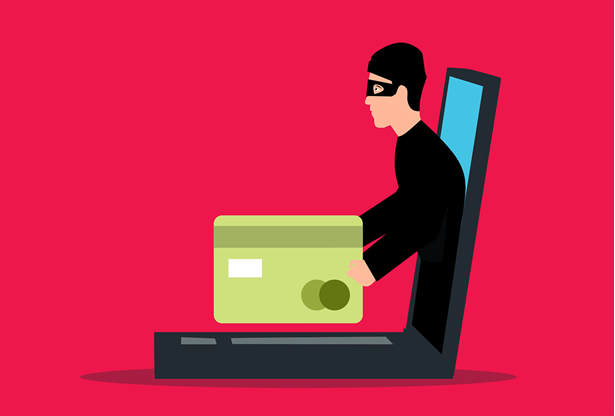
8. Handling kredittkort fraud is quite easy
Compared to debit cards, handling frauds on kredittkort is much easier thanks to the protection these plastics offer. Allow us to explain…
If your card gets used by crooks, you don’t have to worry much about it because it is not your money in the actual sense but that of the credit card company. Hence, you can resolve the issue almost immediately.
Also, thanks to federal law, the low liability policies of most issues protect you from having to pay for card purchases that weren’t done by you.
Furthermore, you can easily get a replacement plastic by simply informing your issuer about the fraud. When you do this, they are obligated to cancel that compromised card and send you another one that has a new number. Hence, the fraudsters will not be able to use the old one.
9. Paying late is costly
When you make late payments, it will affect you in the following ways:
- You will be charged late fees.
- You might be charged penalty APRs.
iii. Your kreditt will be affected especially if it is 30 days late or more.
Conclusion
In the article above, we’ve shared with you the important things you need to know before getting a credit card. With this information, you can walk to any issuer and get the very best.


