Technology
Underprivileged Students to Undergo Computer Programming Training
By Sodeinde Temidayo David
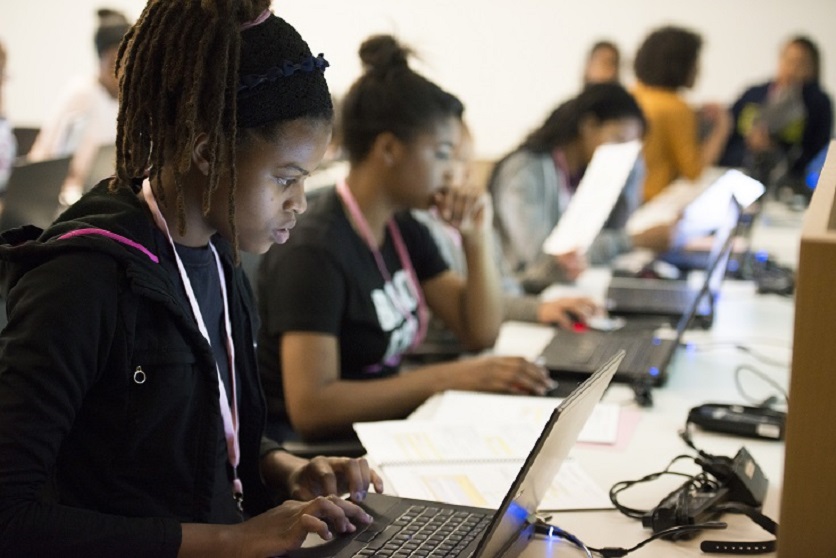
An opportunity has opened for underprivileged students in Nigeria to have digital skills through computer programming training as the nation positions itself to take full advantage of the digital economy.
This initiative is being supported by a Lagos-based organisation known as Teens Can Code in collaboration with Nordic Semiconductor, and the Micro:bit Educational Foundation, a UK not-for-profit organisation.
The trio has signed a partnership deal that will improve the capacity of Teens Can Code to teach and equip underprivileged students with skills to be creators in the digital economy.
The group will also engage in Do Your :bit Challenge, an initiative inspired by the United Nations’ Global Goals for Sustainable Development and is designed to add social purpose to digital learning by allowing students to apply their digital skills to real-world issues.
The partnership will see Nordic provide a grant to help Teens Can Code inspire hundreds of school students, particularly girls and those from disadvantaged backgrounds, to learn digital skills and apply them to create social impact.
The grant will enable Teens Can Code to train teachers and volunteer educators in schools and community groups to support participants in the Micro:bit Educational Foundation’s next ‘do your :bit’ challenge.
The do your :bit challenge is an international competition for 8 to 14 year-olds, and now is extending to the range of 18 year-olds.
Teens Can Code is also set with the benefit of external funding was able to carry out workshops and training across Nigeria to inspire young people to participate in the challenge.
Speaking on the new development, the founder of Teens Can Code, Mr Damian Isaac Ezirim, noted that it would promote the efficiency of the organization.
The chief of Learning at Micro:bit Educational Foundation, Mr Magda Wood, added that Teens Can Code would use part of the funding to carry out an enhanced version of the training program provided last year with an additional technical session on how to code a micro:bit.
With the new Nordic-powered micro:bit, the duo is set to unlock more of digital creativity and it is projected that by 2025, the Micro:bit Educational Foundation aims to have reached 100 million children via 20 million devices of which would be powered by a Nordic short-range wireless SoC, to encourage and train the engineers who will build tomorrow’s connected world.
Nordic Semiconductor is a fabless semiconductor company specializing in wireless technology for the Internet of things (IoT), which describes physical objects that are embedded with sensors, processing ability, software, and other technologies.
Technology
Airtel Africa, SpaceX to Launch Starlink Direct-to-Cell Connectivity
By Modupe Gbadeyanka
An agreement for a satellite-to-mobile service that will benefit millions of people in Africa has been entered into between Airtel Africa Plc and SpaceX.
This service is through the introduction of Starlink Direct-to-Cell satellite connectivity across all the 14 markets of Airtel Africa that serve 174 million customers.
Through this partnership, Airtel Africa customers with compatible smartphones in regions without terrestrial coverage can have network connectivity through Starlink, which is the world’s largest 4G connectivity provider (by geographic reach).
The satellite-to-mobile service will begin in 2026 with data for select applications and text messaging.
This agreement also includes support for Starlink’s first broadband Direct-to-Cell system, with next-generation satellites that will be capable of providing high-speed connectivity to smartphones with 20x improved data speed. The rollout will proceed in line with country-specific regulatory approvals.
Airtel Africa is the first mobile network operator in Africa to offer Starlink Direct-to-Cell service, powered by 650 satellites to provide seamless connectivity to its customers in remote areas.
The partnership reinforces Airtel Africa’s commitment to bridge digital divide and offer seamless connectivity to its customers.
Airtel Africa and Starlink will continue to explore additional collaboration opportunities to further advance digital inclusion across the continent.
“Airtel Africa remains committed to delivering great experience to our customers by improving access to reliable and contiguous mobile connectivity solutions.
“Starlink’s Direct-to-Cell technology complements the terrestrial infrastructure and even reaches areas where deploying terrestrial network solutions are challenging.
“We are very excited about the collaboration with Starlink, which will establish a new standard for service availability across all our 14 markets,” the chief executive of Airtel Africa, Mr Sunil Taldar, said.
Also commenting, the Vice President of Sales for Starlink, Ms Stephanie Bednarek, said, “For the first time, people across Africa will stay connected in remote areas where terrestrial coverage cannot reach, and we’re so thrilled that Starlink Direct-to-Cell can power this life-changing service.
“Through this agreement with Airtel Africa, we’ll also deliver our next-generation technology to offer high-speed broadband connectivity, which will offer faster access to many essential services.”
Technology
Simplify Your Mobile Life with eSIM and Virtual Numbers
Managing phone numbers used to be a constant hassle. Between personal lines, work numbers, online registrations, and international travel, people often juggled multiple SIM cards, devices, or expensive roaming plans just to stay reachable. Today, eSIMs and virtual phone numbers offer a smarter way to handle communication. One device can manage multiple lines, switch between them instantly, and keep work and personal contacts separate—all without a physical SIM. For travelers, remote workers, and tech professionals, this setup offers efficiency, control, and flexibility that traditional SIM cards simply cannot match.
A virtual phone number is a digital line that exists independently of any physical SIM. Calls and messages are routed through the cloud, meaning the same number can function across multiple devices: smartphone, tablet, or computer. You can pick a local number in another country without actually being there, or maintain separate lines for freelance projects while keeping your personal number private. Virtual numbers also help protect privacy and streamline online activity. They are perfect for temporary projects, online sign-ups, or situations where you do not want to share your main number.
When paired with eSIM technology, virtual numbers become extremely convenient. Platforms like eSIM Plus let users download multiple numbers onto a single device, switch between them instantly, and manage personal and business lines without touching a physical SIM card. Travelers can maintain local numbers abroad, freelancers can manage multiple client contacts, and tech-savvy users gain complete control over their connectivity. eSIM Plus simplifies this process, allowing for seamless integration of digital numbers and minimizing the complications associated with traditional SIMs.
Businesses also find virtual numbers invaluable. They enable companies to create a local presence in multiple regions without the need for physical offices. Calls can be forwarded to employees anywhere, while integration with CRM tools allows monitoring and analytics of communication. For individuals, virtual numbers enhance privacy and simplify digital life. Whether signing up for online services, running a side business, or protecting personal information, virtual numbers provide flexibility and control that traditional numbers cannot offer.
Everyday Scenarios for Virtual Numbers
Virtual numbers are not just a tech gimmick—they solve real problems.
- International Travel: A traveler can maintain a local number in multiple countries, avoiding expensive roaming fees while staying reachable by family, friends, and colleagues.
- Remote Work and Freelancing: A consultant or freelancer can separate client communications from personal calls without carrying multiple phones. Multiple virtual lines can support different projects simultaneously.
- Privacy Protection: Individuals can use temporary numbers for online registrations, dating apps, or marketplace accounts, significantly reducing spam and unwanted contacts.
- Small Businesses and Startups: Companies can create local contact points in different regions, forward calls to employees, and integrate with communication software for better workflow management.
With eSIMs, managing these numbers becomes effortless. Instead of swapping physical SIM cards, users download the eSIM profile to their device, and virtual numbers become instantly available. This combination provides unparalleled flexibility for modern digital lifestyles.
How Virtual Numbers Work
Getting a virtual number is straightforward. Providers allow you to select a number online, link it to your smartphone or VoIP service, and manage it through an app. Common features include:
- Call forwarding to any device
- Text messaging and multimedia messaging
- Voicemail management
- Temporary numbers for short-term projects or verification purposes
When integrated with eSIM, the activation process is even faster. Download the eSIM profile to your device, and all your virtual numbers are ready to go. This approach is ideal for travelers, remote workers, and anyone managing multiple lines on a single phone without extra hardware.
Leading eSIM Providers
Several providers lead the market in combining eSIM technology with virtual numbers:
- eSIM Plus: Offers digital SIMs integrated with virtual numbers, allowing multiple lines on one device. Users can manage personal, business, and international numbers seamlessly, making it perfect for remote workers, travelers, and freelancers.
- Truphone: Provides global coverage with quick activation. Users can switch numbers without changing SIM cards, ideal for business professionals moving across regions.
- Airalo: Focused on international travelers, offering cost-effective eSIMs for data and voice in over 190 countries. Airalo simplifies connectivity for tourists and remote workers abroad.
- GigSky: Offers pay-as-you-go and subscription eSIM plans suitable for frequent travelers and digital nomads. GigSky supports multiple virtual lines on one device.
- Ubigi: Enterprise-focused, enabling companies to deploy eSIMs and virtual numbers to distributed teams. Employees maintain local numbers across regions without physical SIM swaps.
- Nomad: Travel-oriented eSIM provider supporting multiple virtual lines on one device. Ideal for digital nomads, remote professionals, and long-term travelers.
These services show how eSIMs and virtual numbers have evolved from niche tech to mainstream tools for managing modern communication efficiently.
Advantages Over Traditional Numbers
Virtual numbers have several key advantages over regular SIM-based numbers:
- Multiple lines on one device: Manage work, personal, and international numbers without carrying multiple phones.
- Privacy and control: Easily change or deactivate numbers for temporary projects, online registrations, or spam prevention.
- Global accessibility: Make and receive calls from anywhere without costly roaming charges.
- Integration with software: Works with VoIP apps, cloud platforms, and CRMs. Supports automated call routing, analytics, and communication tracking.
Traditional numbers cannot match this flexibility, efficiency, or convenience. Virtual numbers are built for modern workflows and digitally connected lifestyles.
Combining eSIM and Virtual Numbers
The combination of eSIMs with virtual numbers creates a flexible communication system. One device can handle multiple lines for home, work, or international use. Businesses can provide employees with local numbers in multiple regions without physical offices. Travelers can maintain home and foreign numbers without swapping SIM cards.
Consider a freelance consultant traveling across Europe: a virtual number in France, one in Germany, and a personal line—all on a single device. Clients reach local numbers, costs are minimized, and management happens from one interface. This setup highlights the efficiency eSIMs and virtual numbers provide.
Real-World Examples
- Remote Work Across Time Zones: An employee in Asia receives calls from North American clients using a local virtual number, avoiding international fees. eSIM profiles allow switching lines based on work hours.
- Maintaining Local Presence While Traveling: A business owner visiting multiple countries can maintain virtual local numbers. Clients call local numbers, but calls are forwarded seamlessly.
- Privacy and Online Security: Individuals use temporary virtual numbers for online registrations, reducing spam to their primary number.
These examples show why eSIMs combined with virtual numbers are essential for modern digital workflows.
The Future of Connectivity
With the rise of 5G, cloud communications, and AI-powered tools, eSIMs and virtual numbers will become increasingly integral to daily life. Expect tighter integration with business applications, enhanced security features, and instant switching between personal and professional lines.
For travelers, remote workers, and anyone managing multiple contacts, eSIMs paired with virtual numbers are more than a convenience—they’re a smarter, more efficient way to control communication in today’s digital world.
Technology
Lagos’ Team Nevo Wins 3MTT Southwest Regional Hackathon
By Adedapo Adesanya
Lagos State’s representative, Team Nevo, won the 3 Million Technical Talent (3MTT) South-West Regional Hackathon, on Tuesday, December 9, 2025.
The host state took the victory defeating pitches from other south west states, including Oyo, Ogun, Osun, Ekiti, and Ondo States.
This regional hackathon was a major moment for the 3MTT Programme, bringing together young innovators from across the South-West to showcase practical solutions in AI, software development, cybersecurity, data analysis, and other key areas of Nigeria’s digital future.
Launched by the Federal Ministry of Communications, Innovation, and Digital Economy, the hackathon brought together talented young innovators from across the Southwest region to showcase their digital solutions in areas such as Artificial Intelligence (AI)/Machine Learning, software development, data analysis, and cybersecurity, among others.
“This event not only highlights the potential of youth in South West but also advances the digital economy, fosters innovation, and creates job opportunities for our young people,” said Mr Oluwaseyi Ayodele, the Lagos State Community Manager.
Winning the hackaton was Team Nevo, made up of Miss Lydia Solomon and Mr Teslim Sadiq, whose inclusive AI learning tool which tailors academic learning experiences to skill sets of students got the top nod, with N500,000 in prize money.
Team Oyo represented by Microbiz, an AI business tool solution, came in second place winning N300,000 while Team Ondo’s Fincoach, a tool that guides individuals and businesses in marking smarter financial decisions, came third with N200,000 in prize money.
Others include The Frontiers (Team Osun), Ecocycle (Team Ogun), and Mindbud (Team Ekiti).
Speaking to Business Post, the lead pitcher for Team Nevo, Miss Solomon, noted, “It was a very lovely experience and the opportunity and access that we got was one of a kind,” adding that, “Expect the ‘Nevolution’ as we call it, expect the transformation of the educational sector and how Nevo is going to bring inclusion and a deeper level of understanding and learning to schools all around Nigeria.”
Earlier, during his keynote speech, the chief executive officer (CEO) of Sterling Bank, Mr Abubakar Suleiman, emphasised the need for Nigeria’s budding youth population to tap into the country’s best comparative advantage, drawing parallels with commodities and resources like cocoa, soyabeans, and uranium.
“Tech is our best bet to architect a comparative advantage. The work we are doing with technologies are very vital to levelling the playing field.”
-
Feature/OPED6 years agoDavos was Different this year
-
Travel/Tourism9 years ago
Lagos Seals Western Lodge Hotel In Ikorodu
-
Showbiz3 years agoEstranged Lover Releases Videos of Empress Njamah Bathing
-
Banking7 years agoSort Codes of GTBank Branches in Nigeria
-
Economy3 years agoSubsidy Removal: CNG at N130 Per Litre Cheaper Than Petrol—IPMAN
-
Banking3 years agoFirst Bank Announces Planned Downtime
-
Banking3 years agoSort Codes of UBA Branches in Nigeria
-
Sports3 years agoHighest Paid Nigerian Footballer – How Much Do Nigerian Footballers Earn