Sports
AFCON 2021 Commences Sunday Amid Separatists, COVID-19 Threats
By Adedapo Adesanya
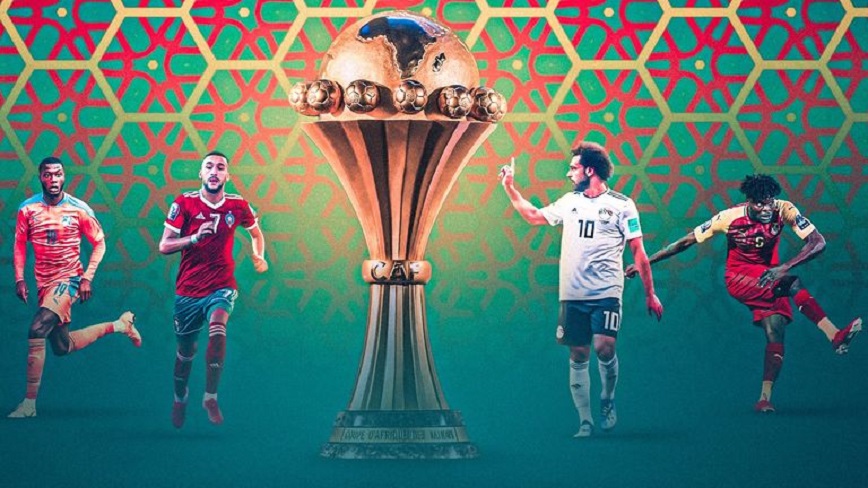
Sunday, January 9, 2022, will usher in the 33rd edition of the African Cup of Nations (AFCON) in Cameroon, less than a year since the coronavirus halted plans for the tournament initially scheduled for the year 2021.
Twenty four countries will be jostling for the trophy across six cities – Bafoussam, Douala, Garoua, Limbé, Olembe and Yaoundé in the East African country.
Among the six stadiums that will host the matches of the competition, the stadium of Limbé where group F will play has been considered a danger zone, witnessing a full-blown insurrection, where English-speaking separatists opposing the Francophone government have been fighting to form a breakaway state and have started to use improvised explosive devices.
Although the Cameroonian government has boosted security; human rights groups and activists have warned that the threats by the separatists should be taken seriously.
The rising cases of COVID-19 amongst players have led to led to alarm but organisers are determined to go ahead with the game.
The President of the Confederation of African Football (CAF), Mr Patrice Motsepe, promised an incredible competition despite the challenges being envisaged.
One of such measures to limit the risk of the speared of the virus during the tournament is to reduce the capacities of the various stadiums. Aside from this, only fully vaccinated fans with proof of negative virus tests will be allowed to attend games.
AFCON 2022 Groups
Group A: Cameroon (hosts), Burkina Faso, Cape Verde Islands, Ethiopia
Group B: Guinea, Malawi, Senegal, Zimbabwe
Group C: Comoros Islands, Gabon, Ghana, Morocco
Group D: Egypt, Guinea Bissau, Nigeria, Sudan
Group E: Algeria, Equatorial Guinea, Ivory Coast, Sierra Leone
Group F: Gambia, Mali, Mauritania, Tunisia
AFCON 2022 Group Stage Fixtures (Nigerian time)
January 9: Matchday 1 on Sunday
4 pm: Cameroon v Burkina Faso
7 pm: Ethiopia v Cape Verde
January 10: Matchday 2 on Monday
1 pm: Senegal v Zimbabwe
4 pm: Guinea v Malawi
4 pm: Morocco v Ghana
7 pm: Comoros v Gabon
January 11: Matchday 3 on Tuesday
1 pm: Algeria v Sierra Leone
4 pm: Nigeria v Egypt
7 pm: Sudan v Guinea Bissau
January 12: Matchday 4 on Wednesday
1 pm: Tunisia v Mali
4 pm: Mauritania v Gambia
7 pm: Equatorial Guinea v Ivory Coast
Round two fixtures;
January 13: Matchday 5
4pm: Cameroon v Ethiopia
7pm: Cape Verde v Burkina Faso
January 14: Matchday 6
1pm: Senegal v Guinea
4pm: Malawi v Zimbabwe
4pm: Morocco v Comoros
7 pm: Gabon v Ghana
January 15: Matchday 7
4pm: Nigeria v Sudan
7pm: Guinea Bissau v Egypt
January 16: Matchday 8
1pm: Gambia v Mali
4pm: Ivory Coast v Sierra Leone
4pm: Tunisia v Mauritania
7pm: Algeria v Equitoria Guinea
Round of three — last group games;
January 17: Matchday 9
4pm: Burkina Faso v Ethiopia
4pm: Cape Verde v Cameroon
January 18: Matchday 10
4pm: Malawi v Senegal
4pm: Zimbabwe v Guinea
7pm: Gabon v Morocco
7pm: Ghana v Comoros
January 19: Matchday 11
7pm: Egypt v Sudan
7pm: Guinea Bissau v Nigeria
January 20: Matchday 12
4pm: Ivory Coast v Algeria
4pm: Sierra Leone v Equatorial Guinea
7pm: Gambia v Tunisia
7pm: Mali v Mauritania
Round of 16
January 23
4pm: Runner-up Group A vs Runner-up Group C at Limbe Stadium, Limbe
7pm: Winner Group D vs 3rd Group B/E/F at Roumdé Adjia Stadium, Garoua
January 24
4pm: Runner-up Group B vs Runner-up Group F at Kouekong Stadium, Bafoussam
7pm: Winner Group A vs 3rd Group C/D/E at Olembe Stadium, Yaoundé
January 25
4pm: Winner Group B vs 3rd Group A/C/D at Kouekong Stadium, Bafoussam
7pm: Winner Group C vs 3rd Group A/B/F at Ahmadou Ahidjo Stadium, Yaoundé
January 26
4pm: Winner Group E vs Runner-up Group D at Japoma Stadium, Douala
7pm: Winner Group F vs Runner-up Group E at Limbe Stadium, Limbe
Quarterfinals Pairings;
Quarter-Final B: January 29
4pm: Winner R16-M4 vs Winner R16-M3 at Japoma Stadium, Douala
Quarter-Final A: January 29
7pm: Winner R16-M1 vs Winner R16-M2 at Roumdé Adjia Stadium, Garoua
Quarter-Final C: January 30
4pm: Winner R16-M7 v Winner R16-M6 at Olembe Stadium, Yaoundé
Quarter-Final D: January 30
7pm: Winner R16-M5 vs Winner R16-M8 at Japoma Stadium, Douala
Semifinal Pairings;
SF 1: February 2
7pm: Winner QF A vs Winner QF D at Japoma Stadium, Douala
SF 2: February 3
7pm: Winner QF B vs Winner QF C at Olembe Stadium, Yaoundé
Third-place Match: February 6
5pm: Loser SF1 vs Loser SF2 at Ahmadou Ahidjo Stadium, Yaoundé
Final: February 6
7pm: Winner SF1 vs Winner SF2 at Olembe Stadium, Yaoundé
Sports
Barred World Cup Referee Omar Artan to Officiate UEFA Super Cup
By Adedapo Adesanya
European football body, UEFA, has appointed Somali referee Omar Artan to officiate the 2026 UEFA Super Cup after he was not allowed into the United States to officiate in the 2026 FIFA World Cup taking place in the US, Canada, and Mexico.
UEFA said Mr Artan will referee the August 12 game between Champions League winners Paris Saint-Germain and the Europa League winners, Aston Villa, in the Austrian capital, Salzburg.
The European football regulator said this follows discussions with its sister confederation, the Confederation of African Football (CAF).
Mr Artan got a hero’s welcome returning to Somalia on Wednesday, days after he was refused entry in Miami by US authorities despite being picked by FIFA for World Cup duty. US officials claimed Artan had connections to terror organisations without offering proof.
“The decision to appoint Artan to officiate the UEFA Super Cup match has been made in the framework of the Memorandum of Understanding (MoU) recently signed between UEFA and CAF to encourage cooperation in many areas, including refereeing. UEFA and CAF are united by a shared commitment to developing football at all levels and promoting the core values of unity, equality and non-discrimination,” UEFA said in a statement on Thursday.
Speaking on this development, Mr Aleksander Čeferin, UEFA president, said, “Omar Artan is an excellent young but already experienced referee, who has proven himself at the highest competition level of the Confederation of African Football. Football is made to connect people, and UEFA wants to show its respect to Omar and his outstanding officiating skills, which have earned him such a prestigious nomination. I am grateful to my friend CAF President Patrice Motsepe for supporting our initiative enthusiastically.”
Adding his input, Mr Patrice Motsepe, CAF president, said: “Omar Artan has made Somalia and the entire people of the African continent extremely proud. His receipt of the CAF Men’s Referee of the Year Award 2025 and his appointment as a referee of the FIFA World Cup 2026 are a recognition of his world-class refereeing ability and the international respect that he enjoys.”
“I am very thankful to my friend, Aleksander Čeferin, for enabling Omar Artan to officiate the UEFA Super Cup 2026 match. This is a great honour for Omar Artan and for African referees and is also an excellent example of football, bringing together and uniting people from Africa and Europe and worldwide,” he added.
The heroic referee has established himself as one of the world’s top referees and has been on the FIFA international list since 2018. Among the most notable matches he has officiated is the second leg of the 2025/26 CAF Champions League final. In recognition of his performances, he received the CAF Men’s Referee of the Year Award 2025.
Sports
PHarcade vs GameZone: Exploring the Best Platform for Filipino Players
The digital entertainment industry in the Philippines continues to grow rapidly, with more gamers gaining access to mobile platforms that host a wide variety of interactive experiences. Two notable names frequently compared are PHarcade and GameZone, each offering distinct approaches in terms of content diversity, platform organization, and user experience. The differences between these two shift the discussion from simple comparisons to determining which platform provides better long-term usability, engagement, and cultural relevance for Filipino gamers.
What Makes PHarcade Stand Out?
PHarcade serves as a multi-genre entertainment platform that hosts numerous arcade games and interactive formats within a single app. Its hallmark is the wide variety of game types that players can explore, providing an environment that encourages experimenting with different gaming styles. Among the common highlights are:
- Slot-style interactive games
- Fishing-themed gameplay
- Live table-game entertainment
- Various card game formats
This open structure caters well to users who enjoy switching between different game genres throughout their play sessions. However, one outcome of such an unstructured setup is that players might end up spending considerable time navigating through different categories, resulting in a less focused or consistent gaming engagement.
Getting to Know GameZone
GameZone builds a distinctly Filipino gaming ecosystem by focusing on delivering games that reflect local cultural preferences. More than just a compilation, GameZone offers a well-organized system where traditional Filipino card games and popular formats are grouped thoughtfully. Key offerings include:
- Tongits
- Pusoy
- Bingo
- Color Game
- Slots and arcade-style games
This approach emphasizes cultural relevance, as the game selection directly mirrors Filipino gaming habits and preferences. Additionally, the platform operates with PAGCOR licensing, providing a regulated environment that enhances trust and security. Access is available through the GameZone app or via direct download for full functionality, creating an ecosystem meant to be familiar and user-friendly.
Comparing Game Structure and Engagement Depth
Instead of focusing on the sheer number of games, the distinction lies in how the platforms organize and facilitate gameplay flow. PHarcade boasts a wide range of categories, including fishing gameplay, slots, and live game experiences which add variety but can scatter player focus across unrelated game types. Catching one’s interest may require switching contexts frequently.
GameZone concentrates its offerings by clustering culturally familiar games such as Tongits and Pusoy alongside Bingo, Color Game, and arcade formats. This creates a more connected gameplay cycle where users remain engaged within a single ecosystem without having to jump around. In simpler terms:
- PHarcade showcases greater variety but less structural continuity.
- GameZone balances variety with a strong, integrated gaming ecosystem.
User Experience and Navigation Ease
User interface design and ease of navigation often dictate how enjoyable a platform feels. PHarcade allows users to roam freely through many categories, making it ideal for those who love browsing different game types. However, this open access might cause decision fatigue, particularly for players who prefer to quickly get into their favorite games.
In contrast, GameZone offers a streamlined and goal-oriented interface prioritizing rapid access to core Filipino games like Tongits, Pusoy, and Bingo. This focused design cuts down on search times, improving session efficiency and letting users spend more time playing rather than hunting for games.
- PHarcade’s experience can be described as exploratory and less structured.
- GameZone focuses on purposeful, efficient navigation aligned with user goals.
Cultural Relevance and Ecosystem Strength
A significant edge for GameZone lies in its closeness to Filipino gaming culture. Locally beloved games such as Tongits and Pusoy are more than just offerings—they represent years of entertainment history and social interaction. This cultural grounding simplifies onboarding new players, while also strengthening user retention.
PHarcade, by contrast, casts a wider net across entertainment categories but places less emphasis on Filipino-specific gaming traditions. This difference underscores GameZone’s position as a platform that many see as integrated into daily Filipino entertainment practices.
Why GameZone Provides a More Comprehensive Gaming Experience
Evaluating platforms in terms of structure, user access, and lasting engagement highlights several advantages in favor of GameZone:
- A centralized ecosystem featuring multiple interconnected game types
- Deep focus on Filipino card games and festive, perya-style entertainment
- Seamless integration of arcade, slots, and traditional game formats
- User-friendly navigation that reduces the overwhelm from too many choices
- Credibility and security ensured by PAGCOR regulation
These facets combine to create a gaming environment that is steady, predictable, and tailored for long-term player satisfaction — aspects that can sometimes be missing from broader but less cohesive platforms.
Determining Which Platform Fits Best
PHarcade may appeal to those who:
- Enjoy unrestricted exploration of diverse entertainment categories
- Prefer moving fluidly between various arcade game styles
- Value a broad but loose gaming environment
GameZone is more suited for users who:
- Favor popular Filipino card and traditional games like Tongits, Pusoy, and Bingo
- Seek a culturally familiar and well-organized gaming ecosystem
- Appreciate quick navigation and uninterrupted gameplay flow
- Prefer regulated platforms backed by official licenses

The Final Assessment: Which Platform Offers More for Filipino Gamers?
PHarcade excels in delivering diverse and flexible gaming experiences, perfect for players who prioritize variety without boundaries. Meanwhile, GameZone stands out by building a more concentrated and culturally attuned environment that aligns closely with Filipino gaming tendencies.
From a practical standpoint, PHarcade focuses on width and range, whereas GameZone centers on system depth and user-friendliness — often the preferred choice for everyday Filipino gamers seeking consistency and smoother digital engagement.
Frequently Asked Questions
Q1. What exactly is PHarcade?
An entertainment platform offering a wide range of arcade and interactive game genres, including slots, fishing games, and live formats.
Q2. How does GameZone differ from PHarcade?
GameZone provides a structured Filipino-focused gaming ecosystem featuring cultural staples like Tongits and Pusoy, contrasting with PHarcade’s broader but less organized content.
Q3. Why do many Filipino players choose GameZone?
Due to its organized layout, faster access to favorite games, emphasis on culturally relevant titles, and regulated operation under PAGCOR, many find GameZone offers a more enjoyable and trustworthy gaming experience.
Sports
EXPLAINER: How Teams Will Qualify Under New 48-Team World Cup Format
By Adedapo Adesanya
The FIFA World Cup 2026 is set to commence on Thursday, June 11, and end on Sunday, July 19, across the three host countries: Canada, Mexico and the United States of America. It will be the 23rd edition of the tournament, but the first to feature 48 teams.
The previous 32-team structure, which ran from 1998-2022, began with a relatively straightforward group stage, consisting of eight different four-team groups, with the top two nations from each section advancing to the last-16 stage, and the remaining 16 sides eliminated.
However, the addition of 16 nations has resulted in four more four-team groups, with the top two sides in each of the 12 groups progressing to the round of 32 — an additional knockout round to accommodate the expansion. By that calculation, 24 teams that rank first and second in each group will qualify, but since there is an expansion, there is a need to have 12 additional nations for the round of 32.
All 12 nations that rank fourth in their group will be automatically eliminated.
However, there are an additional eight knockout spots for the 12 teams that finish third in their group to battle to secure a spot based on some criteria.
The eight highest-ranked third-place teams will advance, with group points won the first factor considered. If points are equal, goal difference will be used to determine rankings, and if this is the same, then the team with the most goals scored will rank higher.
If any teams are still tied after these criteria are applied, then the team with the best ‘fair play’ disciplinary record — this means the fewest yellow and red cards will be used.
A yellow card counts for one point, an indirect red card (resulting from a second yellow card) is three points, a direct red is four points and a yellow plus a direct red card is five points. The team with the lowest points has the best ‘fair play’ score.
If these numbers are the same for different teams, the side with the higher FIFA world ranking edges the tiebreak.
The eight third-place sides that advance will be paired with eight group winners in the last-32 stage, with the four remaining group winners playing second-place teams and the remaining eight second-place sides paired with each other.
-
Feature/OPED6 years agoDavos was Different this year
-
Travel/Tourism10 years ago
Lagos Seals Western Lodge Hotel In Ikorodu
-
Showbiz3 years agoEstranged Lover Releases Videos of Empress Njamah Bathing
-
Banking8 years agoSort Codes of GTBank Branches in Nigeria
-
Economy3 years agoSubsidy Removal: CNG at N130 Per Litre Cheaper Than Petrol—IPMAN
-
Banking3 years agoSort Codes of UBA Branches in Nigeria
-
Banking3 years agoFirst Bank Announces Planned Downtime
-
Sports3 years agoHighest Paid Nigerian Footballer – How Much Do Nigerian Footballers Earn