
Auto
How to Import Cars for Sale in Nigeria from the USA

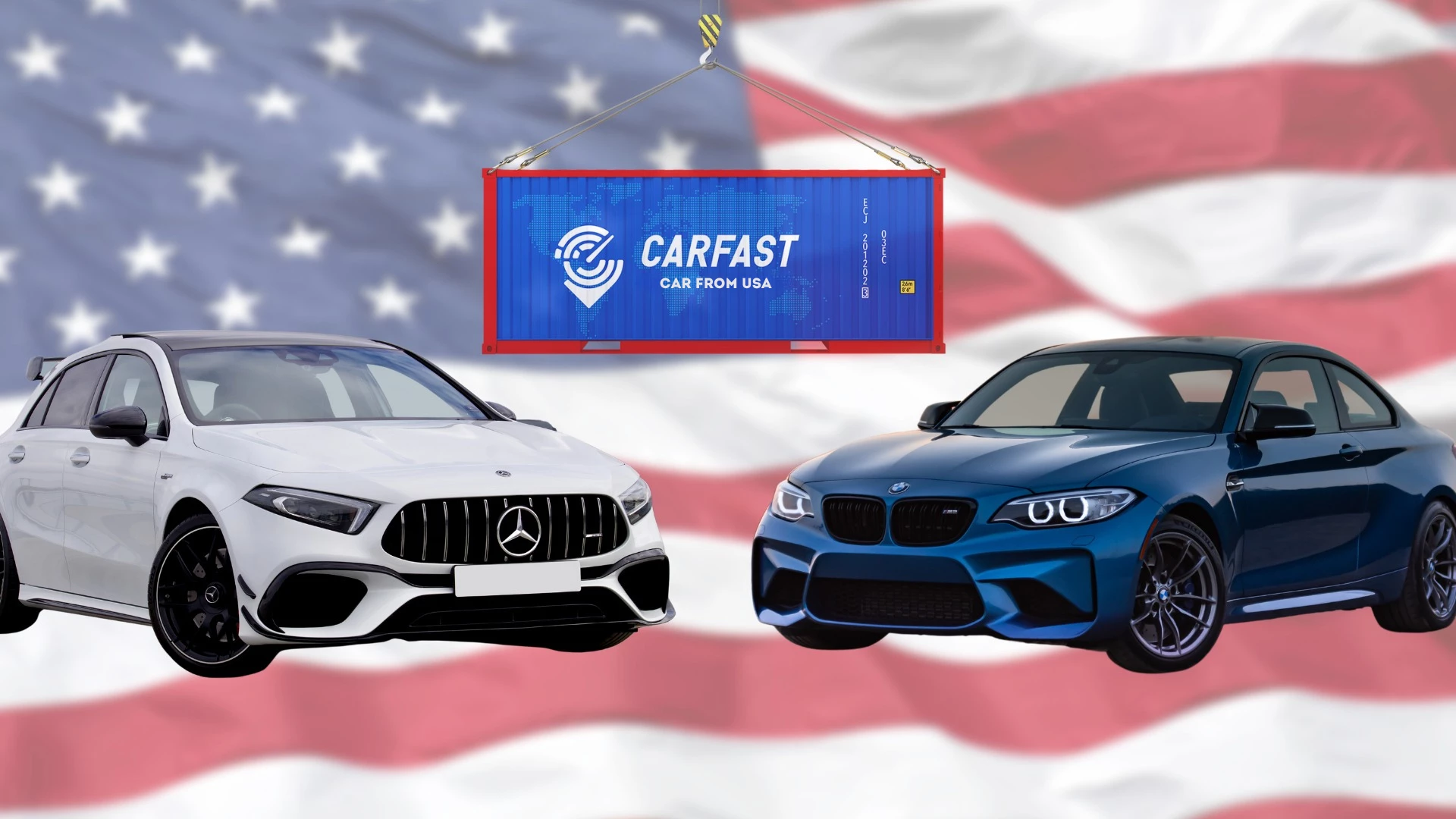
Learn how to buy and import cheap used cars for sale in Nigeria from the USA. Explore car prices, shipping options, import duties, and more for a cost-effective purchase.
Nigeria has seen a growing demand for used cars, with many looking to the USA for quality vehicles at competitive prices. This comprehensive guide will walk you through the process of importing cars for sale in Nigeria, from understanding car prices and regulations to choosing the best auction houses and navigating shipping and customs.
For the best deals on cars for sale in Nigeria, consider exploring Carfast Express, a company that helps you buy and deliver cars from the USA to Nigeria, with all auctions available in one place.
By the end of this article, you’ll have a clear understanding of the steps involved in buying and importing cheap cars for sale in Nigeria, ensuring a smooth and cost-effective experience.
Car Prices and Import Regulations for Nigeria Cars
When considering cars for sale in Nigeria, it’s crucial to understand the various factors affecting car prices. The cost of used cars for sale in Nigeria can vary significantly based on several factors:
- Make and Model: Popular brands such as Toyota, Honda, and Mercedes-Benz tend to retain higher resale values.
- Year of Manufacture: Newer models generally cost more than older ones.
- Condition: Vehicles in better condition, with fewer miles and no major repairs needed, will be priced higher.
Import regulations also play a vital role in determining the final cost of a vehicle. Nigeria imposes specific duties and taxes on imported vehicles, which include:
- Import Duty: A duty of 35% is applied to the cost of the vehicle.
- Levy: An additional 35% levy is imposed on vehicles older than 15 years.
- Value Added Tax (VAT): A 7.5% VAT is charged on the cost, insurance, and freight (CIF) value of the vehicle.
- National Automotive Council (NAC) Levy: A 2% levy on the CIF value.
- ECOWAS Trade Liberalization Scheme (ETLS) Surcharge: A 0.5% charge on the CIF value.
Additionally, it is important to ensure that the vehicle complies with the National Automotive Design and Development Council (NADDC) standards to avoid any complications during the importation process. Familiarize yourself with these regulations to avoid any unexpected costs and ensure a smooth importation process.
Choosing the Best Auction Houses for Used Cars for Sale in Nigeria
Selecting the right auction house is essential to find quality used cars for sale in Nigeria. Popular American auction houses such as Copart, Manheim, and IAAI offer a wide range of vehicles. Research each auction house’s reputation, fees, and policies to ensure you’re making a well-informed decision.
Shipping Vehicles: How to Import Cheap Cars for Sale in Nigeria
Shipping is a crucial aspect of importing vehicles into Nigeria. A clear understanding of the logistics involved can lead to significant cost savings and a smoother importation process. There are two primary methods for shipping cars from the USA to Nigeria:
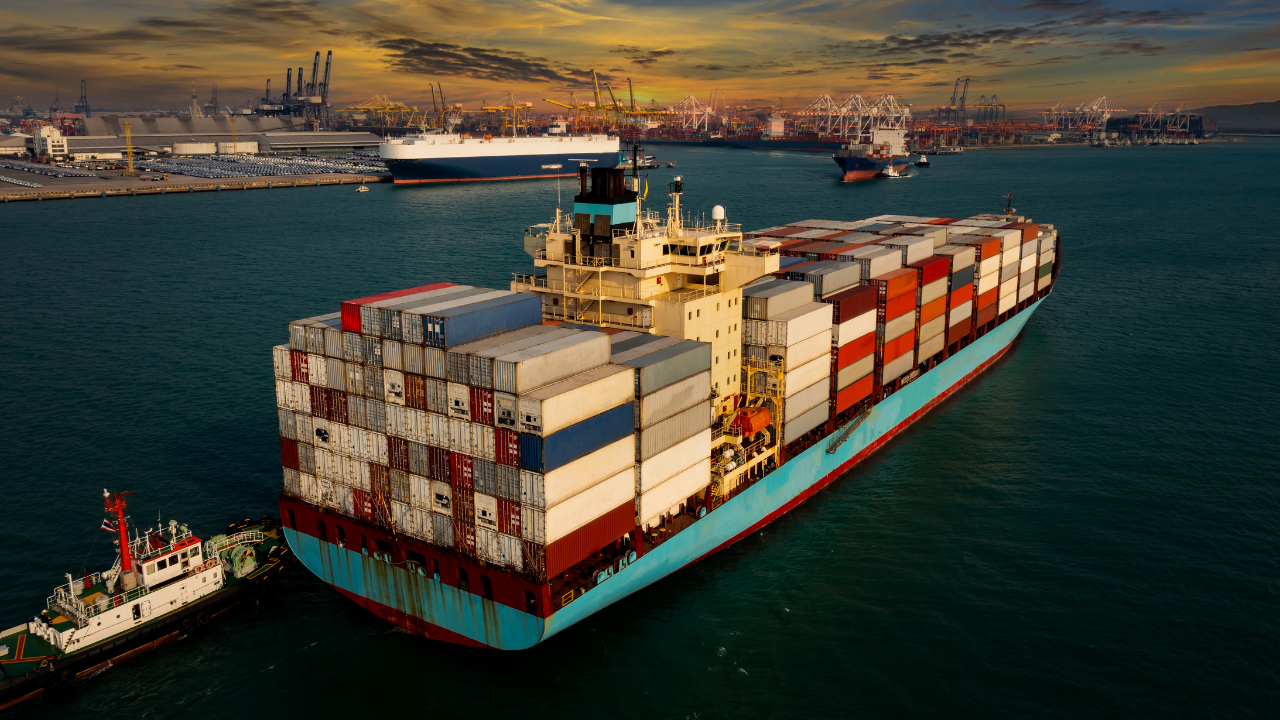
- Roll-on/Roll-off (RoRo) Shipping: Vehicles are driven onto a specialized ship. This method is typically more affordable but provides less protection compared to container shipping.
- Container Shipping: Vehicles are placed inside containers, offering superior protection. While this method is more expensive, it ensures the car is safeguarded against potential damage during transit. Shared containers reduce costs, whereas dedicated containers offer maximum security.
Ensure all necessary documentation, such as the bill of lading, commercial invoice, and certificate of title, is accurately completed to facilitate a seamless customs clearance process upon the vehicle’s arrival in Nigeria.
Navigating Car Dealerships and Customs for Auto Car Imports
Upon arrival in Nigeria, your vehicle will need to clear customs. This process involves paying duties, taxes, and fees, which can add to the overall cost of your car. Working with experienced car dealerships and customs brokers can simplify this process, ensuring all paperwork is correctly handled and reducing the likelihood of delays or additional charges.
Costs and Fees: How to Buy Cars in Nigeria from the USA

Importing a car from the USA to Nigeria involves several costs and fees that need careful consideration. Let’s use the example of a used 2016 Honda Accord TOU 3.5 with 76,314 miles to illustrate these costs. Below is a breakdown of the total cost involved in purchasing and shipping the vehicle to Nigeria:
- Current Bid Price: $5,200 (₦3,808,000)
- Auction Fees: $625 (₦456,250)
- Clearance Fee: $99 (₦72,270)
- Auto Loading Fee: $59 (₦43,090)
- Swift Commission: $41.92 (₦30,598.40)
The total cost at the auction stage sums up to $6,024.92 (₦4,410,208.40).
- Sea Shipping (New Jersey NJ to Lagos): $1,325 (₦970,250)
- Land Transport (Chicago South to New Jersey NJ): $384 (₦281,280)
- Insurance (1% of the vehicle’s value): $60.25 (₦44,582.50)
- Shipping Commission: $700 (₦513,000)
The shipping costs amount to $2,469.25 (₦1,809,112.50).
- Import Duty (10%): $702.49 (₦514,820.10)
- Value Added Tax (VAT, 10%): $1,064.29 (₦780,929.70)
The customs clearance costs total $1,766.78 (₦1,295,749.80).
Therefore, the complete cost of purchasing and delivering the 2016 Honda Accord TOU 3.5 to Nigeria is $10,260.95 (₦7,515,070.70). Additional charges may apply for parking at the port or other unforeseen expenses. By carefully planning and utilizing services like Carfast Express, which specializes in buying cars at auction, you can effectively minimize these costs and streamline the importation process. Their expertise in navigating the complexities of shipping and customs can help ensure a smoother, more cost-effective experience.





By Aduragbemi Omiyale
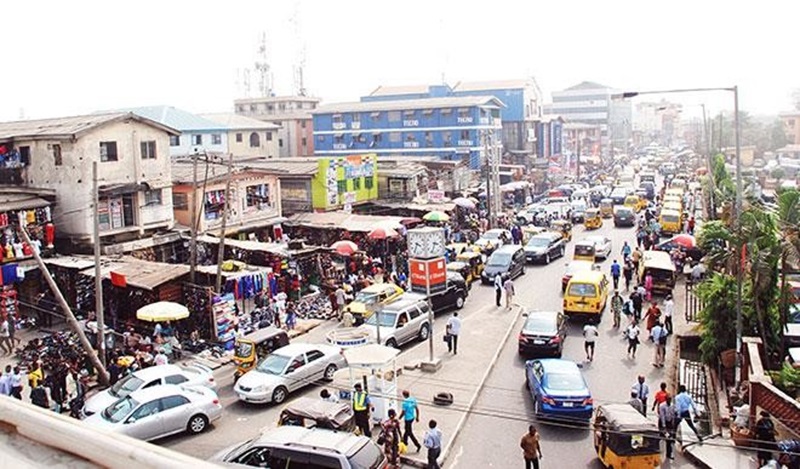
Individuals and syndicates involved in illegal parking extortion at the Computer Village area of Ikeja have been warned to desist or face the full weight of the law.
This caution was given by the General Manager of the Lagos State Parking Authority (LASPA), Mrs Adebisi Adelabu, in a statement.
She said her organisation has uncovered a racket where fraudsters, working in collaboration with touts, are illegally collecting parking fees of up to N1,000 from motorists under false pretences.
Mrs Adelabu further revealed that some operatives of the Lagos Central Business District (CBD), in Ikeja, often clamp down on the illegally parked vehicles, either removing their number plates or arranging for the vehicles to be towed away, making vehicle owners pay a significant fine to recover both their vehicles and license plates.
She emphasised that the management and regulation of parking within the Ikeja business district, Computer Village and the entire state is not within the statutory purview of the CBD or any group of touts but rests exclusively with LASPA.
“We are aware of these fraudulent activities, and we want to make it clear that LASPA is the only government body legally mandated to oversee parking in Lagos State,” she said.
Continuing, the GM of LASPA condemned these illicit activities in the strongest terms, describing them as a disservice to the public and an embarrassment to the efforts of the state government at creating a seamless and orderly parking ecosystem.
The management of LASPA therefore urged all perpetrators engaged in illegal parking activities to stop immediately, adding that the Authority has revamped its monitoring and enforcement operations in the Computer Village and the State environs.
While stressing that anyone engaging in illegal parking activities will be arrested and prosecuted without leniency, Mrs Adelabu advised Lagos motorists and visitors to the Computer Village area to remain vigilant and patronise only LASPA-registered parking operators with valid identification and receipts.
The general public was also urged to report any suspected individuals or groups engaging in illegal parking operating in LASPA.
By Dipo Olowookere
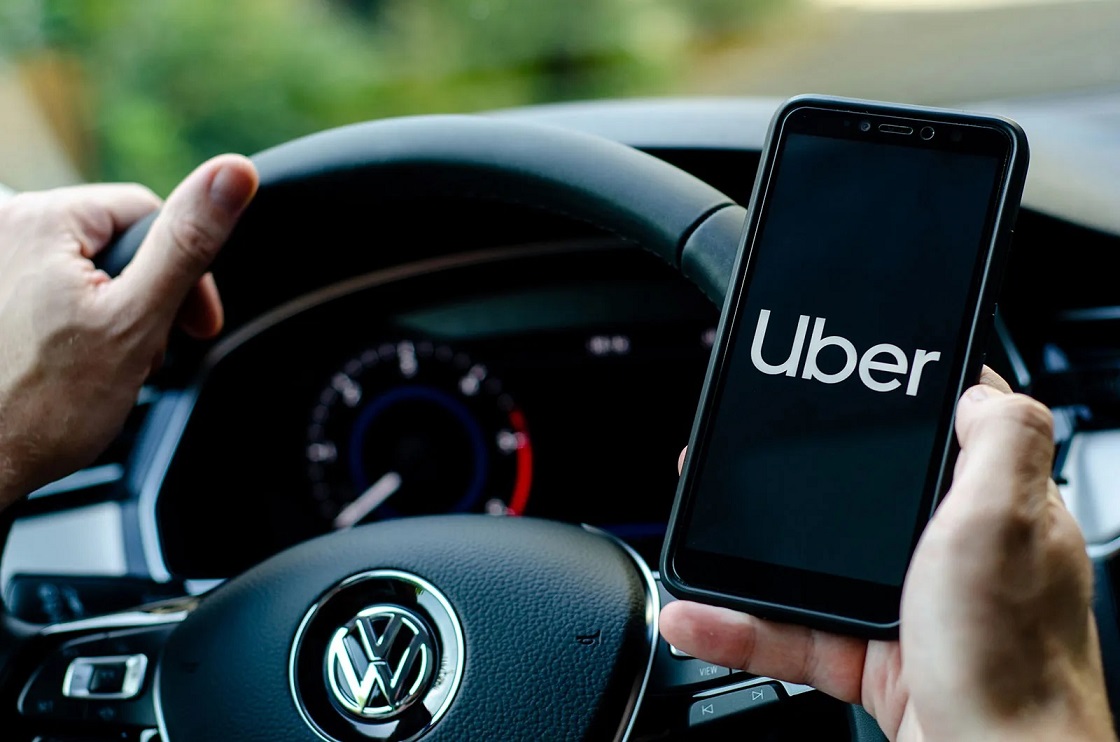
Rising operational costs and declining earnings have forced drivers of ride-haling platforms like Uber and Bolt to embark on a three-day warning strike in Lagos.
This situation has not gone down well with their customers in the metropolis, who have expressed frustration over the strike.
“Though I am not happy with the action of the drivers, I feel for them because they operate in a harsh environment,” a customer of Bolt, Mr Seyi Adeniji, said.
When Business Post checked the Uber app on Monday morning to book a ride from Egbeda to Megida Ayobo, both in the Alimosho Local Government Area of Lagos State, it was functional, but with fewer drivers available for pick-up, with prices ranging from N5,200 on Uber X to N7,400.
One of the drivers, who spoke with this newspaper but begged for anonymity, said efforts by them for improved packages have failed.
It was gathered that when nothing concrete came out from talks with operators of the platforms, drivers, under the aegis of the Amalgamated Union of App-Based Transporters of Nigeria (AUATON), Lagos State Chapter, decided to begin a warning strike from March 16 to 18, 2026, to further press home their demands.
They want an immediate review of ride fares to reflect current economic conditions. They also seek a cut in commission charges by ride-hailing companies, and want the introduction of a guaranteed minimum trip fare.
The drivers have asked for insurance coverage, an end to unjust deactivation of driver accounts without proper investigation, and greater transparency in how fares and commissions are calculated.
In addition, they want improved safety protections for drivers through better rider-verification systems, emergency panic buttons, and faster response mechanisms in cases of security threats.
According to a statement from the spokesman of the organisation, Mr Steven Iwindoye, many drivers are struggling to remain financially viable due to increasing fuel prices, vehicle maintenance costs, inflation and other living expenses, while fare structures on ride-hailing platforms have remained largely unchanged.
“Drivers operating on platforms such as Uber, Bolt, inDrive and Lagride continue to face rising operational costs, including the high price of fuel, vehicle maintenance, inflation and daily living expenses.
“Unfortunately, the fare structures and policies of these companies have not been adjusted to reflect these economic realities,” the statement said.
It was stressed that many drivers now work extremely long hours yet still struggle to earn a sustainable income, clarifying that, “This strike is not intended to punish commuters but to demand fair treatment, economic sustainability and safety protections for the drivers who power the ride-hailing industry.”


InDrive, a leading global ride-hailing platform operating in nine African countries, is celebrating Ramadan season with a targeted driver appreciation programme in Abuja, tagged’Ramadan Shukran campaign’, with active Muslim drivers on the platform to receive curated food hampers and personalised thank-you cards.
The initiative, designed to strengthen the company’s relationship with its driver community at a time when many are working long hours while observing the fast, is not based on financial incentives or performance-based rewards but on practical support for the month and a direct expression of appreciation for the role drivers play in the platform’s daily operations.
Four Abuja-based Muslim content creators who understand the social and religious considerations of the period have been delivering 200 hampers across key districts in the city. The hampers, which contain everyday Ramadan essentials to support suhoor and iftar, including staple foods and beverages commonly consumed during the fasting period, come in warm-toned Ramadan packaging and include a handwritten-style card from Indrive with the message “Shukran,” which means thank you.
Each creator is assigned a specific coverage area to ensure broad reach and local relevance, with deliveries taking place around prayer times and fasting schedules, which are captured with the participating drivers’ consent. The campaign, serving as a broader positioning goal to publicly recognise drivers through creator-led storytelling, will further reinforce inDrive’s people-first identity and increase awareness among drivers who are not currently on the platform.
The campaign reflects inDrive’s deliberate shift toward relationship-building through culturally relevant engagement during one of the most significant periods in the Muslim calendar.












-
 Feature/OPED6 years ago
Davos was Different this year
-
Travel/Tourism10 years ago
Lagos Seals Western Lodge Hotel In Ikorodu
-

 Showbiz3 years ago
Estranged Lover Releases Videos of Empress Njamah Bathing
-
 Banking8 years ago
Sort Codes of GTBank Branches in Nigeria
-

 Economy3 years ago
Subsidy Removal: CNG at N130 Per Litre Cheaper Than Petrol—IPMAN
-

 Banking3 years ago
Sort Codes of UBA Branches in Nigeria
-

 Banking3 years ago
First Bank Announces Planned Downtime
-

 Sports3 years ago
Highest Paid Nigerian Footballer – How Much Do Nigerian Footballers Earn