Connect with us

Auto

Ogun Plans Mass Transit Services to Lagos, Others

Published

on

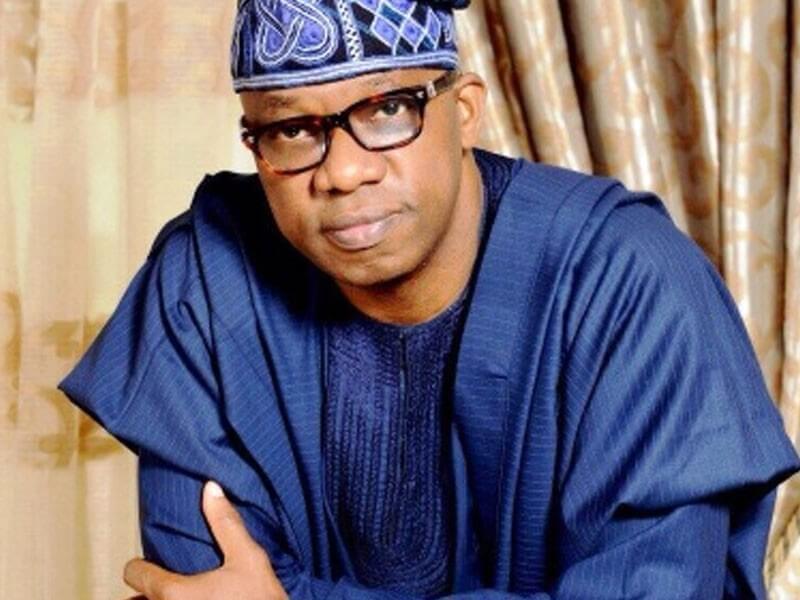
Ogun State Governor Dapo Abiodun

By Adedapo Adesanya

Ogun State is set to commence the operation of the mass transit services to Lagos and major towns in the state.

This was disclosed by Governor Dapo Abiodun while receiving reports on the transportation sector on the Abeokuta Urban Transport Policy.

The report was submitted by the Head of United Kingdom Prosperity Fund, Nigeria Office, Ms Martha Bostock. It also contains the Strategic Transport Intervention Plan for Ogun State.

The Transport Steering committee is headed by the State Commissioner for Transportation, Mr Gbenga Dairo, with support from the Department of Transport Planning and Management of the Olabisi Onabanjo University, Ago Iwoye.

The Governor noted that the Bus Mass Transit was deliberately conceptualised to improve quality of life by reducing travel time, improving local air quality, curbing greenhouse gas emissions, and preventing road fatalities and crashes.

Mr Abiodun reiterated that the present administration was poised towards achieving an effective multimodal transportation system, adding that the state government had embarked on various strategies in achieving an effective transportation system by rehabilitating both urban and rural roads.

He further stated that the flag-off of Ogun State Bus Mass Transit Scheme would commence in May, while light rail services in the state would commence as soon as discussions are concluded with the Nigerian Railway Corporation (NRC) and Lagos State to take full advantage of rail infrastructure within Ogun for the development of the state.

“As part of government’s deliberate efforts at modernising and promoting efficiency in the transport sector, as contained in our urban renewal programme, the berth of Ogun Bus Mass Transit, which takes off in May, is aimed at providing improved movement of people in the state through a bus-based public transport system designed to have better capacity and reliability than a conventional bus system with a view to providing valuable public health benefits by reducing road fatalities, crashes and injuries; reducing personal exposure to harmful air pollutants, and increasing accessibility for public transport users”, the Governor maintained.

Governor Abiodun, who commended the committee for painstakingly carrying out its assignment towards the growth of the state transportation sector, promised his government would ensure proper implementation of the committee’s report.

“I can assure you that we will implement the reports and will not leave them on the shelves to gather dust. I am convinced that the implementation would change the face of transportation in the state,” Mr Abiodun stated.

The Commissioner for Transportation, Mr Gbenga Dairo, expressed confidence in the reports of the committee and the partnership with the United Kingdom Prosperity Fund, which he said would facilitate considerable resource allocation and investment in the Ogun State transport sector.

He disclosed that the Lagos Red Line from Oyingbo to Alagbado would be extended further into Ogun passing through Ijoko to Kajola/Ifo in Ado-Odo/Ota and Ifo Local Government Areas of the state.

He added that discussions with the NRC would not only connect the proposed Cargo Airport with the new Lagos to Ibadan rail and the proposed East-West line along Sagamu-Benin Expressway.

This line, according to the Commissioner, would berth new rail stations at Ijoko, Itori, Obada-Oko, Osiele, and Odeda, while branch lines at Ijoko, Kajola, and Papalanto would serve economic development zones in the state.

Speaking on the corridors of operation of the state BRT services, the Commissioner said inter-State BRT services would be between Shagamu-Mowe and Lagos as well as Ota and Lagos, with Park and Ride Services on the Mowe-Ibafo-Lagos corridor, while intercity bus mass transit services would start with a hub at Abeokuta, connecting services to Ijebu Ode, Sagamu, Ilaro, and Ota.

“We shall invest in both the quality and capacity of the public transport system, road and rail, in our greater push towards using public transport to ease human and cargo movement just as we seek to make public transport a choice mode for all commuters, including car owners, integrating travel information and fares as a way to better serve commuters while divisively maintaining a sustainable and high-quality living environment,” Mr Dairo added.

In her remarks, Head of the United Kingdom Prosperity Fund, Ms Martha Bostock, expressed the readiness of the UK authorities to offer technical assistance to Ogun state in building capacity in its transport department for development and sustainability, urging that government should initiate a legislative framework that would make the project implementation successful and also facilitate foreign support.

“Future Cities of Nigeria will offer technical assistance to Ogun State in building capacity within the state government’s department like the Ministry of Transportation and other relevant agencies about what a good transport policy should include.

“I like to see the policy put in place with necessary legislative action aiding the policy to be used to advertise the state to attract more investments which I hope would help the state’s development and its continued transformation,” Ms Bostock noted.


Adedapo Adesanya is a journalist, polymath, and connoisseur of everything art. When he is not writing, he has his nose buried in one of the many books or articles he has bookmarked or simply listening to good music with a bottle of beer or wine. He supports the greatest club in the world, Manchester United F.C.

Click to comment

Leave a Reply

Your email address will not be published. Required fields are marked *

Auto

Interswitch Digitises Nigeria’s Interstate Travel With Ticket Vending Platform

Published

on

Interswitch

By Modupe Gbadeyanka

Nigeria’s interstate transport ecosystem has been digitalised by the introduction of a ticket vending platform by one of Africa’s leading integrated payments and digital commerce companies, Interswitch.

This comprehensive digital solution was designed to transform ticketing, streamline operations, and enhance service delivery.

At the core of the solution is a secure, token-based system that allows travellers to purchase digital tickets across multiple channels, including web, mobile, and dedicated point-of-sale (POS) devices deployed at transport terminals.

These tokens serve as verifiable digital vouchers, which are validated and redeemed at boarding points, significantly reducing inefficiencies associated with manual ticketing, cash handling, and fragmented sales processes.

It was developed as both an operational management system and a digital marketplace to allow transport operators, particularly small and medium-scale businesses, to digitise their end-to-end processes while connecting to a broader customer base through the Quickteller ecosystem.

With this innovation, operators can seamlessly create and manage routes, oversee terminal activities, track sales, and access real-time performance insights from a single, centralised platform.

It also introduces a marketplace experience that enables travellers to search, compare, and select transport options across multiple operators based on routes, schedules, and pricing. This not only simplifies journey planning but also promotes transparency and choice for commuters.

The platform also supports corporate and institutional users by enabling bulk token purchases, offering a flexible and efficient solution for organisations managing employee or group travel.

In addition, it delivers value to regulators and stakeholders within the transport ecosystem by providing access to structured data and actionable insights that can support oversight, licensing, and consumer protection efforts.

“Transportation remains a critical backbone of Nigeria’s economy, yet much of the sector still operates with fragmented systems and manual processes that limit efficiency and growth.

“With the Ticket Vending Platform, we are introducing a scalable digital infrastructure that empowers transport operators to modernise their operations, expand their reach, and deliver a more seamless experience to travellers.

“Beyond ticketing, this is about creating a connected ecosystem, one that brings together operators, commuters, and regulators on a unified platform, while driving transparency, efficiency, and long-term value across the industry,” the Managing Director for Industry Ecosystems at Interswitch, Ms Chinyere Don-Okhuofu, said.

Continue Reading

Auto

FRSC, Brewery Companies Renew Pact to Tackle Drink-Driving

Published

on

FRSC Brewery Companies

The Federal Road Safety Corps (FRSC) has renewed a strategic partnership with major brewing companies in Nigeria to intensify efforts against drunk driving and improve road safety nationwide.

The renewed Memorandum of Understanding (MoU), signed with members of the Beer Sectoral Group (BSG), extends the collaboration for another five years, with both sides pledging to deepen public awareness, enforcement and community engagement.

FRSC Corps Marshal, Shehu Mohammed, said the partnership underscores the importance of synergy between government and the private sector in addressing road crashes, particularly those linked to alcohol consumption.

He stressed that saving lives on Nigerian roads requires sustained collaboration, adding that the corps would continue to work with industry players to promote responsible behaviour among motorists.

Speaking on behalf of the BSG, Managing Director of Nigerian Breweries Plc and Chairman BSG, Thibaut Boidin, said the renewal reflects the industry’s commitment to sustained collaboration with regulators. He cited previous joint campaigns, including the Don’t Drink and Drive Campaign, as impactful, adding that the next phase would focus on expanding reach and strengthening implementation.

Also speaking, the Managing Director of Guinness Nigeria, Girish Sharma, said the industry remains committed to supporting initiatives that promote safer roads. He noted that while alcoholic beverages are often blamed for road crashes, the real issue lies in irresponsible consumption, particularly drinking and driving.

“We are here to work with you and ensure that this programme grows bigger and delivers real impact. Saving lives is what matters most,” he said.

Similarly, the chief executive of International Breweries Plc, Mr Nicholas Kade, commended the FRSC for its dedication, describing the corps’ efforts as critical to making communities safer. He said the brewing industry would continue to support initiatives that promote responsible drinking and road safety.

The Executive Director of the Beer Sectoral Group, Ms Abiola Laseinde, described the renewal as a milestone in public-private collaboration.

She said the partnership had driven nationwide campaigns against drunk-driving, influenced behaviour and reached millions of Nigerians with road safety messages.

Ms Laseinde added that both parties would scale up interventions in the next five years to further reduce crashes and promote responsible alcohol consumption.

The FRSC and BSG’s partnership has been central to national campaigns discouraging drunk-driving, with stakeholders expressing optimism that the renewed agreement will deliver stronger outcomes.

Continue Reading

Auto

NRS Denies Introduction of New Vehicle Tax from July 1

Published

on

new vehicle tax

By Modupe Gbadeyanka

The Nigeria Revenue Service (NRS) refuted reports making the rounds on social media that the federal government plans to introduce a new tax on vehicles from July 1, 2026.

Mr Dare Adekambi, who serves as the Special Adviser to the NRS Chairman, Mr Zach Adedeji, and spokesperson for the organisation, said in a statement that the government was not planning to introduce the vehicle tax as claimed.

He described a viral infographic purporting the policy as false and misleading, urging members of the public to disregard it.

Mr Adekambi advised citizens to only rely on information from the NRS, urging them to follow the company its official handles on all social media platforms and its website for accurate information about tax and its activities.

In the infographic, motorists were directed to pay an unspecified vehicle tax rate online or at approved banks and agencies. The website listed as NRS’s was the old one, http://www.firs.gov.ng and not the new http://www.nrs.gov.ng created after it was rebranded.

“The NRS wishes to state categorically that the information did not emanate from the service or any government agency.

“Citizens are, therefore, advised to disregard the fabricated messages designed to mislead the public and instead rely on official government channels for information on government policies,” Mr Adekambi said in the statement.

Continue Reading

Trending