
Banking
Cardtonic vs Cleva Virtual Card: What Nigerians Should Know Before Choosing

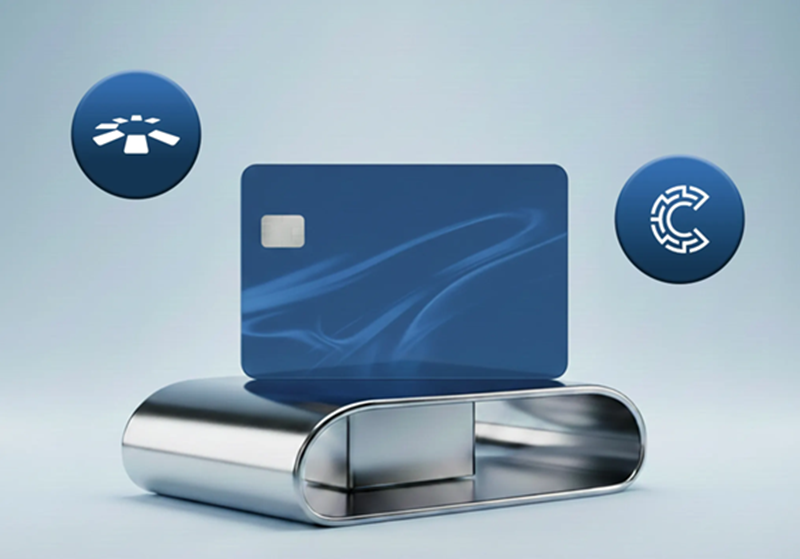
The growing digital economy and the Naira card payment restriction have accelerated the rise of virtual card payments. From a single virtual card operator in 2015, Nigerians now have as many options. They can literally get a virtual card in Nigeria today from several platforms.
But among the most popular are highly reliable options like Cardtonic and Cleva. Both virtual cards deliver an excellent experience for shoppers and freelancers in Nigeria alike. They are accepted across global stores and online payment platforms.
Cardtonic is best for making subscription payments, like paying for YouTube Premium. While Cleva is for receiving foreign payments internationally. It is also one of the best ways to send money to Nigeria.
So between Cardtonic and Cleva, which virtual card would you choose? This article explains everything you need to know before choosing a particular option. Let’s get into it
Cardtonic Vs Cleva Virtual Card: Head-to-Head
Let’s compare Cardtonic and Cleva based on value proposition, card creation and other fees, funding options, global acceptance, rating and social sentiment, and extra perks.
| S/No | Factor | Cardtonic | Cleva |
| 1. | Value Proposition | Affordable. High Reliability. Flexible funding. | Receive payment from abroad. |
| 2. | Card Creation and Other Fees | $1.5 Card Creation Fee. 2% Funding Fee | $3 Card Creation Fee. 1% Funding Fee |
| 3. | Funding Options | Bank Transfer; Gift Cards | Bank Transfer; Foreign Payment |
| 4. | Global Acceptance | Wider acceptance at global locations | Wide Acceptance |
| 5. | Rating and Social Sentiment | 43.6% Positive Sentiment. | 36.7% Positive Sentiment
|
| 6. | Extra Perks | Multi-purpose app | Sleek User Interface. Speedy Customer Support. |
1. Overview and Value Proposition
Cardtonic:
Nigeria’s premium gift card brand, Cardtonic, offers virtual cards so users can navigate international payment restrictions without stress. It’s the most flexible option around, letting you fund your wallet in Naira via bank transfer or gift cards.
Furthermore, Cardtonic’s conversion fees are also very competitive, whether you are converting from Naira to USD or vice versa. You are guaranteed to get the best value for your funds.
One thing that truly stands out is that Cardtonic isn’t a one-off provider; it’s a full-scale fintech solution. Within a single app, you can access virtual dollar cards and pay utility bills, trade gift cards, shop for gadgets, and even buy eSIMs.
But how do you set up a Cardtonic virtual card? Getting started is quite straightforward. You need to download the Cardtonic app, complete KYC, and then create a virtual card in-app and fund it.
Then head to your payment page, key in your card details, just as you would use a physical card, and boom! Your payment goes through instantly.
Cleva:
Cleva is a standard solution that lets you make and receive international payments in USD. You open a Cleva USD account, and you get a virtual card linked to your account. Well, it isn’t automatic; you need to create the card and pay the card creation fee.
Cleva is particularly well-suited for freelancers and offers an alternative to major payment platforms like PayPal. You can use Cleva to receive payment from major freelance sites like Fiverr and Upwork
Unlike Cardtonic, Cleva allows you to receive and make payments. It’s not either/or; it’s both.
Once the payment arrives in your USD account, you can convert and pay out in Naira. Otherwise, you can use them to fund your virtual cards so you can shop online and pay for digital subscriptions.
2. Card Creation and Other Fees
Cardtonic charges a low card creation fee of $1.5 for a regular card and $5 for the platinum version. Unlike the regular cards, the platinum cards offer extra flexibility. You can add them to your digital wallet, like Apple/Google Pay, to make quick payments from your device without ever needing a physical card.
Additionally, Cardtonic has no monthly or maintenance fees, so you’re never charged if your card goes unused. What’s more? Cardtonic’s funding fees are capped at 2% of the Naira value. And when you indeed make a transaction, you get charged just a fraction as transaction fees.
Lastly, the Cardtonic app is one of the few platforms where you can get the best exchange rates when converting between USD and Naira. The rates often match the prevailing market price.
On the flip side, Cleva offers a low-fee structure. For example, you get charged just $1 for up to $100; that is 1% funding fees, cheaper than most payment providers. Its card creation fee isn’t over the roof either. You get charged only $3, with $1 credited to your card balance and available for use.
But similar to Cardtonic, there are no card maintenance fees whatsoever. Cleva does not charge rent; you are free to use your card at any time and you only get charged when you do so.
3. Funding Options
Cardtonic offers the most seamless card funding options: You can fund your digital wallet in Naira via bank transfer or even gift cards. Once your wallet is funded, you can convert Naira to USD and top up your virtual dollar card. You can then pay or shop at your favorite global platforms like Amazon and Macy’s.
When it comes to Cleva, it’s a little different. You can fund your Cleva virtual card via a bank transfer from within or outside Nigeria. You always have decent options, like US wire, ACH, or even stablecoins, available for you to receive payment from abroad.
Stablecoin payments are available for remote workers whose clients pay in crypto. They are typically settled in less than 5 minutes and provide an effective way to fund your Cleva USD account.
4. Global Acceptance
The Cardtonic virtual card is a popular payment option supported at global merchants, particularly at vendors that accept Visa or Mastercard. That said, you can shop at eBay or Amazon and subscribe to ChatGPT, Google Cloud, and Workspace.
You also get to enjoy contactless payment. Another extra value added. You add your platinum virtual card to Apple or Google Pay and pay simply by tapping your device on supported payment terminals. That’s speed and convenience merged into one.
Other platforms where the Cardtonic virtual cards are accepted include Grammarly, Twitter Blue, Google Ads, YouTube Premium, Canva Pro, and Adobe Creative Cloud.
Comparatively, Cleva is accepted at global locations with the Visa or Mastercard logos. Like Cardtonic, you can shop at your favorite global e-commerce stores like Amazon or eBay. Additionally, you can use your Cleva virtual card to subscribe to Netflix or run Facebook or Google ads.
5. Rating and Social Sentiments
While both products are strong options for paying internationally, ratings on Google Play showed that Cardtonic has a 4.6-star rating out of 20k reviews. Cleva, on the other hand, has received 4.7 out of 5k reviews. However, you should keep in mind that Cardtonic has way more product offerings than Cleva.
Secondly, the Virtual Card in Nigeria Report indicates that Cardtonic is hugely more popular than its counterpart. It has a stronger total number of X mentions than Cleva: 278 total tweets, ahead of Cleva’s 49.
Social sentiment also favors Cardtonic over the Cleva virtual card. Cardtonic led with a positive score of 43.6%, ahead of Cleva’s 36.7%. Overall, Cardtonic is praised for its reliability in supporting Apple and Namecheap payments, while Cleva is recognized for its sleek user interface and speedy support.
Frequently Asked Questions About Cleva and Cardtonic Virtual Card
- Which Virtual Card is Best in Nigeria?
The best virtual card in Nigeria currently is Cardtonic due to its high reliability. Since its launch in 2024, it has continually enabled Nigerians to pay across popular global destinations without stress.
Besides, the Cardtonic virtual card is cost-effective and provides the strongest security and the most flexible funding options.
- Cardtonic vs. Cleva: Which is Cheaper?
Overall, Cardtonic is cheaper: In terms of card creation fees, Cardtonic charges $1.5 compared to Cleva’s $3. And as regards card funding fees, Cardtonic charges about 1.5% on Naira deposits, with a maximum of 2,000 Naira overall. Alternatively, Cleva charges only 1% for funding in USD.
- Can Funds be Added in Naira?
Yes, Cardtonic lets you fund your digital wallet directly in Naira via bank transfer or gift card sales. Alternatively, Cleva has also launched its Naira funding feature. With this, you can transfer from any local bank app and have your Cleva NGN account credited.
- Cardtonic vs. Cleva: What Should Nigerians Consider Before Choosing?
It is important to consider your use case before choosing between the Cardtonic and Cleva virtual cards. For example, if you want to receive funds from abroad, choose Cleva. If you wish to make a payment or subscribe to popular channels, then you can choose from either Cardtonic or Cleva. However, Cardtonic offers a full fintech package.
Other factors to consider before choosing a virtual card include fees and exchange rates. If you want lower fees or the best conversion rates, the Cardtonic virtual card is your best option.
- Can Cleva Receive Money from Abroad?
Yes, Cleva has a USD account feature that allows users to receive payments via US wire or ACH from global locations. Additionally, Cleva supports stablecoins, so you can also receive USDT and USDC from abroad directly to your USD wallet.
- How Long Does it Take to Receive Payment on Cleva?
It all depends on the payment option. General ACH payment takes 1–3 business days. While wire transfer from the US takes 1 to 2 days. Meanwhile, stablecoins take less than five minutes.
Conclusion
Cardtonic vs. Cleva: Which should you choose? Well, it all depends on your needs and preferences. Choose Cardtonic if you need an all-in-one app for fintech payments and gift card trading.
Then choose Cleva if you’re a remote worker looking for an alternative means to receive payment from abroad. They may not be as popular as their counterparts, but they do work.
Cardtonic clearly outperforms Cleva, as evidenced by its user feedback and statistics. It has way more users, the most flexible funding, and the cheapest fees, and it clearly supports a wider range of platforms than Cleva.






Banking
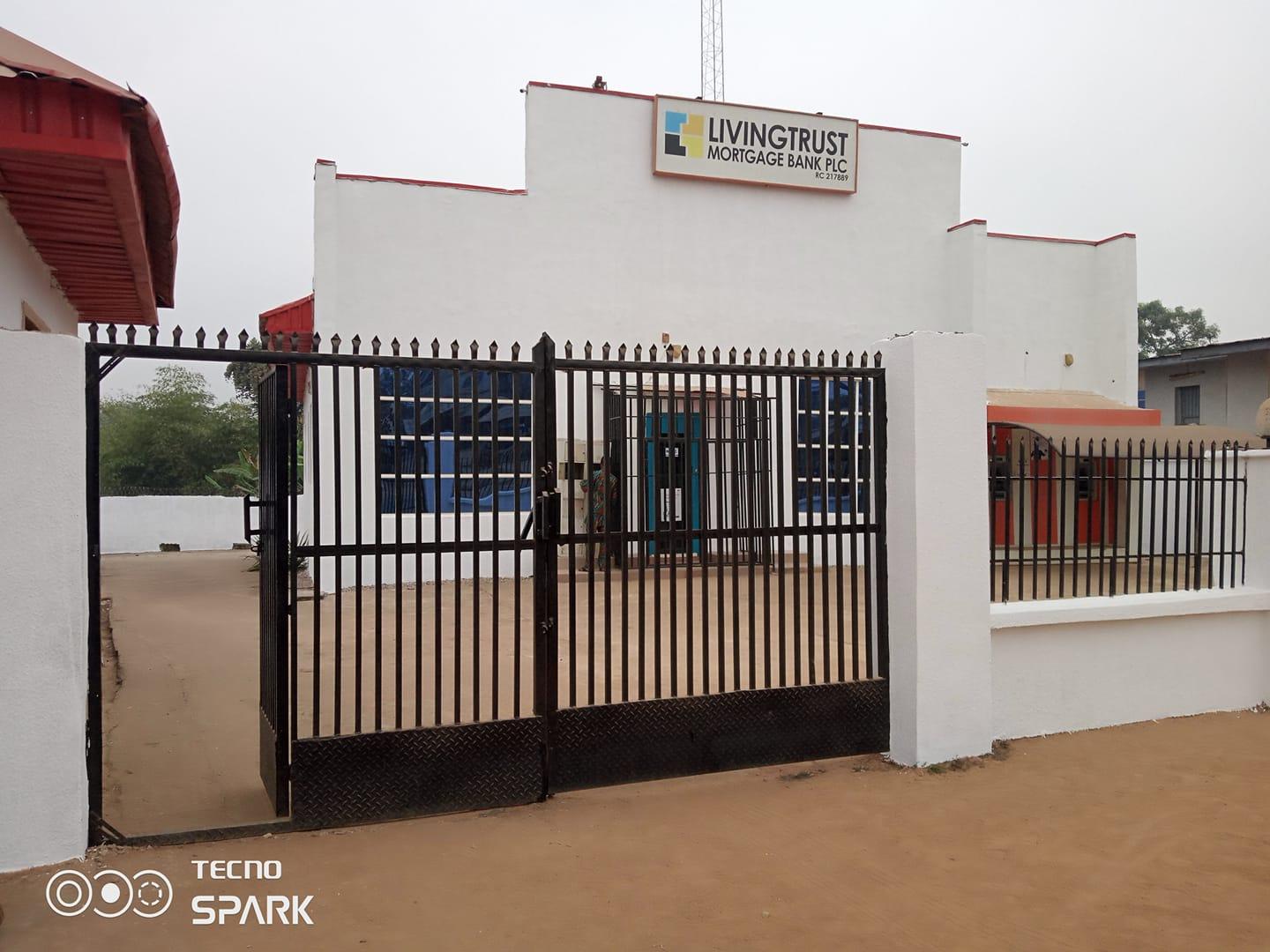
Proxy Share Acquisition: Nothing to Worry About—LivingTrust Mortgage Bank Assures Shareholders

By Aduragbemi Omiyale
The board of LivingTrust Mortgage Bank Plc has assured the investing public, particularly its shareholders, that its operations are not being affected by reports of an alleged proxy share acquisition surrounding the organisation.
It was claimed that an investor attempted to take over the control of the real estate lender with funds alleged to have been from questionable sources.
In a clarification to the investing public through the Nigerian Exchange (NGX) Limited on Tuesday, April 7, 2026, the company said it cannot confirm if security operatives investigating the claims have submitted their report to the Central Bank of Nigeria (CBN).
However, it assured that, “Our bank is stable and that in the event of any change in ownership, we will file the necessary formal notifications and publish detailed announcements.”
In the notice today, LivingTrust Mortgage Bank narrated that, “As a company listed on the Growth Board of NGX, there are regular movements on the bank’s shareholder register.
“The bank’s monitoring of material movements showed an acquisition of 2.24 per cent of its shareholding by Apel Asset Ltd-Nominee, as per its register of June 25, 2025, as obtained from our registrar. However, one month later, in July 2025, the register obtained from the bank’s registrar showed the same shares to be listed in favour of Deril Academy Limited. We are further aware that in July 2025, Deril Academy Limited teamed up with some other shareholders in a takeover attempt via a matter filed in the Federal High Court, Lagos. The attempt failed, and the matter has now been withdrawn.
“Please note that we do not reveal the veil of corporations of juridical entities investing in the shares of the bank, below the level considered statutorily significant.
“While the CBN assesses the source of funds invested in financial institutions, persons purchasing shares of less than 5 per cent of total shareholdings in the open market are not required to be reported to the CBN.”
Business Post reports that the majority shareholders of LivingTrust Mortgage Bank, formerly Omoluabi Mortgage Bank, are Cititrust Holdings Plc and the Osun State Government.

By Adedapo Adesanya
Nigeria’s Bank Verification Number (BVN) registry surged to 68.6 million in the first three months of 2026 from 67.8 million in the last quarter of 2025, reflecting continued uptake of the unique identity platform for bank customers amid new regulatory directives to strengthen the Nigerian financial landscape further.
Data released by the Nigeria Inter-Bank Settlement System (NIBSS) showed that the database expanded by 754,128 in the first quarter of the year.
Last year, the sector recorded 4.3 million new registrations, largely driven by the Non-Resident Bank Verification Number (NRBVN) initiative, which allows Nigerians in the diaspora to register remotely, thereby boosting cross-border financial inclusion.
The data for fresh enrolments in 2026 showed a slowing rate of registrations, with fewer than one million recorded in the first three months. The total number of active bank accounts in Nigeria stood at over 320 million as of March 2025, highlighting a gap between BVN coverage and the broader banking population. While a single BVN can be linked to multiple accounts, unlinked accounts remain a challenge for financial oversight.
Last month, the Central Bank of Nigeria (CBN) introduced a revised BVN regulatory framework to strengthen identity verification and fraud prevention. Among the new provisions, only individuals aged 18 and above are eligible for BVN enrolment, and customers are now permitted to update the phone number linked to their BVN only once.
The apex bank also directed financial institutions to maintain a temporary watch list of BVNs associated with suspected fraudulent transactions. Affected BVNs remain on the list for up to 24 hours, during which owners are contacted for clarification before further action is taken.
According to the CBN, the measures are designed to tighten fraud monitoring, protect transaction integrity, and enhance identity management across Nigeria’s banking system.

By Modupe Gbadeyanka
One tune that is on the lips of young and energetic Nigerians is the new ALAT: The Evolution jingle.
The melodious clink was designed to capture the energy of a smarter and more seamless banking experience. It is bright, catchy, and full of life.
The lender said the ALAT: The Evolution jingle is more than just music, as it represents a clear statement of intent. It signals a shift towards banking that feels natural, responsive, and in tune with the user.
As customers update their app and explore ALAT: The Evolution, the jingle serves as a reminder that a better, smoother way to bank is already here. Wema Bank is not just evolving its technology; it is shaping how banking feels.
It was stated that the tune was introduced to mark the next phase of the financial institution’s digital banking journey.
Everyday banking can often feel routine or even stressful, with multiple steps and delays slowing things down. The ALAT: The Evolution jingle reimagines that experience with a lively and confident tone that mirrors the app’s capabilities.
From voice banking with SAW to Tap and Pay and bank uptime prediction, each feature is echoed in the rhythm and flow of the sound. It brings to life the speed, convenience, and reliability that define this new phase of ALAT: The Evolution.
-
 Feature/OPED6 years ago
Davos was Different this year
-
Travel/Tourism10 years ago
Lagos Seals Western Lodge Hotel In Ikorodu
-

 Showbiz3 years ago
Estranged Lover Releases Videos of Empress Njamah Bathing
-
 Banking8 years ago
Sort Codes of GTBank Branches in Nigeria
-

 Economy3 years ago
Subsidy Removal: CNG at N130 Per Litre Cheaper Than Petrol—IPMAN
-

 Banking3 years ago
Sort Codes of UBA Branches in Nigeria
-

 Banking3 years ago
First Bank Announces Planned Downtime
-

 Sports3 years ago
Highest Paid Nigerian Footballer – How Much Do Nigerian Footballers Earn