

Economy
How To Pay For Amazon Prime Subscription In Nigeria

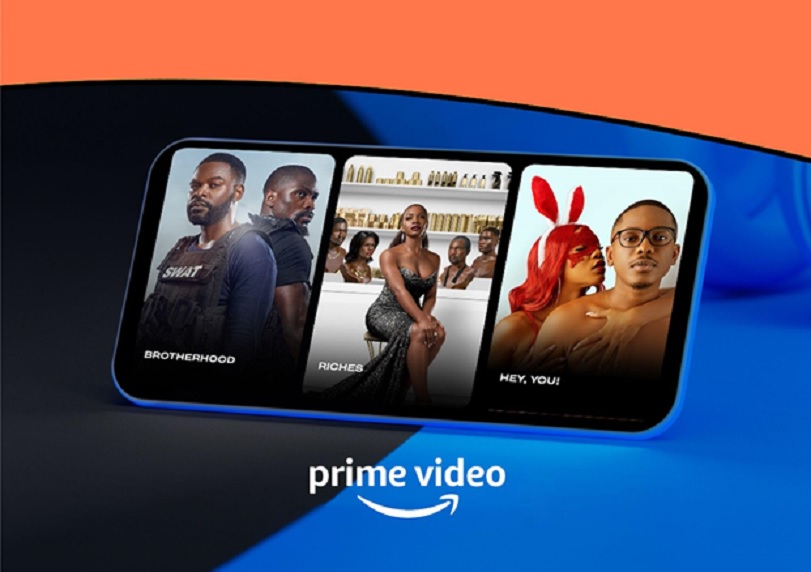
Struggling with Amazon Prime payments in Nigeria? Find out how virtual cards and gift cards can solve your payment issues.
Settling down to watch your favourite movie after a long day – isn’t that just the best feeling? But for movie lovers in Nigeria, getting access to Amazon Prime’s vast library can be a real headache. You’re all set to subscribe, but then bam! Your Nigerian debit card gets rejected. Frustrating, right?
It’s a common problem. Most Nigerian bank debit cards don’t work smoothly for international transactions, leaving you stuck on the payment page. But don’t worry, your movie night isn’t cancelled just yet. There are ways around this obstacle, and you’re about to discover them.
In this guide, we’ll walk you through two reliable methods to pay for your Amazon Prime Subscription in Nigeria without using your debit card. Let’s get started!
2 Ways You Can Pay For Amazon Prime Subscription In Nigeria
Struggling to pay for Amazon Prime in Nigeria? Don’t stress! You’ve got two solid options: using a virtual dollar card or an Amazon gift card. Both work great when your local cards don’t cut it.
- Use a Virtual Dollar Card:
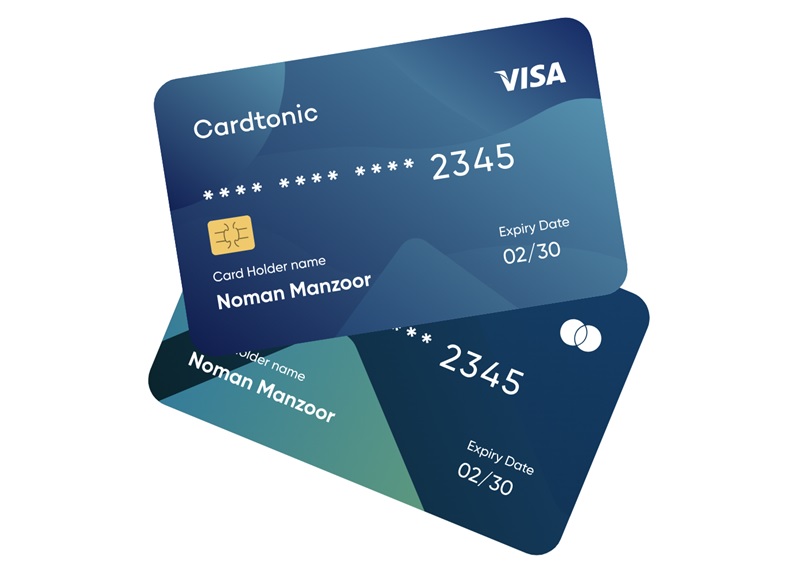
Virtual dollar cards are pretty handy for online payments, especially when you’re dealing with international sites. They work just like regular cards, but they’re all digital.
The cool thing about these cards is that you can load them up with dollars, which makes paying for Amazon Prime a breeze. They’re safer, too, since you’re not putting your main bank details out there.
Need one? Check out Cardtonic. They offer virtual dollar cards that will resolve your Amazon payment issues quickly.
- Use an Amazon Gift Card:
Amazon gift cards are another great way to get around payment problems. You buy a card loaded with a specific amount, then use that to pay for your Prime subscription.
The best part? You don’t need a credit card or bank account to use them. Just punch in the code, and you’re good to go. They’re also great if you want to keep tabs on how much you’re spending on streaming.
And here’s the kicker – you can get these easily in Nigeria through Cardtonic. No need to jump through hoops to pay your Prime subscription.
How To Pay On Amazon Using A Cardtonic Virtual Dollar Card
Paying for Amazon Prime with a Cardtonic virtual card is a breeze. Just sign up on Cardtonic, get your virtual card, head to Amazon, pick your plan, and use your new card details to pay. Easy peasy!
- Sign up on Cardtonic:
Visit Cardtonic’s website and create an account. It’s quick and straightforward.
- Get your virtual dollar card:
Once you’re in, navigate to the virtual card section and request your card. You will need to verify your identity, but it’s usually a breeze.
- Fund your card:
Add some dollars to your new virtual card. Remember to load enough for your Amazon Prime subscription.
- Go to Amazon:
Open up Amazon’s website and navigate to the Prime subscription page.
- Choose your plan:
Pick the Prime plan that suits you best. Monthly or annual – it’s up to you.
- Enter payment details:
When it’s time to pay, select “Credit or Debit Card” as your payment method.
- Use your virtual card info:
Fill in the card details from your Cardtonic virtual dollar card. Double-check everything to make sure it’s correct.
- Confirm and enjoy:
Hit that “Confirm” button, and voila! You’re now an Amazon Prime member. Time to start binging!
How To Pay On Amazon Using Amazon Gift Card
Using a Cardtonic Amazon gift card for Prime is super easy. First, buy an Amazon gift card from Cardtonic. Then, log into Amazon, go to your account, redeem your gift card, head to Prime, choose your plan, and pay with your gift card balance. Simple as that!
- Get your gift card:
First things first, buy an Amazon gift card from Cardtonic. They’ve got different denominations, so pick one that covers your Prime subscription.
- Log into Amazon:
Head to Amazon’s website and sign in to your account. Don’t have one? It only takes a minute to set up.
- Redeem your gift card:
Look for “Account & Lists” at the top of the page. Click on it, then find “Gift cards” in the dropdown menu. Enter your gift card code and hit “Apply to your balance”.
- Navigate to Prime:
Once your gift card is added, go to the Amazon Prime page.
- Choose your plan:
Decide whether you want a monthly or annual subscription. Remember, the annual plan often works out cheaper in the long run.
- Select payment method:
When you get to the payment page, you should see your gift card balance as a payment option. Select it.
- Confirm your subscription:
Double-check everything looks right, then hit that “Confirm” button.
Congratulations! You’re now a Prime member. Time to explore all those movies and shows you’ve been missing out on.
Note: If your gift card doesn’t cover the full amount, you might need to add another payment method for the difference. But don’t worry – Amazon will guide you through it if that happens.
Frequently Asked Questions About Paying For Amazon Subscription In Nigeria
- How Much Is An Amazon Prime Subscription In Nigeria?
As of now, an Amazon Prime subscription costs $14.99 per month or $139 per year. This price is in USD because Amazon Prime is billed in US dollars globally.
For the latest pricing and possible discounts, it’s best to check directly on the Amazon Prime subscription page.
- Does Amazon Accept Nigerian Debit Cards?
Generally, no. Most Nigerian debit cards don’t work for international transactions on Amazon. That’s why we’ve discussed alternative payment methods like virtual dollar cards and gift cards.
- Which Is Better, Netflix Or Amazon Prime?
It depends on what you’re after. Netflix has a wider selection of TV shows, while Amazon Prime offers more movies and comes with additional perks like free shipping on Amazon purchases. Try both and see which suits you better.
- Where Can I Buy Amazon Gift Cards In Nigeria?
The easiest way to buy gift cards online, including Amazon gift cards, is through platforms like Cardtonic. They offer a secure and convenient way to purchase digital gift cards right from your phone or computer.
- Can You Pay For Prime Video With Airtime?
No, unfortunately, you can’t pay for Amazon Prime Video directly with airtime. Amazon doesn’t currently offer this payment option in Nigeria.
Conclusion
So there you have it! Paying for Amazon Prime in Nigeria doesn’t have to be a headache anymore. Whether you choose to go with a virtual dollar card or an Amazon gift card, Cardtonic has got you covered.
They’re your one-stop shop for both options, making the whole process a breeze. Why not head over to Cardtonic now and get yourself set up?
In no time, you’ll be kicking back and enjoying all the great content Amazon Prime has to offer. Happy streaming!


