Connect with us

Banking

Court Faults Union Bank for Using Nicon Investment’s £130.7m to Offset Global Fleet Loan

Published

on

union bank nigeria

By Aduragbemi Omiyale

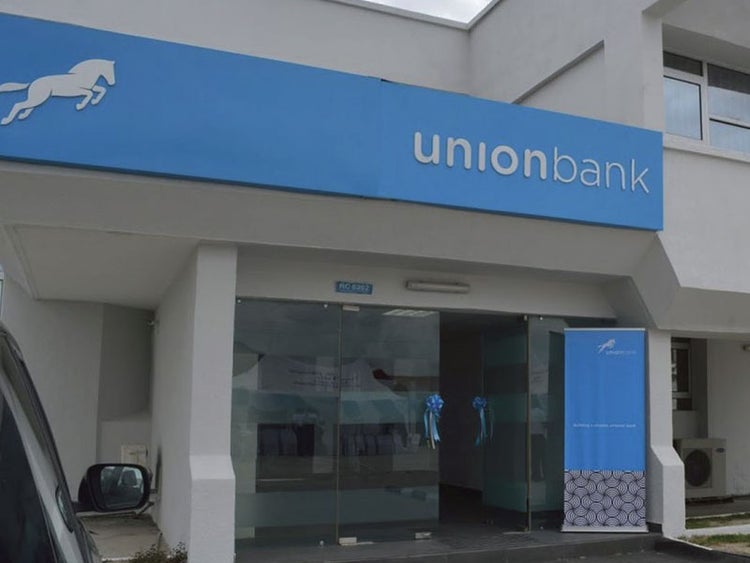
Justice O.O. Abike-Fadipe of the Lagos State High Court in Ikeja has fined Union Bank of Nigeria for converting Nicon Investment Limited’s £130.7 million fixed deposit to offset the loan obtained by Global Fleet Oil and Gas Limited.

Global Fleet and Nicon Investment are companies owned by popular businessman and Senator representing Ondo South Senatorial District, Mr Jimoh Ibrahim.

The court, while giving judgement in suit LD/1074/2010 filed by Nicon Investment against Union Bank, ordered the lender to pay £1 million as damages for the “breach of its fiduciary duties to the claimant and negligence,” dismissing the bank’s counterclaim in its entirety with N10 million costs.

According to the judgement, “The defendant bank’s unilateral use of part of the claimant’s £130,720,557.06 to liquidate Global Fleet’s debt without the mandate and/or due authorisation of the claimant is wrongful, null and void.”

It held that, “Union Bank Plc ceases to have the power to pursue the alleged indebtedness upon the sale of the said alleged indebtedness to Asset Management Corporation of Nigeria (AMCON).”

But Union Bank, in a statement, disagreed with the judgement of the court, pledging to appeal the case at the appellate court.

“We wish to assure our customers, partners, and the public that Union Bank operates with the highest levels of professionalism, ethical conduct, and legal compliance in all our dealings.

“While we respect the authority of the court, we strongly disagree with the judgment delivered and have instructed our lawyers to file an appeal against it immediately.

“The court’s findings, including its position on the consolidation of indebtedness, locus standi, and third-party liability, are at variance with established legal principles and the bank’s understanding of the facts. We are confident in our legal position and intend to vigorously pursue all lawful avenues to ensure that justice is served.

“Union Bank had previously transferred the relevant debt obligations to AMCON, and we maintain that all actions taken in this regard were in line with applicable laws and banking practice.

“We reiterate our unwavering commitment to acting in good faith, protecting stakeholder interests, and preserving the integrity that has defined our institution for over a century. The

Bank remains resilient and focused on continuing to deliver excellent service and value to its customers.

“We appreciate the continued trust and support of all stakeholders as we navigate this legal process,” the statement signed by the company’s Chief Brand and Marketing Officer, Mrs Olufunmilola Aluko, said.

Business Post reports that Union Bank used the £130,682,918.93 fixed in Union Bank by Nicon Investment to clear the loan taken by Global Fleet.

Nicon Investment challenged this action in court, saying this was unlawful because the bank was not authorised to do so.

The investment firm informed that it suffered significant damages due to the bank’s actions, including other illegal charges and wrongful penalties, which deprived it of the opportunity to utilise the funds for property business and expansion.

But Union Bank argued that, “Both companies’ accounts were treated as related accounts with the knowledge and consent of both companies.”

The court agreed with Nicon Investment that Union Bank’s unilateral conversion of the funds “from the claimant’s fixed deposit account to US Dollars without the due authorisation and/or mandate of the claimant is wrongful, null and void,” emphasising that, “The pounds sterling fixed deposit account of the claimant is not tied to the indebtedness of Global Fleet and/or meant in any way or manner whatsoever to provide security for the said debt.”


Banking

The Inside Story: How Stanbic IBTC’s EVB Programme is Revolutionising Corporate Banking

Published

on

Stanbic IBTC Bank Logo white

In today’s rapidly evolving business environment, organisations face heightened competition, shifting workforce expectations, and increasing pressure to optimise productivity. Amid these dynamics, one truth has become increasingly clear: employees’ financial well-being is directly tied to organisational performance.

Employees who are financially secure demonstrate greater commitment, higher productivity, reduced absenteeism, and stronger alignment with company objectives. Conversely, financial stress has emerged as a leading contributor to disengagement, declining morale, and weakened performance across all levels of the workforce.

At Stanbic IBTC, we recognise this critical relationship between employee financial health and business outcomes. This insight led us to engineer Employee Value Banking (EVB)—a strategic, comprehensive, and future-proof solution designed to help organisations strengthen their workforce, elevate their value proposition, and drive long-term business sustainability.

EVB is a transformational partnership model aligning employee wellbeing with corporate productivity, risk reduction, and efficiency.

A Holistic, Employee-Centric Banking Architecture

EVB is built on the understanding that employees across varying grades and income brackets have unique financial realities. By offering a robust suite of banking, investment, insurance, and advisory services tailored to diverse needs, EVB empowers organisations to meaningfully enhance their workforce’s financial security and stability.

Key Components of the EVB Suite

  1. Digital Unsecured Personal Loans with Flexible Repayment

Employees gain access to seamless, digitally processed loans that allow them to meet immediate financial needs with ease.

Flexible repayment structures reduce financial strain while supporting responsible borrowing behaviour.

  1. Tailored Savings and Investment Solutions

Through structured savings plans, mutual funds, and diverse investment options, employees are empowered to build wealth over time.

This fosters discipline, long-term planning, and financial resilience.

  1. Pension and Asset Management Services

With Stanbic IBTC Pension Managers and Stanbic IBTC Asset Management, employees benefit from expert retirement guidance, wealth advisory, and long-term financial structuring—ensuring a secure and predictable future.

  1. Comprehensive Insurance Cover (Life, Health & Assets)

Employees and their families enjoy protection against major life risks, including health emergencies, life insurance, and property coverage.

This security enhances peace of mind and reduces workplace anxiety.

  1. Mortgage Support at a Competitive Single-Digit Rate of 9.75%

Homeownership remains a powerful symbol of stability and success.

Through EVB’s highly competitive mortgage solution, 774 families have successfully become homeowners from 2024 to date, demonstrating the program’s profound and measurable impact.

A Structured, Responsible, and Risk-Free Lending Model

One of the core strengths of EVB is its cadre-based lending framework, which aligns all loan offerings with employee grade levels, income bands, and organisational hierarchy. This ensures:

  • Responsible and sustainable lending behaviours
  • Protection against over-borrowing
  • Stronger financial discipline
  • Greater alignment with corporate HR structures

What distinctly sets EVB apart is its employer-focused risk mitigation. EVB’s structure ensures employers face no risk, making it uniquely designed for seamless adoption compared to standard banking programs.

All loans provided under the program are fully insured, meaning organisations carry:

  • Zero liability
  • Zero indemnity exposure
  • Zero financial risk

This allows HR and management teams to expand their employee value proposition without adjusting internal financial structures or bearing additional costs.

Beyond Banking: Building a Financially Resilient Workforce

Financial empowerment is not achieved solely through products; it requires education, behavioural change, and consistent guidance.

Further differentiating EVB, Financial Fitness Workshops and complimentary Financial Health Checks are embedded as core components, giving employees ongoing support that competitors rarely offer.

These workshops cover:

  • Personal budgeting and cash flow management
  • Savings and investment strategies
  • Smart debt management
  • Retirement and pension planning
  • Wealth creation principles

By equipping employees with financial knowledge, organisations reduce anxiety, enhance decision-making, and cultivate a more confident, resilient, and empowered workforce.

A Strategic Partnership That Delivers Sustained Organisational Value

EVB enables organisations to build a healthier, more motivated, and higher-performing workforce.

It is not a product—it is a strategic collaboration that enhances organisational culture, strengthens HR capability, and improves employer brand reputation.

Through EVB, organisations benefit from:

  • Higher employee engagement
  • Improved productivity and performance
  • Reduced financial stress across all workforce levels
  • Enhanced talent attraction and retention
  • A stronger, richer reward and well-being structure
  • A fully digital, modern, and efficient employee banking experience

EVB reflects Stanbic IBTC’s long-standing commitment to supporting organisations by empowering the individuals who drive their success.

Employee Value Banking (EVB) is a pivotal advancement in corporate banking. Where traditional bank–corporate relationships focused on organisational accounts and financial transactions, EVB introduces a holistic, human-centric model that puts employees’ well-being at the core of corporate financial services.

Through EVB, Stanbic IBTC has:

  • Transitioned corporate banking from a transactional model to a value-driven partnership
  • Expanded the definition of the corporate customer to include the entire workforce
  • Integrated banking, pensions, investments, mortgages, insurance, and financial education into a unified ecosystem
  • Elevated corporate banking into a strategic enabler of productivity, well-being, and business sustainability
  • Positioned financial well-being as a competitive advantage for modern organisations

EVB has redefined the future of corporate banking, transforming it from a service function into a lever for organisational excellence, employee empowerment, and value creation.

Stanbic IBTC drives this change, enabling businesses to build secure, high-performing workforces.

Continue Reading

Banking

Unity Bank, Experts Call for Increased Investment in Green Economy

Published

on

Unity Bank UnityCares

By Modupe Gbadeyanka

The need for increased investment in the green economy and the adoption of frontier technologies as critical pathways to driving economic resilience and reducing the impact of climate change on vulnerable populations across Africa has again been stressed.

At a thought-provoking webinar hosted by Unity Bank Plc to commemorate this year’s Earth Day, themed The True Cost of Climate Change and Who Pays? leading climate innovation experts highlighted the disproportionate burden which climate change places on underserved communities and the need for inclusive solutions.

For example, the chief executive of Instollar, Ms Chinwe Udo-Davis, submitted that, “The true cost of climate change is not evenly distributed.”

“Communities with the least resources are often the most affected, whether through energy poverty, environmental degradation, or limited access to sustainable alternatives. Addressing this imbalance requires intentional investment in clean energy solutions that are both accessible and scalable,” she noted.

Also, the Programme Manager at the Nigeria Climate Innovation Centre, Oluwatosin Ajide, underscored the importance of coordinated, system-wide approaches in tackling climate challenges, particularly through innovation and policy alignment.

“Climate change is fundamentally a structural problem, and its solution requires a paradigm shift: from innovation and policy to financing and implementation. Stakeholders must work collaboratively to drive solutions that are sustainable and inclusive,” Ajide stated.

In his opening remarks, Unity Bank’s Head of Strategy and Innovation, Mr Ibukun Coker, emphasised the urgency of addressing climate risks from both a societal and business perspective.

“Climate change is no longer a distant or abstract challenge. It is an existential threat with direct consequences for individuals, businesses, and economies.

“At Unity Bank, we recognise the role institutions must play in incorporating sustainability in project financing, supporting businesses and promoting solutions that build resilience in communities where we operate,” he stated.

The programme provided an avenue for stakeholders to examine the human, economic, and institutional costs of climate change, while spotlighting practical solutions to address its growing impact.

It also explored emerging opportunities in climate technology, renewable energy, and ecosystem financing, reinforcing the role of innovation and cross-sector collaboration in building long-term resilience.

By hosting the webinar, Unity Bank continues to demonstrate its commitment to advancing sustainability-focused dialogue and supporting initiatives that promote responsible growth and environmental stewardship.

Continue Reading

Banking

CBN Warns Public Against Increase in Impersonation Scams

Published

on

CBN’s N75trn Credit private sector

By Adedapo Adesanya

The Central Bank of Nigeria (CBN) has issued an alert about the spread of fraudulent messages, emails, and online communications falsely bearing the identity of the bank, to scam unsuspecting members of the public.

The apex bank warned that the fake materials are designed to hack personal accounts and mislead Nigerians on matters of bank leadership, licensing, and policy.

In a notice signed by Mrs Hakama Sidi-Ali, the Acting Director of Corporate Communications, the lender said the fraudulent communications are already in circulation and are prompting recipients to click embedded links, which is the primary mechanism through which the attackers seek to gain unauthorised access to private accounts and personal data.

The bank laid out three clear directives for members of the public. First, Nigerians are advised to refrain from clicking links or providing personal information on any website they cannot confirm as legitimate.

Second, it stated that all communications purporting to come from the CBN must be verified through the bank’s sole official website — www.cbn.gov.ng — or through recognised media organisations.

Thirdly, it warned that anyone who encounters a suspected fraudulent site, email, or message is urged to report it to law enforcement authorities without delay.

“The CBN remains fully committed to safeguarding the Nigerian financial system and continues to strengthen its cybersecurity frameworks in collaboration with relevant agencies to protect the public against digital fraud.”

Continue Reading

Trending