
Banking
Diamond Bank’s Giant Strides In ICT, Education, Economy


By Modupe Gbadeyanka
It is no doubt that Diamond Bank has contributed immensely to the growth of education and the Information and Communications Technology (ICT) sectors in Nigeria.
The bank, which targets majorly the youths, has also done well in helping businesses in the country grow, thereby improving the economy of Nigeria. Little wonder most entrepreneurs want to bank with them and the huge number of people doing transactions at Diamond Bank branches across the country attests to this.
For those very conversant with Diamond Bank, financial products developed for customers show it cares much about making Nigeria a better country for all.
In fact, Diamond Bank has continued to lead the revolution in meeting the ever changing behaviour of their customers.
If you wonder why Diamond Bank is majorly targeting the youths, then this might provide the perfect answer.
Statistics from the Central Bank of Nigeria (CBN) and the Nigeria Bureau of Statistics (NBS) show that 63 per cent of the country’s 168 million population are under 25 years and about 64.3 per cent of this huge population that are between the ages of 15-24 do not have a bank account, leaving them with no secure and supportive way to save for future goals.
Diamond Bank, which is aware that youths represent its strategic vision as an organisation of providing superior value and technology-based innovation, tapped into this.
“The buying power of this segment who account for more than half of the population in Nigeria, also makes this engagement a strategic imperative. At the same time, our expansion into the retail market requires that we focus on this group.
“Our core corporate social activity in this area focuses on training and equipping students of tertiary institutions in underserved states across the country with (ICT) and Entrepreneurial Skills. This approach will not only provide youths with practical skills that make them employable but will also serve as a source of livelihood through IT Skills development.
“The first edition of this initiative was held in October 2013 with 100 students in two tertiary institutions in Uyo, Akwa Ibom State.
“The second edition will commence on October 13 in Aba, Abia State.
“The Diamond Bank ICT intervention Project in South-East Nigeria is a capacity building program that will train 100 youth in Aba, Abia State on ICT, Entrepreneurship and Life Skills by December 2014,” said an official of the bank.
The initiative is being implemented in partnership with Paradigm Initiative of Nigeria, a foremost ICT firm in Nigeria.
“Paradigm Initiative Nigeria (PIN) is a social enterprise that connects underserved Nigerian youth with Information and Communication Technology (ICT) opportunities, with specific concern about the ill effects of unemployment and cybercrime among other vices that limit the potential contribution of young Nigerians to the nation’s economy.
“PIN would provide trainees with continued post-program mentorship and support for a period of six months after graduation.
“We want young people to know that Diamond Bank is not just for adults, Diamond Bank is your bank too. We have worked hard to be the bank that understands the financial needs of parents and their children and to provide the right products and support to help them save to achieve their dreams,” the official disclosed.
Africa’s first Nobel Laureate, Professor Wole Soyinka and the Lagos State Government had commended Diamond Bank Plc recently for its role in championing the intellectual development of children and the growth of art in primary and secondary schools.
Deputy Governor of Lagos State, Dr Idiat Oluranti Adebule, stated that Diamond Bank’s initiative and sponsorship of related competitions since its inception in 2012, is a testament of the bank’s strong commitment to the future of children, pointing that such commitment serves as a wake-up call to other corporate organisations to support and participate in various programs aimed at boosting the quality of education in the State.
“The Vision of the Child (VOTC) is an initiative geared towards promoting education through creative thinking, literary arts and painting skills. This vision is in tune with our educational policy in Lagos State and that is why government has participated actively in it since inception.
“We will continue to do so as long as it provides children the platform to express their understanding of the world they live in, their vision of what it should be, as well as their fantasies and dreams,” the Deputy Governor stated.
Speaking further, she said, “We commend Diamond Bank and we are delighted to note that the VOTC, in collaboration with the Ministry of Education, has reached out to over 3,000 schools in Lagos till date. The themes may appear deep and challenging but as we have seen from the exhibitions and literary presentations of the children, Nigeria still has a great future. We also hope to have a good journey in 2016.”
The Chief Executive Officer (CEO) of Diamond Bank, Mr Uzoma Dozie stated that, “At Diamond Bank, we try to go beyond banking and supporting the VOTC is one of our ways of ensuring that we contribute to the growth, development and nurturing of children.”
Also, Diamond bank was named ‘Largest Lender to Small Businesses’ at the Lagos Chamber of Commerce and Industry awards ceremony held at the Muson Centre Onikan Lagos.
The Lagos Chamber of Commerce and Industry (LCCI) is a leading voice of the private sector through its sustained public policy advocacy, stakeholders, engagement and trade promotion activities towards creating a conducive investment arena and prosperous economy.
According to the Award Committee, Diamond Bank was selected for its reputation as the first financial institution in Nigeria to develop a bespoke proposition to medium, Small and Micro Enterprises (MSME) by offering them fixed free account, Business Seminars and Business Clinic in the MSME space.
In a bid to ensure the youths get empowered, one way or the other, Diamond Bank called for increased investment in the music industry.
According to the Bank, the current situation were most operators in the industry lack the requisite specialized management skills to efficiently manage the business of entertainment, it is necessary that corporate organisations and investors come to the rescue by investing in the industry and helping to install reliable and business-focused management.
Mr Ikechukwu Omeife, Team lead, Media Relations, Diamond Bank, said the budding talents in the industry require adequate support in order to fulfil their potentials.
“Our bank believes in the youths of this country and their creative talents and potentials. We believe all these must be properly harnessed. The entertainment industry is a huge industry that has the capacity to absorb good number of unemployed in the country.
“These youths require corporate support and that is why we have been supporting this award for the past three years. We hope other organisations will do likewise by supporting this and other related events so we could jointly lift up this industry,” he said.
Mr Omeife recalled that the products of the industry have received global attention and recognition with the country’s music and its videos becoming very popular abroad.
Another official of the bank, Mr Udoka Oguamanam, noted that the Bank’s interest in youths has driven it to come up with different initiatives targeted at harnessing their unique creative talents. He said the on-going #YouNeedANewBank contest where young people are expected to remix the Bank’s theme song for an opportunity of winning a music record deal and cash prizes, was one of such platforms to encourage them.
Also, still targeting the youths, Diamond Bank Plc raised the stakes higher in the race for digital innovation in financial services as its mobile app users hit the one million mark, thus separating the management and the bank as the leader in the transformation of banking services in Nigeria and the continent of Africa.
The one millionth customer who downloaded and registered the Diamond Mobile app on Valentine’s Day, has his savings account domiciled at Okumagba Avenue branch in Warri, Delta State.
Also, 28 lucky customers were rewarded for downloading, registering and using the Diamond mobile app last December. Each of the 28 customers received gifts ranging from the new Iphone 6, Apple digital wristwatch, a year cable TV subscription, internet data subscription and cash.
The winners emerged through an online electronic draw, which was conducted among the Bank’s mobile app users that participated in December 2015 Diamond Liberacion promo.
Diamond Bank’s digital initiative has remained revolutionary. It gained accelerated growth in 2014, when Uzoma Dozie, highly techie, took over as the CEO and launched a major redesign of the Bank’s digital focus and strategy aimed at expanding its channels of electronic financial services for its customers and, also, improve the financial lives of the under-banked and the unbanked.
Since then, Diamond Bank has improved on all its digital electronic banking services and led a number of innovative projects that have translated to rapid growth on the retail side. Since 2004, Diamond’s Internet banking subscribers grew astronomically, the Bank introduced the Diamond Magic Cash, Diamond Touch ID and Diamond Y’ello with a host of other digital financial services waiting to be pushed into the market.
Additional information from http://www.leadership.ng/business/553666/banking-week-of-innovations-and-changing-lifestyles-of-customers











By Adedapo Adesanya
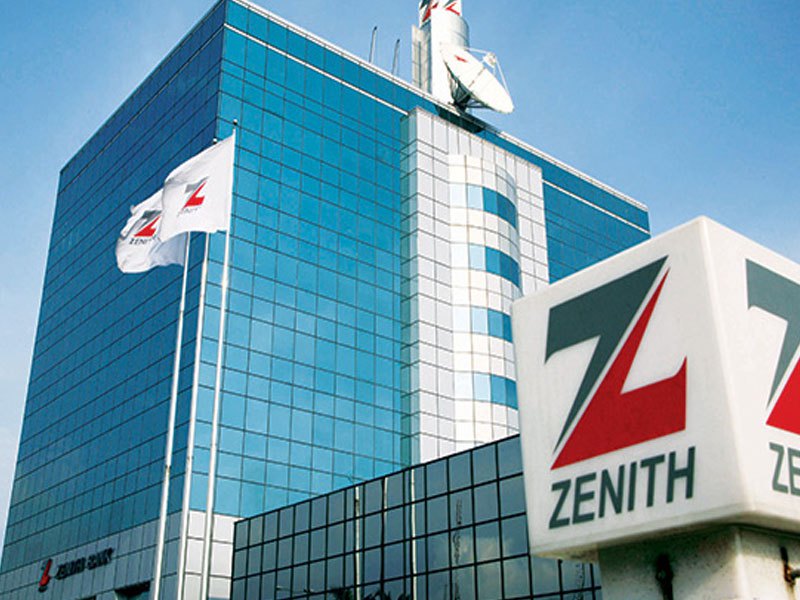
Zenith Bank Plc has announced the successful completion of its acquisition of the entire issued share capital of Paramount Bank Kenya Limited (PBL), following the receipt of all necessary regulatory approvals in both Nigeria and Kenya.
The development marks a significant milestone in the bank’s regional expansion strategy, reinforcing its ambition to deepen its presence across Sub-Saharan Africa.
The acquisition provides Zenith Bank with a strategic entry into the East African market, positioning it to better support cross-border trade and serve its growing base of regional and international clients.
“This acquisition marks a significant step towards our long-term strategic growth agenda and a strong inroad into the East African markets. It further reinforces the Bank’s position as a leading financial institution in Sub-Saharan Africa and affirms the Bank’s mantra of following our customers’ businesses,” the lender said in a statement.
The development comes after Zenith Bank previously refuted recent media reports and online commentary in November 2025, claiming that the bank is in the process of acquiring Paramount Bank in Kenya as part of its expansion into the East African market.
The move also strengthens Zenith Bank’s competitive positioning within Africa’s banking landscape, as Nigerian tier-one banks continue to pursue regional expansion to unlock new growth opportunities. Others like Access Bank and GT Bank have expanded reach in the last few years.
It will be recalled that the management of Zenith Bank, led by Ms Adara Umeoji, at the Nigeria Exchange (NGX), assured shareholders during the recapitalisation exercise that proceeds from the rights issue and public offer would be allocated to the global expansion of Zenith Bank operations, alongside increased funding for the real sector and upgrading technology infrastructure.
According to her, “35 per cent of the proceeds will fund the bank’s global expansion strategy, increasing its footprint in Africa and other parts of the world. 45 per cent will be deployed as working capital to support the real sector of the economy, and 20 per cent will be used to enhance the bank’s IT infrastructure and digital capabilities.”
Last month, Zenith Bank also expanded its operations to the United Kingdom by opening its Manchester branch office. It also unveiled plans to secure a full listing on the London Stock Exchange, one of the world’s leading stock exchanges.
Banking
Proxy Share Acquisition: Nothing to Worry About—LivingTrust Mortgage Bank Assures Shareholders

By Aduragbemi Omiyale
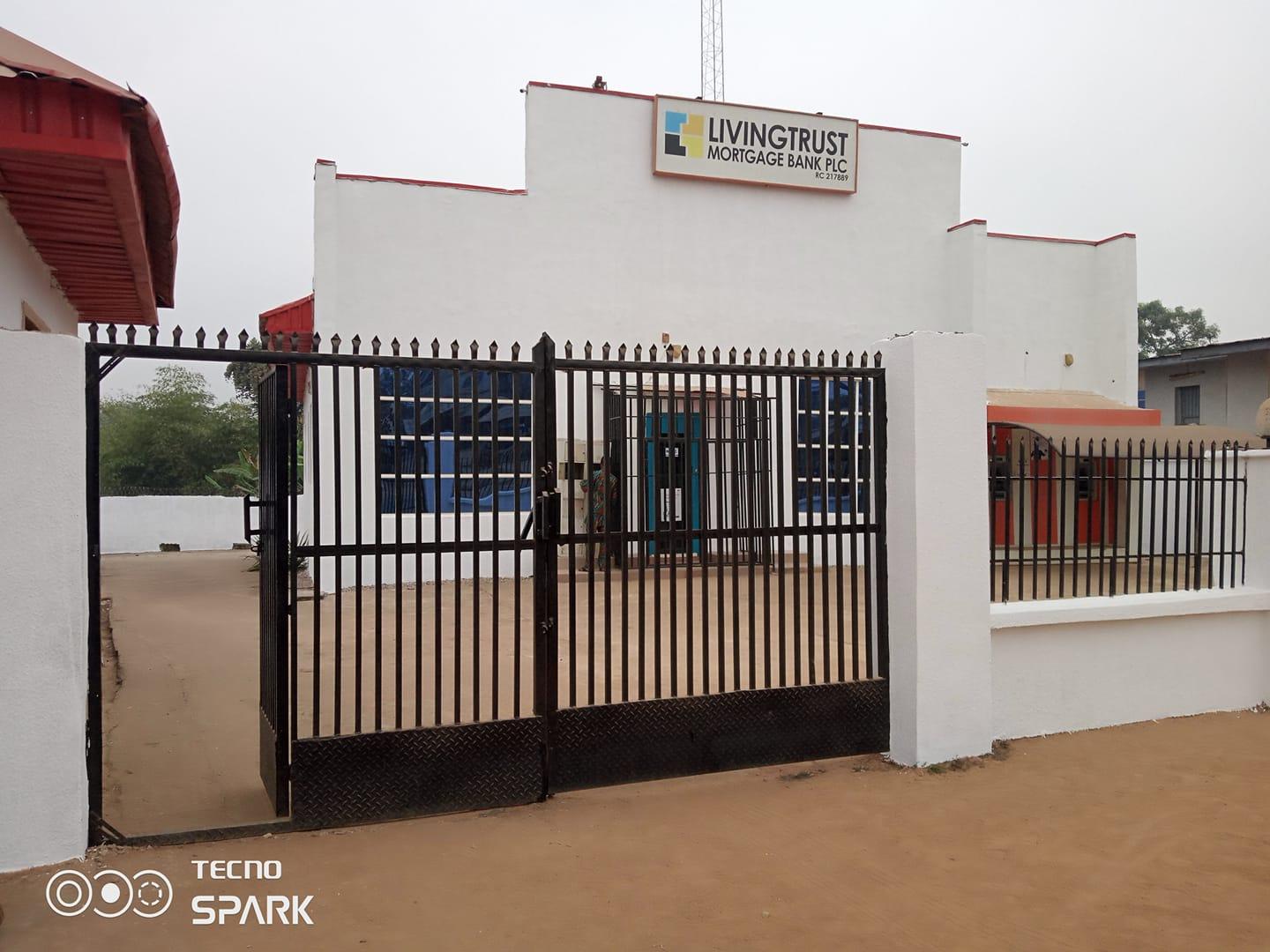
The board of LivingTrust Mortgage Bank Plc has assured the investing public, particularly its shareholders, that its operations are not being affected by reports of an alleged proxy share acquisition surrounding the organisation.
It was claimed that an investor attempted to take over the control of the real estate lender with funds alleged to have been from questionable sources.
In a clarification to the investing public through the Nigerian Exchange (NGX) Limited on Tuesday, April 7, 2026, the company said it cannot confirm if security operatives investigating the claims have submitted their report to the Central Bank of Nigeria (CBN).
However, it assured that, “Our bank is stable and that in the event of any change in ownership, we will file the necessary formal notifications and publish detailed announcements.”
In the notice today, LivingTrust Mortgage Bank narrated that, “As a company listed on the Growth Board of NGX, there are regular movements on the bank’s shareholder register.
“The bank’s monitoring of material movements showed an acquisition of 2.24 per cent of its shareholding by Apel Asset Ltd-Nominee, as per its register of June 25, 2025, as obtained from our registrar. However, one month later, in July 2025, the register obtained from the bank’s registrar showed the same shares to be listed in favour of Deril Academy Limited. We are further aware that in July 2025, Deril Academy Limited teamed up with some other shareholders in a takeover attempt via a matter filed in the Federal High Court, Lagos. The attempt failed, and the matter has now been withdrawn.
“Please note that we do not reveal the veil of corporations of juridical entities investing in the shares of the bank, below the level considered statutorily significant.
“While the CBN assesses the source of funds invested in financial institutions, persons purchasing shares of less than 5 per cent of total shareholdings in the open market are not required to be reported to the CBN.”
Business Post reports that the majority shareholders of LivingTrust Mortgage Bank, formerly Omoluabi Mortgage Bank, are Cititrust Holdings Plc and the Osun State Government.
By Adedapo Adesanya
Nigeria’s Bank Verification Number (BVN) registry surged to 68.6 million in the first three months of 2026 from 67.8 million in the last quarter of 2025, reflecting continued uptake of the unique identity platform for bank customers amid new regulatory directives to strengthen the Nigerian financial landscape further.
Data released by the Nigeria Inter-Bank Settlement System (NIBSS) showed that the database expanded by 754,128 in the first quarter of the year.
Last year, the sector recorded 4.3 million new registrations, largely driven by the Non-Resident Bank Verification Number (NRBVN) initiative, which allows Nigerians in the diaspora to register remotely, thereby boosting cross-border financial inclusion.
The data for fresh enrolments in 2026 showed a slowing rate of registrations, with fewer than one million recorded in the first three months. The total number of active bank accounts in Nigeria stood at over 320 million as of March 2025, highlighting a gap between BVN coverage and the broader banking population. While a single BVN can be linked to multiple accounts, unlinked accounts remain a challenge for financial oversight.
Last month, the Central Bank of Nigeria (CBN) introduced a revised BVN regulatory framework to strengthen identity verification and fraud prevention. Among the new provisions, only individuals aged 18 and above are eligible for BVN enrolment, and customers are now permitted to update the phone number linked to their BVN only once.
The apex bank also directed financial institutions to maintain a temporary watch list of BVNs associated with suspected fraudulent transactions. Affected BVNs remain on the list for up to 24 hours, during which owners are contacted for clarification before further action is taken.
According to the CBN, the measures are designed to tighten fraud monitoring, protect transaction integrity, and enhance identity management across Nigeria’s banking system.
-
 Feature/OPED6 years ago
Davos was Different this year
-
Travel/Tourism10 years ago
Lagos Seals Western Lodge Hotel In Ikorodu
-

 Showbiz3 years ago
Estranged Lover Releases Videos of Empress Njamah Bathing
-
 Banking8 years ago
Sort Codes of GTBank Branches in Nigeria
-

 Economy3 years ago
Subsidy Removal: CNG at N130 Per Litre Cheaper Than Petrol—IPMAN
-

 Banking3 years ago
Sort Codes of UBA Branches in Nigeria
-

 Banking3 years ago
First Bank Announces Planned Downtime
-

 Sports3 years ago
Highest Paid Nigerian Footballer – How Much Do Nigerian Footballers Earn