
Economy
Forex Scammer List In The UK: Traders Union Tips To Protect Your Trading


The UK is among the first countries to regulate brokers and their relationships with traders. Having a license from the local FCA regulator is prestigious. It ensures that a broker follows international laws and takes responsibility for any breaches. Traders Union (TU) experts will help you identify trustworthy partners and provide a list of fake Forex brokers in the UK to help you spot scams easily.
Identifying fraudulent Forex brokers in the UK
In this comprehensive analysis, TU’s analysts have uncovered critical warning signs that traders should be aware of when investing in Forex trading. They have scrutinized several brokerage firms, revealing common characteristics shared by fraudulent entities. By recognizing these red flags, traders can safeguard their investments and avoid brokers on the Forex scammer list.
1. Lucror Capital Markets
New Zealand-based company faces significant problems related to both trading and payment processes. Traders report a lack of decent client service, frequent technical failures, and misleading trading advice. These issues indicate a significant lack of professionalism and reliability.
2. Zenfinex
Initially, FCA was licensed in 2017 but now blacklisted. It has a troubling history, with complaints about the use of fake quotes, payment problems, absence of legal protection, and inadequate client support. These issues are a clear warning sign for potential traders.
3. Europa Trade Capital
Offshore broker has a negative online reputation and is blacklisted by the FCA due to complaints and non-compliance with trading and payment standards. Traders have reported manipulative practices, withdrawal refusals, and unauthorized changes to policies, suggesting a lack of integrity.
4. Brown Finance
Despite its claims, it lacks a license, which raises questions about its legitimacy. Traders have experienced execution issues, high entry barriers, and the provision of trading advice while denying financial responsibility. This mix of issues can be concerning for potential investors.
5. Saxofx-24
While promising excellent client support, transparent trading conditions, and low entry requirements, it has faced issues such as blocked accounts, unrealistic bonus conditions, and questionable practices like manipulating quotes. The absence of proper regulatory oversight adds to the concerns surrounding this broker.
A guide to ensuring Forex broker legitimacy
The global Forex market is not just a place for traders but also for scammers looking to steal your money. These scammers often use enticing promises of huge profits, trading assistance, and favorable conditions to lure unsuspecting investors.
To protect your money and find a trustworthy financial partner, it’s crucial to conduct a thorough analysis and assess all potential risks before registering with a broker. Here are key factors to consider, as advised by analysts at Traders Union:
- Verify regulatory information: ensure that the broker you’re interested in operates legally in your country. This provides assurance that they will offer services in an honest way and be accountable for any unlawful activities. Reputable brokers may hold licenses from respected regulatory authorities like FCA, ASIC, or BaFin.
- Check the regulatory authority’s database: confirm the broker’s license by visiting the regulatory authority’s website. You can search by the license number or company name to verify their regulatory status.
- Explore the broker’s website: a reputable broker’s website should provide essential information, including their project’s plans, legal documentation, risk disclosures, contact details, payment methods, and multiple client support channels like phone, live chat, and social media.
- Avoid profit guarantees: be cautious if a broker promises guaranteed profits or massive earnings without specialized knowledge. Brokers can’t guarantee profits; they act as intermediaries between traders and the Forex market.
- Read client reviews: real client reviews offer valuable insights into a broker’s credibility. If a broker has numerous negative reviews citing issues like extortion, manipulation of trading, withdrawal problems, or failure to meet obligations, it’s best to steer clear.
Conclusion
The United Kingdom stands as a leader in regulating brokers and ensuring their accountability to traders. Holding a license from the FCA, the local regulatory authority, is a mark of prestige, signifying a broker’s commitment to international laws and accountability for any violations. Experts at TU can help you identify reliable partners.








By Aduragbemi Omiyale
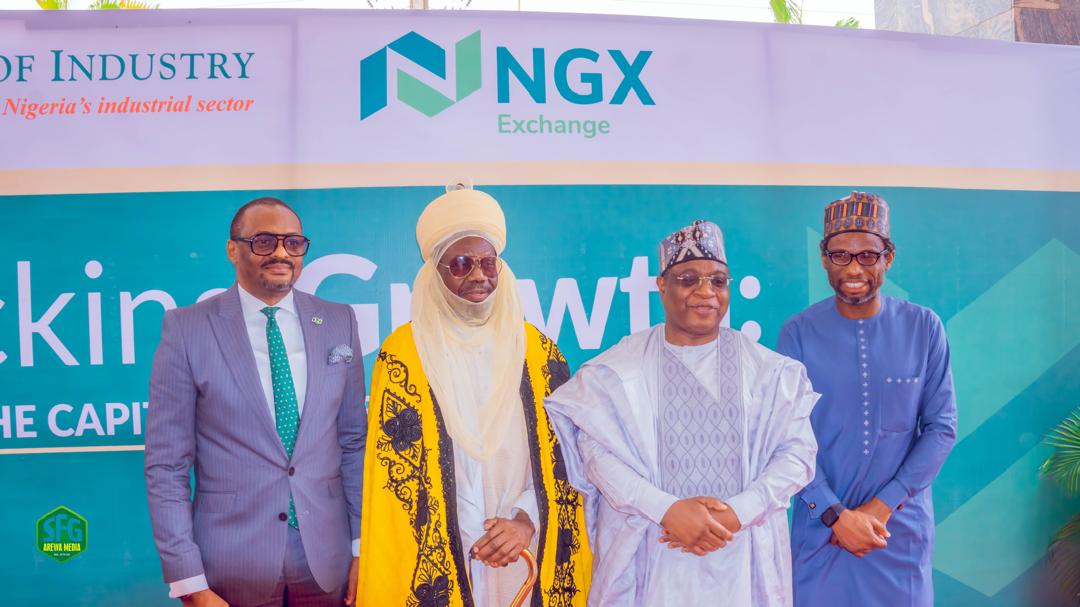
The chairman of the Nigerian Exchange (NGX) Group Plc, Mr Umaru Kwairanga, says enabling entrepreneurship requires more than access to funding.
He said this at a workshop held in Kano under the theme Unlocking Growth – Harnessing the Capital Market for SME Growth.
The event was organisation by the NGX in partnership with the Bank of Industry (BoI) as part of their financing advocacy.
Mr Kwairanga noted that the right institutional structures and market platforms are critical to unlocking sustainable growth.
“Kano provides a fitting backdrop for this engagement, not only as a historic commercial hub but as a gateway to significant untapped potential. The priority is to connect that potential to capital and the frameworks required for long-term growth,” he stated.
The programme was put together to integrate small and medium-sized enterprises (SMEs) into Nigeria’s formal capital market.
The Kano workshop follows the inaugural edition held in Lagos last year, signalling a more structured push by both institutions to bridge the gap between Nigeria’s SME ecosystem and long-term capital.
Participants were equipped with insights on financing pathways, governance structures, and long-term growth strategies within the capital market.
On his part, the chief executive of NGX Limited, Mr Jude Chiemeka, emphasised the central role of SMEs in strengthening market depth and resilience, noting that recent market performance continues to reflect investor confidence despite macroeconomic pressures.
“Through initiatives like this, we are demystifying the capital market and demonstrating that with the right structure and governance, SMEs can access capital to scale sustainably,” he said.
An Executive Director for MSME at BOI, Mr Oluwatoyin Ahmed Edu, said the bank remains focused on bridging financing gaps for businesses that may not yet meet listing requirements.
“Where viable enterprises require capacity building before accessing the market, BOI is positioned to provide the necessary support to prepare them for that transition,” he noted.
Delivering remarks on behalf of the Emir of Kano, Mr Shehu Muhammed Dankade highlighted the region’s strong entrepreneurial base, particularly the growing participation of women-led businesses, describing it as a signal of resilience and economic potential.
The workshop featured detailed presentations from NGX on listing requirements, corporate governance, and the use of the NGX Growth Board as a platform for raising long-term capital.
It also created space for direct engagement with SME operators across Northern Nigeria, offering insights into their challenges, growth ambitions, and readiness to access structured financing.
The initiative aligns with NGX Group’s broader strategy to position SMEs as a critical engine of economic growth, while strengthening the institutional pathways that enable businesses to transition from informal operations to investment-ready enterprises.

By Adedapo Adesanya
Nigeria’s inflation rate increased in March 2026 to 15.38 per cent from 15.1o per cent in February, data from the National Bureau of Statistics showed on Wednesday.
The Consumer Price Index (CPI) increased to 135.4 in March 2026, higher than the 130.0 in the preceding month by 5.4 points. The spike was likely stoked by the US-Israeli war on Iran, that’s pushed up the cost of fuel and has had a ripple effect in other areas.
At 15.38 per cent, the inflation numbers beat expectations of analysts at Meristem Research, which projected that the inflation rate in Nigeria for the month should come in at 13.59 per cent, after the price of crude oil on the global market soared as a result of the war in Iran, with prices of items growing in Nigeria.
The March 2026 headline inflation rate showed an increase of 0.32 per cent compared to the February 2026 headline inflation rate. However, on a month-on-month basis, the headline inflation rate in March 2026 was 4.18 per cent, which was 2.17 per cent higher than the rate recorded in February 2026 at 2.01 per cent.
This means that last month, the rate of increase in the average price level was higher than the rate of increase in the average price level a month earlier.
Food inflation rate in the review month stood at 14.31 per cent on a year-on-year basis versus 25.22 per cent in the same month of last year. However, on a month-on-month basis, the food inflation rate in March 2026 was 4.17 per cent, which is 0.52 per cent lower than the 4.69 per cent achieved in February 2026.
According to the stats office, “This can be attributed to the rate of change in the average prices of the following products: Yam, Ginger (Fresh), Cassava Tuber, Groundnuts (Shelled), Irish Potatoes, Avenger (Ogbono/Apon) – Dried Ungrinded, Tomatoes (fresh), Cassava Flour sold loose, etc.”
The average annual rate of food inflation for the twelve months ending March 2026 over the previous twelve-month average was 18.21 per cent, which was 17.81 per cent lower than the average annual rate of change recorded in March 2025 at 36.02 per cent.
On a year-on-year basis, in March 2026, the urban inflation rate was 14.64 per cent, and 3.16 per cent on a month-on-month basis, which is 0.61 per cent higher than the 2.55 per cent in February 2026.
As for the rural inflation rate, it was 17.22 per cent in the month under consideration and on a month-on-month basis, it stood at 6.73 per cent versus 0.71 per cent a month earlier.
By Adedapo Adesanya
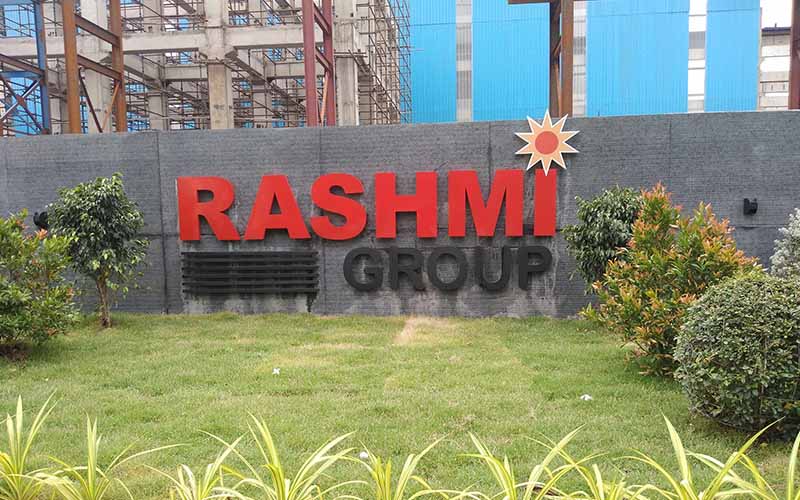
The federal government has signed a Memorandum of Understanding (MoU) with an Indian conglomerate, Rashmi Metaliks Group, to boost Nigeria’s steel production.
The agreement, signed by the Minister of Steel Development, Mr Shuaibu Abubakar Audu, on Tuesday in Kolkata, India, was for a projected investment of $1 billion over three years.
This followed the Minister’s tour of the steel plant in Kolkata, where he commended the scale of the operations and advanced technology deployed at the facility.
He also lauded the company’s integrated operations — spanning Direct Reduced Iron (DRI), pig iron, billets, and finished ductile iron pipes — describing them as a strong example of industrial efficiency and excellence in modern steel production.
According to the Minister, Nigeria’s proactive investment drive is already attracting significant global capital.
He noted that the MoU signed with the company represents a major milestone in Nigeria’s efforts to reposition the steel sector, reaffirming President Bola Tinubu’s commitment to revitalising the industry, creating employment opportunities, and conserving foreign exchange through strategic import substitution.
He added that the efficiency of the facility underscored the importance of value addition, innovation, and sustainability in modern steel production, emphasising that the visit further reflected the strengthening economic ties between Nigeria and India in the areas of steel, mining, and manufacturing.
In signing the MoU, Audu highlighted Nigeria’s vast steel potential, noting that the country is transitioning from a raw minerals exporter to a value-adding industrial economy.
He disclosed that Nigeria possesses well over 3 billion tonnes of iron ore reserves, with some deposits grading as high as approximately 67 per cent iron content (Fe), while domestic steel consumption is estimated at about $10 billion annually.
He said that Nigeria aims to become a leading steel hub in Africa under President Tinubu’s Renewed Hope Agenda, which targets crude steel production of approximately 10 million tonnes per annum by 2030.
This is evidenced by recent Foreign Direct Investments in the sector, including a $400 million Stellar Steel plant in Ewekoro, Ogun State and a Chinese-Nigerian joint venture for a modern hot-rolled coil steel plant scheduled to commence operations by November 2026.
Also, African Industries Group (AIG) is completing a fully integrated iron-and-steel plant at Gujeni in Kaduna State. The company has invested $300 million in the Direct Reduced Iron (DRI) and steel unit of the project, and the galvanising and fabrication plant in Ikorodu, Lagos, which was recently commissioned by the Minister.
Energy infrastructure is also being developed to support the growth of the industry. The Nigerian National Petroleum Company (NNPC) Limited, the Ministry of Steel Development, and their partners recently broke ground on five mini-LNG plants in Ajaokuta, Kogi State — a $500 million project aimed at boosting gas supply to the steel industry, with a combined capacity of approximately 97 million standard cubic feet per day.
Mr Audu used the visit to invite additional Indian investors to explore opportunities within Nigeria’s steel sector.
He highlighted prospects for establishing integrated steel plants in Nigeria, deploying Direct Reduced Iron and electric-arc furnace technologies, and developing full value chains for automotive, construction, and infrastructure steel.
He further assured prospective investors that the Nigerian Government remains committed to providing an enabling environment through policy stability, fiscal incentives, and ongoing ease-of-doing-business reforms aimed at protecting investments.
“We are open to credible investors willing to partner with us for mutual growth,” the Minister said.
On his part, the Vice Chairman of Rashmi Metaliks Group, Mr Sunil Kumar Patwari, on behalf of the company, expressed appreciation to the Nigerian delegation for the successful visit to their facilities in Kolkata.
He emphasised that the visit reflects the priority placed on the partnership by the Nigerian Government and assured that, with the necessary support from the Nigerian government, Rashmi Group is committed to delivering on the projects envisioned in the MoU.
-
 Feature/OPED6 years ago
Davos was Different this year
-
Travel/Tourism10 years ago
Lagos Seals Western Lodge Hotel In Ikorodu
-

 Showbiz3 years ago
Estranged Lover Releases Videos of Empress Njamah Bathing
-
 Banking8 years ago
Sort Codes of GTBank Branches in Nigeria
-

 Economy3 years ago
Subsidy Removal: CNG at N130 Per Litre Cheaper Than Petrol—IPMAN
-

 Banking3 years ago
Sort Codes of UBA Branches in Nigeria
-

 Banking3 years ago
First Bank Announces Planned Downtime
-

 Sports3 years ago
Highest Paid Nigerian Footballer – How Much Do Nigerian Footballers Earn