
Economy
Investors’ Persistent Buying Interests Drive NGX Index Higher by 0.02%


By Dipo Olowookere
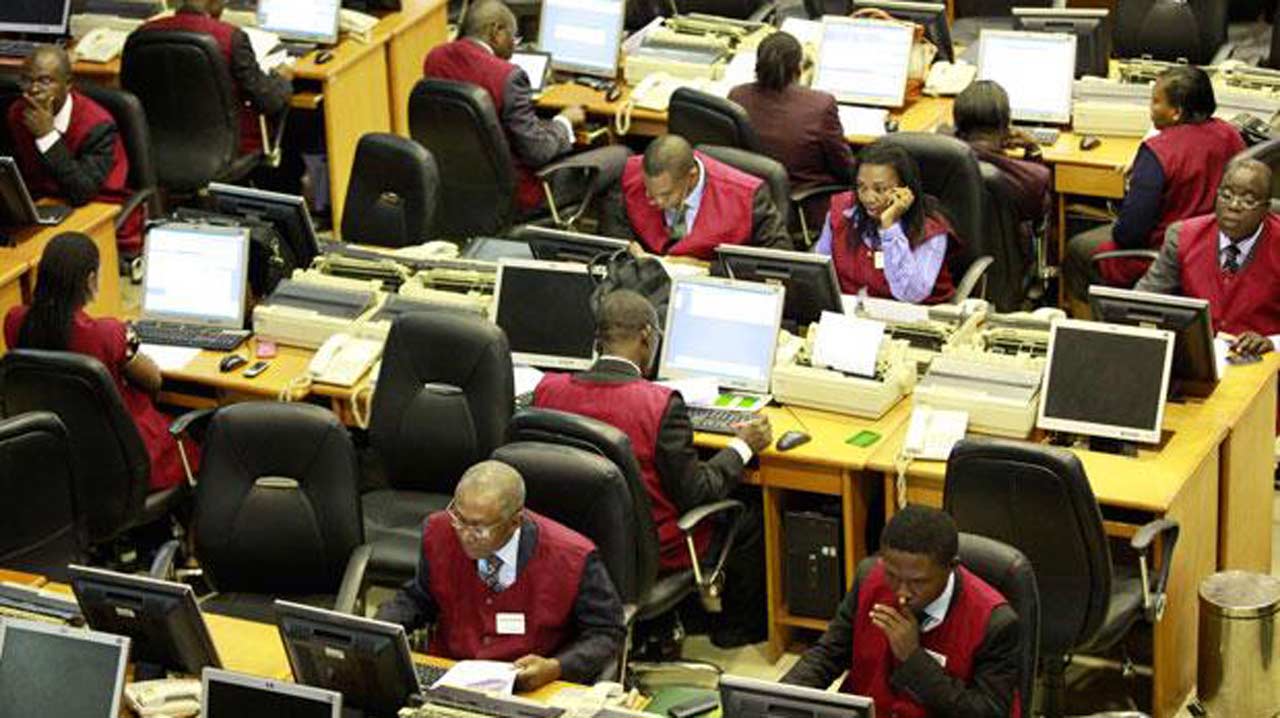
The persistent buying interests of investors on the floor of the Nigerian Exchange (NGX) Limited ensured that the upward trajectory of the bourse was maintained by 0.02 per cent on Wednesday.
Bargain-hunting activities were seen around the industrial goods and the insurance sector during the session, with a pocket of buying pressure on tickets in the banking and consumer goods spaces.
According to data obtained by Business Post, the insurance and industrial goods counters appreciated by 0.86 per cent and 0.07 per cent apiece, while the banking, consumer goods and energy sectors finished lower by 0.08 per cent, 0.06 per cent, and 0.05 per cent, respectively.
When the market closed for the session, the All-Share Index (ASI) was up by 11.35 points to 54,507.66 points from 54,496.31 points, and the market capitalisation rose by N6 billion to N29.689 trillion from N29.683 trillion.
Investor sentiment was strong in the midweek session as the market breadth was positive after recording 20 appreciating stocks and 16 depreciating stocks.
Tripple Gee maintained its positive momentum by topping the gainers’ chart, with a price appreciation of 10.00 per cent to settle at N1.65. Linkage Assurance grew by 7.14 per cent to 45 Kobo, Consolidated Hallmark Insurance rose by 4.62 per cent to 68 Kobo, Ikeja Hotel expanded by 4.00 per cent to N1.04, and FTN Cocoa increased by 3.57 per cent to 29 Kobo.
On the flip side, Sovereign Trust Insurance topped the losers’ log after it fell by 6.67 per cent to 28 Kobo, Japaul lost 6.67 per cent to close at 28 Kobo, NASCON depreciated by 3.57 per cent to N10.80, Chams shed 3.45 per cent to 28 Kobo, and FCMB shrank by 3.26 per cent to N4.45.
Investors transacted 133.5 million shares worth N4.4 billion in 2,905 deals compared with the 177.9 million shares worth N5.7 billion in 3,617 deals traded a day earlier, indicating a decline in the trading volume, value and the number of deals by 24.40 per cent, 22.81 per cent, and 19.68 per cent, respectively.
GTCO was the most active stock yesterday as it sold 42.4 million units, UBA exchanged 13.1 million units, AIICO Insurance traded 6.7 million units, FBN Holdings transacted 6.4 million units, and Access Holdings traded 5.5 million units.









By Adedapo Adesanya
The Nigerian Electricity Regulatory Commission (NERC) has issued a directive to ensure transparency in reporting the Regional Electricity Transmission Loss Factor, as it remains above the 7 per cent threshold.
In a public notice posted on its official X (formerly Twitter) on Monday, the order, contained in No. NERC/2026/026 is aimed at improving transparency and efficiency in Nigeria’s power grid through enhanced reporting of Regional Transmission Loss Factors (TLF).
The regulator disclosed that the order is backed by the provisions of the Electricity Act 2023, which enables the commission to regulate, monitor, and ensure efficiency in the power sector.
According to the statement, the Data from the Nigerian Independent System Operator (NISO) indicate that the national average TLF was 8.71 per cent in 2024 but was reduced to 7.24 per cent in 2025.
The statement added that the report exceeds the 7 per cent benchmark approved by NERC in the Multi-Year Tariff Order (MYTO).
The statement reads, “The Order dated 8 April 2026 establishes a formal framework for reporting transmission losses across regions operated by the Transmission Company of Nigeria (TCN).
“Taking effect from 13 April 2026, the Order is backed by provisions of the Electricity Act 2023, which empower NERC to regulate, monitor, and ensure efficiency in the electricity market.”
The directive reads, “NISO to install smart meters at all boundary regional interconnection points by December 2026 to accurately measure energy flows for each region of the transmission network.
“NISO to measure and document all energy flow of power transformers at transmission substations.
“NISO to file quarterly reports on TLF to NERC on a regional basis.”
It added, “TCN to file an action plan by July 2026 on the reduction of TLF to a value within the 7 per cent approved benchmarks in the regions.
“TCN to ensure that TLF across transmission regions shall not exceed 6.5 per cent by December 2026.”
NERC concluded that the order is designed to strengthen accountability in transmission operations and support better grid performance through structured loss reporting.
By Adedapo Adesanya
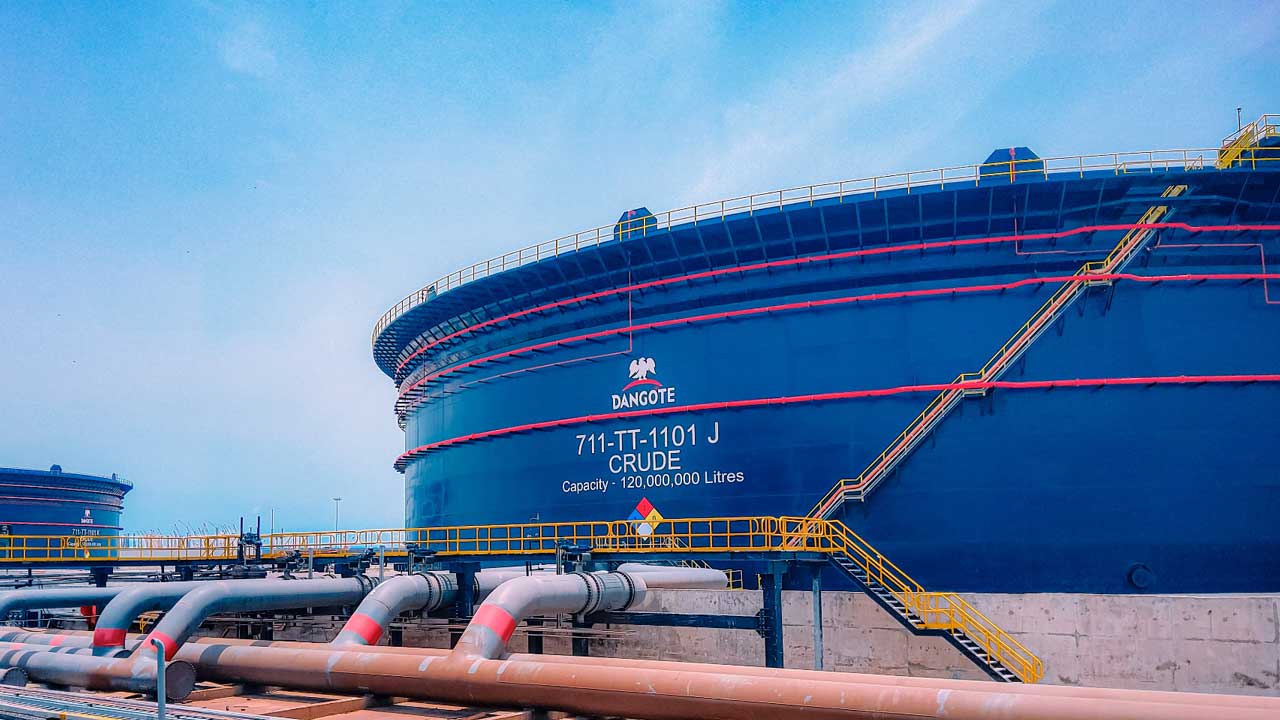
Nigerian businessman, Mr Aliko Dangote, is planning to list shares of his $20 billion oil refinery on multiple African stock exchanges.
The landmark cross-border public offering on the continent was disclosed by the chief executive of the Nairobi Securities Exchange (NSE), Mr Frank Mwiti, following a meeting held last week in Lagos between Mr Dangote and several heads of African exchanges.
Last year, Mr Dangote unveiled plans to list a 10 per cent stake in his Lagos-based refinery on the Nigerian Exchange this year.
According to a Bloomberg report, citing an email from the chief executive of FirstCap, Mr Ukandu Ukandu, Stanbic IBTC Capital Limited, Vetiva Advisory Services Limited, and FirstCap Limited have been appointed as advisers for the initial public offering of Dangote Petroleum Refinery and Petrochemicals FZE.
Mr Mwiti said the proposed listing is designed to cut across multiple markets and deepen investor participation across the continent.
“The plan is to structure a pan-African IPO,” he said.
Bloomberg also reported that a spokesman for the Dangote Group confirmed that discussions had taken place between Mr Dangote and exchange officials but declined to provide further details.
In February 2026, Mr Dangote said that the IPO could be launched within the next five months.
“But individually Nigerians too will have an opportunity in the next maximum four or five months, they will actually be able to buy their shares,” he said at the time.
He added that investors would have flexibility in how they receive returns.
“People will have a choice either to get their dividends in naira or to get their dividends in dollars because we earn in Dollars.”
By Dipo Olowookere
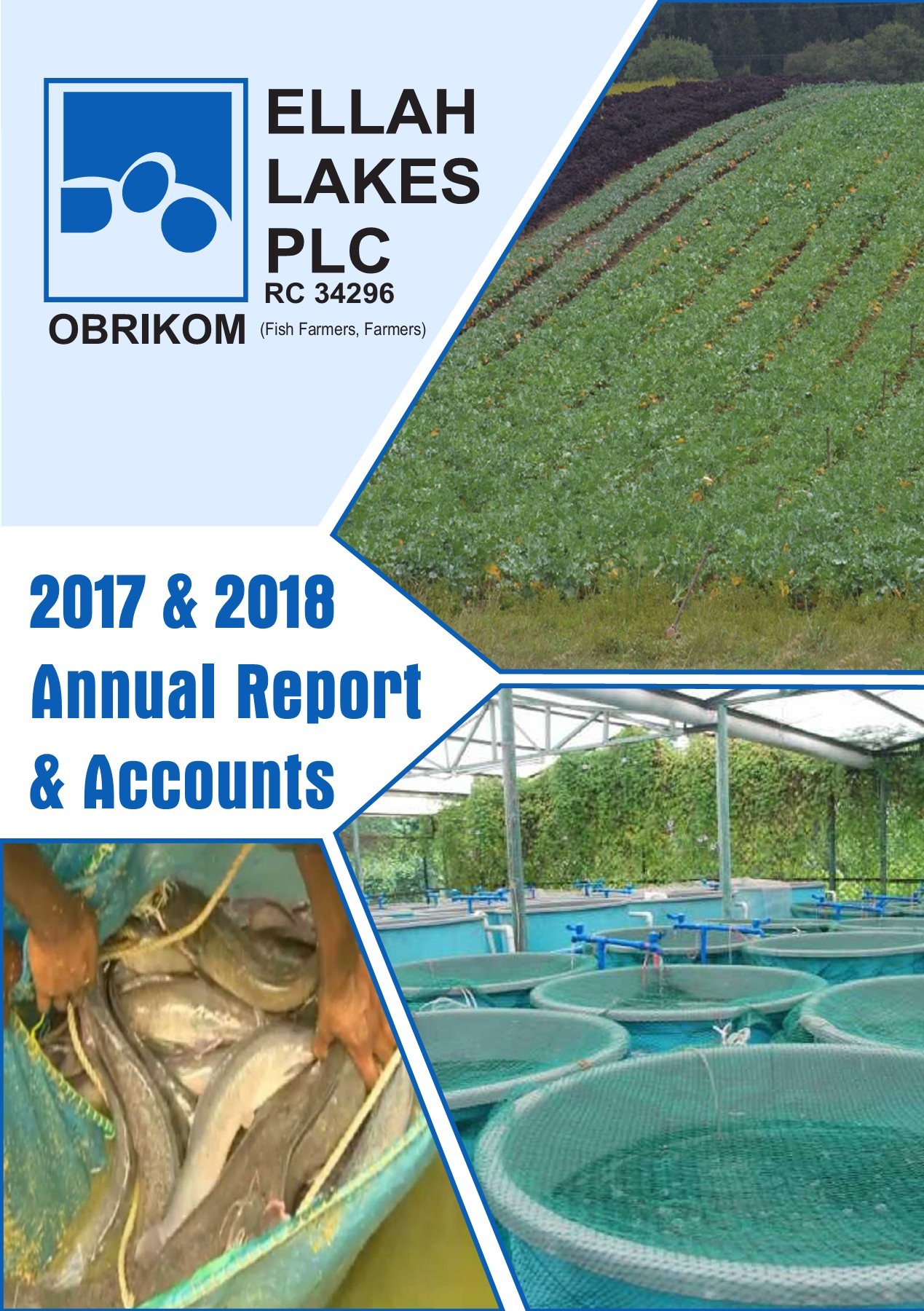
Efforts are being made to ensure the throughput of Ellah Lakes Plc is increased to deliver long-term value for shareholders, the chief executive of the organisation, Mr Chuka Mordi, has said.
Mr Mordi was reacting to the audited 17-month financial statements of the firm ended December 31, 2025, as it transitions to a December financial year-end to enhance comparability with industry peers.
This action is also to strengthen reporting discipline and align financial reporting with the agricultural operating cycle, from planting through harvest and processing, providing a more accurate reflection of the company’s operational performance.
In the period under review, Ellah Lakes recorded N146.66 million in revenue, driven by initial harvests and sales of Fresh Fruit Bunches (FFBs), with the cash flows supporting operational stability as larger assets continue to mature.
However, the company suffered an operating loss of N3.84 billion, as the earnings per share (EPS) closed with a N1 loss.
Between July 2024 and December 2025, the organisation achieved a key operational milestone, with the commissioning of its upgraded 5-tonnes-per-hour crude palm oil mill in July 2025, strengthening its ability to process output internally and capture more value across its palm oil value chain as plantation maturity improves.
Also, it planted 17,000 seedlings and maintained 47,000 seedlings in the nursery, as part of a broader planting programme, supporting Ellah Lakes’ medium-term production pipeline and providing a stronger foundation for future output as more hectares move into productive phases.
“The 17-month period marks an important transition for Ellah Lakes as we progress from asset development into early-stage commercial operations.
“During the period, we commissioned our upgraded crude palm oil mill, advanced plantation development, and commenced pig farming activities, marking the beginning of revenue generation across our core value chains.
“While our reported results reflect the cost of expansion, start-up activities and non-recurring transaction-related expenses, they also establish the operational foundation required to scale the business.
“Our focus now is on improving yields from maturing plantations, increasing processing throughput, and driving greater efficiency across our operations. We remain committed to disciplined execution and capital stewardship as we work towards translating our asset base into stronger operating performance and long-term value for shareholders,” Mr Mordi stated.
-
 Feature/OPED6 years ago
Davos was Different this year
-
Travel/Tourism10 years ago
Lagos Seals Western Lodge Hotel In Ikorodu
-

 Showbiz3 years ago
Estranged Lover Releases Videos of Empress Njamah Bathing
-
 Banking8 years ago
Sort Codes of GTBank Branches in Nigeria
-

 Economy3 years ago
Subsidy Removal: CNG at N130 Per Litre Cheaper Than Petrol—IPMAN
-

 Banking3 years ago
Sort Codes of UBA Branches in Nigeria
-

 Banking3 years ago
First Bank Announces Planned Downtime
-

 Sports3 years ago
Highest Paid Nigerian Footballer – How Much Do Nigerian Footballers Earn