

Economy
It’s Too Late to Remove Fuel Subsidy Now—Lai Mohammed

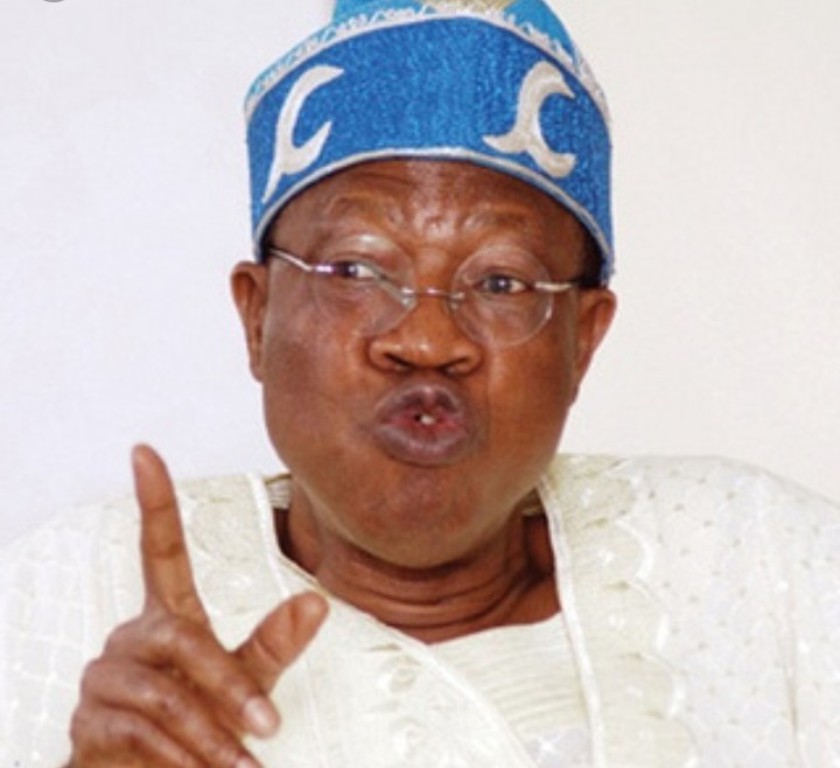
By Adedapo Adesanya
The Minister of Information and Culture, Mr Lai Mohammed, has posited that it would be the wrong time to remove fuel subsidy at the moment, noting that many other nations are introducing measures to help citizens cope with high oil energy prices.
Nigeria, which is Africa’s largest crude oil exporter, still has to import almost all its fuel needs due to the lack of refining capacity.
Earlier this year, President Muhammadu Buhari-led administration scrapped plans to abolish fuel subsidies, a move that will gulp about N4 trillion.
“When you consider the chaos, the social disharmony and … instability such an action (of abolishing subsidies) would facilitate, is it worth it? I don’t think so,” Mr Lai Mohammed said in a wide-ranging interview with Reuters.
This is happening as the prices of fuel are rising with consumers buying as high as N185 per litre at the pump amid a current scarcity across the nation.
Recently, Business Post reported that about $1 billion in revenue were lost to crude oil theft in the first quarter of this year.
Mr Mohammed said the Petroleum Industry Act that allocates money to oil-producing communities would stop attacks and blamed the European Union’s climate change policies for stifling investment in the sector.
“We believe that climate change is real and important for emission control, but there is a bit of double standard in the EU policy regarding climate change,” he said.
“We are leaving the country much more secure than we met it,” Mr Mohammed said, noting progress made against Boko Haram since 2015.”
He also called upon the Western countries to declare the Indigenous People of Biafra (IPOB), which campaigns for part of southeast Nigeria to secede, a terrorist group.
Asked if Nigerian security forces had killed any innocent people in the country’s southeast during its campaign against IPOB, Mr Mohammed said, “not deliberately”.
Mr Mohammed said he would demand the return of hundreds of priceless sculptures known as the Benin Bronzes when he met with the director of the British Museum later on Monday after Germany returned the first two of more than 1,100 last week.
“I will be telling them that time is running out to return our stolen artefacts,” he said though he does not expect a result immediately. He disclosed that “it’s about when [and] not if.”


