
Economy
Naira Sells N1,434.8/$1 at NAFEM, N1,450/$1 at Parallel Market

By Adedapo Adesanya
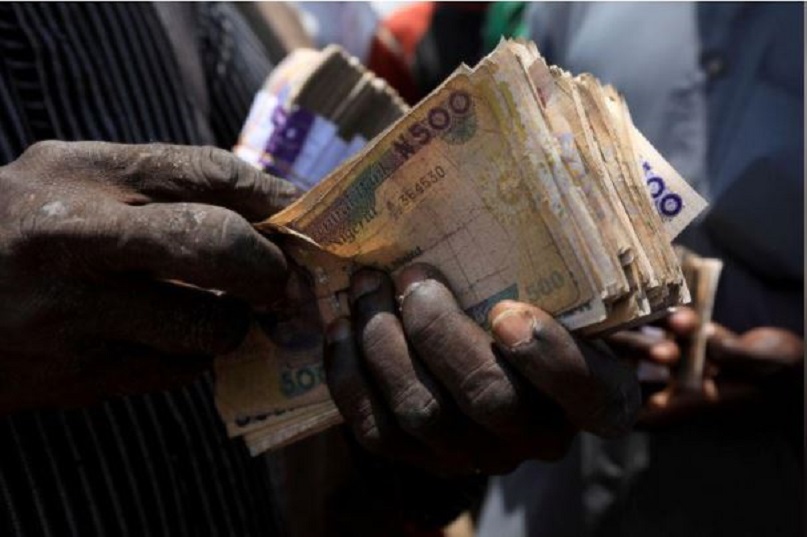
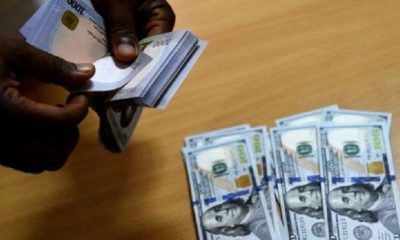
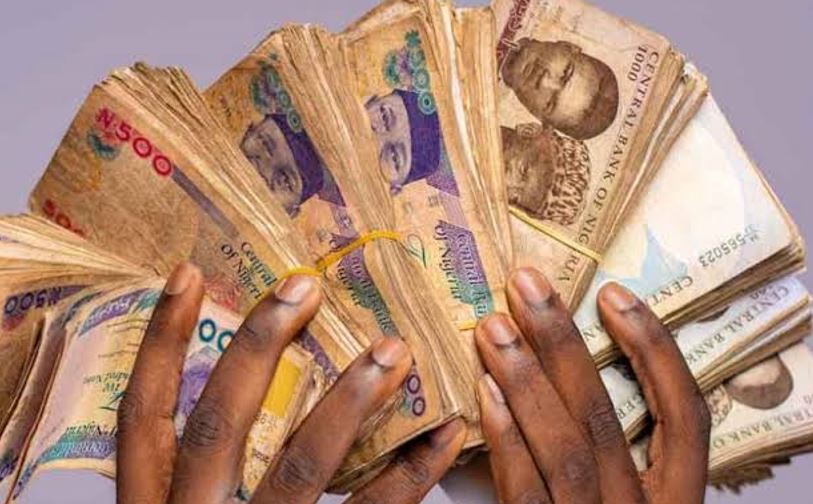
Jitters in the foreign exchange (FX) market eased on Tuesday as the Naira appreciated against the US Dollar and other currencies in the Nigerian Autonomous Foreign Exchange Market (NAFEM).
In the official market, the local currency gained N1.49 or 0.10 per cent against the greenback to close at N1,434.85/$1, in contrast to the N1,436.34/$1 it was traded on Monday.
Also, the domestic currency improved its value against the Pound Sterling in the spot market by N22.11 to settle at N1,873.36/£1 versus the previous day’s N1,885.77/£1 and firmed up against the Euro by N4.95 to finish at N1,648.42/€1 compared with the previous session’s N1,653.37/€1.
However, the Nigerian Naira weakened against the Dollar in the parallel market yesterday by N5 to sell for N1,450/$1 compared with the preceding day’s N1,445/$1 and lost N3 against the American currency at the GTBank forex counter to end at N1,443/$1 versus N1,440/$1.
Worries about plans by President Trump to carry out a military action in Nigeria and cut aid and assistance to Nigeria faded with the Nigerian government assuring confidence in the country’s sovereignty.
Optimism about the Naira also shielded any externalities with projected increase in inflows from exporters, non-bank corporate, individuals and foreign investors, becoming reality.
Also, Nigeria’s external reserves, which provide the Central Bank of Nigeria (CBN) with the capacity to support the Naira, have remained steady growth, rising to $43.25 billion as of November 3, 2025.
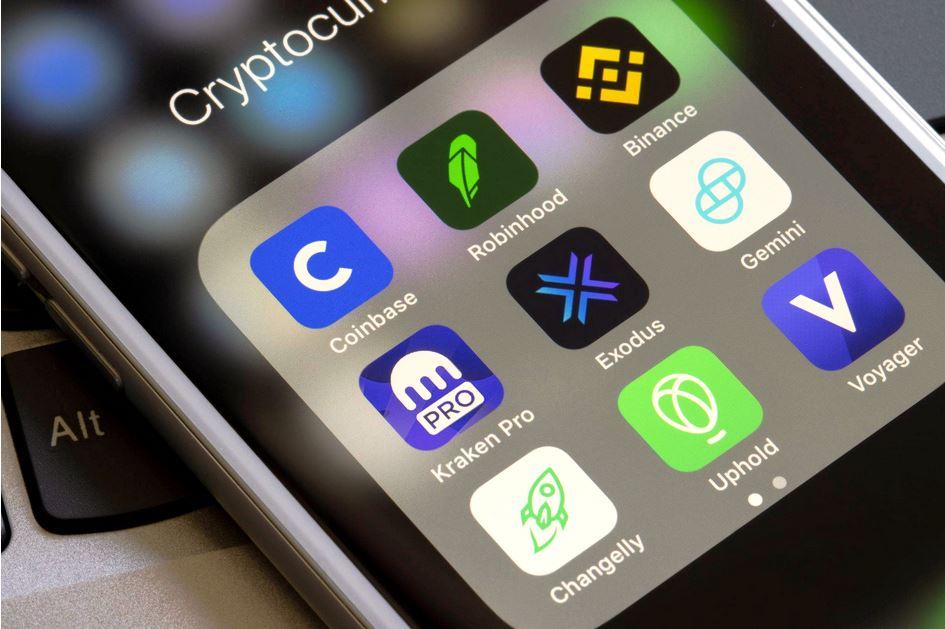
As for the digital currency market, it was down as investors’ sentiments remained negative in the crypto market amid forced liquidations and macroeconomic concerns. Over the last 24 hours, over $2 billion in futures contracts were liquidated, with long traders suffering the majority of losses.
Liquidations occur when traders using borrowed funds are forced to close their positions because their margin falls below required levels, with Ethereum (ETH) depleting by 5.2 per cent to $3,324.61 and Bitcoin (BTC) down by 2.6 per cent to $101,807.43.
Ripple (XRP) slumped by 1.6 per cent to $2.23, Cardano (ADA) depreciated by 1.4 per cent to $0.5325, Binance Coin (BNB) slid by 1.1 per cent to $943.90, Solana (SOL) shrank by 1.1 per cent to $157.90, and Dogecoin (DOGE) fell by 0.2 per cent to $0.1646.
However, Litecoin (LTC) recouped 0.1 per cent to trade at $86.76, while the US Dollar Tether (USDT) and the US Dollar Coin (USDC) traded flat $1.00 each.






By Adedapo Adesanya
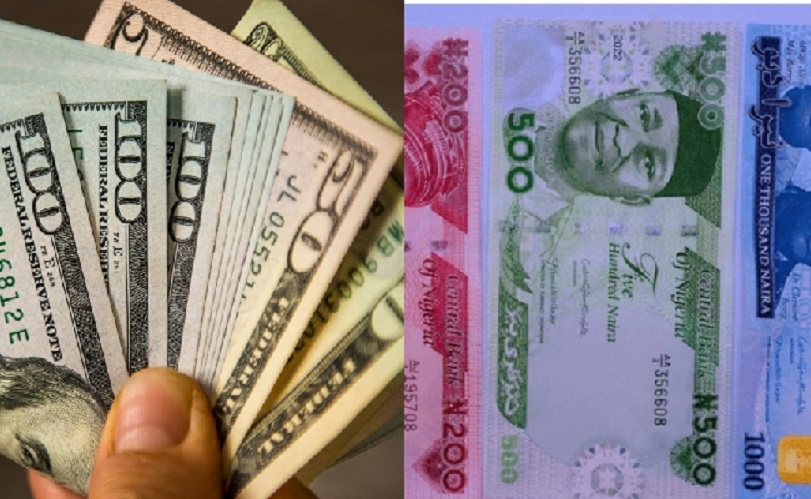
The Senate has approved President Bola Tinubu’s fresh request for a $6 billion external loan to support key national priorities.
The approval came on Tuesday, March 31, 2026, after the Senate considered a report presented by Senator Aliyu Wamakko, Chairman of the Senate Committee on Local and Foreign Debts.
The request was contained in two separate letters from the President, read during plenary.
According to Mr Tinubu, out of the $6 billion, the lion’s share of $5 billion is a Structured Total Return Swap (TRS) external financing programme offered by the First Abu Dhabi Bank, to be released in tranches.
The remaining $1 billion is an export finance facility from the United Kingdom, arranged by Citibank, specifically for the reconstruction and rehabilitation of the Lagos Port Complex and Tin Can Island Port.
The facilities are intended to support the implementation of the national budget, funding priority infrastructure projects, and refinancing existing domestic and external debts.
The President also said the loan will help the country to meet urgent financial obligations, noting that the phased drawdown of the borrowing will help ease pressure on debt servicing.
The Senate also approved the issuance of Naira-denominated federal government securities as collateral and the payment of margin obligations in US Dollars.
Earlier, it was reported that President Tinubu sought the red chamber’s approval for a significant upward review of the 2026 budget, proposing an additional N9 trillion to the Appropriation Bill.
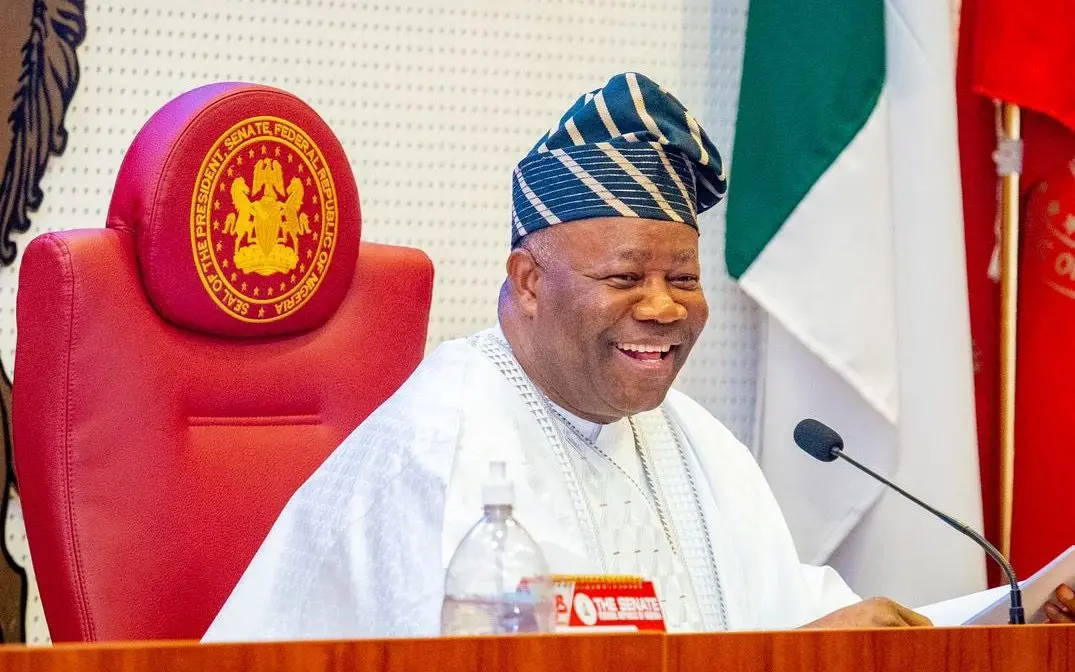
The request, conveyed in a letter read on the Senate floor during Tuesday’s plenary by the Senate President, Mr Godswill Akpabio, would increase the budget size from the initial N58.47 trillion to N67.47 trillion.
According to the President, the proposed adjustment is aimed at strengthening fiscal transparency and ensuring more effective implementation of priority national programmes.
The development raises fresh worries about Nigeria’s debt portfolio, which has risen considerably within the three years of the Tinubu-led administration.

By Aduragbemi Omiyale
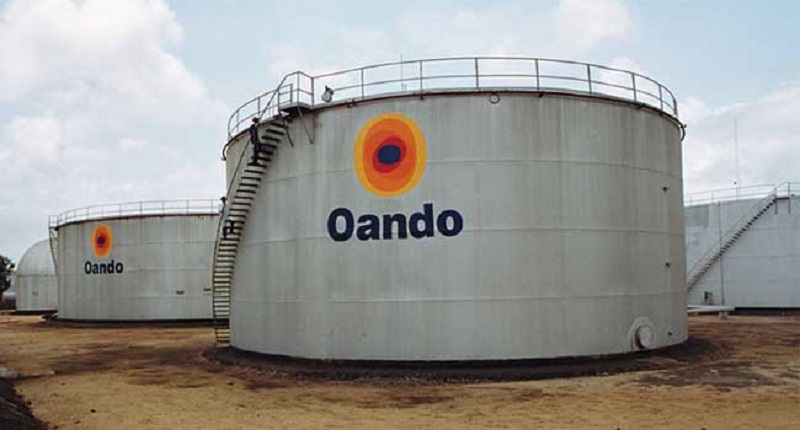
A production sharing contract (PSC) for Block KON 13 has been signed between Oando Plc and the Angolan National Agency for Petroleum, Gas and Biofuels (ANPG).
With a 45 per cent participating interest, Oando’s wholly owned subsidiary, Oando Exploration and Production Angola Ltd, will serve as operator of the block.
The other partners in the consortium are Effimax Energy – Serviços, Lda (30 per cent), Sonangol Exploração & Produção (15 per cent), and Walcot Ltd (10 per cent).
Block KON 13 is located in the onshore Kwanza Basin, Angola. It has two exploration wells previously drilled to a total depth of 3,000m, with oil shows encountered in one well across various depths.
The addition of Block KON 13 further bolsters the energy firm’s upstream portfolio and underscores its commitment to driving regional growth and energy security.
Recall that before now, Oando acquired the assets of Nigerian Agip Oil Company Limited as part of its expansion strategy.
The latest addition solidifies the company’s strategic entry into the Angolan oil and gas sector and represents a significant step in its long-term vision to grow its upstream operations across Africa. It also represents its first operated international upstream joint venture and further strengthens its position as a prominent player in the continent’s energy landscape.
“The execution of this PSC advances our geographic footprint across Africa and reaffirms the commitment to excellence and execution we have repeatedly demonstrated on the continent.
“We bring proven technical expertise to this asset and a clear mandate to create value for our partners and advance Angola’s energy ambitions for the benefit of the continent.
“We look forward to working with ANPG, our co-venturers, and key stakeholders in moving from agreement to action,” the chief executive of Oando, Mr Wale Tinubu, said.
Oando, through its upstream businesses, holds interests in 14 oil and gas assets spanning exploration, development, and production activities, both onshore and offshore, in Nigeria and São Tomé and Príncipe.
By Adedapo Adesanya
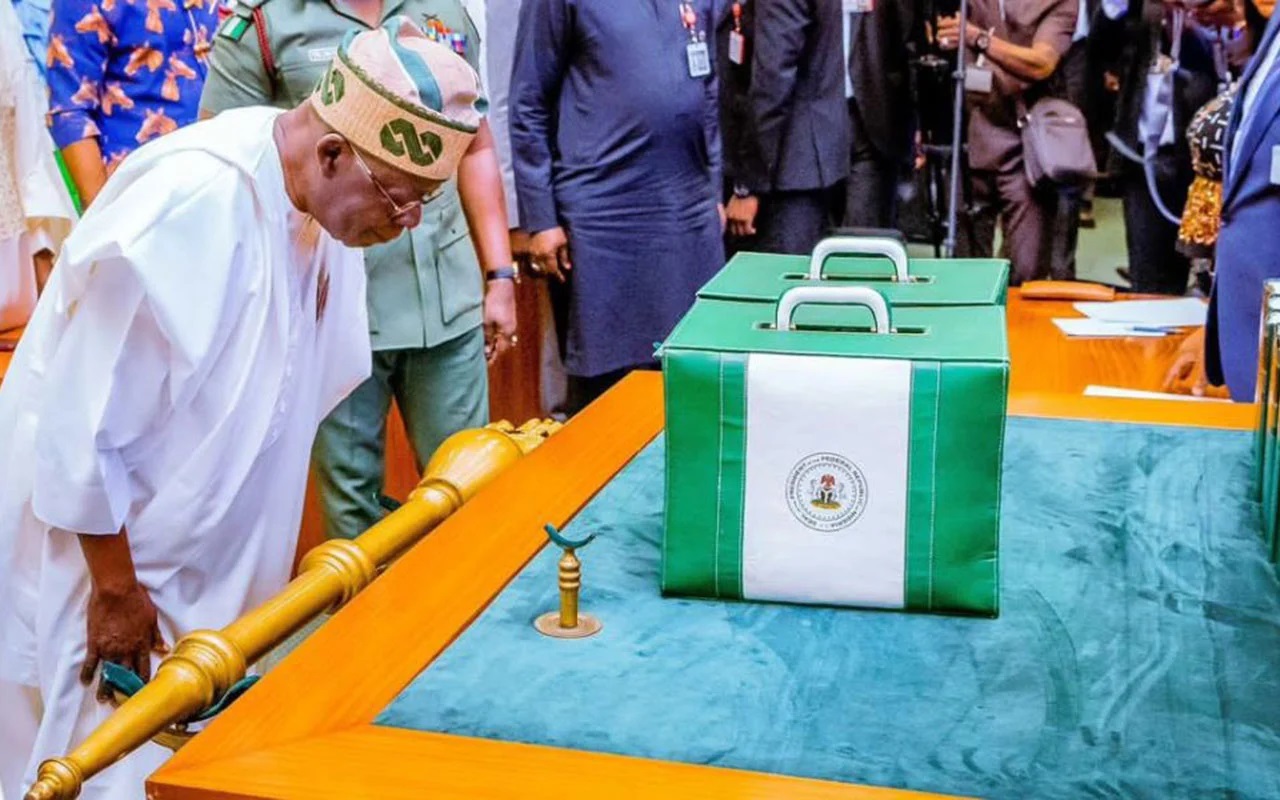
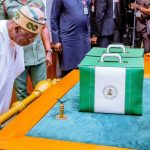
President Bola Tinubu is seeking Senate approval for a significant upward review of the 2026 budget, proposing an additional N9 trillion to the Appropriation Bill.
The request, conveyed in a letter read on the Senate floor during plenary by the Senate President, Mr Godswill Akpabio, would increase the budget size from N58.47 trillion to N67.47 trillion.
According to the President, the proposed adjustment is aimed at strengthening fiscal transparency and ensuring more effective implementation of priority national programmes.
He said the increase will first address outstanding legal commitments carried over from previous appropriation cycles, preventing them from affecting the execution of the 2026 budget.
The proposal also seeks to consolidate existing government debt within the fiscal framework, while making provisions for a limited number of strategic and priority projects.
President Tinubu added that the revised financing plan is designed to preserve macro-fiscal stability and ease pressure on the domestic financial market.
The Senate is expected to consider the request in the coming days.
In December, the President presented the N58.47 trillion 2026 budget proposal to a joint session of the National Assembly, outlining the government’s priorities anchored on economic stability, infrastructure expansion, security and social investment.
The budget was hinged on assumptions including oil production of 1.84 million barrels per day, an oil price benchmark of $64.85 per barrel, and an exchange rate assumption of N1,400 to the Dollar.
Following the presentation, the Senate passed the appropriation bill for first and second readings, paving the way for detailed consideration by relevant committees.








-
 Feature/OPED6 years ago
Davos was Different this year
-
Travel/Tourism10 years ago
Lagos Seals Western Lodge Hotel In Ikorodu
-

 Showbiz3 years ago
Estranged Lover Releases Videos of Empress Njamah Bathing
-
 Banking8 years ago
Sort Codes of GTBank Branches in Nigeria
-

 Economy3 years ago
Subsidy Removal: CNG at N130 Per Litre Cheaper Than Petrol—IPMAN
-

 Banking3 years ago
Sort Codes of UBA Branches in Nigeria
-

 Banking3 years ago
First Bank Announces Planned Downtime
-

 Sports3 years ago
Highest Paid Nigerian Footballer – How Much Do Nigerian Footballers Earn