

Economy
Nigeria’s Budget Too Small to Achieve $1trn GDP Target by 2030—Bagudu

By Aduragbemi Omiyale
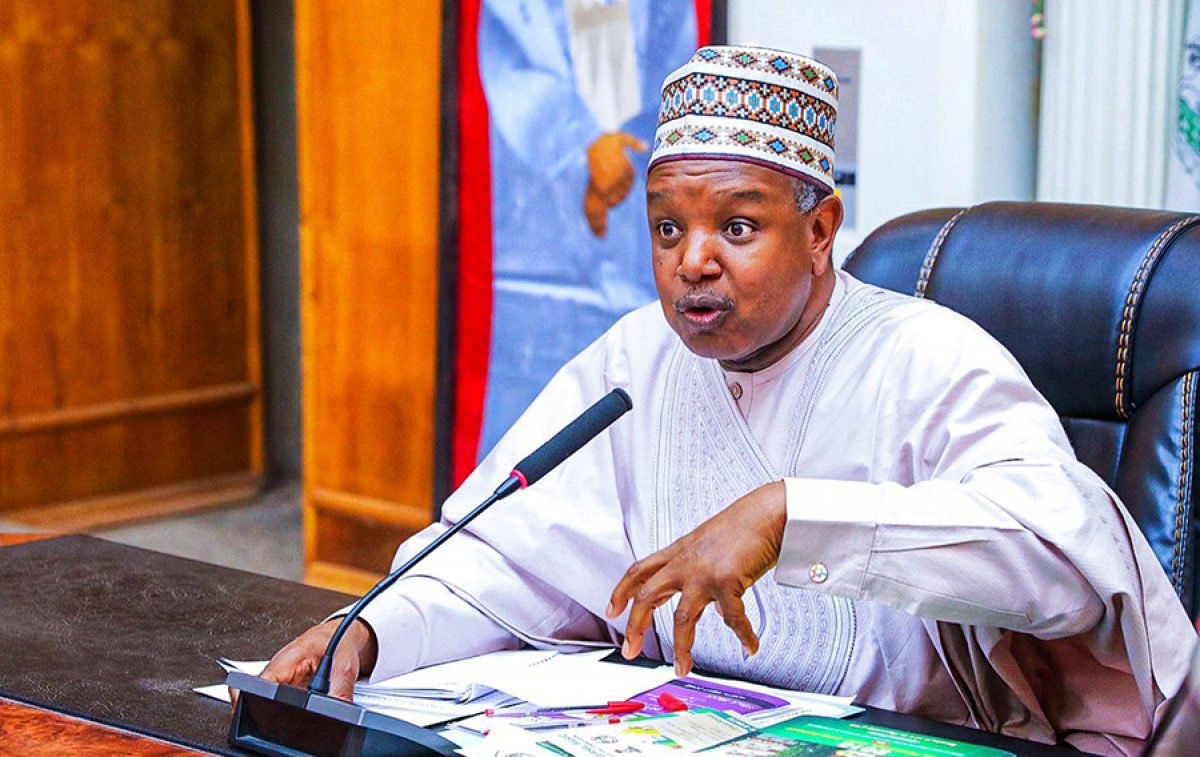
If Nigeria is to grow its economy to $1 trillion by 2030, the budget size must be made bigger than its current size, the Minister of Budget and Economic Planning, Mr Abubakar Bagudu, has submitted.
At the 2026 Senate Press Corps Workshop in Abuja on Monday, the Minister lamented that the country’s budget is among the smallest among the world’s 10 most populous countries.
According to him, it will be difficult for any government to achieve any meaningful development with the current national budget size.
He stated that, “The national budget should understandably be a product of that imagination,” arguing that countries that successfully transformed their economies had made deliberate choices to move beyond their existing limitations.
Mr Bagudu also noted that the debate over the national budget should, therefore, go beyond allegations of unlawful insertions and focus on a more fundamental question of what Nigeria’s national budget should be, and what level of resources the country requires to achieve its development ambitions.
The Minister tasked the media to take a more active role in explaining Nigeria’s fiscal position to citizens and interrogating how other countries had expanded their economies.
Also at the gathering, the Civil Society Legislative Advocacy Centre (CISLAC) raised fresh concerns over Nigeria’s budget process, citing an Independent Corrupt Practices and other related offences Commission (ICPC) analysis, which flagged 4,508 projects worth about N434.5 billion as inserted or padded in the 2022 budget.
It called for every major budget item to have a clear public purpose, credible costing, project location, identified beneficiaries, a responsible ministry or agency and measurable expected results, tasking lawmakers to check whether proposed projects fall within the mandate of the ministry, department or agency expected to implement them.
In the same vein, the BudgIT Foundation appealed to the National Assembly to move away from budget insertion and adopt evidence-based scrutiny that links public spending to development plans, previous performance and citizens’ needs.
It proposed six tests for every budget item: its alignment with national and sector plans, previous performance, potential duplication, costing, audit findings, and evidence of citizens’ needs.


