
Economy
Nigeria’s Trade Surplus Falls 10.4% to N6.7trn in Q3 as Import Jumps

By Adedapo Adesanya
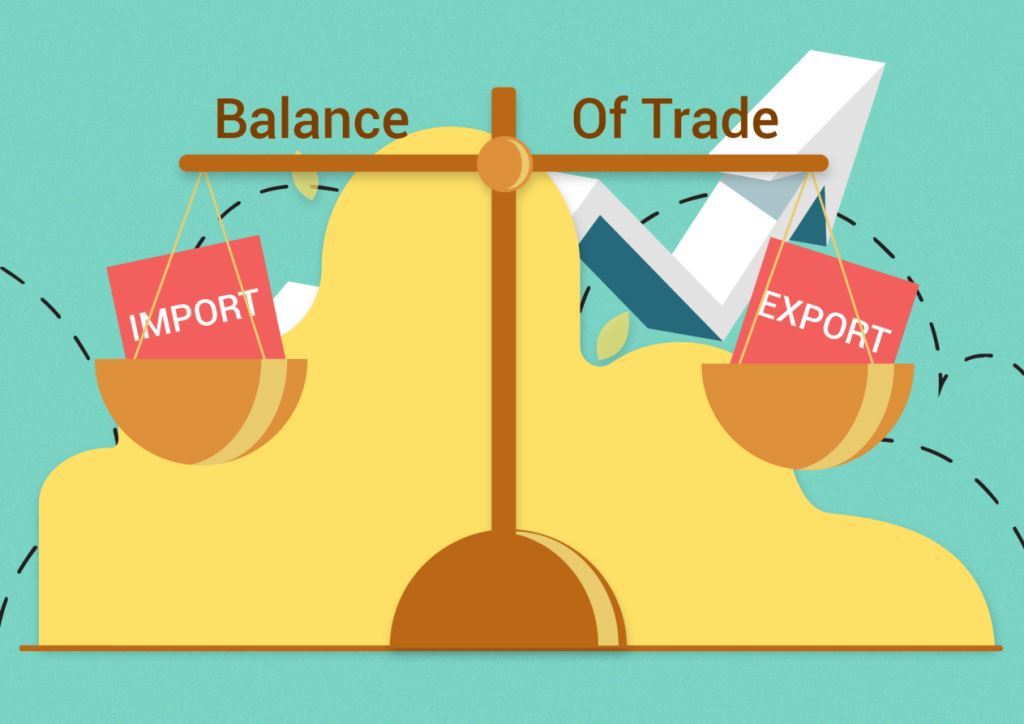
Nigeria’s trade surplus, which measures the difference between export and imports, fell 10.4 per cent to N6.7 trillion in the third quarter of 2025 as import increased, the latest data by the National Bureau of Statistics (NBS) shows.
The Foreign Trade in Goods Statistics (Q3 2025) Report showed that Nigeria’s total merchandise trade stood at N38.94 trillion in Q3 2025, representing an increase by 2.4 per cent compared to the value recorded in Q2 2025 (N38.04 trillion).
Total exports in the period under-review were valued at N22.81 trillion, reflecting a 11.1 per cent rise compared to N20.54 trillion in the corresponding quarter of 2024 and a 0.3 per cent increase when compared to N22.75 trillion in Q2 2025. The value of total imports stood at N16.12 trillion in the same period, representing a 5.5 per cent increase from the value recorded in the corresponding quarter of 2024 (N15.28 trillion) and a 5.5 per cent increase compared to the value recorded in Q2, 2025 (N15.29 trillion).
This happened even after Nigeria launched a Nigeria First Policy initiative, which seeks to prioritize Nigerian companies, goods, and services in procurement with the aims to reduce import dependency.
Exports accounted for 58.59 per cent of total trade while imports accounted for 41.41 per cent of total trade in the third quarter of 2025.
Analysis shows that crude oil remained Nigeria’s major exported commodity in the third quarter of 2025 with a value of N12.81 trillion, representing 56.1 per cent of total exports. A further breakdown reveals that the value of non-crude oil exports stood at N10.01 trillion accounting for 43.9 per cent of total exports; of which non-oil products contributed N29.96 trillion or 13.1 per cent of total exports.
In Q3 2025, Nigeria’s top five trading export partners were India, Spain, France, The Netherlands, and Italy. The most exported commodities were crude oil, natural gas, other petroleum gases in a gaseous state, Kerosene type jet fuel, and Urea, whether or not in aqueous solution.
China continued to dominate as Nigeria’s top import partner followed by the United States of America, India, the United Arab Emirates (UAE), and the Belgium. The most traded commodities imported during the quarter were Petroleum oils and oils obtained from bituminous minerals crude, Gas oil, Motor spirit ordinary, Durum wheat, Cane sugar meant for sugar refinery.
The value of exports to African countries stood at N4.9 trillion, while imports amounted to N595.00 billion. Nigeria’s exports to Africa were mainly to Ivory Coast with N1.44 trillion, Ghana with goods valued at N714.03 billion, South Africa with N710.33 billion, Togo followed with N531.06 billion, and Senegal with N418.64 billion altogether representing 77.8 per cent of exports to Africa.
On the other hand, Nigeria’s major import partners within Africa in Q3 2025 were South Africa with N163.44 billion, Ghana with goods valued at N110.42 billion, Egypt with N72.04 billion, Morocco with N59.99 billion, and Ivory Coast with N41.87 billion.




By Aduragbemi Omiyale
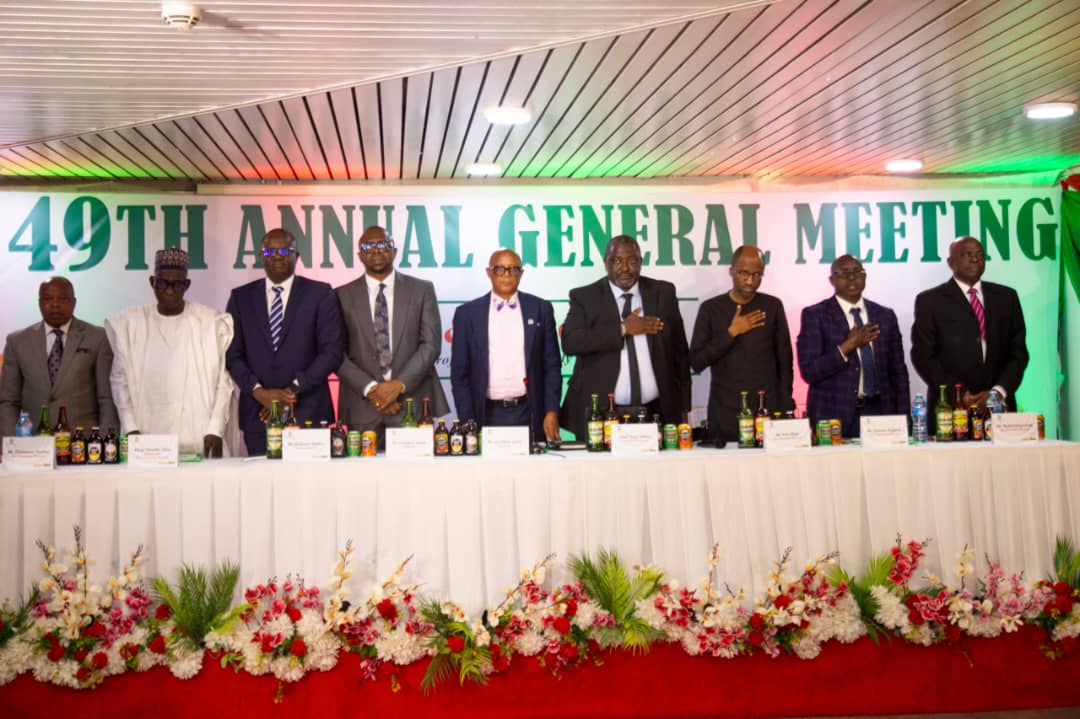
The 20 per cent free float requirement of the Nigerian Exchange (NGX) Limited for listed companies on its platform has been finally met by Champion Breweries Plc ahead of the October 2026 deadline.
The exchange requires publicly-quoted firms on its platform to have at least 20 per cent of their stocks available to members of the public for market liquidity.
Before now, the brewery company fell short of this, forcing Customs Street to add the suffix, BLS, to the organisation.
BLS means Below Listing Standard. It informs investors that stocks with this status have not met the 20 per cent free-float requirement.
However, after increasing the free float above 20 per cent after the recently concluded public offer and rights issue, the NGX Regulation (NGX RegCo) Limited, the regulatory arm of NGX Group Plc, has removed the BLS status indicator previously displayed beside the company’s name across the NGX platforms.
The completed capital raises, successfully approved by the Securities and Exchange Commission (SEC), are currently in the final stages of the Central Securities Clearing System (CSCS) account crediting.
All applicants under the rights issue have now been credited with their new shares, while crediting for applicants under the public offer is ongoing.
This milestone transaction, having achieved the primary objective of the acquisition of the Bullet portfolio, has achieved the additional benefit of achieving full compliance with the bourse’s liquidity and free float requirements.
The board and management of Champion Breweries thanked the investing community for their continued support of the organisation’s long-term vision and extended special appreciation to NGX RegCo for its guidance as the firm works with the registrars and the CSCS to complete the share crediting process.
By Adedapo Adesanya
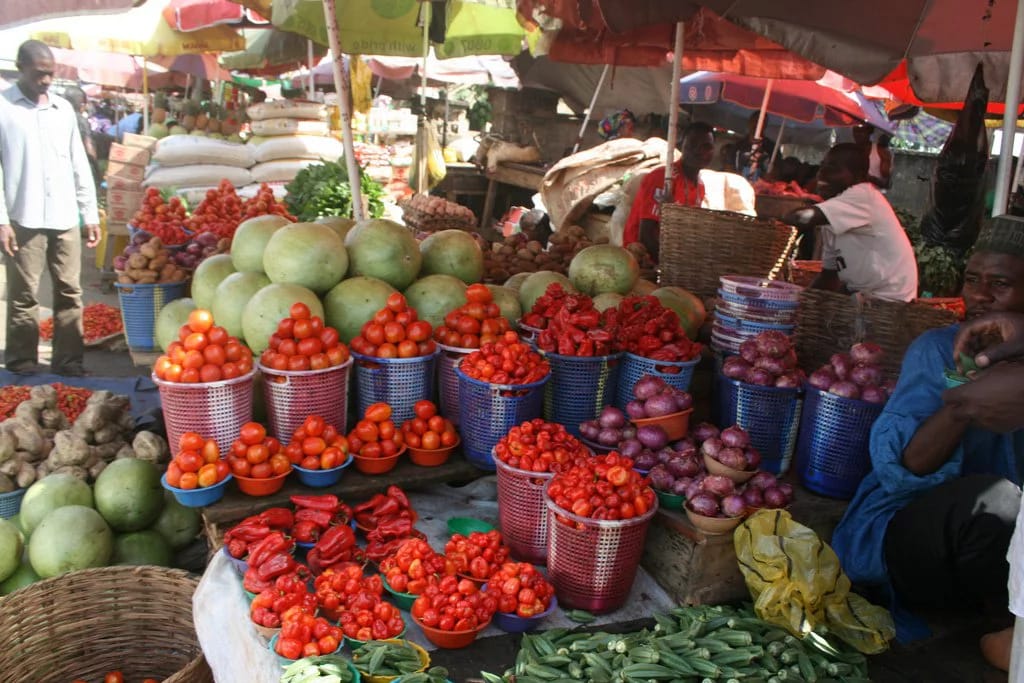
The federal government has said its agricultural reforms were beginning to yield results, with prices of essential food commodities dropping by as much as 50 per cent nationwide.
The Minister of Agriculture and Food Security, Mr Abubakar Kyari, disclosed this during a quarterly citizens’ engagement session in Abuja on Friday, claiming that the President Bola Tinubu-led administration has made food security a key pillar of national stability and economic growth.
“Since assuming office, this administration has made food security a top priority, acknowledging the critical role it plays in maintaining national stability and sovereignty,” Mr Kyari said.
“To achieve this, we are focusing on boosting local production and reducing reliance on imports, with the ultimate goal of making affordable, nutritious food accessible to all Nigerians.” He said government interventions were beginning to reflect in market prices. “Our efforts are starting to pay off, with a notable impact on food prices.
“In fact, prices of essential food commodities have dropped by 50 per cent nationwide,” the Minister said.
Nigeria has in recent years faced a severe cost-of-living crisis, largely triggered by economic reforms introduced by the Tinubu administration, particularly the removal of petrol subsidies and the floating of the Naira. The policies significantly increased the cost of living, with food prices more than doubling in many parts of the country compared with levels before Tinubu assumed office. Food inflation rose sharply before moderating slightly following the rebasing of the Consumer Price Index (CPI) by the National Bureau of Statistics last year.
Mr Kyari also said the government has introduced several programmes aimed at boosting agricultural production and supporting farmers.
He disclosed that more than 1.9 million bags of fertiliser have been distributed to nearly one million farmers in the past two years, alongside strengthened regulations to curb the circulation of fake fertilisers.
According to him, the government has also established a National Reference Laboratory and upgraded the National Fertiliser Management Platform to improve quality control and transparency in the fertiliser supply chain.
By Adedapo Adesanya
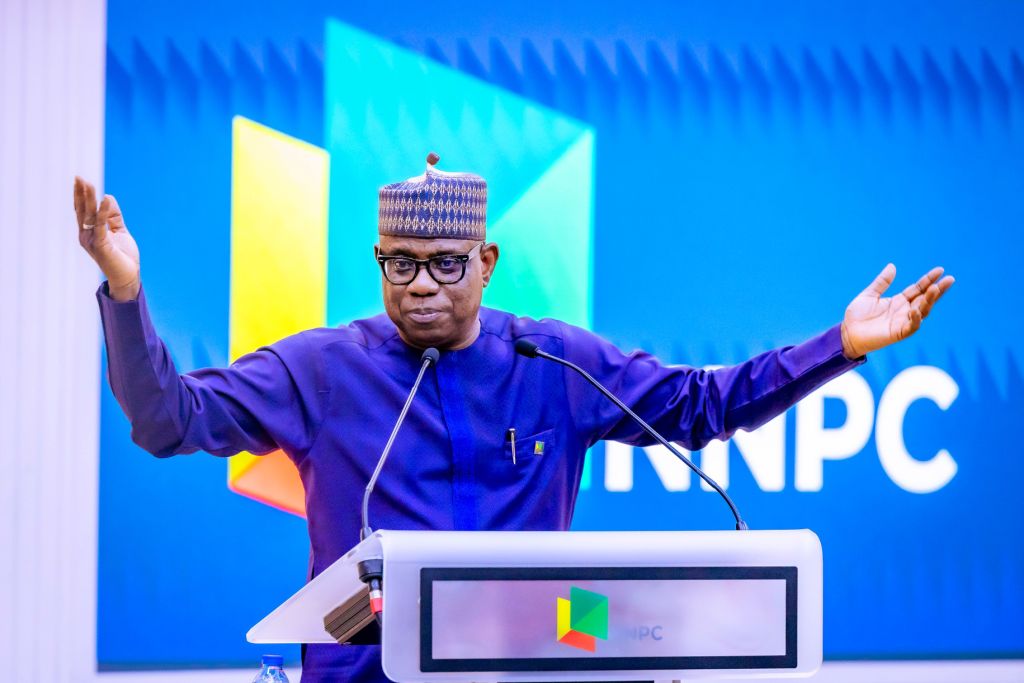
The chief executive of the Nigerian National Petroleum Company (NNPC) Limited, Mr Bayo Ojulari, has said the resolution of the dispute surrounding oil prospecting lease (OPL) 245 would enable the development of the Zabazaba–Etan deepwater project.
In a statement issued on Saturday, Mr Ojulari noted that advancing the project could increase Nigeria’s crude oil output by about 150,000 barrels per day (bpd).
On March 5, the presidency announced that a settlement agreement had been successfully concluded among the federal government, Eni, and Nigerian Agip Exploration Limited (NAEL).
It was stated that the agreement ended the protracted dispute over OPL 245 and created the opportunity to move forward with the development of one of Nigeria’s most important deepwater resources.
Commenting on the development, Mr Ojulari described the resolution as a major milestone for both the country and NNPC as efforts continue to promote the responsible development of Nigeria’s strategic energy assets.
“We are honoured that President Bola Ahmed Tinubu GCFR entrusted NNPC Limited with the responsibility of supporting the resolution of the long-standing OPL 245 dispute involving the Federal Government of Nigeria, ENI, and Nigerian Agip Exploration Limited (NAEL),” the NNPC chief said.
“As noted by the President, this resolution clears the path for the development of one of Nigeria’s most strategic deepwater assets — the Zabazaba–Etan project.
“Progressing this development could add approximately 150,000 barrels per day to Nigeria’s oil production, representing a significant step toward strengthening our national energy security and economic resilience,” he added.
Mr Ojulari further said the achievement demonstrates the value of collaboration, persistence, and a shared determination to utilise Nigeria’s vast energy resources for the country’s benefit.
The end of the long-standing dispute over Oil Prospecting Licence (OPL) 245 paves the way for the development of one of Nigeria’s most significant deepwater resources. The agreement, signed in Abuja, marked the resolution of a dispute spanning more than 15 years and restores clarity and stability to an asset widely recognised as one of Nigeria’s most commercially promising deepwater blocks.








-
 Feature/OPED6 years ago
Davos was Different this year
-
Travel/Tourism10 years ago
Lagos Seals Western Lodge Hotel In Ikorodu
-

 Showbiz3 years ago
Estranged Lover Releases Videos of Empress Njamah Bathing
-
 Banking8 years ago
Sort Codes of GTBank Branches in Nigeria
-

 Economy3 years ago
Subsidy Removal: CNG at N130 Per Litre Cheaper Than Petrol—IPMAN
-

 Banking3 years ago
Sort Codes of UBA Branches in Nigeria
-

 Banking3 years ago
First Bank Announces Planned Downtime
-

 Sports3 years ago
Highest Paid Nigerian Footballer – How Much Do Nigerian Footballers Earn