
Economy
Panic FX Mop up Crashes Naira to N654/$1 in Black Market, N665/$1 at P2P


By Dipo Olowookere
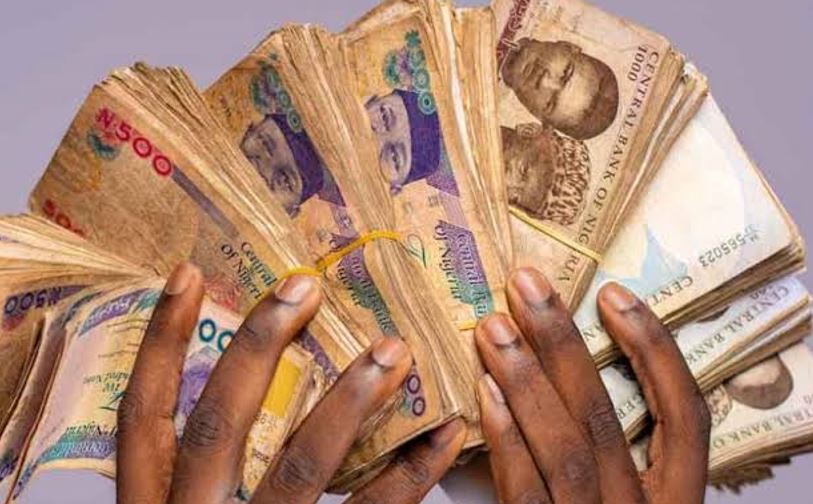
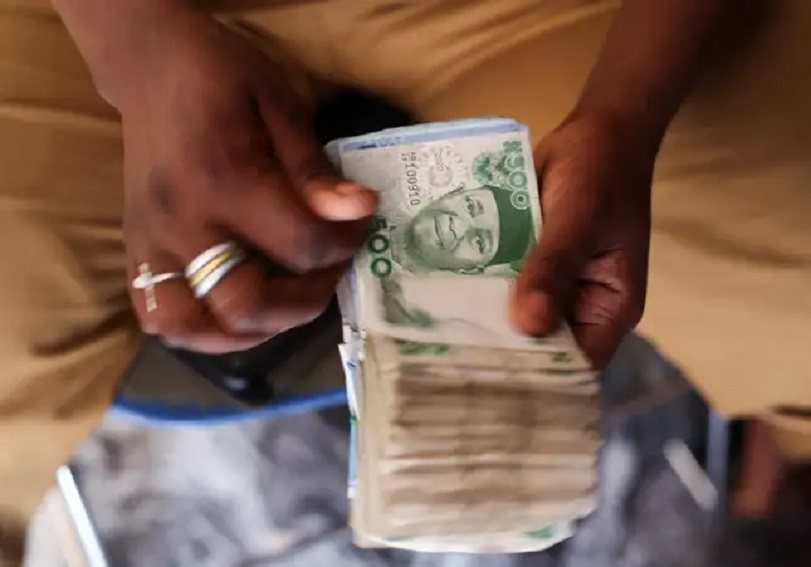
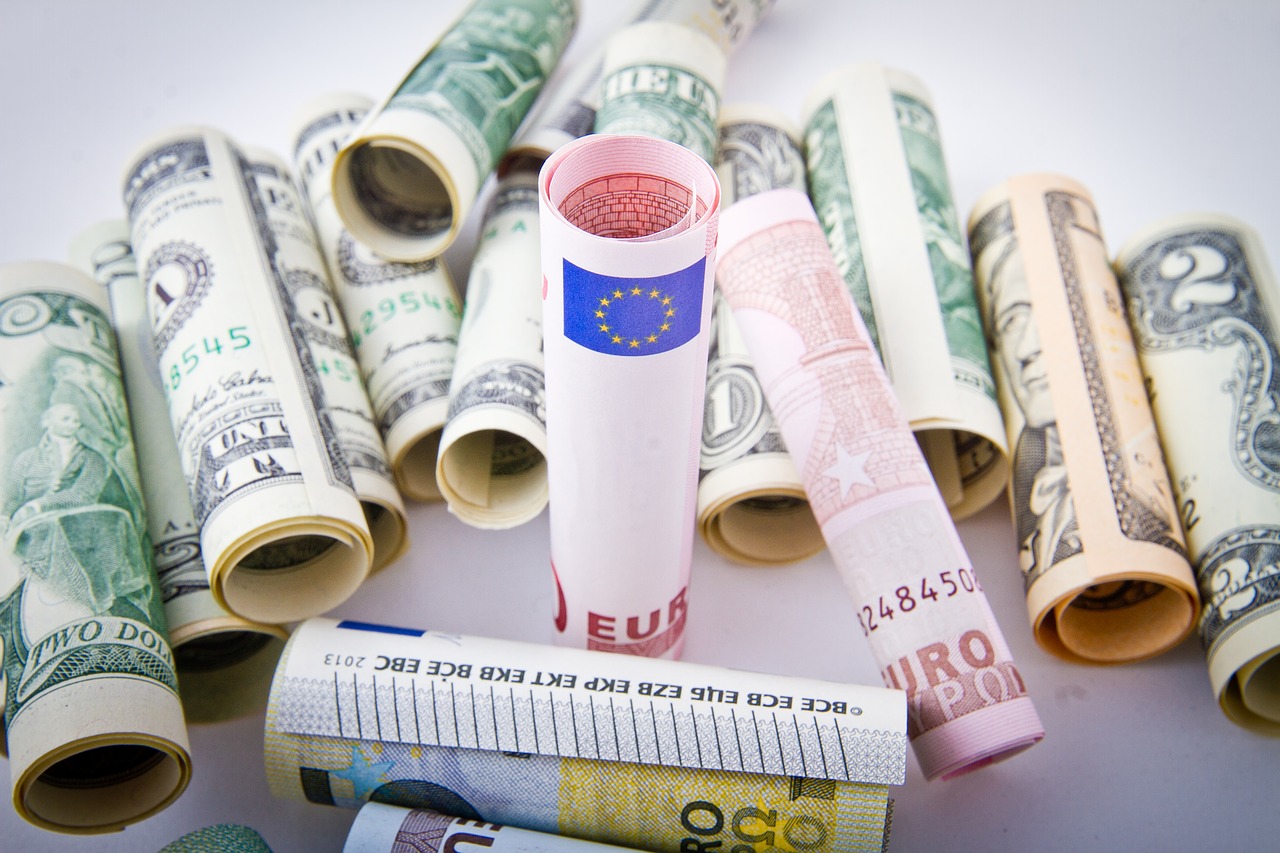
The exchange of the Nigerian Naira to the United States Dollar at the foreign exchange (FX) market further plunged in the black market on Friday afternoon, crashing to N654/$1.
Some forex traders at the Olugbede Model Market in the Egbeda area of Lagos State informed Business Post the Dollar is bought from sellers at between N648/$1 and N650/$1, while they sell to those who need the hard currency at N654/$1.
“We don’t understand what is happening anymore. The Naira is just losing its value very fast. At the moment, we are even scared to buy the Dollar because we don’t want the situation when the value will appreciate,” one of the traders identified at Alhaji Isa told this reporter.
Another FX trader, Alhaji Yunusa, said if urgent steps are not taken, the Naira may exchange for the Dollar at N1,000 before the end of this year.
“With the way things are going, the Naira may sell for N1,000/$1 this year. It is really scary. We are being careful with the transactions these days because we don’t know what might happen next,” he said.
This newspaper gathered that one of the reasons for the deep fall in the value of the local currency is the fear of the unknown, coupled with the statements credited to the Governor of the Central Bank of Nigeria (CBN), Mr Godwin Emefiele, on Tuesday after the Monetary Policy Committee (MPC) meeting in Abuja.
A financial analyst based in Lagos, Mr Bode Adediran, faulted the apex bank chief for threatening Nigerians with arrest if they are caught converting the Naira to the Dollar.
“His statement was bound to cause panic in the system and if you check the trend, the exchange rate of the Naira to the Dollar started to decline from that day. What he has done is to trigger the panic demand for forex as smart investors will speculate for their own gains,” Mr Adediran told Business Post.
On Wednesday, the spokesman of the CBN, Mr Osita Nwanisobi, quickly clarified that the threat was only for politicians planning to mop up FX from the system and not those who need the hard currencies for legitimate businesses.
On Thursday, the domestic currency depreciated by N19 or 3.05 per cent in the parallel market to trade at N642/$1 as against Wednesday’s N623/$1 and in the Peer-to-Peer (P2P) window, it fell by N7 or 1.09 per cent to settle at N653/$1 compared to the previous day’s N646/$1.
As of the time of filing this report, the Naira was trading in the P2P at N665/$1.






By Adedapo Adesanya
Nigeria’s first indigenous broadband company to be listed on the Nigerian Exchange (NGX) Limited, Legend Internet Plc, has commenced talks with Spectranet for a possible merger deal before the end of June 2026.
In a notice on Monday, Legend Internet said the proposed merger aligns with its long-term strategy to expand broadband infrastructure and strengthen its position within Nigeria’s telecommunications sector.
The Abuja-based Nigerian technology company, founded in 2021, specialises in fibre-to-the-home (FTTH) broadband, fintech, and digital services. The company operates a high-speed, 1Gbps-capable fibre network, focusing on premium digital.
The transaction is expected to deliver significant strategic and financial benefits, including enhanced network capacity through the integration of fibre and wireless infrastructure, improved operational efficiency, and expanded coverage across key urban markets.
The firm’s board believes the transaction will create sustainable long-term value for shareholders by strengthening its competitive position, supporting revenue growth, and improving earnings capacity through operational synergies and increased scale. The deal is expected to be value accretive to shareholders over the medium to long term.
However, it is subject to the approval of relevant regulatory authorities, including the Federal Competition and Consumer Protection Commission (FCCPC) and the Nigerian Communications Commission (FCCPC). Subject to obtaining the required approvals, completion is anticipated in Q2 2026.
Legend assured stakeholders in the capital market that it remains committed to maintaining transparency and will continue to keep NGX and the investing public informed of any material developments in respect of the transaction.
Spectranet was awarded a License from the Nigerian Communications Commission in 2009 to promote Internet services across Nigeria. Spectranet was the first Internet Service Provider to launch 4G LTE internet service in Nigeria and aims to be a leader in the Internet Services space.
By Adedapo Adesanya
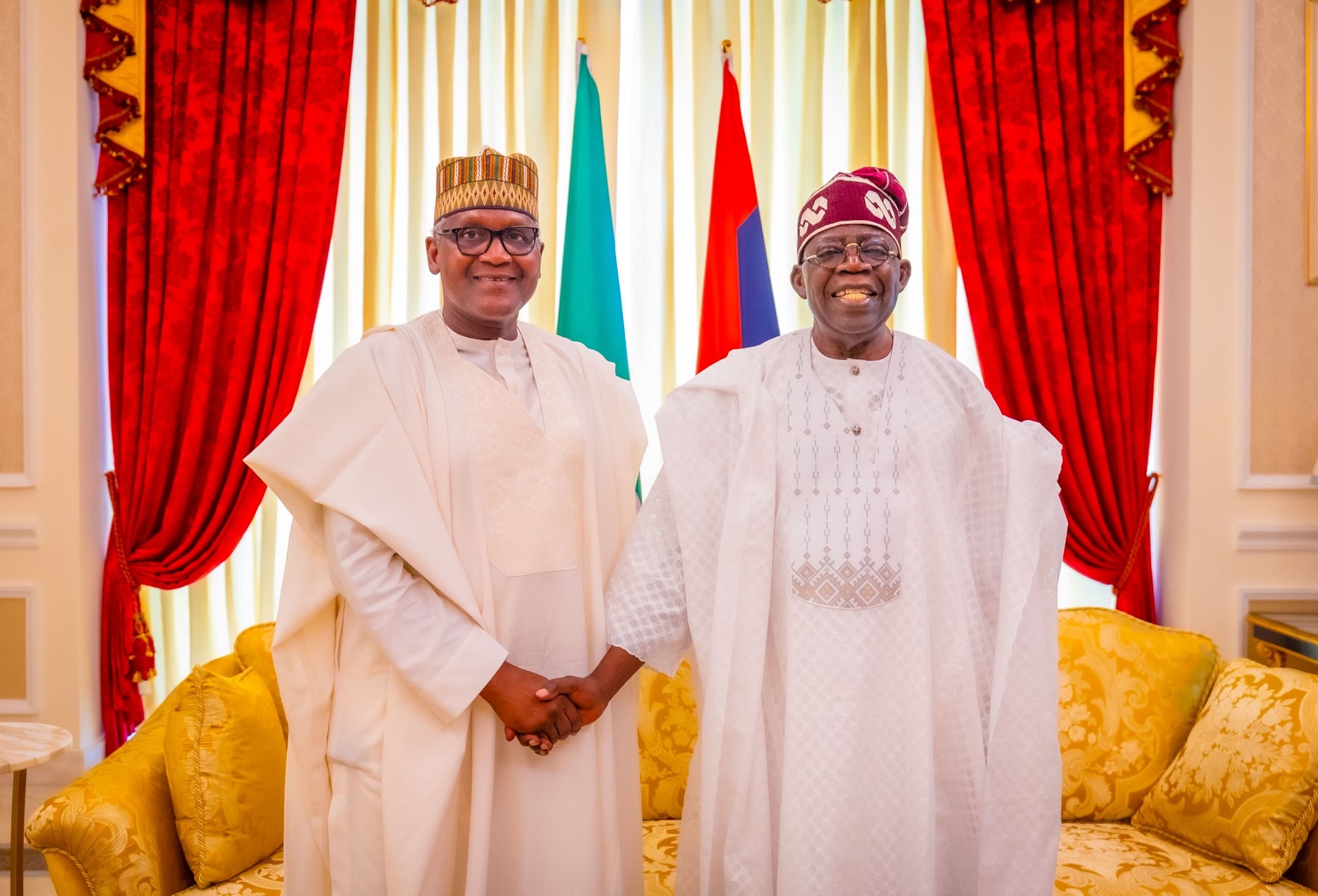
The president of the Dangote Group, Mr Aliko Dangote, met with President Bola Tinubu on Monday to discuss and address concerns about the growing volatility in the global oil market and its impact on Nigerians.
Petrol prices have jumped to as high as N1,400 per litre amid the continuous rise in prices of crude oil in the global market as a result of the Middle East war. Brent crude rose above $100 per barrel due to compounding supply constraints, though it closed below the mark yesterday.
Mr Dangote, whose company controlled about 60 per cent of Nigeria’s domestic supply pre-war, speaking after the meeting, said that although Nigeria is not directly involved in the war, the ripple effects of global oil price fluctuations would inevitably be felt.
“It means quite a lot. We don’t have much to do with it, but I know the world is a global village. And it definitely will affect us, unfortunately, but we pray this situation will be sorted out,” he said after his visit to President Tinubu in Lagos yesterday.
He warned that a prolonged crisis could further destabilise economies, particularly in Africa, where fiscal buffers are limited, and debt pressures remain high.
“If it doesn’t de-escalate, we’ll end up paying high prices, like what I said earlier on CNN. Africa is very busy paying debt, and putting this again on top of us is going to add a lot of hardship on people, on the government, on the people, on everybody, for something that we have no involvement in.”
He stressed that energy costs are central to nearly all sectors of the economy, meaning sustained increases would have widespread and cascading effects on livelihoods and production.
He explained that governments could face mounting fiscal strain as subsidies rise and revenues fluctuate under unstable global oil market conditions.
Mr Dangote added that Africa’s rising debt burden could worsen under prolonged instability, further limiting fiscal space and weakening economic resilience.
“Africa is already grappling with debt, and additional shocks will only compound hardship for governments and the people,” he said.
He said escalating energy costs would disrupt nearly every sector, including small enterprises, manufacturing chains, logistics operations and household consumption patterns.
The business mogul noted that some countries were already adopting coping strategies such as reduced workdays, energy rationing and remote working arrangements.
Mr Dangote said such measures, while necessary, could reduce productivity, slow economic output and affect livelihoods, particularly among vulnerable populations.
He urged global leaders to prioritise de-escalation, stressing that many Africans rely on daily earnings and remain highly exposed to economic shocks.

By Aduragbemi Omiyale
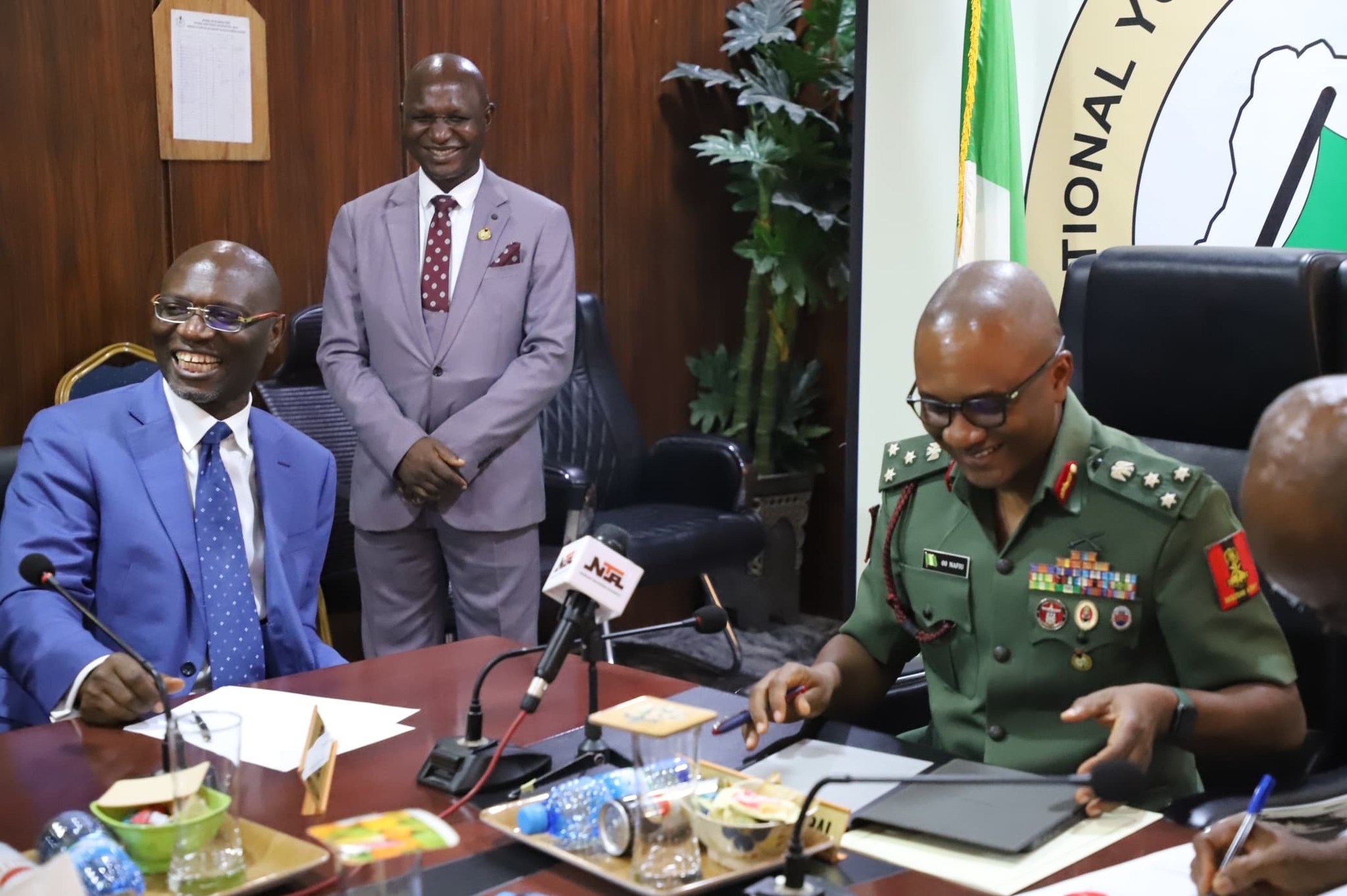
A Community Development Service (CDS) group focused on investment education for corps members is to be established by the National Youth Service Corps (NYSC) in partnership with the Securities and Exchange Commission (SEC).
Both organisations recently sealed a Memorandum of Understanding (MoU) for this new initiative, which will promote sound investment habits among Nigerian youths, equip corps members with essential financial knowledge and help them avoid fraudulent schemes.
Under the agreement, the NYSC and SEC will work together on joint awareness campaigns, utilising various channels and platforms, including social media, traditional media, and community outreach, to disseminate information on safe investment and expose fraudulent schemes.
They will also agree on mechanisms for sharing relevant data and reporting on the progress and impact of the collaborative initiatives.
Specifically, the capital market regulator will develop and provide relevant and up-to-date educational content, materials, and training modules on capital market operations, safe investment practices, and the identification and avoidance of Ponzi schemes.
The agency will also be responsible for the content, resources and funding of training sessions for selected corps members and NYSC supervisors who will serve as trainers and facilitators in their respective communities.
On its part, the NYSC will facilitate the integration of anti-Ponzi scheme education into its Education and Enlightenment CDS programme, which could be through dedicated sessions, workshops, or awareness campaigns during orientation camps and throughout the service year.
The Director General of SEC, Mr Emomotimi Agama, expressed satisfaction with the collaboration, saying it will promote financial literacy and sound investment habits among young Nigerians.
His counterpart at the NYSC, Brig-Gen Olakunle Nafiu, lauded the initiative, stressing that it will help in enhancing public awareness campaigns against illegal financial schemes across all Local Government Areas in the country, among other objectives.








-
 Feature/OPED6 years ago
Davos was Different this year
-
Travel/Tourism10 years ago
Lagos Seals Western Lodge Hotel In Ikorodu
-

 Showbiz3 years ago
Estranged Lover Releases Videos of Empress Njamah Bathing
-
 Banking8 years ago
Sort Codes of GTBank Branches in Nigeria
-

 Economy3 years ago
Subsidy Removal: CNG at N130 Per Litre Cheaper Than Petrol—IPMAN
-

 Banking3 years ago
Sort Codes of UBA Branches in Nigeria
-

 Banking3 years ago
First Bank Announces Planned Downtime
-

 Sports3 years ago
Highest Paid Nigerian Footballer – How Much Do Nigerian Footballers Earn