Connect with us

Economy

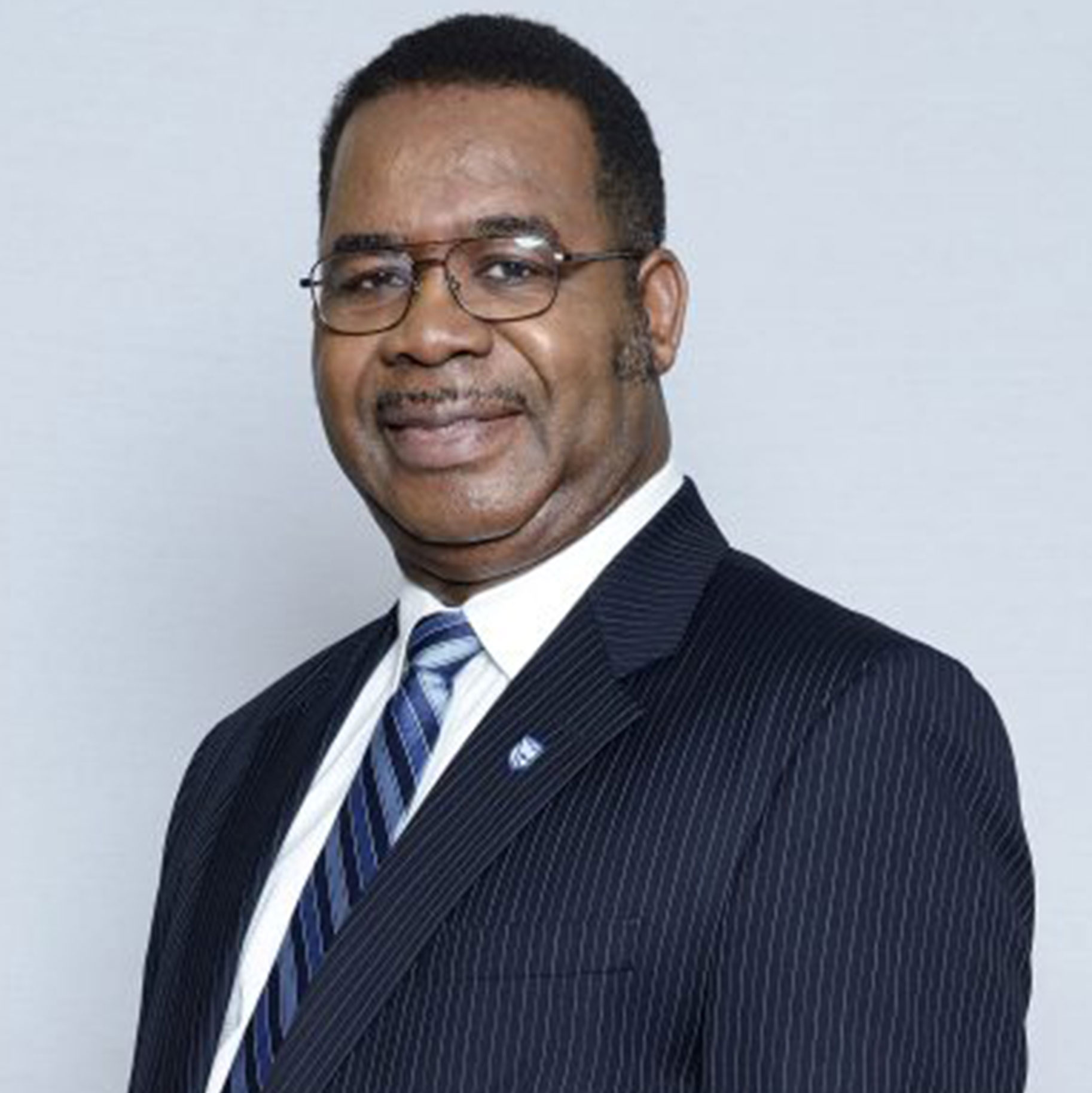
Seplat Will Continue to Expand Under Guidance of Omiyi, Okeahalam—CEO

Published

on

Basil-Omiyi Adoption of Clean Energy

By Aduragbemi Omiyale

The chief executive officer of Seplat Energy Plc, Mr Roger Brown, has expressed his desire to work with the company’s new Independent Non-Executive Chairman, Mr Basil Omiyi, and the new Senior Independent Non-Executive Director, Mr Charles Okeahalam.

The appointment of Mr Omiyi followed the stepping down of the founders of Seplat Energy Mr ABC Orjiako and Mr Austin Avuru, from the board.

While commenting on the development, Mr Brown said he was excited with the appointments, especially with the transition into the next chapter of the firm.

“Mr Basil Omiyi has been a leading figure in the Nigerian oil and gas sector and also with Seplat Energy, having joined its Board in 2013 and helped it to achieve a dual listing in April 2014. The vast depth of experience and his detailed knowledge of Seplat Energy will be invaluable as we continue to evolve and mature the company.

“He has provided invaluable guidance as an Independent Director and I look forward to his continued leadership as our new Independent Non-Executive Chairman.

“We will also benefit from the considerable expertise of Dr Charles Okeahalam as Senior Independent Non-Executive Director, especially his experience and knowledge of Africa’s economies and its financial markets.

“Under their guidance, we will continue to expand and consolidate our position as Nigeria’s leading energy company and the partner of choice to deliver energy transition for Africa’s largest economy and its rapidly growing population,” he said.

Mr Omiyi has been a member of Seplat Energy’s Board of Directors since March 2013 and as Senior Independent Non-Executive Director from February 1, 2021. During this period, he sat on the company’s Remuneration, Nominations & Governance, Energy Transition, and Risk Management & HSSE committees.

His experience in the energy industry is extensive, with more than 40 years at Royal Dutch Shell, during which time he held senior roles in Nigeria and Europe, including becoming Managing Director of Shell Petroleum Development Company of Nigeria in 2004 and in addition, Country Chairman of Shell Companies, Nigeria, until his retirement in 2009.

Mr Omiyi has held several leadership positions in the Nigerian oil and gas industry, including Chairman, Upstream Industry Group (Oil Producers Trade Section, Lagos Chambers of Commerce & Industry) from 2007-2010; Chairman of the Energy Sector of NEPAD Business Group, Nigeria, and Board Member NEPAD Business Group, Nigeria from 2005-2010; Chairman, of the Oil & Gas Commission of the Nigerian Economic Summit Group from 2005-2010; and Board Member, Nigerian Extractive Industry Transparency Initiative (NEITI) 2007-2010. Mr Omiyi is also the Independent Non-Executive Chairman of Stanbic IBTC Holdings, a subsidiary of Standard Bank Group, a post he has held since 2015.

In 2011, he was awarded the national honour of Commander of the Order of the Niger for pioneering leadership in Nigeria’s oil and gas sector.

On his part, Mr Okeahalam joined the Board in March 2013 as an Independent Non-Executive Director and is Chairman of Seplat Energy’s Finance Committee, and a member of the Energy Transition, Remuneration, and Nominations & Governance committees.

He has extensive corporate finance and capital markets expertise and in particular, detailed knowledge of African financial markets, economies and the investment industry. He was a co-founder of AGH Capital Group, a private equity and diversified investment holding company based in Johannesburg, with assets in several African countries.

Prior to co-founding AGH Capital Group in 2002, he was a Professor of Financial Economics and Banking at the University of the Witwatersrand in Johannesburg. His other roles have included advising a number of African central banks and government ministries, the World Bank and the United Nations.

He has held several board positions and is a former non-executive chairman of Heritage Bank Limited, Nigeria. Since March 2016 he has served as the non-executive chairman of the Nigeria Mortgage Refinance Company.


Economy

Nigeria’s Daily Petrol Consumption Drops 6.8% to 52.9 million Litres

Published

on

petrol consumption

By Adedapo Adesanya

Data sourced from the latest Fact Sheet released by the Nigerian Midstream and Downstream Petroleum Regulatory Authority (NMDPRA) has revealed that daily petrol consumption in Nigeria dropped by 6.8 per cent to an average of 52.9 million litres in November 2025.

The November figure marked a decline from the 56.74 million litres per day recorded in October 2025.

Of the total petrol consumed last month, 19.5 million litres per day were supplied by local refineries, higher than the 17.08 million litres per day recorded a month earlier.

A major driver of this increase was the Dangote Refinery, supplying an average of 23.52 million litres per day, up from 18.03 million litres daily in the previous month.

The Fact Sheet showed that imports accounted for 52.1 million litres per day of total consumption, showing an increase from 27.6 million litres per day in October.

The NMDPRA described Dangote’s current output as a significant milestone in reducing Nigeria’s reliance on imported fuel.

In contrast, the NNPC-operated Port Harcourt, Warri, and Kaduna refineries recorded zero petrol output during the period, and all three facilities remained in various states of rehabilitation or shutdown.

According to the regulator, the surge in imports was triggered by low supply levels in September and October 2025, which fell short of national demand, the need to shore up national stock ahead of end-of-year peak consumption, NNPC’s importation efforts to rebuild inventory and ensure supply security, and delayed offloading of 12 vessels initially scheduled for October but discharged in November.

October 2025 recorded the highest consumption within the one-year review period, followed by November 2024 (56 million litres) and April 2025 (55.2 million litres), the report noted.

The data showed that Nigerians also consumed an average of 15.4 million litres/day of diesel daily in November, alongside 2.5 million litres/day of aviation fuel and 3,992 million litres/day of cooking gas.

Continue Reading

Economy

How to Choose Between Bitcoin, Ethereum, and Fiat for Online Bets?

Published

on

Ethereum

Online betting has changed with the rise of digital currencies, giving players new ways to manage deposits and payouts. Bitcoin and Ethereum stand out as the leading crypto options, while traditional fiat money remains a familiar choice. The best option depends on personal priorities: Bitcoin for simplicity and stability, Ethereum for flexibility and faster transactions, and fiat for convenience and predictability.

Each method serves a different purpose. Bitcoin offers a sense of security backed by years of adoption, Ethereum supports smart contracts that make transactions faster, and fiat money appeals to those who prefer standard banking systems. Choosing between them depends on individual comfort with technology, desired transaction speed, and tolerance for value changes.

Understanding these differences helps bettors make smarter, safer choices. Those who compare security, speed, and ease of access before placing bets can move forward with confidence. The next sections explain what sets these currencies apart and how to select the ideal one for any betting goal.

Key Differences Between Bitcoin, Ethereum, and Fiat Currency

Bitcoin and Ethereum work on decentralized networks, while fiat money depends on centralized control through banks and governments. They also differ in processing time, cost, and price behavior. These differences affect how players handle deposits, withdrawals, and bet sizing for online gambling platforms.

Control and Decentralization

Bitcoin and Ethereum both rely on decentralized blockchain systems. No government or single entity controls them, which means users manage their funds directly through digital wallets. This independence reduces the need for third-party approval, giving bettors faster access to their winnings.

Fiat currencies like the dollar or euro operate under national banking systems. Transactions run through intermediaries that can impose limits, fees, or delays. In contrast, decentralized assets allow players to move money freely across borders without such barriers.

Decentralization also influences transparency. Crypto transactions are recorded on public ledgers, allowing verification without revealing private identities. For users of a crypto casino with fiat payment options, this setup provides both modern digital flexibility and the familiar structure of government-backed cash.

Transaction Processing and Speed

Bitcoin processes an average of seven transactions per second, while Ethereum handles more through its advanced design. However, both face network congestion during heavy use, which can slow transaction times or increase fees. Ethereum aims to address this through upgrades that use proof-of-stake mechanisms to improve speed and efficiency.

Fiat transfers rely on centralized banking networks and payment processors. Bank wires or card payments may take hours or even days, especially across countries. Crypto transactions can be completed within minutes, making them appealing for users who prefer instant deposits or payouts on gaming sites.

The difference in transaction speed can determine convenience. A player who wants quick access to winnings may prefer digital currency. Someone who values predictability might choose fiat, even if it takes longer to process.

Price Stability and Volatility

Fiat currency prices remain relatively stable because central banks manage their value through regulation and monetary policy. This makes fiat suitable for users who prefer steady account balances, especially for budgeting gambling limits.

Bitcoin and Ethereum, on the other hand, experience price swings. Their value can shift within a day due to market trends, investor demand, or global events. Volatility creates both risk and opportunity, depending on how much the user can tolerate short-term changes.

Some players convert crypto profits to fiat quickly to avoid potential losses. Others keep their balance in digital form to benefit from possible gains. Each approach offers trade-offs, but understanding price behavior helps players manage both winnings and deposits effectively.

How to Choose the Best Payment Method for Your Online Bets

The best payment method for online betting depends on how much flexibility, privacy, and transaction speed a user needs. Each method, either crypto or fiat, offers specific strengths in cost, liquidity, and accessibility that matter for different betting profiles. Choosing well affects everything from deposit timing to withdrawal limits and exchange risks.

Use Cases and User Profiles

Each user approaches online betting differently, so the right payment method depends on individual goals and habits. Bitcoin attracts users who want privacy and independence from banks. It offers fast transfers and low fees for deposits and withdrawals. However, its price can change quickly, which might affect balance stability.

Ethereum suits bettors interested in decentralized finance (DeFi). Thanks to smart contracts and automated market makers (AMMs), users can link wallets to liquidity pools without intermediaries. This flexibility supports advanced users who trade in digital assets or hold altcoins. Still, higher network fees may discourage small deposits.

Fiat currencies, such as USD or EUR, appeal to users who prefer traditional regulation and consistent value. Bank transfers and debit cards often include buyer protection and wider acceptance. However, they can involve longer processing times or extra verification steps.

Platform Support and Liquidity

Payment compatibility varies by betting platform. Some sites readily support cryptocurrency markets, while others stay focused on fiat transfers. Bitcoin and Ethereum both offer strong global liquidity, which means users can fund or cash out faster in most regions. Many exchanges and wallets connect directly to betting sites for easier movement of funds.

Fiat still holds an advantage on platforms that link to local banks or prepaid systems. Users who deposit in fiat avoid exchange-rate concerns, though payout times may run slower. On crypto-focused sites, liquidity pools and AMMs supply quick access to BTC or ETH funds. This structure allows players to move assets between wallets and betting accounts with minimal friction.

Security also influences choice. Crypto wallets rely on private keys; fiat systems depend on card encryption and bank-level protection. Each user must balance convenience with personal control over funds.

Future Trends in Online Betting Payments

The payment landscape continues to evolve toward greater decentralization and cross-asset compatibility. Betting sites now explore integration with DeFi tools, letting users stake funds or trade within pools. Technologies built on Solana and similar blockchains promise faster confirmations and lower fees than older networks.

Interest in Bitcoin ETFs also affects bettors who prefer indirect exposure to crypto without holding coins directly. This trend could lead to more fiat-based betting platforms that interact with crypto markets behind the scenes.

Developers aim to connect traditional and blockchain systems so users can deposit in one currency and withdraw in another. Over time, a mix of stablecoins, fiat channels, and direct crypto access is likely to become standard, giving bettors more consistent control and faster financial movement across platforms.

Conclusion

Each payment type, either Bitcoin, Ethereum, or fiat, serves different needs in online betting. Bitcoin offers strong security and wide acceptance across many platforms. Its slower speeds and higher fees, however, can limit appeal for frequent or small wagers.

Ethereum provides faster transfers and supports smart contracts, which allow peer-to-peer bets without middlemen. This feature creates a more direct and transparent experience, but network congestion and fluctuating gas fees can still affect performance.

Fiat currency remains familiar and easy to use. It fits users who prefer traditional systems backed by banks and who value price stability over decentralization.

Therefore, players should match their payment choice with their goals. Those seeking trust and history may prefer Bitcoin, while speed and innovation point toward Ethereum. Conservative users who favor regulated systems might stay with fiat money.

Continue Reading

Economy

NASD Index Rises 0.15%

Published

on

NASD Unlisted Securities Index

By Adedapo Adesanya

The NASD Over-the-Counter (OTC) Securities Exchange rallied by 0.15 per cent on Tuesday, December 9, helped by a sole price gainer at the close of business, which suppressed the effect of two price losers.

Central Securities Clearing System (CSCS) Plc expanded its value by N1.00 to close at N44.00 per share compared with the previous day’s N43.00 per share.

However, UBN Property Plc depreciated during the session by 23 Kobo to sell at N2.08 per unit compared with the preceding session’s N2.31 per unit, and FrieslandCampina Wamco Nigeria Plc shrank by 20 Kobo to finish at N58.25 per share, in contrast to Monday’s closing price of N58.45 per share.

At the close of transactions, the NASD Unlisted Security Index (NSI) jumped by 5.54 points to 3,613.06 points from 3,607.52 points, and the market capitalisation increased by N3.31 billion to N2.161 billion from the N2.158 trillion quoted in the preceding session.

Yesterday, the volume of securities bought and sold went up by 39.9 per cent to 81,534 units from the 58,300 units recorded in the preceding trading session, the value of securities surged by 120.6 per cent to N4.3 million from N1.9 million, and the number of deals soared by 100 per cent to 28 deals from 15 deals achieved in the previous trading session.

At the close of business, Infrastructure Credit Guarantee Company (InfraCredit) Plc was the most traded stock by value on a year-to-date basis with the sale of 5.8 billion units for N16.4 billion, trailed by Okitipupa Plc with a turnover of 171.8 million units worth N8.3 billion, and Air Liquide Plc with 507.6 million units traded for N4.2 billion.

In the same vein, InfraCredit Plc ended the trading day as the most traded stock by volume on a year-to-date basis with 5.8 billion units valued at N16.4 billion,  the second spot was taken by Industrial and General Insurance (IGI) Plc with 1.2 billion units worth N420.3 million, and the third position was occupied by Impresit Bakolori Plc with 537.0 million units sold for N524.9 million.

Continue Reading

Trending