

Economy
UK-Kenya Renewable Energy Conference


Kenya’s renewable energy sector is on the cusp of big things. With a Government committed to a 5000Mw plan by 2017; an established feed-in-tariff; and an increasing demand for electricity as industrialisation continues at pace, the conditions are set for geothermal, wind and solar power to take off in a big way.
Two main forces are driving this change.
First is the enviable economic growth that Kenya has enjoyed in recent years, and is forecast to maintain in the future.
Rapid economic growth will drive greater demand for power: from businesses, to produce goods and services; and from consumers as they buy more TVs, fridges, freezers and other goods.
Kenya already has a renewable-rich energy mix, and is looking to continue this.
The second driver is that global climate change policy is stimulating increased take up of renewable energy around the world. This is leading to extraordinary and enormous economies of scale and efficiencies.
Last year the Paris climate negotiations sent a clear message to the world – to governments, to businesses, investors and citizens – that the future is low carbon. It created a surge in market demand for renewable energy.
You would expect rising demand to drive prices up. But technology and innovation are doing the opposite, so increasing demand further. In the world of computers we’re familiar with Moore’s law: namely that processing speeds for computers will double every two years, with prices falling. We’re seeing something similar in renewables. 30 years ago, wind turbines were generally rated around 50kw. 15 years ago we were getting used to 2000kw (2Mw) turbines. Now, in the North Sea, we’re expecting 8Mw monsters offshore.
Prices are falling similarly: solar panels now make up less than half the cost of the average PV installation. My Deputy High Commissioner is still fuming at the £13,000 he paid to put 4kw on his roof in 2011 – something that might now cost only £5,000. Offshore wind costs are another example of this. The UK agreed a strike price of £140 per Mw/hour for offshore wind as recently as 2014. In the Netherlands the most recent auction saw suppliers coming forward to supply offshore wind for just £70 per Mw/hour.
As a result of these changes, the UK now has three times more offshore wind – over 5000 Mw – than the entire generating capacity of the Kenyan grid. UK installed solar capacity – and let’s face it, the UK isn’t a sunny country – is over 10Gw – a 1400% increase on as recent as 2011.
As innovation pushes costs down, the implications for Kenya are clear. Renewables will not simply be environmentally beneficial, but economically advantageous. In time, they will push out hydrocarbons.
The UK and Kenya are together at the vanguard of this renewable energy, clean technology and innovation revolution. Kenya has one of the most active renewable energy sectors in Africa – second only to South Africa in terms of investment. The UK is a global leader in many of the sectors for which Kenya has greatest demand, as well as leading the way in innovative new technology such as wave power, tidal stream, pump storage and grid-scale flow batteries.
Kenya has set ambitious targets to boost its energy mix as part of the Energy Pillar in Vision 2030. As it continues to strive with regional competitors like Ethiopia, it wants to keep energy costs down. Renewables will enable this. And UK companies should be at the heart of this. From project development to design, finance and investment, legal and security, R&D and consulting; to grid development, transmission and distribution – UK companies have the expertise to help Kenya achieve success.
The energy market of tomorrow will – and must – look fundamentally different to yesterday. Out goes an industry dominated by giant utilities; a monopoly of centralised energy models. In comes a new, diverse market; driven by innovation, with an entrepreneurial, dynamic set of market participants. Put simply, new actors, new investors, new technology.
Let me say something about how all this connects to Kenya’s development agenda, of which the UK is such a strong supporter. A reliable electricity supply is one of the most powerful tools for helping people lift themselves out of poverty. Yet two out of three people in Sub-Saharan Africa are currently living without electricity access.
Twenty years ago, there was a nine month wait in Kenya for a monopoly provided land telephone line. Then Safaricom arrived on the scene. In just ten years we have seen a total transformation of the way in which Kenyans communicate – the mobile revolution. Now we need – and I am convinced that we will see – a similar revolution in access to affordable clean energy over the next ten years.
This will require governments, investors and aid agencies to tear down regulatory barriers and attract new finance. It will require us to develop markets where lower costs for renewable energy filter through to consumers because of genuine competition between suppliers.
The private sector has an opportunity to show the way in turning development challenges into business opportunities. A few years ago, seed funding from UK Aid working with Vodaphone and Safaricom helped create a mobile payment platform called M-PESA. Today that platform processes nearly half of Kenyan GDP, and means three in four Kenyans have access to the financial system.
This is the kind of country where those transformational things can be done. Let’s work together to make them happen.












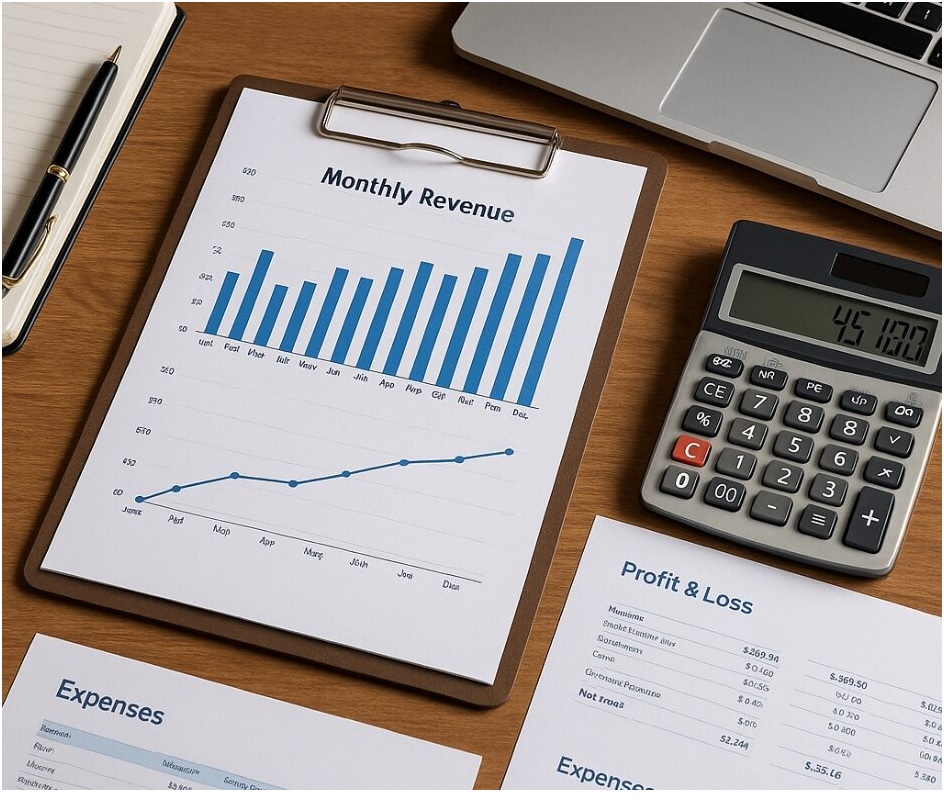
Finance may be the single most essential element when it comes to the progress and sustainability of businesses in Nigeria. The level of funding available to businesses, small and big, determines their ability to function, grow, and compete. The Nigerian business environment, due to the interplay between the local economy, financial institutions, government, and private investors, offers multiple financing opportunities. The dynamics of these financing opportunities helps business owners and managers make the right decisions that best respond to their objectives and the level of risk they are willing to take.
Start your Livescorebet registration and discover more as this article analyzes the different sources of business finance in Nigeria in a systematic and detailed manner. It defines and explains internal and external financing options and the criteria relevant businesses may use in their search for the best financing instrument.
Understanding Sources of Business Finance
Before one can delve into the different options of business financing available, it is important to define business finances and categorize it. The objective of this is to establish a foundation for understanding the extent to which some options may be more appropriate for different businesses than others.
What Are Sources of Finance?
Sources of finance are how a business acquires funds to begin activities, settle daily operations, or pay for additional business activities like acquisitions, expansions, and long-term projects. Businesses may need to finance the purchase of new equipment, hire and pay additional staff, manage business cash flow, develop new products, or finance the expenses required to enter or compete in new markets.
In Nigeria, the Sources of finance are determined by interest rates, availability of bank services, regulations, and the growth stage of capital markets, among other things. A business may use its own cash resources, borrow from a financial institution, receive funds from an investor, or receive a government grant or other government-funded assistance program. Each of these also offers different-related costs, obligations, and levels of control.
Types of Finance: Major Categories
Business finance is typically subdivided into two larger subsets: internal finance, and external finance. Internal finance is from the business and its resources; external finance is from third parties.
The classification of finance by time is also an option. Short-term finance is used for the working capital needs like inventory and operational expenses. Medium-term finance is used for the purchase of an asset like a machine. Long-term finance is used for significant investments like expansion or infrastructure. These classifications often overlap with internal and external sources and help a business structure their financing efficiently.
Key Principles and Examples
Cost is the most influential principle when it comes to the choice and method of utilizing finance. Aspects like interest and dividends affect profitability. Additionally, other opportunity costs must also be focused on. Another principle is risk. Increased borrowing equates to an increase in financial obligations. Control and flexibility are also essential, especially in terms of the original decision makers.
For instance, a small retail shop could potentially rely on the profits previously obtained to purchase stock and restock their shelf. On the other hand, a manufacturing business may need to obtain a bank loan in addition to leasing an arrangement in order to get the needed equipment. These principles must be understood so that finance can be used to support the objectives of the company.
Internal Sources of Business Finance
Internal sources of finance are the finance obtained within a business without the need of external lenders or investors. These sources are often preferred as with them, the business relies a minimal amount on external parties to minimize financial risk.
Retained Earnings
Profits that a company reinvests rather than giving out to owners or stockholders is called retained earnings. Within Nigeria, retained earnings is a common type of financing for SMEs that do not have access to external funding.
This type of financing is cost effective as it does not incur interest or have repayment schedules. Retained earnings financing ensures owners have complete operational control. However, retained earnings depend on profitability, meaning they can be limited or unavailable for new businesses or those that are struggling. Overreliance on retained earnings can also slow expansion if significant capital is needed for growth.
Ordinary (Equity) Shares
For incorporated businesses, it is understood that issuing ordinary shares is considered an internal source if funding is collected from existing owners/shareholders. When an owner nets additional funding, they are strengthening the business’ finances without taking on additional debt.
Equity shares do not have to be paid back, relieving some pressure from cash outflows. This does mean that ownership and profit rights, in the form of dividends, will be repealed. Equity financing in Nigeria is more prevalent in larger businesses and startups with growth potential, especially those that are preparing for future investment rounds or new public listings.
Other Internal Sources
The other internal sources include the streamlining of cash flows, the sale of unused assets, and the reduction of working capital. For instance, a business might dispose of old vehicles or equipment to obtain cash for more productive investments. Likewise, enhanced control of inventories and the speedy collection of receivables can liberate cash for other operational uses.
The techniques described here are often undervalued, especially since they provide short-term relief without incurring external liabilities. Nevertheless, the main limitation of these techniques is scale. They are unlikely to provide the necessary funds to sustain larger projects.
External Sources of Business Finance
External sources imply sourcing funds from outside the business. These sources are particularly necessary for new ventures and rapidly expanding businesses as well as for capital intensive industries.
Bank Lending
Bank lending is, and continues to be, a major source of business finance in Nigeria. Commercial banks, microfinance banks, and development finance institutions all grant businesses loans, overdrafts, and other credit facilities.
Bank loans are easier to obtain and can provide in a short time big amounts of money, making them more attractive for funding major business expansions and for acquisition of new assets. However, such loans are usually associated with a range of challenges such as high-interest rates and demands for strict repayment periods and collateral. Many Nigerian SMEs do not easily gain access to such bank credit due to their limited credit history and insufficient collateral.

Loan Stock
Loan stock is a long-term debt financial instrument provided by companies to obtain funding from customers and pays a fixed interest and is repaid after a determined time. In Nigeria debt stock is more prevalent with large established companies.
A loan stock has the benefit of providing long-term financing without losing partial company control. But the financial risk of the company rising during poor economic times increases, as loan interest rates must always be paid.
Venture Capital
Venture capital, funds provided by the investors of a business with the potential of high growth, is in exchange for equity. Venture capital in Nigeria is more common in technology, fintech, and agri-business.
Venture capitalists do not just provide funding; they also provide their experience in the field, their connections, as well as their planning and do-adding-knowledge, making it highly beneficial for new companies. However, these investors more often than not expect the high amounts of profit; therefore, a greater stake of their ownership of the valuable business is lost.
Leasing and Hire Purchase
Hire purchase and leasing, in asset financing, provide the means for firms to use equipment without the need to make the full payment for the equipment up front. Leasing allows the renting of a fixed-term asset, while hire purchase enables the attainment of the full ownership of the asset after making a series of payment installments.
These techniques are common in Nigeria for acquiring college textbooks, vehicles, office technology, etc. These techniques allow one to maintain positive cash flow, while avoiding large capital expenses. The main disadvantage is the total expenditure is higher than buying the item outright.
Government Assistance and Grants
The government of Nigeria, through its various agencies, has a wide range of funding programs aimed at supporting businesses, particularly for Small and Medium Enterprises (SMEs) and start-ups, which come in the form of grants, subsidised loans, and intervention funds.
When it comes to government assistance, there are lower interest rates for longer periods of time, more flexibility for the beneficiary. However, the availability of such assistance is often restricted, which is often accompanied by complex application procedures and lengthy delays. At the end of the day, although there is a lack of availability, government funding is still a major contributor to the country’s entrepreneurship base development and the economy’s overall growth.
Franchising
From a financing standpoint, franchising is a business model where an entrepreneur receives the right to operate a business under a specified brand for a fee or royalty. While it is not a direct cash resource, the model helps startup a business with lower risk and reduces the financing needed as it comes with brand recognition and an established business system.
In Nigeria, franchising is an approach that is widely adopted, particularly in the food services and hospitality industries. It is especially helpful to startups, as they do not need to build a business model from scratch, and if they need it, the franchising becomes a solid base for acquiring additional funds.
How to Choose the Right Source of Finance
How to choose the right Source of Finance will need balancing what the business needs, how much money is available, and the other goals they want to accomplish over time, since finance refers to how a business entity plans to raise funds from various sources of finance to support business operations and long-term business development.

Step-by-Step Approach to Choosing a Source of Finance
The first thing to do is say what the finance will go towards. Will it be designed to go towards working capital, purchasing raw materials, buying new assets like a new factory, or is it going to be used for expanding into new markets and securing capital for growth? After that, the company decides how much money it will need and how long it will need it for. This helps clarify whether the required sources of funds fall under short-term sources, often needed within one year, or long-term sources used to finance strategic investments.
The 3rd thing to do is to look at the advantages and disadvantages of each funding option, including risks and costs. Some of these will be interest payments, specific repayment terms, and whether financing involves debt or equity financing, which may dilute ownership or preserve the owner’s control. The business must assess if it will rely on borrowed funds, a secured loan, or equity capital, and whether it can manage repayment with interest, including principal and interest, without risking default or bankruptcy. In the end, the business should look at what it will be able to do and whether it should mix together a few main sources from various sources of finance to meet different business needs.
Factors Affecting the Need for Finance
There is a range of different reasons, that can affect the decisions that are made. Things like how big the business and what point in its lifecycle it’s at, which sector it’s in, and how stable its cash flow is. A new business is likely to need finance in the form of equity and government programs while an older company will likely go for a bank loan or use the money that is already in the company.
The economic climate will also have an influence on the cost and availability of finance in a certain country. Things like inflation and interest rates can make it more difficult to get finance in a certain country. Also the absence of certain regulations and the rules that have to be followed will affect what kind of external finance can be used or what type of external finance will be available.
Comparing Major Sources at a Glance
Internal sources lack scale but are less risky and cheaper. External sources are costly and more risky but can provide larger amounts. Equity financing is less risky in terms of repayments but ownership is diluted, while in debt financing, control is maintained but the risk is higher. Businesses need to understand these trade-offs to incorporate financing into their business strategy.
Conclusion
There are several sources of business finance in Nigeria, and these continue diversifying with the progress of the economy and the financial sector. Each of these sources, from internal such as retained earnings, to external like bank lending, government programs, and venture capital, are tailored to address specific business requirements.
This understanding enables entrepreneurs, managers to make accurate and timely decisions, mitigate risks, and facilitate growth. The optimal level of financing is more than a simple matter of availability as is often the case with entrepreneurs, but ensuring the financial architecture of the business is coherent with its objectives in the long term.
FAQs
What is the difference between internal and external sources of finance?
Internal sources are from the business itself like retained earnings and selling of assets, while external sources are from outside the business like banks, investors and government programs. Internal finance poses less risk, but external finance allows access to much larger funds.
How can startups access venture capital in Nigeria?
Accessing venture capital entails constructing sound business models, designing robust business plans, and then forming relationships with investors through incubators, accelerators, and other platforms. A clear organizational structure and the ability to catalyze substantial interest are invaluable.
What are the advantages of retained earnings as a source of finance?
The cost of retained earnings as a source of finance is low, as money does not need to be repaid. Furthermore, the business owner does not need to share control over the company. Retained earnings are also complementary to the financial position of the business. On the downside, retained earnings can only be used if a business is profitable, and may restrict growth if insufficient profits are generated.
How does leasing differ from hire purchase?
When leasing, a company can use an asset for a specified period of time, but ownership stays with the original owner. In hire purchase agreements, a business can use an asset for a specified time but takes ownership after making the required payment. A leasing agreement is flexible but hire purchase agreements are better for a purchase where an ownership is intended.
What government programs are available for business funding in Nigeria?
The Nigerian government, through its development finance institutions and government agencies, provides a wide range of activities, including lending to small and medium enterprises, offering intervention funds, as well as providing grants. These activities aim to support entrepreneurial activities, stimulate job creation, and develop specific sectors.


By Adedapo Adesanya
The Lagos Chamber of Commerce and Industry (LCCI) has noted that the N15.52 trillion allocation to debt servicing in the 2026 budget remains a significant fiscal burden.
LCCI Director-General, Mrs Chinyere Almona, said this on Tuesday in Lagos via a statement in reaction to the nation’s 2026 budget of N58.18 trillion, hinging the success of the 2026 budget on execution discipline, capital efficiency, and sustained support for productive sectors.
She noted that the budget was a timely shift from macroeconomic stabilisation to growth acceleration, reflecting growing confidence in the economy.
She lauded its emphasis on production-oriented spending, with capital expenditure of N26.08 trillion, representing 45 per cent of total outlays, and significantly outweighing non-debt recurrent expenditure of N15.25 trillion.
According to Mrs Almona, this composition supports infrastructure development, industrial expansion, and productivity growth.
However, she explained that the N15.52 trillion allocation to debt servicing underscored the need for stricter borrowing discipline, enhanced revenue efficiency, and expanded public-private partnerships to safeguard investments that promote growth.
She added that a further review of the 2026 budget revealed relatively optimistic macroeconomic assumptions that may pose fiscal risks.
“The oil price benchmark of $64.85 per barrel, although lower than the $75.00 benchmark in the 2025 budget, appears optimistic when compared with the 2025 average price of about $69.60 per barrel and current prices around $60 per barrel.
“This raises downside risks to oil revenue, especially since 35.6 per cent of the total projected revenue is expected to come from oil receipts.
“Similarly, the oil production benchmark of 1.84 million barrels per day is significantly higher than the current level of approximately 1.49 million barrels per day.
“Achieving this may be challenging without substantial improvements in security, infrastructure integrity, and sector investment,” she said.
Mrs Almona said the exchange rate assumption of N1,512 to the Dollar, compared with N1,500 in the 2025 budget and about N1,446 per Dollar at the end of November, suggests expectations of a mild depreciation.
She said while this may support Naira-denominated revenue, it also increases the cost of imports, debt servicing, and inflation management, with broader macroeconomic implications.
The LCCI DG added that the inflation projection of 16.5 per cent in 2026, up from 15.8 per cent in the 2025 budget and a current rate of about 14.45 per cent, appeared optimistic, particularly in a pre-election year.
She also expressed concern about Nigeria’s historically weak budget implementation capacity, likely to be further strained by the combined operation of multiple budget cycles within a single year.
Looking ahead, Mrs Almona identified agriculture and agro-processing, manufacturing, infrastructure, energy, and human capital development as key drivers of growth in 2026.
She said that unlocking these sectors would require decisive execution—scaling irrigation and agro-value chains, reducing power and logistics costs for manufacturers, and aligning education and skills development with private-sector needs.
The LCCI head stressed the need to resolve issues surrounding the Naira for crude, increase the supply of oil to local refineries to boost local refining capacity and conserve the substantial foreign exchange used for fuel imports.
“Overall, the 2026 Budget presents a credible opportunity for Nigeria to transition from recovery to expansion.
“Its success will depend less on the size of allocations and more on execution discipline, capital efficiency, and sustained support for productive sectors.

By Dipo Olowookere
The Nigerian Exchange (NGX) Limited witnessed Santa Claus rally on Wednesday after it closed higher by 0.12 per cent.
Strong demand for Nigerian stocks lifted the All-Share Index (ASI) by 185.70 points during the pre-Christmas trading session to 153,539.83 points from 153,354.13 points.
In the same vein, the market capitalisation expanded at midweek by N118 billion to N97.890 trillion from the preceding day’s N97.772 trillion.
Investor sentiment on Customs Street remained bullish after closing with 36 appreciating equities and 22 depreciating equities, indicating a positive market breadth index.
Guinness Nigeria chalked up 9.98 per cent to trade at N318.60, Austin Laz improved by 9.97 per cent to N3.20, International Breweries expanded by 9.85 per cent to N14.50, Transcorp Hotels rose by 9.83 per cent to N170.90, and Aluminium Extrusion grew by 9.73 per cent to N16.35.
On the flip side, Legend Internet lost 9.26 per cent to close at N4.90, AXA Mansard shrank by 7.14 per cent to N13.00, Jaiz Bank declined by 5.45 per cent to N4.51, MTN Nigeria weakened by 5.21 per cent to N504.00, and NEM Insurance crashed by 4.74 per cent to N24.10.
Yesterday, a total of 1.8 billion shares valued at N30.1 billion exchanged hands in 19,372 deals versus the 677.4 billion shares worth N20.8 billion traded in 27,589 deals in the previous session, implying a slump in the number of deals by 29.78 per cent, and a surge in the trading volume and value by 165.72 per cent and 44.71 per cent apiece.
Abbey Mortgage Bank was the most active equity for the day after it sold 1.1 billion units worth N7.1 billion, Sterling Holdings traded 127.1 million units valued at N895.9 million, Custodian Investment exchanged 115.0 million units for N4.5 billion, First Holdco transacted 40.9 million units valued at N2.2 billion, and Access Holdings traded 38.2 million units worth N783.3 million.











-
 Feature/OPED6 years ago
Davos was Different this year
-
Travel/Tourism9 years ago
Lagos Seals Western Lodge Hotel In Ikorodu
-

 Showbiz3 years ago
Estranged Lover Releases Videos of Empress Njamah Bathing
-
 Banking8 years ago
Sort Codes of GTBank Branches in Nigeria
-

 Economy3 years ago
Subsidy Removal: CNG at N130 Per Litre Cheaper Than Petrol—IPMAN
-

 Banking3 years ago
First Bank Announces Planned Downtime
-

 Banking3 years ago
Sort Codes of UBA Branches in Nigeria
-

 Sports3 years ago
Highest Paid Nigerian Footballer – How Much Do Nigerian Footballers Earn