
Economy
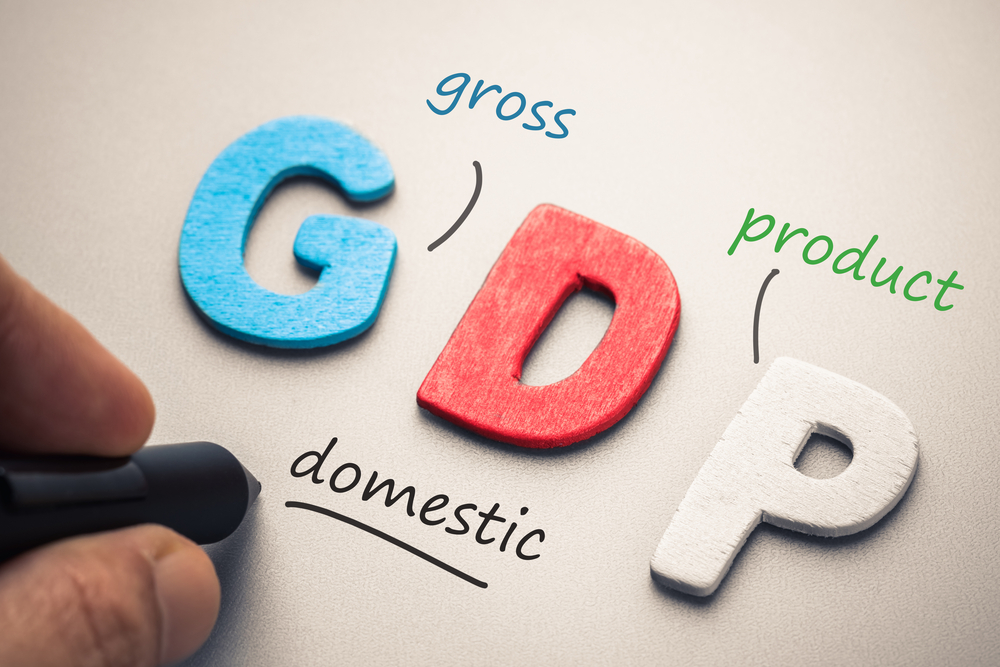
What You Need to Know About Nigerian Bureau of Statistics GDP Rebasing

By David Okon
Every economy evolves, shaped by changing consumption patterns, emerging industries, and shifting global dynamics. To accurately reflect these changes, countries periodically undertake a statistical exercise known as rebasing. This ensures that national accounts capture the current structure and performance of the economy rather than relying on outdated benchmarks.
For Nigeria, the National Bureau of Statistics (NBS) has just completed a significant rebasing of its GDP figures, moving the base year from 2010 to 2019; a crucial update aimed at providing more relevant, timely, and accurate economic data.
Despite its importance, rebasing is often misunderstood by the general public. Many assume it automatically means economic growth or an improvement in living standards, which isn’t always the case.
To help clear up these misconceptions and provide clarity, we sat with an expert in national accounting, Mr Moses Waniko, to answer some questions that shed light on what rebasing truly mean, and why they matter for everyday Nigerians.
What is GDP and GDP growth, and why are these statistics important?
The Gross Domestic Product is the market value of all goods and services produced within a country in each period. It measures overall economic activity and signals the direction of economic growth. It is also a barometer to measure the health of the economy. It is an internationally recognized indicator for measuring the size of an economy in each period of time. The GDP growth rate is a measure of the rate of change that a nation’s gross domestic product (GDP) experiences from one period to another either annually or quarterly.
Is GDP growth synonymous with economic development?
No, GDP growth is not synonymous with economic development. Development encompasses broader measures of human progress beyond measuring output (GDP) growth, which mostly measures economic progress. In addition to measures of economic progress, development includes social and environmental measures that are not well captured by GDP.
What are the approaches for computing GDP?
There are three approaches to computing GDP, which are;
The Expenditure Approach: This approach captures spending by key economic agents in an economy. It is the sum of consumption expenditures by households, investments expenditures by firms, government expenditures, as well as the difference between exports and imports: GDP = C + I + G + (EX – IM).
The Income Approach: This approach measures the income earned by various factors of production. It is a sum of: compensation to workers, rental income, taxes on production and imports (less subsidies), interest, miscellaneous payments, and depreciation.
The Production or Value-Added Approach: Gross output (GO) less the purchase of intermediate inputs used to produce the final products.
Q4 What is GDP rebasing/re-benchmarking?
Rebasing/re-benchmarking of the national account series (GDP) is the process of replacing an old base year used to compile volume measures of GDP with a new and more recent base year or price structure. Economies are dynamic in nature. They grow, they shrink; they add new sectors, new products and new technologies, and consumer behaviour and tastes change over time.
Rebasing/Re-benchmarking is used to account for these changes, so as to give a more current snapshot of the economy, as well as improve the coverage of economic activities included in the GDP compilation framework. The base year provides the reference point to which future values of the GDP are compared. It is a normal statistical procedure undertaken by the national statistical offices of countries to ensure that national accounts statistics present the most accurate reflection of the economy as possible.
What are the key benefits of rebasing/re-benchmarking?
The key benefit of the rebasing exercise is that its results enable policy makers and analysts obtain a more accurate set of economic statistics that is a truer reflection of current realities for evidence-based decision-making. It also reveals a more accurate estimate of the size and structure of the economy by incorporating new economic activities that were not previously captured in the computational framework.
Rebasing will enable government to have a better understanding of the structure of the economy, an indication of sectoral growth drivers, sectors where policies and resources should be channeled in order to grow the economy, create jobs, improve infrastructure and reduce poverty.
How often should a country rebase?
The UN Statistical Commission (UNSC) recommends that countries rebase every five years. However, some countries do at intervals of less than five years.
Why is Nigeria rebasing the GDP at an interval more than recommended by the UNSC?
GDP rebasing is a resource intensive project. It requires major surveys that are highly capital intensive such as the Nigeria Living Standard Survey (NLSS), Agricultural Census and census/survey of establishments. The output of these surveys serves as input into the rebasing process. Sourcing the funds to conduct all of these surveys is always difficult hence the lag in rebasing interval.
What influenced the choice of the base year?
The last exercise was done in 2014. The UN Statistical Commission (UNSC) recommends that countries rebase their national accounts (GDP) estimates every five years. An “appropriate” base year is one for which data is readily available and which witnessed relative stability. Currently, Nigeria’s base year is 2010, but a new base year of 2019 has been selected for the rebasing exercise.
How long has it taken to complete this exercise?
The time from preparation to publishing of the result of the rebasing exercise took approximately five (5) years. The preparatory work for the rebasing exercise commenced in the last quarter of 2018. Since then, several activities have been undertaken some of which include field surveys for certain economic activities that were not adequately captured previously like the Research and Development (R&D), Trade and Transport Margin as well as Water Supply, Waste Management and Remediation. There was also validation with sector experts, and technical assistance from international development partners.
What methodology was used for this rebasing exercise?
The exercise was conducted in line with internationally-recognized methodology procedures and guides. The National Bureau of Statistics (NBS) started with an update of its survey frame, complemented by a listing exercise. Three major methodological pillars were used to compile the rebased GDP estimates: System of National Accounts (SNA 2008 version), International Standard Industrial Classification (ISIC Revision 4), and Central Product Classification (CPC version 2). Construction of Supply and Use Tables (SUT) for Nigeria Balance of Payment Version 6 Government Finance Statistics Manual 2014. These are the most up to date methodologies in National Accounting. Less than half of the countries in the world have been able to make these upgrades successfully. The SNA is the internationally agreed standard set of recommendations on how to compile measures of economic activity.
The ISIC is the international reference for the classification of productive activities. Its main purpose is to provide a set of activity categories that can be used for the collection and reporting of statistics according to such activities. The CPC is a classification based on the physical characteristics of goods or on the nature of services rendered. Each type of good or service distinguished in the CPC in such a way that it is usually produced by only one activity as defined by the ISIC. The CPC covers products that are output of economic activities. All of the above are applied into the Supply and Use Table (SUT).
The SUT contains a pair of tables, namely, the Supply table and the Use table. It combines the product balances of all individual products (or group of products) in a matrix framework to present a coherent picture of how goods are produced and then supplied versus how they are used within the whole economy. The development of the Supply and Use Table (SUT) formed the basis of the final estimates. Other refinements that were incorporated include the estimation of public administration, the conduct of the National Census on Commerce, Industries and Businesses (NCCIB) and the National Agricultural Sample Census (NASC). The data from these censuses were utilized in this rebasing.
Do the new numbers imply that Nigeria is now a richer country?
No, rebasing will not change the facts of our economy overnight. It will not make poverty and unemployment to disappear overnight, but will give us the tools and the policy ability to tackle these problems in order to reduce poverty and improve the welfare of our people. The rebased GDP numbers imply that the level of economic activity is much higher than previously reported. It indicates a clearer picture of Nigeria’s economic landscape and the significant opportunity for growth and wealth creation in the Nigerian economy.
Why are poverty and unemployment “high” when the economy is “doing well” as shown by rebased GDP?
The rebasing exercise has revealed that the key determinant of the expanding output/GDP growth has been the dominance of capital-intensive rather than labour-intensive activities. This suggests that increasing adoption of technology is leading to an expansion of output without the need to employ more labour. Rebasing does not change the challenges of poverty or unemployment but rather measures the economy more accurately so that policy can be designed to address them.
Of what importance is the rebasing exercise to the “common man”?
Rebasing the GDP does not correct for inequality (where the benefits of a higher GDP may be concentrated in a few hands) or solve poverty problems; rather it brings the comparison of GDP estimates to the closest picture of reality as possible. Having a better (and more accurate) picture of the economy is crucial to informing policy makers, investors, and even consumers on the current economic trends, which will help them make better informed decisions regarding their economic choices.
For example, policy makers may identify inequality as a factor inhibiting a more inclusive distribution of output/GDP growth and consequently design policies and programmes to address that inequality so that output/GDP growth is shared more equitably. It is in this way, the “common man” will feel the benefits of GDP rebasing exercise.
What is the impact of the rebased numbers on the Nigerian economy?
Nigeria’s GDP is expected to be a more accurate reflection of the structure and size of current economic activities in the country, presenting a clearer sectoral distribution and performance. As a result, better investment choices are expected to be made, resulting in higher profitability and even higher investments. This will help create jobs and also reduce poverty in Nigeria in the medium to long term.
Given the rebased estimates, does it mean that Nigeria’s GDP for the last 10 years has been inaccurate?
The rebased numbers are a better reflection of the true size and structure of the economy. It does not mean the old series are wrong; it means we are capturing more activities and measuring better.
What is the implication of the rebased GDP estimates on the real and nominal GDP?
Nominal GDP measures the level of economic activity using the current year’s price level and quantities to obtain the total value of goods and services. Real GDP measures the level of economic activity by making reference to a pre-selected base year, for the purpose of “cancelling out” price effects in the computation of the value of goods and services (to obtain the “real” value). Thus, at the base year, the nominal and real values of the GDP estimates are equal. As seen from the above question and answer session, the rebasing plays a critical role in unlocking a clearer, more accurate picture of Nigeria’s economic reality; when the most recent structure of the economy is captured, it reflects the true size and scope of economic activities. This update is essential not just for statistical accuracy, but for improved policy making and more informed decisions across both public and private sectors. It enhances Nigeria’s ability to attract investment, as current data builds investor confidence and economic credibility.
Furthermore, rebasing affects major indicators like the debt-to-GDP ratio, offering a more realistic gauge of fiscal sustainability and supporting long-term strategies for inclusive and sustainable growth. The recent rebasing of GDP by the National Bureau of Statistics, therefore, is a necessary step toward transparency, informed policy making, and sustainable economic planning. While misconceptions may persist, a better understanding of these tools empowers the citizens, investors, and leaders alike to engage with the economy from a place of knowledge rather than speculation.
David Okon is the Senior Consultant at Quadrant MSL





By Adedapo Adesanya
The Nigerian Midstream and Downstream Petroleum Regulatory Authority (NMDPRA) has granted import permits for Premium Motor Spirit (PMS) or petrol to six depot owners and petroleum marketers.
This step comes as the federal government moved to ensure stability and balance in the country’s downstream fuel sector after it was widely reported that the country suspended the issuance of petrol import licenses for a second straight month
The regulator recently issued these permits to six importers, with each authorised to import approximately 30,000 metric tonnes of the fuel into the country to help cushion against the effects of escalating conflict in the Middle East.
This development also occurs against the backdrop of ongoing discussions about supply concentration, with recent data showing that the Dangote Petroleum Refinery supplied roughly 92 per cent of Nigeria’s petrol in February.
At present, the Dangote refinery is the sole facility in Nigeria producing petrol, while most modular refineries primarily focus on diesel output.
The Crude Oil Refineries Association of Nigeria (CORAN) also confirmed that none have been issued so far in March, signalling a shift towards prioritising local output. However, this has since changed, spurred by the latest development.
Industry statistics show that local refining provided an average of about 36.5 million litres per day that month, with imports adding roughly 3 million litres daily, resulting in a total supply of around 39.5 million litres per day.
According to reports, until recently, no petrol import permits had been issued under the current NMDPRA leadership, suggesting that the new approvals signal a deliberate policy shift to preserve supply diversity and adaptability as the domestic market continues to develop.
Nigeria’s average daily petrol consumption fell to 56.9 million litres per day in February 2026, down from 60.2 million litres in January.
In February, the Dangote Refinery supplied 36.5 million litres of petrol and 8 million litres of diesel to the local market, leaving a daily deficit of 20 million litres that was covered by previously imported stock.
According to NMDPRA, these volumes were sufficient, leading to its earlier decision to withhold import licenses.
By Adedapo Adesanya
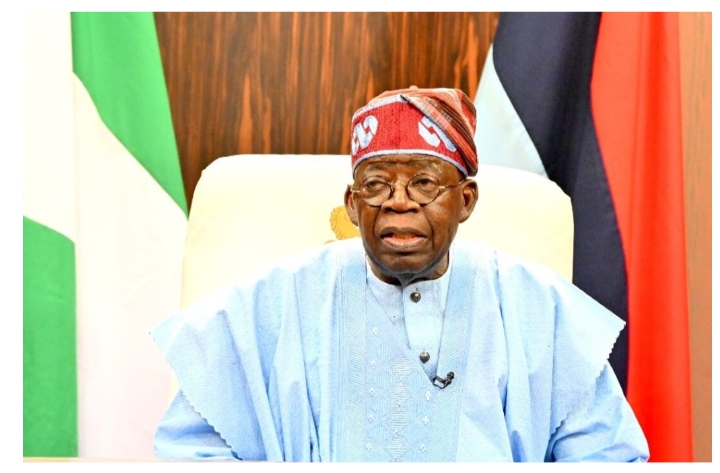
The Centre for the Promotion of Private Enterprise (CPPE) and the Lagos Chamber of Commerce and Industry (LCCI) have called for trade expansion ahead of President Bola Tinubu’s state visit to the United Kingdom.
In separate communications, the organisations urged President Tinubu to deepen economic ties as he visits the UK on the invitation of the King of England, King Charles III. His state visit to the UK next week will mark Nigeria’s first such visit to the UK in 37 years, when Military President Ibrahim Babangida was head of state.
The chief executive of CPPE, Mr Muda Yusuf, said the planned visit by Mr Tinubu to the UK is significant on multiple fronts.
“At a time of shifting global alliances and economic realignments, the visit presents both opportunity and responsibility.
“It is expected that leading Nigerian business figures will accompany the President, creating a platform for expanding trade flows, deepening investment partnerships, promoting Nigeria as a destination for capital, and strengthening financial-sector linkages.
“The UK remains a major source of portfolio flows, development finance, and private-sector investment into Nigeria. Structured engagements during the visit could unlock opportunities in infrastructure, energy, financial services, technology, manufacturing, and agribusiness,” Mr Yusuf stated.
On her part, the Director General of the LCCI, Mrs Chinyere Almona, noted that the visit represents a historic opportunity to recalibrate Nigeria–UK relations from traditional diplomacy to focused economic diplomacy.
“At a time when Nigeria is implementing bold macroeconomic reforms, this visit should be leveraged to secure concrete commitments on trade expansion, long-term investment, and cooperation on the business environment.
“From the perspective of the Lagos Chamber of Commerce and Industry, the overriding objective should be to translate goodwill into measurable economic outcomes that strengthen Nigeria’s productive base and export capacity,” she said.
According to her, recent data underscore the strategic importance of the UK to Nigeria’s economy, noting that in Q3 2025, Nigeria recorded capital importation of approximately US$6.01 billion, representing a significant year-on-year surge.
“Notably, the United Kingdom emerged as Nigeria’s largest source of capital inflows, accounting for about US$2.94 billion, or nearly half of total inflows during the quarter. These inflows were driven predominantly by portfolio investment, particularly into the financial and banking sectors, reflecting renewed foreign investor confidence following Nigeria’s macroeconomic adjustments.
“On the trade front, total trade in goods and services between Nigeria and the UK stood at approximately £8 billion in the 12 months to mid-2025,” she said.
She said, however, that the relationship remains structurally imbalanced, with UK exports to Nigeria significantly exceeding Nigeria’s exports to the UK.
“Ultimately, the economic agenda of this state visit should be guided by Nigeria’s most pressing challenges: export diversification, inflation-induced cost pressures, infrastructure deficits, and the need for stable long-term capital,” Mrs Almona said in an interview with Nairametrics.


By Dipo Olowookere
The Economic and Financial Crimes Commission (EFCC) has frowned on the use of foreign currencies for financial transactions in Nigeria, saying this could disrupt the nation’s stability.
The acting Zonal Director of the agency in Ilorin, Mrs Victoria Ugo-Ali, informed the Central Bank of Nigeria (CBN) that the EFCC chairman, Mr Ola Olukoyede, is determined to curb the increasing preference for foreign currencies in domestic transactions, describing the practice “as a serious threat to the stability of the nation’s financial system.”
Speaking during a courtesy visit to the Branch Controller of the Ilorin Branch of the central bank, Mr Monga Muhammed, on Tuesday, Mrs Ugo-Ali noted that “many economic and financial crimes are perpetrated through financial institutions,” stressing the importance of timely intelligence and reports on suspicious transactions.
She called on the apex bank to continue providing the commission with relevant financial intelligence that would aid investigations and help curb money laundering and other financial crimes.
She also reiterated that the growing preference for foreign currencies in local transactions undermines the value of the naira and weakens public confidence in the national currency.
In his response, Mr Muhammed commended the Zonal Director and the management team of the EFCC for the visit, promising to sustain and deepen the already cordial relationship between the two organisations.
He described the engagement as the first of its kind and expressed optimism that it would further strengthen the cooperation between both institutions.
“At our end here, we will continue to partner with you because we carry out complementary functions. While your duty is to tackle economic and financial crimes, our responsibility, primarily as the apex bank, is to stabilise the economy and regulate financial institutions. We will not fail in that regard,” he said.
The CBN Branch Controller further disclosed that the apex bank had put several measures in place to address naira abuse and the dollarisation of the economy.
According to him, the CBN has the capacity to track currency in circulation and would not hesitate to apply appropriate sanctions against individuals or organisations found trading illegally in the nation’s currency.












-
 Feature/OPED6 years ago
Davos was Different this year
-
Travel/Tourism10 years ago
Lagos Seals Western Lodge Hotel In Ikorodu
-

 Showbiz3 years ago
Estranged Lover Releases Videos of Empress Njamah Bathing
-
 Banking8 years ago
Sort Codes of GTBank Branches in Nigeria
-

 Economy3 years ago
Subsidy Removal: CNG at N130 Per Litre Cheaper Than Petrol—IPMAN
-

 Banking3 years ago
Sort Codes of UBA Branches in Nigeria
-

 Banking3 years ago
First Bank Announces Planned Downtime
-

 Sports3 years ago
Highest Paid Nigerian Footballer – How Much Do Nigerian Footballers Earn