
Feature/OPED
11 Actions Required for Speedy Economic Turnaround

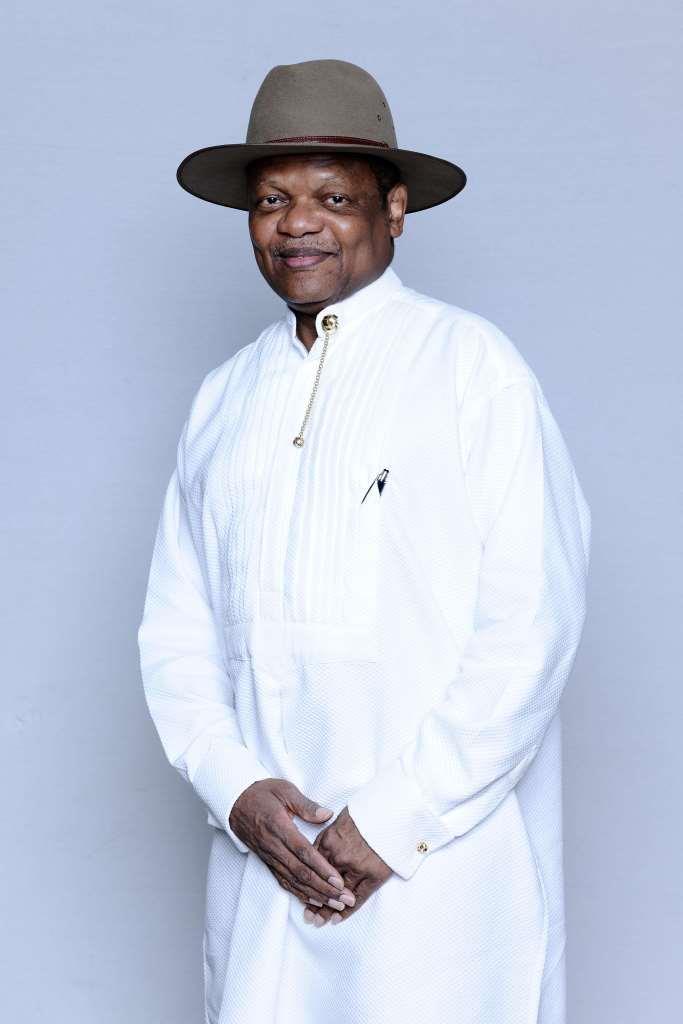
By Atedo Peterside
The Federal Government of Nigeria (FGN) is doing some things right, such as the effort to curb overhead expenditures and to be more frugal than past administrations, but then they are also doing many things wrong.
There is a reluctance to completely break from the past and embrace significant economic reforms, even when our present predicament clearly warrants same.
We are now facing an economic crisis. A crisis is an inflection point. It is that point when multiple outcomes become possible. 2017 represents the last full calendar year that this administration has within which it must embrace major economic reforms, if it expects to still attain many of the more palatable economic outcomes. It is no use arguing over who or what caused the economic recession (-2% growth) and high inflation rate (over 18.5% p.a.) that we are currently facing; far better to focus on what we need to do to get us out of this sorry state.
There are several units within the FGN that appear to be working hard. Sadly, most of them are working in “silos” and solving fringe problems. What appears to be still missing is a bold, holistic and audacious effort to harmonize fiscal, monetary, exchange rate, trade and macro-prudential policies in a concerted manner. Very few people want to take on the “big gorilla” in the room. That is why the impact of the FGN’s Economic Management Team is not being felt. Because many fear for their jobs, they are not interested in tackling their colleagues whose actions are negating and/or eliminating the most positive outcomes that the Government owes the electorate.
I know that there are those who will criticize me for saying that the FGN’s economic policy direction remains unclear. My response to them is that the most significant economic reforms embraced so far by FGN came about rather reluctantly i.e. by FGN hanging on to an untenable position until it eventually disentangled itself or got overpowered by its own internal contradictions. We saw this with petrol prices and also the devaluation of the naira. When these “reforms” came, they arrived in the form of half-measures. Thus, we stopped short of full petrol price deregulation and introduced an unsustainable price fix instead. We equally stopped short of adopting truly market-determined exchange rates and instead embraced a “fudge” that spewed widely divergent multiple exchange rates. Half measures typically bring some pain, but often fail (as in this case) to yield any lasting gain.
The rest of this article will discuss ELEVEN major policy actions which the FGN should consider. We must shake off the indolent mindset that leads us to believe that all Constitutional changes are taboo. Accordingly, I seek to draw attention to the following eleven important items on which major action is still required:-
1) The Central Bank of Nigeria (CBN) should accept that it’s foreign exchange and demand management policies have failed. The more restrictions they have placed on forex repatriation the less likely it has become that badly needed forex inflows from portfolio investors, foreign direct investors and Nigerians will pick up. Privileged access to CBN’s forex allocations has become the best investment game in town for the politically well-connected. Furthermore, the directive to banks to allocate 60% of forex to manufacturers, who account for only 10% of GDP (including owners of zombie industries which are horribly import-dependent) has exacerbated an already bad supply situation. 40% is much too small to accommodate the rest of the economy and so all other sectors (90% of GDP) have been crippled. This has unleashed panic thereby sending the parallel market to the high heavens. Forex inflows disappeared partly because of the uncertainty surrounding the ability to repatriate interest/dividends through an overly restrictive 40% window. There is no scientific basis for this 60%/40% rule. Meanwhile it has huge adverse distortionary implications on the supply side.
The end result has been our mind-boggling and widely divergent multiple exchange rates which have spooked investors who have taken fright and also taken flight. Sadly, we have effectively “shot ourselves in the foot” by taking ill-advised actions that crippled both forex inflows and the Service sector in particular (over 50% of GDP);
2) Three preceding administrations ended up brokering peace deals with Niger Delta militants. FGN should urgently pursue high-powered negotiations which should be brokered by persons with a healthy track record in this activity and the ancillary pipeline protection business – it can net FGN $6bn a year. In the longer term, I favour a constitutional amendment that reserves a one per cent (1%) royalty payment to immediate host communities on ALL mining and mineral producing activity (including limestone, oil, precious stones etc.). Communities will then be well incentivized to keep production activity going. This is preferable to a long-term reliance on amnesty payments which constitute a moral hazard. A 13% derivation payment to a possibly “unaccountable and distant” State Governor does not filter down to host communities;
3) We should simultaneously embark upon some asset sales which improve long-term efficiency and will yield foreign currency. I argued in my 01 October, 2016 published LETTER TO MY COUNTRYMEN that the FGN share of the major Oil Joint Ventures (IOCs) should be sold down to 40% or no more than 49%. This would represent a replica of the highly successful Nigeria LNG (NLNG) model that provides a healthy dividend stream for the Government. If it is good for NLNG, then it should be good for the IOCs too. Asset sales can yield $15-20 billion over the course of the next two years if planned carefully;
4) We urgently need to deregulate the entire downstream petroleum sector and also privatise NNPC’s three refineries + depots and pipelines and domestic gas;
5) Our civil/public service is still bloated, corrupt and inefficient and has become the excuse for a privileged 2% of the population to consume close to 60-70% of the annual budget via the recurrent expenditure vote. Methinks mass redundancies are now inevitable because the nation is stuck with a public service and legislators that we could only afford at $100 per barrel oil prices;
6) Less than 25% of our 36 States are economically viable. The obvious answer is political restructuring, as unpalatable as it may sound to some. In terms of overhead spending, we have to rejig our political structure so that significant overheads are transferred from 36 states to 6 zonal centres. We should keep an open mind towards this political restructuring argument because it is not even true that homogeneity within a State or zone necessarily guarantees peace. Somalia is homogenous and yet it is probably the closest thing there is today globally to a failed State. Conversely, there are communities, States and nations around the world which are heterogeneous, but which are living peacefully together;
7) To help overcome, the social and physical infrastructure deficit, we must embrace the private sector as the engine of growth and a capable partner/financier of infrastructural development. The Power and Transportation sectors are crying for more and not less privatisation. The logic of the power sector reforms was built around the adoption of cost-reflective tariffs, which we have since thrown out of the window. The transmission sector and gas supply difficulties are some of the other weak links in the power value chain;
8) A dysfunctional legal system is an impediment to the rapid growth of a modern economy. The Chief Justice of the Federation must “buy into” and spearhead radical reform of our legal system;
9) The anticorruption crusade will only complement the positive changes envisaged above if the Government itself respects the rule of law and obeys the Courts. We should err on the side of extending the “benefit of the doubt” to accused persons whenever allegations cannot be proven beyond reasonable doubt. It is better to let four people who might be guilty go free than to convict one innocent man. The latter drains all the energy out of the anticorruption crusade and also destroys business confidence;
10) Restoring business confidence should be the primary preoccupation guiding virtually every statement by public officers. This calls for a paradigm shift because the current preoccupation is for every Minister, Governor, Regulator or overzealous official to threaten investors with closure, bankruptcy, fines or seizure of their goods. Frightened businessmen (local or foreign) will not invest. We should be wooing investors instead of threatening them;
11) FGN should immediately appoint directors to the boards of every regulatory agency. The important lesson from the recent Financial Reporting Council of Nigeria imbroglio is that a single rogue regulator can hold the entire system to ransom, help destroy business confidence and hamper economic growth. This only becomes possible when the checks and balances which our laws envisaged, through the appointment of Boards, Council members or Commissioners, are not in place.
CONCLUSION
Our economy is underperforming because, amongst other things, it is caught up in a low foreign exchange trap. Borrowing forex without instituting necessary and badly needed economic and structural reforms is akin to suicide. Those who are canvassing for more foreign debt simply because our debt/GDP ratio is low are overlooking the fact that our debt service ratios are already high. Our debt service ratios are high because our Tax/GDP ratio at 6% is exceedingly poor and so it will require a few years of concerted action to raise it significantly. Relying on debt alone to ease the forex trap is therefore a high risk strategy. That is why I also emphasise 2) and 3) above.
Nigerians take pride in arguing that the Lord loves us and so he always intervenes by bringing us back from the precipice in the nick of time. I do not doubt that. What I truly believe is that the Lord intervenes through people. After the unbridled insults that were heaped on the Emir of Kano and a few others who dared to tell the Government the truth about the parlous state of our economy, the easiest path for me would have been to keep quiet or to simply blame speculators, detractors or past regimes. If I did that then the attack dogs would have won. NO, I am not about to abandon my right to free speech on account of some insincere sycophants.
I speak because I want my country to improve.
So help me God.
*Atedo N A Peterside, CON, is the President & Founder of ANAP Foundation and is also the Chairman of Stanbic IBTC Holdings Plc and Cadbury Nigeria Plc
(Extracted from a presentation delivered in Abuja on 19 Jan. 2017 at the 14th Daily Trust Dialogue on BEYOND RECESSION: TOWARDS A RESILIENT ECONOMY) Twitter: @AtedoPeterside




Feature/OPED
Why President Tinubu Must End Retirement Age Disparity Between Medical and Veterinary Doctors Now

By James Ezema
To argue that Nigeria cannot afford policy inconsistencies that weaken its already fragile public health architecture is not an exaggeration. The current disparity in retirement age between medical doctors and veterinary professionals is one such inconsistency—one that demands urgent correction, not bureaucratic delay.
The Federal Government’s decision to approve a 65-year retirement age for selected health professionals was, in principle, commendable. It acknowledged the need to retain scarce expertise within a critical sector. However, by excluding veterinary doctors and veterinary para-professionals—whether explicitly or by omission—the policy has created a dangerous gap that undermines both equity and national health security.
This is not merely a professional grievance; it is a structural flaw with far-reaching consequences.
At the heart of the issue lies a contradiction the government cannot ignore. For decades, Nigeria has maintained a parity framework that places medical and veterinary doctors on equivalent footing in terms of salary structures and conditions of service. The Consolidated Medical Salary Structure (CONMESS) framework recognizes both professions as integral components of the broader health ecosystem. Yet, when it comes to retirement policy, that parity has been abruptly set aside.
This inconsistency is indefensible.
Veterinary professionals are not peripheral actors in the health sector—they are central to it. In an era defined by zoonotic threats, where the majority of emerging infectious diseases originate from animals, excluding veterinarians from extended service retention is not only unfair but strategically reckless.
Nigeria has formally embraced the One Health approach, which integrates human, animal, and environmental health systems. But policy must align with principle. It is contradictory to adopt One Health in theory while sidelining a core component of that framework in practice.
Veterinarians are at the frontline of disease surveillance, outbreak prevention, and biosecurity. They play critical roles in managing threats such as anthrax, rabies, avian influenza, Lassa fever, and other zoonotic diseases that pose direct risks to human populations. Their contribution to safeguarding the nation’s livestock—estimated in the hundreds of millions—is equally vital to food security and economic stability.
Yet, at a time when their relevance has never been greater, policy is forcing them out prematurely.
The workforce realities make this situation even more alarming. Nigeria is already grappling with a severe shortage of veterinary professionals. In some states, only a handful of veterinarians are available, while several local government areas have no veterinary presence at all. Compelling experienced professionals to retire at 60, while their medical counterparts remain in service until 65, will only deepen this crisis.
This is not a theoretical concern—it is an imminent risk.
The case for inclusion has already been made, clearly and responsibly, by the Nigerian Veterinary Medical Association and the Federal Ministry of Livestock Development. Their position is grounded in logic, policy precedent, and national interest. They are not seeking special treatment; they are demanding consistency.
The current circular, which limits the 65-year retirement age to clinical professionals in Federal Tertiary Hospitals and excludes those in mainstream civil service structures, is both administratively narrow and strategically flawed. It fails to account for the unique institutional placement of veterinary professionals, who operate largely outside hospital settings but are no less critical to national health outcomes.
Policy must reflect function, not merely location.
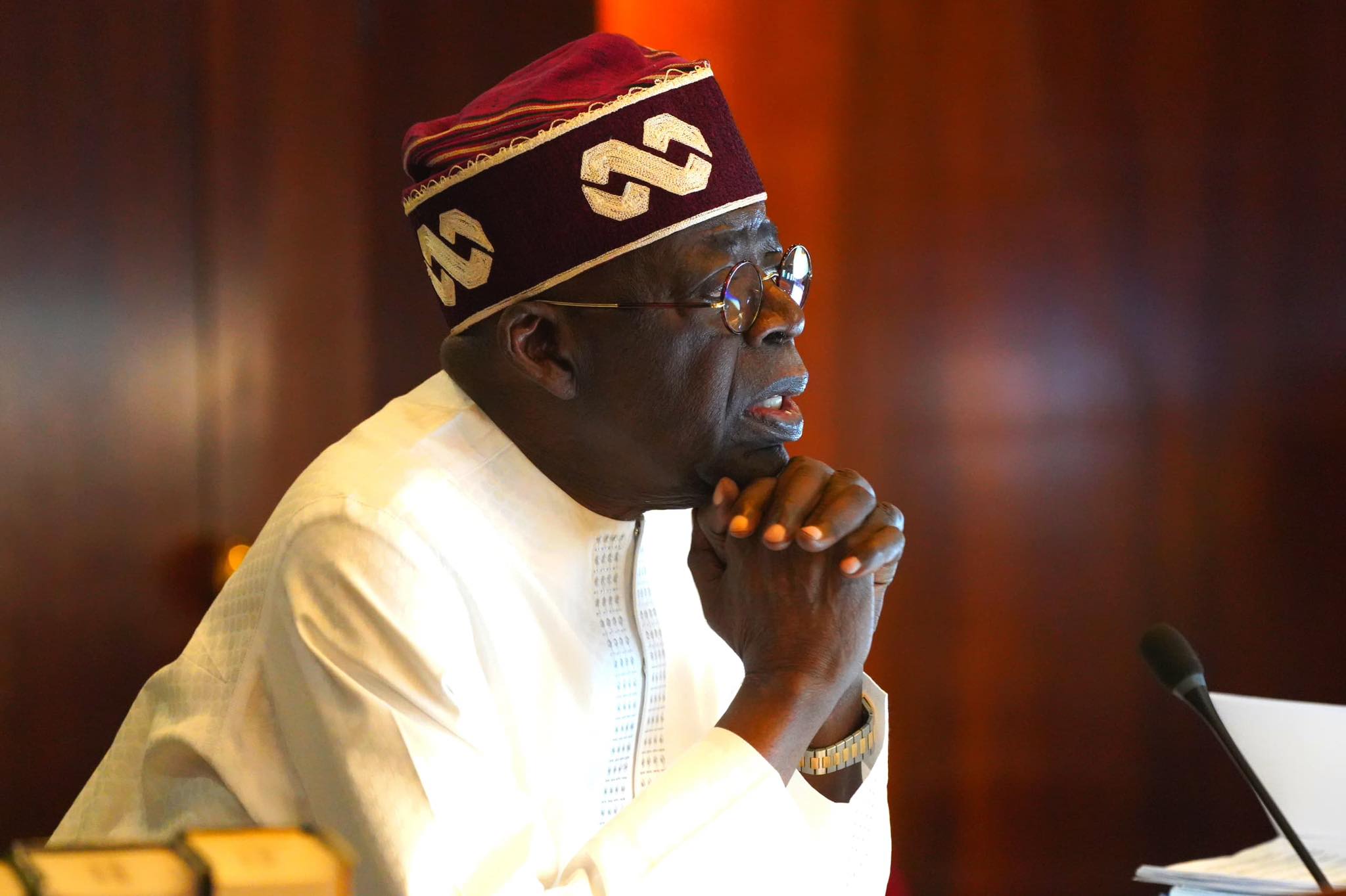
This is where decisive leadership becomes imperative. The responsibility now rests squarely with Bola Ahmed Tinubu to address this imbalance and restore coherence to Nigeria’s health and civil service policies.
A clear directive from the President to the Office of the Head of the Civil Service of the Federation can correct this anomaly. Such a directive should ensure that veterinary doctors and veterinary para-professionals are fully integrated into the 65-year retirement framework, in line with existing parity policies and the realities of modern public health.
Anything less would signal a troubling disregard for a sector that plays a quiet but indispensable role in national stability.
This is not just about fairness—it is about foresight. Public health security is interconnected, and weakening one component inevitably weakens the entire system.
Nigeria stands at a critical juncture, confronted by complex health, food security, and economic challenges. Retaining experienced veterinary professionals is not optional; it is essential.
The disparity must end—and it must end now.
Comrade James Ezema is a journalist, political strategist, and public affairs analyst. He is the National President of the Association of Bloggers and Journalists Against Fake News (ABJFN), National Vice-President (Investigation) of the Nigerian Guild of Investigative Journalists (NGIJ), and President/National Coordinator of the Not Too Young To Perform (NTYTP), a national leadership development advocacy group. He can be reached via email: [email protected] or WhatsApp: +234 8035823617.

By Blaise Udunze
Following the successful conclusion of the banking sector recapitalisation programme initiated in March 2024 by the Central Bank of Nigeria, the industry has raised N4.65 trillion. No doubt, this marks a significant milestone for the nation’s financial system as the exercise attracted both domestic and foreign investors, strengthened capital buffers, and reinforced regulatory confidence in the banking sector. By all prudential measures, once again, it will be said without doubt that it is a success story.
Looking at this feat closely and when weighed more critically, a more consequential question emerges, one that will ultimately determine whether this achievement becomes a genuine turning point or merely another financial milestone. Will a stronger banking sector finally translate into a more productive Nigerian economy, or will it be locked out?
This question sits at the heart of Nigeria’s long-standing economic contradiction, seeing a relatively sophisticated financial system coexisting with weak industrial output, low productivity, and persistent dependence on imports truly reflects an ironic situation. The fact remains that recapitalisation, by design, is meant to strengthen banks, enhancing their ability to absorb shocks, manage risks and support economic growth. According to the apex bank, the programme has improved capital adequacy ratios, enhanced asset quality, and reinforced financial stability. Under the leadership of Olayemi Cardoso, there has also been a shift toward stricter risk-based supervision and a phased exit from regulatory forbearance.
These are necessary reforms. A stable banking system is a prerequisite for economic development. However, the truth be told, stability alone is not sufficient because the real test of recapitalisation lies not in stronger balance sheets, but in how effectively banks channel capital into productive economic activity, sectors that create jobs, expand output and drive exports. Without this transition, recapitalisation risks becoming an exercise in financial strengthening without economic transformation.
Encouragingly, early signals from industry experts suggest that the next phase of banking reform may begin to address this long-standing gap. Analysts and practitioners are increasingly pointing to small and medium-sized enterprises (SMEs) as a key destination for recapitalisation inflows, which is a fact beyond doubt. Given that SMEs account for over 70 per cent of registered businesses in Nigeria, the logic is compelling. With great expectation, as has been practicalised and established in other economies, a shift in credit allocation toward this segment could unlock job creation, stimulate domestic production, and deepen economic resilience. Yet, this expectation must be balanced with reality. Historically, and of huge concern, SMEs have received only a marginal share of total bank credit, often due to perceived risk, lack of collateral, and weak credit infrastructure.
Indeed, Nigeria’s broader financial intermediation challenge remains stark. Even as the giant of Africa, private sector credit stands at roughly 17 per cent of GDP, and this is far below the sub-Saharan African average, while SMEs receive barely 1 per cent of total bank lending despite contributing about half of GDP and the vast majority of employment. These figures underscore the structural disconnect between the banking system and the real economy. Recapitalisation, therefore, must be judged not only by the strength of banks but by whether it meaningfully improves this imbalance.
Nigeria’s economic challenge is not merely one of capital scarcity; it is fundamentally a problem of low productivity. Manufacturing continues to operate far below capacity, agriculture remains largely subsistence-driven, and industrial output contributes only modestly to GDP. Despite decades of banking sector expansion, credit to the real sector has remained limited relative to the size of the economy. Instead, banks have often gravitated toward safer and more profitable avenues such as government securities, treasury instruments, and short-term trading opportunities.
This is not irrational. It reflects a rational response to risk, policy signals, and market realities. However, it has created a structural imbalance in which capital circulates within the financial system without sufficiently reaching the productive economy. The result is a pattern where financial sector growth outpaces real sector development, a phenomenon widely described as financialisation without productivity gains.
At the centre of this challenge is the issue of credit allocation. A recapitalised banking sector, strengthened by new capital and improved buffers, should theoretically expand lending. But this is, contrarily, because the more important question is where that lending will go. Will Nigerian banks extend long-term credit to manufacturers, finance agro-processing and value chains, and support scalable SMEs, or will they continue to concentrate on low-risk government debt, prioritise foreign exchange-related gains, and maintain conservative lending practices in the face of macroeconomic uncertainty? Some of these structural questions call for immediate answers from policymakers.
Some industry voices are optimistic that the expanded capital base will translate into a broader loan book, increased investment in higher-risk sectors, and improved product offerings for depositors; this is not in doubt. There are also expectations that banks will scale operations across the continent, leveraging stronger balance sheets to expand their regional footprint. Yes, they are expected, but one thing that must be made known is that optimism alone does not guarantee transformation. The fact is that without deliberate incentives and structural reforms, capital may continue to flow toward low-risk assets rather than high-impact sectors.
Beyond lending, experts are also calling for a shift in how banking success is measured. The next phase of reform, according to the experts in their arguments, must move from capital thresholds to customer outcomes. This includes stronger consumer protection frameworks, real-time complaint management systems and more transparent regulatory oversight. A more technologically driven supervisory model, one that allows regulators to monitor customer experiences and detect systemic risks early, could play a critical role in strengthening trust and accountability within the system.
This dimension is often overlooked but deeply significant. A banking system that is well-capitalised but unresponsive to customer needs risks undermining public confidence. True financial development is not only about capital strength but also about accessibility, fairness, and service quality. Nigerians must feel the impact of recapitalisation not just in improved financial ratios, but in better banking experiences, more inclusive services, and greater economic opportunity.
The recapitalisation exercise has also attracted notable foreign participation, signalling confidence in Nigeria’s banking sector. However, confidence in banks does not necessarily translate into confidence in the broader economy. The truth is that foreign investors are typically drawn to strong regulatory frameworks, attractive returns, and market liquidity, though the facts are that these factors make Nigerian banks appealing financial assets; it must be made explicitly clear that they do not automatically reflect confidence in the country’s industrial base or productivity potential.
This distinction is critical. An economy can attract capital into its financial sector while still struggling to attract investment into productive sectors. When this happens, growth becomes financially driven rather than fundamentally anchored. The risk, therefore, is that recapitalisation could deepen Nigeria’s financial markets, but what benefits or gains when banks become stronger or liquid without addressing the structural weaknesses of the real economy.
It is clear and explicit that the current policy direction of the CBN reflects a strong emphasis on stability, with tightened supervision, improved transparency, and stricter prudential standards. These measures are necessary, particularly in a volatile global environment. However, there is an emerging concern that stability may be taking precedence over growth stimulation, which should also be a focal point for every economy, of which Nigeria should not be left out of the equation. Central banks in emerging markets often face a delicate balancing act, and this is putting too much focus on stability, which can constrain credit expansion, while too much emphasis on growth can undermine financial discipline, as this calls for a balance.
In Nigeria’s case, the question is whether sufficient mechanisms exist to align banking sector incentives with national productivity goals. Are there enough incentives to encourage long-term lending, sector-specific financing, and innovation in credit delivery? Or does the current framework inadvertently reward risk aversion and short-term profitability?
Over the past two decades, it has been a herculean experience as Nigeria’s economic trajectory suggests a growing disconnect between the financial sector and the real economy. Banks have become larger, more sophisticated and more profitable, yet the irony is that the broader economy continues to struggle with high unemployment, low industrial output, and limited export diversification. This divergence reflects the structural risk of financialization, a condition in which financial activities expand without a corresponding increase in real economic productivity.
If not carefully managed, recapitalisation could reinforce this trend. With more capital at their disposal, banks may simply scale existing business models, expanding financial activities that generate returns without contributing meaningfully to production. The point is that this is not solely a failure of the banking sector; it is a systemic issue shaped by policy design, regulatory priorities, and market incentives, which needs the urgent attention of policymakers.
Meanwhile, for recapitalisation to achieve its intended purpose and truly work, it must be accompanied by a deliberate shift or intentional policy change from capital accumulation to productivity enhancement and the economy to produce more goods and services efficiently. This begins with creating stronger incentives for real sector lending with differentiated capital requirements based on sector exposure, credit guarantees for high-impact industries, and interest rate support for priority sectors, which can encourage banks to channel funds into productive areas, and this must be driven and implemented by the apex bank to harness the gains of recapitalisation.
This transformative process is not only saddled with the CBN, but the Development finance institutions also have a critical role to play in de-risking long-term investments, making it easier for commercial banks to participate in financing projects that drive economic growth. At the same time, one of the missing pieces that must be taken into cognisance is that regulatory frameworks should discourage excessive concentration in risk-free assets. No doubt, banks thrive in profitability, as government securities remain important; overreliance on them can crowd out private sector credit and limit economic expansion.
Innovation in financial products is equally essential. Traditional lending models often fail to meet the needs of SMEs and emerging industries, as this has continued to hinder growth. Banks must explore new approaches, including digital lending platforms, supply chain financing, and blended finance solutions that can unlock new growth opportunities, while they extend their tentacles by saturating the retail space just like fintech.
Accountability must also be embedded in the system. One fact is that if recapitalisation is justified as a tool for economic growth, then its outcomes and gains must be measurable and not obscure. Increased credit to productive sectors, higher industrial output and job creation should serve as key indicators of success. Without such metrics, the exercise risks being judged solely by financial indicators rather than its real economic impact.
The completion of the recapitalisation programme represents more than a regulatory achievement; it is a defining moment for Nigeria’s economic future. The country now has a banking sector that is better capitalised, more resilient, and more attractive to investors. These are important gains, but they are not ends in themselves.
The ultimate objective is to build an economy that is productive, diversified, and inclusive. Achieving this requires more than strong banks; it requires banks that actively power economic transformation.
The N4.65 trillion recapitalisation is a significant step forward. It strengthens the foundation of Nigeria’s financial system and enhances its capacity to support growth. However, capacity alone is not enough and truly not enough if the gains of recapitalisation are to be harnessed to the latter. What matters now is how that capacity is deployed.
Some of the critical questions for urgent attention are as follows: Will banks rise to the challenge of financing Nigeria’s productive sectors, particularly SMEs that form the backbone of the economy? Will policymakers create the right incentives to ensure credit flows where it is most needed? Will the financial system evolve from a focus on profitability to a broader commitment to the economic purpose of fostering a more productive Nigerian economy and the $1 trillion target?
The above questions are relevant because they will determine whether recapitalisation becomes a catalyst for change or a missed opportunity if not taken into cognisance. A well-capitalised banking sector is not the destination; it is the starting point. The real journey lies in building an economy where capital works, productivity rises, and growth becomes both sustainable and inclusive.
Blaise, a journalist and PR professional, writes from Lagos and can be reached via: [email protected]
By Prince Charles Dickson, PhD
Every generation of Nigerian politics likes to imagine that its quarrel is unprecedented, that its betrayals are original, that its intrigue is wearing a crown no earlier intrigue ever touched. But Nigerian politics is an old drummer. It changes songs, not rhythm. The names change. The costumes improve. The microphones get better. Yet the same questions keep returning like harmattan dust: What is opposition for? Is it a moral force, a strategic waiting room, or merely a branch office of the ruling instinct?
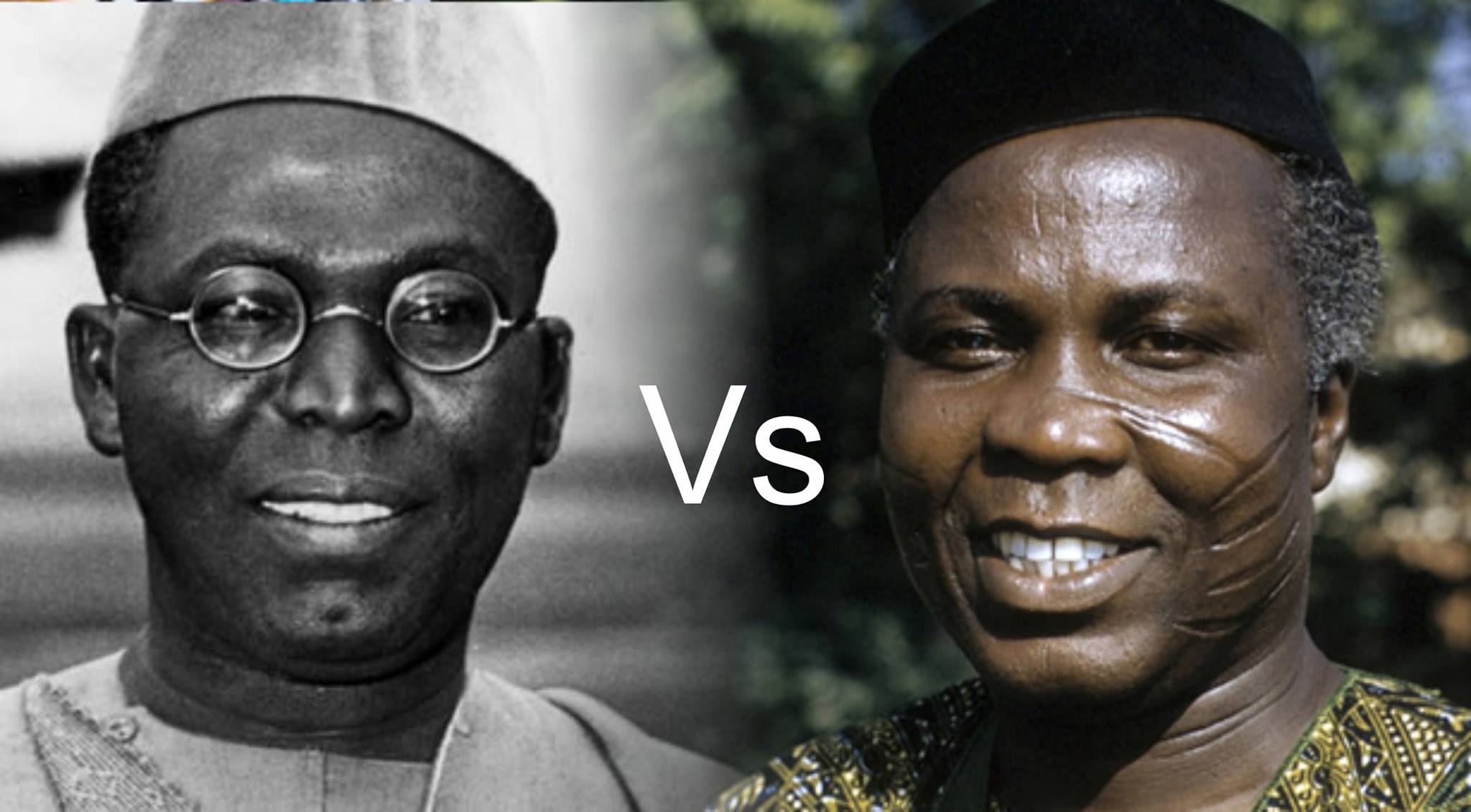
To ask that question seriously is to walk back into the haunted chamber of Awolowo and Akintola. What began as a struggle inside the Action Group was not just a disagreement between two brilliant men. It was a collision of political temperaments, ideological direction, ambition, and the larger architecture of power in Nigeria. Awolowo, who moved to the federal centre as opposition leader after 1959, was increasingly identified with a broader ideological project. Akintola, by contrast, came to embody a more conservative, region-focused and business-oriented current, and his openness to working with the Northern-dominated federal establishment deepened the rupture. By mid-1962, Awolowo’s camp had repudiated Akintola; the federal government declared a state of emergency in the Western Region and restored him in 1963. The bitterness of that split, and the wreckage that followed, helped poison the First Republic.
That is why the Awolowo-Akintola feud still matters. It was not gossip in an agbada. It was an early Nigerian lesson that opposition can die in two ways. It can be strangled from outside by a hostile ruling order. Or, more dangerously, it can decay from within, when conviction gives way to access, when strategy becomes personal survival, when party machinery becomes a theatre of ego. The Western crisis was, in that sense, not only about who should lead. It was about whether opposition should remain an instrument of principle or become a bargaining chip in the market of power.
Kano and Kaduna then enter the story like twin furnaces of northern political memory. Kano carries the old radical grammar of Aminu Kano, NEPU, Sawaba, talakawa politics, the language of emancipation rather than patronage. Oxford’s entry on Aminu Kano notes his struggle against corruption and oppression in the emirate order and his commitment to democratizing Northern Nigeria. The PRP’s own profile, lodged with INEC, explicitly roots itself in NEPU’s legacy and recalls that the PRP had two state governments in the Second Republic: Kaduna and Kano. In other words, both states are not accidental footnotes in the story of Nigerian opposition. They are ancestral terrain.
Then came 1999 and the Fourth Republic, with the PDP arriving not merely as a party but as a vast political weather system. Founded in 1998 and quickly becoming dominant, winning the presidency and legislative majorities in 1999 and retained national control for years. Opposition existed, yes, but it was fragmented, regional, underpowered, and often more symbolic than threatening. That era did not abolish opposition. It domesticated it.
The great interruption came in 2013, when the APC was formed through the merger of major opposition forces. That merger worked because it answered a Nigerian truth older than any campaign slogan: power rarely yields to scattered complaint. It yields to a disciplined coalition. The APC emerged from the merger of ACN, CPC, ANPP, and part of APGA, and in 2015, Buhari’s victory marked the first time an incumbent was defeated and the first inter-party transfer of power in Nigeria’s post-independence history. Reuters described it plainly as a historic democratic transfer. For a brief moment, opposition in Nigeria looked like more than lamentation. It looked like a ladder.
But even that victory carried a warning label. The problem with Nigerian opposition is that once it wins, it often stops being opposition in spirit and becomes merely the next landlord in the same building. An academic review of Nigeria’s democratic journey notes that the APC and PDP share many structural defects, and even cites the broader judgment that little distinguishes the two main parties because both are fluid elite networks with weak ideology. That diagnosis is painful because it explains so much. In Nigeria, opposition too often opposes only until the gates open. After that, the vocabulary changes, but the appetite stays the same.
This is where Kano and Kaduna become especially revealing from 1999 till now. Kano has repeatedly shown a willingness to defy neat national binaries, and in the 2023 election, it backed Rabiu Kwankwaso of the NNPP in the presidential race while also electing Abba Kabir Yusuf of the NNPP as governor. Kaduna told a different but equally interesting story: it voted Atiku Abubakar of the PDP in the presidential contest, yet elected APC’s Uba Sani as governor. CDD West Africa described the 2023 election as unusually fragmented, noting that all four major presidential contenders won at least one state and that states like Kano, Lagos, and Rivers split among three different parties. So, Kano and Kaduna have not been passive spectators in the Nigerian democratic drama. They have been laboratories of resistance, fragmentation, coalition, and contradiction.
And now we arrive at the present crossroads, where the phrase “one-party state” is no longer a tavern exaggeration but a live political argument. Reuters reported in May 2025 that the APC endorsed President Tinubu for a second term while the opposition was widely seen as too divided and weak to mount a serious challenge, with high-profile defections strengthening the ruling party. AP later reported Tinubu’s denial that Nigeria was being turned into a one-party state, even as several governors and federal lawmakers had left opposition parties for the APC. By February 2026, major opposition leaders, including Atiku, Peter Obi, and Amaechi, were jointly rejecting the new Electoral Act, calling it anti-democratic and warning that it could help install a one-party order. Tinubu, for his part, has continued to insist that democracy requires room for the minority to speak.
So, is Nigeria now a one-party state? Not formally. Not yet. There are still multiple parties, multiple ambitions, multiple resentments, and multiple routes to elite reassembly. But that is not the only question that matters. A country can avoid the legal shell of one-party rule and still drift into the political culture of one-party dominance. That drift happens when the ruling party becomes the default shelter for frightened politicians, when defections replace debate, when opposition parties become war zones of internal ego, and when citizens begin to see parties not as platforms of principle but as bus stops for the next powerful convoy. The danger is less a constitutional decree than a democratic evaporation.
This is why the ghosts of Awolowo and Akintola are still standing by the roadside, watching us. Their quarrel warned that opposition without internal discipline can collapse into treachery, and that power at the centre always knows how to exploit a divided house. Kano reminds us that opposition can spring from social memory, from the stubborn dignity of people who do not always vote as ordered. Kaduna reminds us that politics is rarely simple, that a state can host both establishment power and insurgent sentiment in the same electoral season. And the Fourth Republic reminds us that opposition in Nigeria only works when it is more than noise, more than wounded ambition, more than a coalition of temporarily unemployed strongmen.
The real Nigerian danger, then, is not that one party will conquer the entire country by brilliance alone. It is that the opposition will continue to fail by habit. If opposition is only a queue for access, then the ruling party will keep eating its rivals one defection at a time. If, however, opposition rediscovers ideology, internal democracy, regional credibility, and the courage to look different from what it condemns, then the old republic may still whisper a useful lesson into the new one.
Awolowo and Akintola were not just fighting over a party. They were fighting over the soul of the political alternative in Nigeria. That battle never ended—May Nigeria win!
-
 Feature/OPED6 years ago
Davos was Different this year
-
Travel/Tourism10 years ago
Lagos Seals Western Lodge Hotel In Ikorodu
-

 Showbiz3 years ago
Estranged Lover Releases Videos of Empress Njamah Bathing
-
 Banking8 years ago
Sort Codes of GTBank Branches in Nigeria
-

 Economy3 years ago
Subsidy Removal: CNG at N130 Per Litre Cheaper Than Petrol—IPMAN
-

 Banking3 years ago
Sort Codes of UBA Branches in Nigeria
-

 Banking3 years ago
First Bank Announces Planned Downtime
-

 Sports3 years ago
Highest Paid Nigerian Footballer – How Much Do Nigerian Footballers Earn