
General
2027 Elections: Vice President Shettima’s Critics and Political Detractors

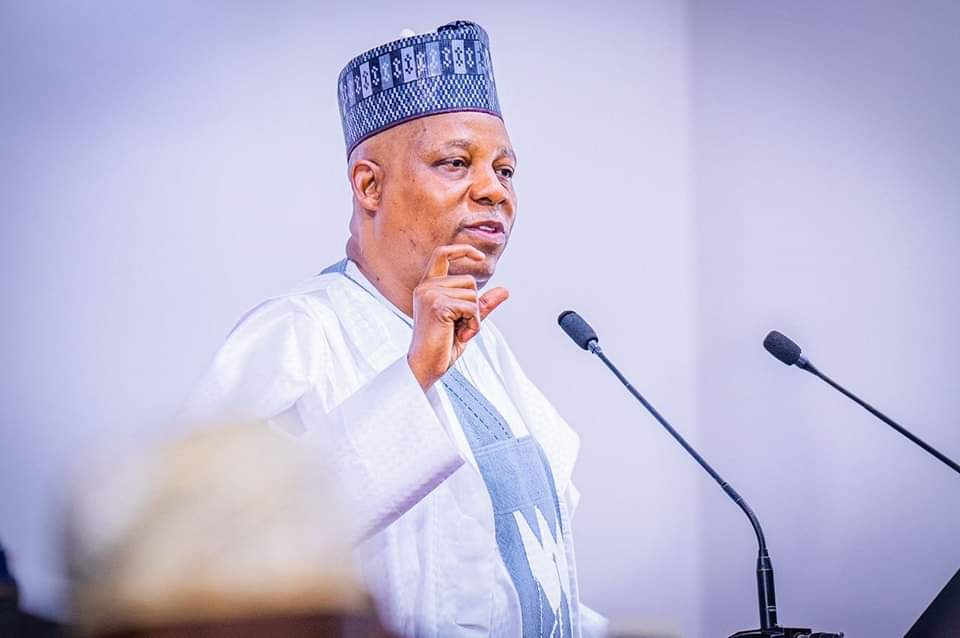
By Abba Dukawa
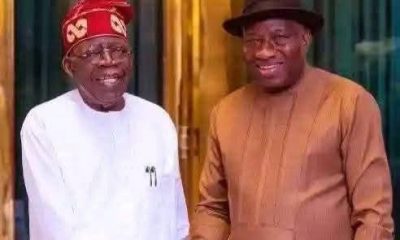
President Bola Tinubu and Vice President Kashim Shettima are indeed on the same ticket, representing the All Progressives Congress (APC). They ran together in the 2023 presidential election. However, there’s speculation about whether Shettima will remain Tinubu’s running mate in 2027 general elections.
According to reports, there are discussions about potential changes to the ticket for the 2027 presidential election, with some suggesting other northern minority christian or a politician from north West could replace Shettima. Despite this, there’s no official confirmation on the status of their joint ticket beyond the current term.
Clearly, his role diverges significantly from that of his predecessors, including Atiku Abubakar, Prof. Yemi Osinbajo, and Goodluck Jonathan. Despite being afforded some opportunities since the government’s inception, they haven’t been substantial enough to generate significant support or recognition.
“I struggle to understand why Shettima hasn’t been utilized to his full potential in this administration. For too long, he’s been consigned to ceremonial duties, only being acknowledged during high-profile events. Why isn’t he permitted to function similarly to his predecessors, given his vast experience? Is it due to external factors constrained his role? Furthermore, why does the economic team, led by the Vice President, appear to have a limited impact on shaping national economic policies?”
Shettima is indeed an exceptional politician, renowned for his astute understanding of politics and leadership. His ability to navigate complex political landscapes and build consensus has earned him respect from various quarters.
He has achieved remarkable success, winning elections three times and serving as Governor of Borno State for two terms, spanning eight years. He later became a Senator and eventually, the running mate to President Tinubu.
Notably, Shettima demonstrated exceptional leadership in rebuilding Borno after the devastating impact of terrorism. His experience, political acumen, and administrative expertise are unparalleled, setting him apart from others vying for the Vice Presidency.
As a seasoned politician with a deep understanding of the corridors of power, Shettima has consistently displayed high emotional intelligence, remaining composed amidst attempts to create tension between him and the President. Observations of his daily schedule reveal a demanding workload, yet he navigates it with ease, a testament to his work ethic honed during his time in Borno.
He has represented the President at prestigious forums like the World Economic Forum contributing to the influx of Foreign Direct Investments (FDIs) into the country. Also at the United Nations General Assembly showcasing his intellectual prowess.
Those vying for his position will likely be overshadowed once again by Shettima’s exceptional qualities. Despite their efforts to create tension by spreading rumours of rifts between him and the President, they seem unaware that in the realm of politics, loyalty and close alliances often take precedence when power dynamics are at play.
Amidst the negative narratives, Shettima has demonstrated remarkable emotional intelligence, showcasing his understanding of power dynamics and adapting seamlessly to various situations. His ability to navigate complex political landscapes is a testament to his experience and skill.
His detractors want him to challenge his boss, contest against him, and force him to plead not to run. They’d also have him prioritize cronyism, privatize national assets at throwaway prices, and perpetuate economic policies that benefit a select few at the expense of the many, exacerbating poverty and economic hardship.
Sometimes in early April, there was a publication by some blogs alleging that armed military units have barricaded the vice president from accessing the presidential villa. Nigeria’s VP has denied reports and said the claim is far-fetched and detached from reality.
His team attributed such misinformation to a lack of understanding of the Nigerian government’s inner workings, urging the public to disregard the malicious publication and advised the media to rely on credible sources, approaching sensational claims with caution.
With his exceptional ability to navigate complex situations and build strong relationships, Shettima has consistently demonstrated a high emotional intelligence quotient. His calm demeanor and thoughtful approach have earned him respect and admiration, setting him apart as a leader who truly understands the intricacies of power dynamics.
In another surprising twist in the political landscape, President Tinubu’s posters and billboards are currently displayed in various parts of Abuja, including Airport Road and the Central Business District. Campaign posters featuring his image have been circulating widely in Abuja, noticeably without Shettima’s picture. The President emphasized that until the Independent National Electoral Commission (INEC) sets the 2027 election timetable, he has not endorsed or authorized any campaign activities through any media channel.
However, the Presidency has dismissed rumors of a rift between the two leaders, attributing the false narratives to individuals seeking to create unnecessary tension. President asked his supporters to halt their re-election campaign efforts to avoid breaching INEC’s rules.
Naturally, the corridors of power often harbor mischief-makers. The relationship between Presidents and Vice Presidents in Nigerian politics has always been delicate, partly because the constitution doesn’t outline any independent responsibilities for the office of Vice President or Deputy Governor.
Under the 1999 Constitution, the Nigerian President wields significant power, akin to a constitutional monarch. As the Head of State, Chief Executive of the Federation, and Commander-in-Chief (Section 130(2)), the President serves as the country’s chief economic manager. Notably, while the Constitution vests legislative powers in institutions (Section 4) and judicial powers in institutions (Section 6), executive powers are vested directly in the President (Section 5).
In my humble opinion, attempts by certain political interests to reignite religious tensions ahead of the 2027 general elections are likely to fail. The opposition to Muslim-Muslim tickets was more intense in 2023 than it is now. Those who seek to vilify such tickets or imply that they’re an attempt to Islamize the country will be disappointed, as neither the President nor the Vice President has ever called on Christians to convert to Islam.
I’m confident that these tactics will backfire again in 2027, as the election will pit pragmatic, inclusive politics against the narrow, divisive agendas of some politicians. I hold Shettima in high esteem; he’s an exceptional politician with a deep understanding of politics and leadership.
Despite detractors’ efforts to drive a wedge between the President and the Vice President, he remains steadfast in promoting the administration’s agenda on every platform. Through his local and international engagements, he has successfully positioned Nigeria as a proactive contributor to global development and security initiatives, attracting foreign investment and fostering economic cooperation. His insights are truly transformative and a valuable asset to the administration.





By Adedapo Adesanya
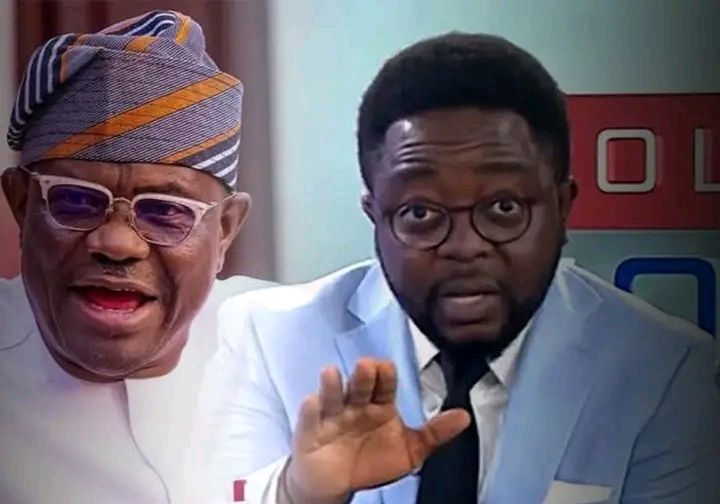
The Nigeria Guild of Editors (NGE) and the Socio-Economic Rights and Accountability Project (SERAP) have called on President Bola Tinubu to investigate the alleged threat issued against Channels Television presenter, Mr Seun Okinbaloye, by the Minister of the Federal Capital Territory, Mr Nyesom Wike.
The groups, in a joint statement by NGE President, Mr Eze Anaba, General Secretary, Mr Onuoha Ukeh, and SERAP Deputy Director, Mr Kolawole Oluwadare, on Monday, condemned the remarks and urged the federal government to “promptly, thoroughly, transparently and effectively investigate the threat.”
They also called on the government to ensure the safety of Mr Okinbaloye and other journalists.
“The Tinubu government should urgently take all necessary measures to ensure the safety and security of Mr Okinbaloye and other journalists facing threats to their safety and security solely for peacefully exercising their human rights and carrying out their legitimate journalistic work,” the statement read.
Mr Wike had, during a media chat in Abuja last Friday, reacted to comments made by the broadcaster, surrounded by some media men.
“I was surprised yesterday (Thursday), totally surprised when I was watching Politics Today. Seun, if there was any way to break the screen, I would have shot him,” the Minister said.
Mr Okinbaloye had raised concerns about the 2027 elections, suggesting that the political space appeared to be tilting towards dominance by a single party, referencing internal issues within the African Democratic Congress (ADC).
Reacting, the NGE and SERAP warned that press freedom in Nigeria is under increasing pressure. The groups stressed that public officials must be open to scrutiny and criticism.
“We are seriously concerned that press freedom is in a ‘downward spiral,’ with increasing intimidation, harassment, threats, and attacks against journalists and media freedom across the country.
“Public figures, including politicians, are subject to a higher degree of scrutiny and criticism. The threat against Mr Okinbaloye illustrates the escalating threats to the safety and security of journalists and media freedom in the country,” the statement added.
They further argued that journalists retain their constitutional right to freedom of expression.
“Like every individual, Okinbaloye is entitled to exercise his right to freedom of expression as a fundamental human right, including the right to seek, receive, and impart information of public interest. His role as a journalist does not diminish or deprive him of this right,” they said.
The organisations noted that even though Wike had reportedly clarified his comments, such remarks should not have been made.
“Although Mr Wike has sought to clarify his remarks, the threat should never have been made in the first place. The objective of those who threaten journalists remains the same: to chill public interest reporting by increasing the risks faced by journalists. Such conduct undermines press freedom and democratic accountability. This must stop,” they said.
They also decried what they described as a culture of impunity surrounding attacks on journalists.
“The continuing failure by the Nigerian authorities to uphold press freedom and to effectively investigate and prosecute the growing cases of threats and attacks against journalists has emboldened those who wish to silence them,” the groups stated.
The groups urged the federal government to direct security agencies to investigate the alleged threat and bring perpetrators to justice.
They also called on the Attorney General of the Federation, Mr Lateef Fagbemi, to work with relevant agencies to address threats against journalists since May 29, 2023.

By Modupe Gbadeyanka
On Wednesday, April 8, and Thursday, April 9, 2026, President Bola Tinubu will commission some projects embarked upon by Governor Babajide Sanwo-Olu of Lagos State.
The commissioning would be done during a two-day visit to the nation’s commercial capital, the first official visit to the metropolis by Mr Tinubu.
Though originally from Osun State, Lagos is seen as the home state of President Tinubu, as he governed the aquatic state from 1999 to 2007, and also represented Lagos West senatorial district in the Senate from 1992 to 1993.
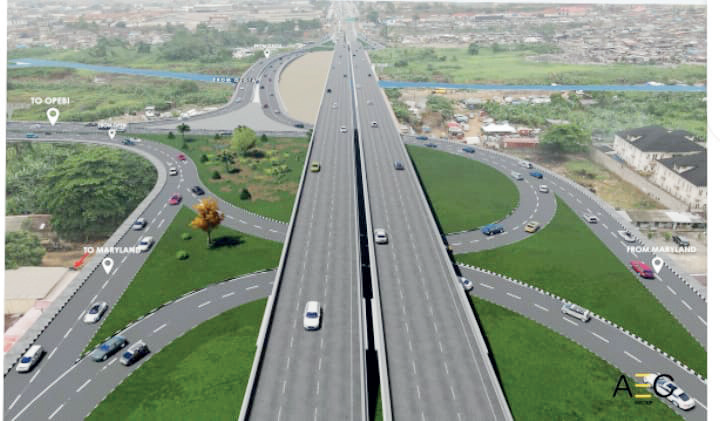
Addressing the media on Monday in Alausa, the Commissioner for Information in Lagos, Mr Gbenga Omotoso, said some of the key legacy projects to be commissioned include the Ojota-Opebi Link Bridge, the Lagos State Geographic Information Service (LAGIS) building, and the Lagos Multi-Agency Building in Alausa.
Others are the Lagos Fresh Food Hub in Abijo Ajah, Tolu Schools Complex in Ajegunle and Maracana Stadium, comprising 19 mini-football pitches, built side by side in Ajegunle.
Mr Omotoso said these projects reflect the Mr Sanwo-Olu administration’s commitment to Lagos development and improved living standards of the residents, stressing that the infrastructure was carefully conceived and executed to address the growing needs of our population, ease mobility, stimulate economic activities, and enhance social welfare.
“The presence of Mr President in Lagos at this auspicious occasion further reinforces the strong partnership between the federal government and Lagos State. The planned project unveiling ceremony highlights the importance of continuity in governance and the value of visionary leadership in driving development.
“We are confident that these projects will not only serve the immediate needs of our people but also stand as enduring legacies for generations to come. All the iconic projects represent progress in action and hope for a better future.
“As we prepare for this historic visit, we assure residents of Lagos that all arrangements have been put in place to ensure a smooth, secure, and successful event. We urge the public to cooperate with the authorities, especially in areas where there may be temporary traffic adjustments or security protocols,” he said.
It was gathered that over 500 personnel of the Lagos State Traffic Management Agency (LASTMA) would be deployed to adequately manage and control traffic during the President’s visit.
The Opebi-Ojota Link Bridge was initiated to address traffic challenges within the Ojota, Maryland, Mende, Opebi, and Allen axes, as the corridor serves as a major route for commuters moving between the mainland and key commercial districts.
The Opebi-Ojota Link Bridge project was originally conceived over two decades by Mr Tinubu when he was the governor of the state. It was revived and officially flagged off in January 2022 by Governor Sanwo-Olu.

By Adedapo Adesanya
The Nigeria Data Protection Commission (NDPC) has launched an investigation into an alleged data breach involving Remita Payment Services Limited, Sterling Bank, and other entities, as part of efforts to safeguard personal data and strengthen compliance within Nigeria’s digital ecosystem.
In a statement issued on Sunday by its Head of Legal, Enforcement and Regulations, Mr Babatunde Bamigboye, the commission said, in line with its procedures, a Notice of Investigation was duly served on April 1, 2026.
The agency noted that relevant parties and individuals have been providing information to support efforts to address the incident, adding that the investigation aims to ensure data subjects are adequately protected through appropriate technical and organisational measures.
“The investigation by NDPC covers, among others, the types of personal data involved, the nature and scope of the alleged breach, the risk to data subjects, and the mitigation measures taken where a breach is confirmed,” the statement said.
Meanwhile, the chief executive of NDPC, Mr Vincent Olatunji, has directed that organisations using digital payment systems without implementing the required technical and organisational safeguards, as mandated under the Nigeria Data Protection Act, 2023, will also be examined.
The organisation said this forms part of a broader effort to ensure the integrity and security of Nigeria’s data protection ecosystem.
Data breaches have risen in the last few years, with a 2025 report from Surfshark, a cybersecurity firm, ranking Nigeria third in Sub-Saharan Africa for total breaches since 2004, with 23.2 million compromised accounts.
In September 2024, a hacker identified as Addka72424 released a dataset containing 3.3 billion email addresses, which included 2,555,642 Nigerian accounts. The hacker described it as a “small” experiment to show how much data is freely available online.
This latest development further exposes how cyberthreats continue to evolve, and attackers are constantly adapting their tactics.
The Nigerian government has now launched a national cyber coordination council towards tackling the rising threat.
-
 Feature/OPED6 years ago
Davos was Different this year
-
Travel/Tourism10 years ago
Lagos Seals Western Lodge Hotel In Ikorodu
-

 Showbiz3 years ago
Estranged Lover Releases Videos of Empress Njamah Bathing
-
 Banking8 years ago
Sort Codes of GTBank Branches in Nigeria
-

 Economy3 years ago
Subsidy Removal: CNG at N130 Per Litre Cheaper Than Petrol—IPMAN
-

 Banking3 years ago
Sort Codes of UBA Branches in Nigeria
-

 Banking3 years ago
First Bank Announces Planned Downtime
-

 Sports3 years ago
Highest Paid Nigerian Footballer – How Much Do Nigerian Footballers Earn