
General
Africa Started Social Responsibility, Circularity, Others— Ken Egbas

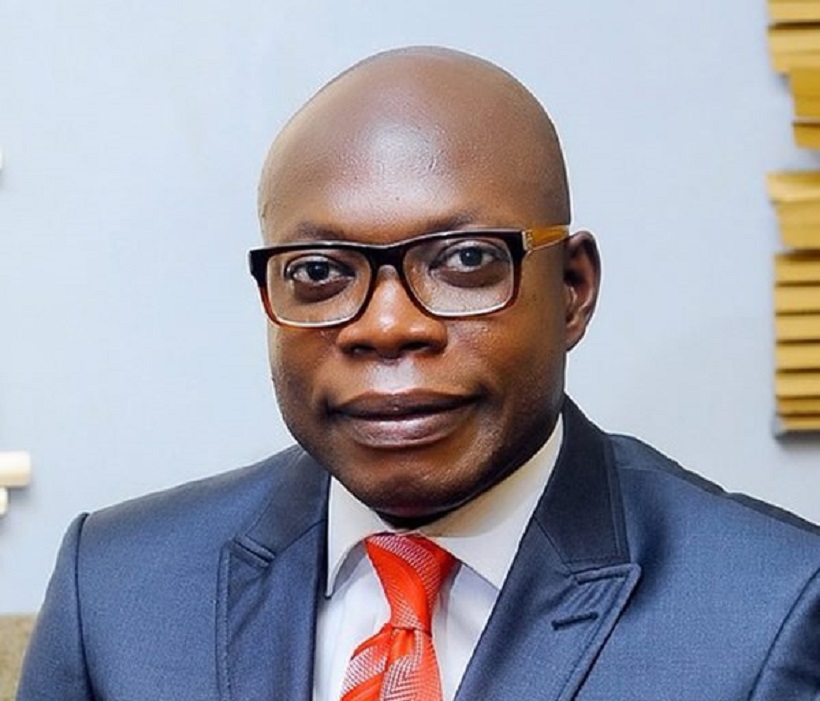
By Aduragbemi Omiyale
A foremost media and marketing communications specialist in Nigeria, Mr Ken Egbas, has said the concepts of social responsibility, waste management, recycling and circularity did not start with the Western world as many have been made to believe.
Rather, Africa was the originators of these ideas, he said at The SERAS CSR Awards Africa 2021, which took place recently.
The Sustainability, Enterprise and Responsibility Awards (SERAS), which made its debut in 2007, and participation was opened to other countries of Africa in 2016, is an initiative of TruCSR that celebrates and promotes investments by corporate organisations in the society through CSR and sustainability initiatives.
At this year’s event, Zenith Bank, International Breweries and IHS emerged as the Most Responsible Organisation in Africa, with a commutative point of 76, 67 and 62 points respectively.
Zenith Bank was adjudged the Most Responsible Organisation in Africa, winning the overall best sustainability award, for its continued commitment to the tenets of Sustainability and Corporate Social Responsibility, within its immediate community and in the society at large.
Coca-Cola emerged winner in Best Company in Water and Sanitation and the Social Enterprise of the Year categories in recognition of the company’s significant strides through the Replenish Africa Initiative (RAIN) and the Special Intervention Programmes (SIP) respectively.
Mr Egbas, founder, the SERAS/CRO TruCSR, said Africa has a lot to contribute to the future that the world desires. However, he posits that it must happen with Africans as equal partners on the table of decision-making and not the poor relatives of the developed nations.
“If today the world talks about social responsibility as a new norm, they should remember that Africa embodied this in our communal way of living in which the strong protects the weak.
“When the world talks about waste management, recycling, and circularity, they will do well to take a cursory look at how our forebears lived on zero waste,” he stated.
He equally charged both individuals and corporate organisations not to get carried away by The SERAS trophy, rather be reminded not of the works that earned them the honour; instead, it should continue to remind them of what is still left to be done on the continent.
“The number of children we can give access to education; the number of young girls crying for equal opportunities; the hundreds of millions who need access to drinkable water; the many millions dying annually due to lack of access to healthcare; the teeming millions without access to employment, and all those who have lost hope because they have gone days without a meal,” Mr Egbas stated.
Accordingly, he stated further that Africans can only beat their chest in achieving victory by resolving to continue to be forces of good for the current generation and those beyond.











By Adedapo Adesanya
The Christian Association of Nigeria (CAN) has called for action over the recent attack in Plateau State, asking authorities to address and prosecute those behind the killing.
In a statement, CAN President, Mr Daniel Okoh, described the attack as “not just tragic” but also “unacceptable”.
“Nigerians are tired of mourning. Nigerians are tired of statements. Nigerians want to see action,” the cleric said in a statement issued late Monday.
“Those responsible for this atrocity must be found, arrested, and made to face justice; swiftly and decisively. Anything less will only deepen the sense that life in our country is no longer protected.”
The attack on Sunday in Angwan Rukuba, in Jos North Local Government Area, left 28 people dead and several others wounded.
Expectedly, the incident has sparked outrage among Nigerians and protests by angry residents of the area.
CAN called for a thorough investigation into the attack and called for proactive action before these attacks take place.
“Our security institutions must not only respond; they must stay ahead of these threats,” the Christian body said while acknowledging efforts by the Plateau State Government.
“But let it be said clearly: temporary measures are not enough. The people of Plateau, and indeed all Nigerians, deserve lasting security, not periodic reassurance,” Mr Okoh said.
CAN told Nigerians to be vigilant and calm, but maintained that the nation owes the dead justice.
“We owe the living protection. And we owe our future a country where no community wakes up to gunfire on a sacred day.”
Meanwhile, the Plateau State Governor, Mr Caleb Mutfwang, visited the affected area under heavy security and also those wounded on Monday, even as the state government imposed curfew on the affected place.
“This unfortunate event led to the loss of 28 innocent lives and left many others injured. I feel deeply the weight of the pain inflicted on our people,” the governor said in a state-wide broadcast.
He also vowed that Plateau State won’t succumb to fear or intimidation.
“We shall emerge stronger, united, and resolute in our faith and commitment to peace,” the governor assured.
“We must deploy every available resource to defend our people, protect lives and property, and safeguard the territorial integrity of our state. Plateau shall remain strong and peaceful.”

By Adedapo Adesanya
The Nigerian Ports Authority (NPA) is raising its financial and operational ambitions for 2026, unveiling a revenue target of N1.489 trillion alongside plans to overhaul two of the country’s busiest seaports, Apapa and Tin Can Island, in a push to boost efficiency and global competitiveness.
Speaking during the agency’s 2026 budget defence before the Senate Committee on Marine Transport, the ports regulator’s Managing Director, Mr Abubakar Dantsoho, said the new revenue projection reflects a strategic shift focused on strengthening resilience and driving sustainable growth across Nigeria’s port system.
The proposed figure represents an increase over the N1.468 trillion initially projected for 2025, a benchmark the authority not only met but exceeded, recording approximately N1.97 trillion in revenue collections.
A breakdown of the 2026 proposal shows a strong tilt toward infrastructure development, with N945 billion allocated to capital expenditure. Operating costs are projected at N447.5 billion, while N90.6 billion is expected to be remitted to the federal government’s Consolidated Revenue Fund.
Central to the NPA’s transformation agenda is the planned modernisation of Apapa Port and Tin Can Island Port, two critical gateways for Nigeria’s maritime trade. Dantsoho noted that both facilities, due to their age and outdated capacity, require urgent upgrades to meet the demands of modern shipping and logistics operations.
He disclosed that preliminary work on the projects is set to begin within weeks, marking a significant step toward repositioning Nigeria’s ports within the global maritime value chain.
On financial operations, the NPA boss reiterated that all revenues generated by the authority are remitted directly into the Treasury Single Account managed by the Central Bank of Nigeria, stressing that the agency operates without retaining independent revenue.
In his remarks, Chairman of the Senate Committee on Marine Transport, Mr Wasiu Eshinlokun, underscored the importance of collaboration between lawmakers and agencies. He noted that the committee’s oversight function is designed to improve efficiency, strengthen institutional performance, and ensure responsible use of public funds.
By Adedapo Adesanya
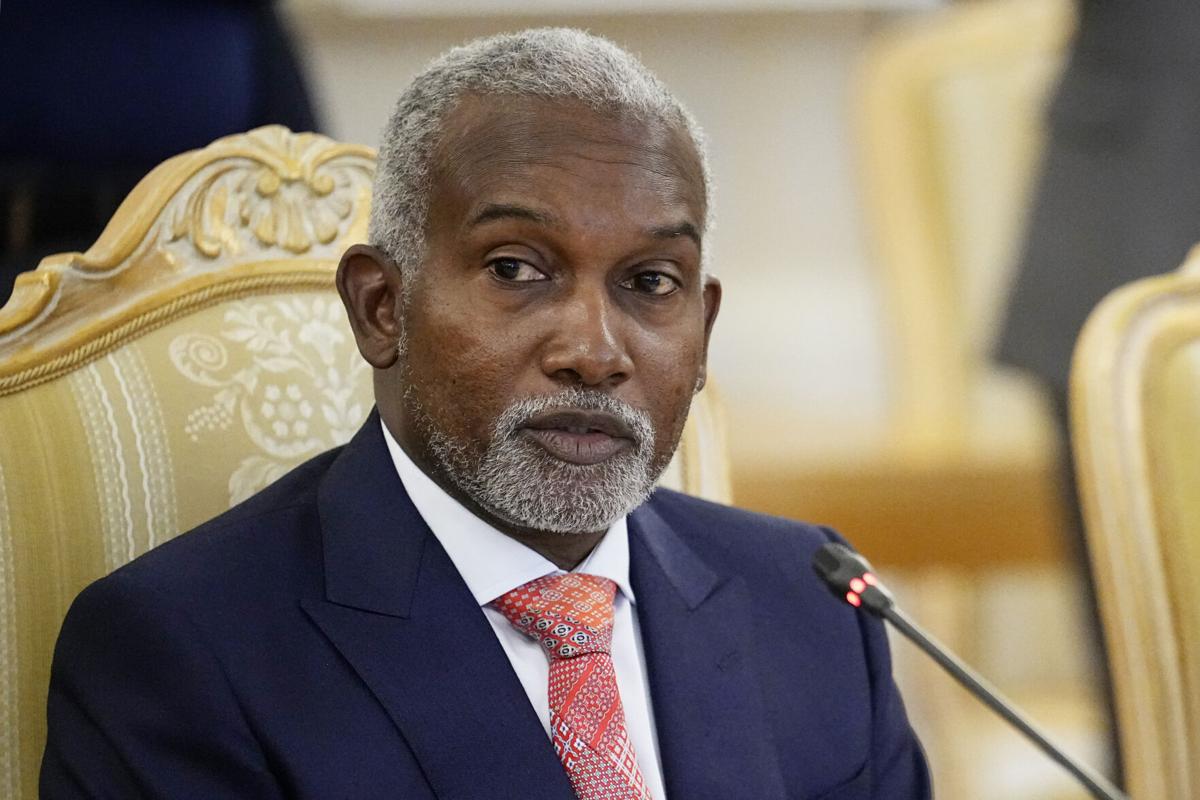
Nigeria’s Minister of Foreign Affairs, Mr Yusuf Tuggar, has resigned from his position, in line with the directive that government appointees seeking political offices must resign before March 31.
Business Post reports that the diplomat is eyeing a governorship ambition in Bauchi State ahead of the 2027 general elections.
Mr Tuggar’s resignation was confirmed in a statement by the ministry’s spokesperson, Mr Kimiebi Ebienfa, on Monday.
Mr Tuggar submitted his resignation letter on Monday, barely 24 hours before the deadline set by President Bola Tinubu, which directs all political appointees under his administration seeking to contest elective offices in the 2027 elections to resign before March 31.
The directive is in line with Section 88(1) of the Electoral Act, 2026, and the timetable released by the Independent National Electoral Commission for party primaries ahead of the 2027 polls.
With this development, more resignations are expected before the March 31 deadline as appointees seeking elective offices move to meet the stipulated deadline.
Earlier today, the Chairman of the Governing Board of the Federal Mortgage Bank of Nigeria (FMBN), Mr Nasiru Gawuna, formally resigned from his position to join the African Democratic Congress (ADC) with his sights on the Kano governorship ticket.
Mr Tuggar’s resignation comes amid the speculation of his interest in contesting the 2027 Bauchi State governorship election on the platform of the All Progressives Congress (APC).
The 59-year-old is a seasoned diplomat, policymaker, and political figure who was appointed as minister by President Bola Tinubu in August 2023.
Born on March 12, 1967, he has built a distinguished career spanning diplomacy, politics, energy, and strategic consulting.
He is widely regarded for his role in shaping Nigeria’s global engagement and advancing its foreign policy priorities.










-
 Feature/OPED6 years ago
Davos was Different this year
-
Travel/Tourism10 years ago
Lagos Seals Western Lodge Hotel In Ikorodu
-

 Showbiz3 years ago
Estranged Lover Releases Videos of Empress Njamah Bathing
-
 Banking8 years ago
Sort Codes of GTBank Branches in Nigeria
-

 Economy3 years ago
Subsidy Removal: CNG at N130 Per Litre Cheaper Than Petrol—IPMAN
-

 Banking3 years ago
Sort Codes of UBA Branches in Nigeria
-

 Banking3 years ago
First Bank Announces Planned Downtime
-

 Sports3 years ago
Highest Paid Nigerian Footballer – How Much Do Nigerian Footballers Earn