General
Discos Revenue Drops 1.1% to N291.62bn in Q1 2024
By Adedapo Adesanya
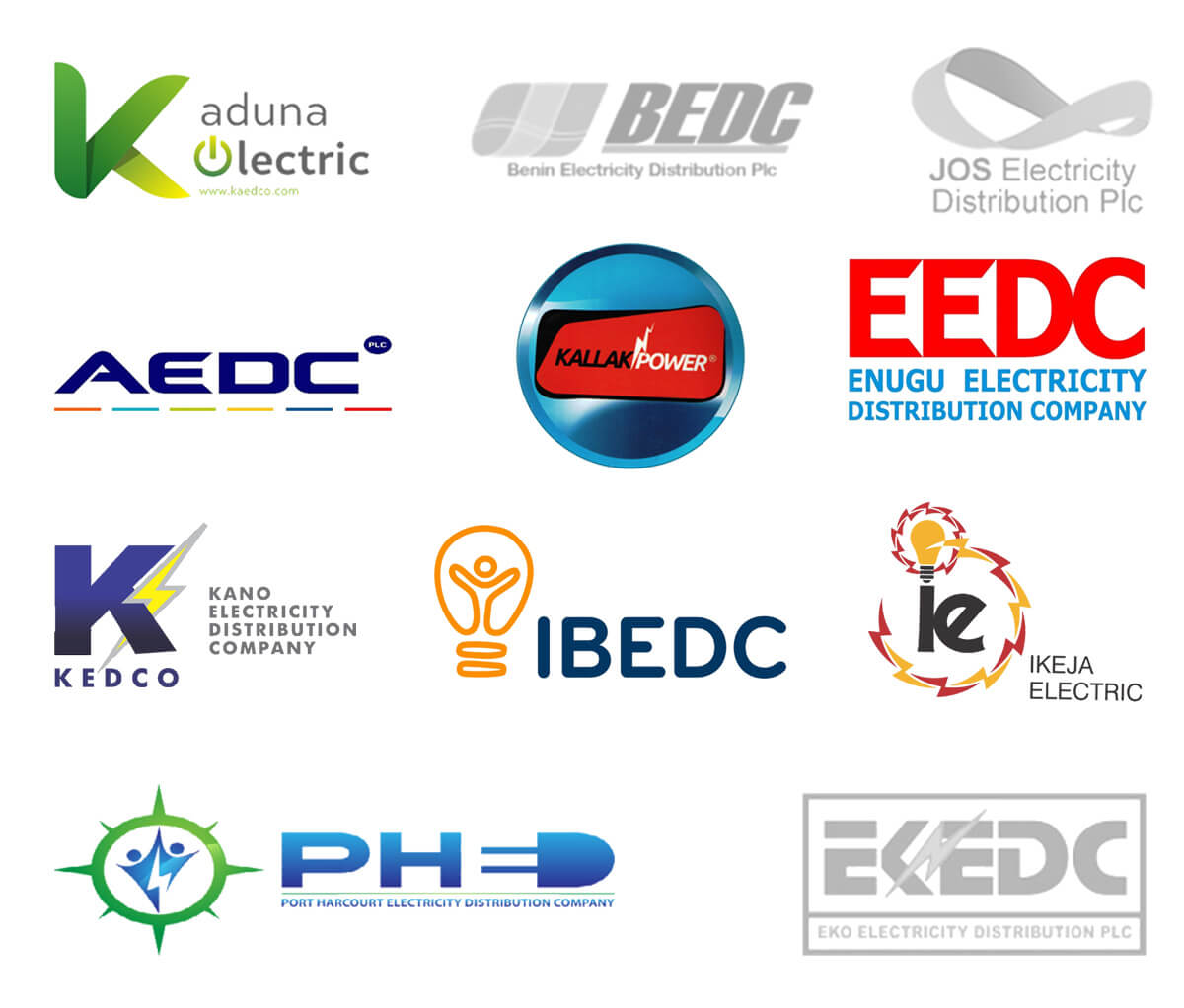
The Electricity Distribution Companies (DISCOs) in Nigeria collected N291.62 billion in revenue in the first quarter of 2024, 1.1 per cent lower than the N294.95 billion collected in Q4 2023.
This is according to the National Bureau of Statistics (NBS) electricity report data for the first quarter of 2024.
Analyzed year-on-year, the NBS data showed revenue generated in the reference period rose by 17.9 per cent from N247.33 billion recorded in Q1 2023.
In terms of electricity supply, Nigeria recorded a total of 5,769.52 (Gwh) in Q1 2024, a drop of 10 per cent from 6,432.22 (Gwh) in the previous quarter. However, on a year-on-year basis, electricity supply decreased by 1.4 per cent compared to 5,851.87 (Gwh) reported in Q1 2023.
The total number of Discos’ customers on a year-on-year basis, in Q1 2024 rose by 9.5 per cent from 11.27 million reported in Q1 2023. Similarly, metered customers stood at 5.91 million in Q1 2024, indicating a growth of 5.4 per cent from 5.61 million recorded in the preceding quarter.
On a year-on-year basis, this grew by 11.3 per cent from the figure reported in Q1 2023 which was 5.31 million.
In addition, estimated customers during the quarter were 6.43 million, higher by 10.2 per cent from 5.83 million in Q4 2023. On a year-on-year basis, estimated customers increased by 7.9 per cent in Q1 2024 from 5.96 million in Q1 2023.
Recall that the federal government recently obtained a $500 million loan from the World Bank to support energy Distribution Companies (DisCos) to strengthen the power supply chain and increase the number of metres supplied to end consumers by Discos.
The Bureau of Public Enterprises (BPE) explained the loan status, saying that it will be used to bridge funding shortages in the distribution sector, which is seen to be the most troublesome in the business.
The funds are used to assist the Nigerian Distribution Sector Recovery Programme (DISREP), which aims to enhance the DisCos’ operational and financial viability.
General
Nigeria Begins Evacuation of Willing Nigerians from Iran
By Adedapo Adesanya
The federal government has begun evacuating willing Nigerians in Iran, escorting them across the Armenian border to ensure their safety amid escalating tensions in the Middle East.
The evacuation follows the growing crisis that began on February 28 after coordinated military strikes on Iran by the United States and Israel.
The attacks triggered retaliatory missile and drone strikes across parts of the region, raising fears of a wider conflict.
The chief executive of the Nigerians in Diaspora Commission (NiDCOM), Mrs Abike Dabiri-Erewa, disclosed this in a post on her X handle on Tuesday.
She said officials of the Nigerian Embassy in Tehran are coordinating the evacuation of Nigerians who wish to leave the country and are facilitating their safe passage into Armenia.
Mrs Dabiri-Erewa also reassured that no Nigerian in Iran has so far been affected by the ongoing tensions, noting that embassy officials remain stationed at the border to receive and assist evacuees.
Her post read, “Willing Nigerians [are] being escorted across the Armenian border by officials of the Nigerian embassy in Iran for safe passage. No Nigerian in Iran has been affected by the war as officials remain at the border to receive all who want to leave.”
The development comes as tensions in parts of the Middle East continue to raise concerns over the safety of foreign nationals residing in affected areas.
For repatriation flights, the NiDCOM chair said the airspace is currently unsafe but assured Nigerians in the Middle East that the Federal Government team is on standby to evacuate them.
“And as for repatriation flights, the skies are currently unsafe to fly. Luckily, a flight came in from the UAE to Lagos two days ago, just before another strike and the closure of the airspace.
“Once the airspace opens, the multi-agency FG team on crisis and evacuation is on standby. Our prayers are with you and all our people in affected countries,” she said.
General
Grid-Connected Private Transmission Substations Must Register—NERC
By Modupe Gbadeyanka
All private transmission connected to the national grid must register and get authorisation to operate, the Nigerian Electricity Regulatory Commission (NERC) has declared.
In a statement, the electricity regulatory body in Nigeria directed owners of private transmission substations used by bulk electricity consumers to obtain an Independent Electricity Transmission Network Operator (IETNO) Permit before operating or connecting to the grid.
It was disclosed that this latest development, which became effective March 9, 2026, is to strengthen oversight of privately owned substations connected to Nigeria’s national grid.
NERC further said the directive was introduced to improve grid reliability, safety, and operational visibility following frequent transmission line trips reported by the Nigerian Independent System Operator (NISO).
Under the order, NISO must submit to NERC a comprehensive list of all existing Private Transmission Substation Owners (PTSOs) and notify them of the provisions of the order within five days.
Existing PTSOs must apply to NERC for an IETNO permit within 45 days, while new PTSOs must obtain the permit before connecting to the grid, as non-compliance attracts regulatory sanctions.
NISO will deploy IoT-based metering systems at substation interconnection points within 120 days.
Further, operators must submit monthly operational reports, while NISO will conduct inspections to ensure compliance.
General
NECA’s Annual Retreat for Business Managers, Executives Holds April 16
By Aduragbemi Omiyale
The annual retreat for business managers and executives organised by the Nigeria Employers’ Consultative Association (NECA) will take place from April 16 to 18, 2026, at the AAE & T Hotel, Kuto, Abeokuta, Ogun State.
This year’s edition is themed The Resilient Enterprise, People and Systems: Building and Managing Businesses that Outlive Seasons, Cycles and Crises.
The programme aims to equip leaders with the insights, tools, and networks required to build resilient organisations in an increasingly complex business environment.
It will provide a unique platform for executive-level engagement through high-level conversations, peer learning sessions with experienced leaders, strategy reflection workshops, and curated networking opportunities.
Expected to attend are industry leaders, senior executives, and business managers from across sectors. They will explore strategies for sustaining organisational performance through leadership transitions, economic cycles, regulatory shifts, and market disruptions.
Participants will also benefit from interactive discussions focused on strengthening corporate governance, developing agile leadership capabilities, and building organisational systems that can withstand periods of uncertainty and transformation.
A notice from NECA said the event is open to both members and non-members, with participation fees set at N300,000 for members and N320,000 for non-members. Discounts will also be available for Gold and Silver members, subject to applicable terms and conditions.
Interested participants are encouraged to register via the official registration link to secure their place at the retreat, which promises to deliver valuable insights and connections for executives seeking to build enterprises capable of thriving through seasons of change and uncertainty.
The Director-General of NECA, Mr Adewale Smatt-Oyerinde, noted that by convening business managers and senior executives in a collaborative learning environment, the association aims to contribute to the development of stronger, future-ready enterprises that can drive economic growth, create jobs, and support national development even in the face of evolving global and local challenges.
He added that the retreat will provide executives with the opportunity to step away from daily operational demands and engage in deeper strategic conversations with peers and industry experts.
“The theme of this year’s retreat speaks directly to the realities businesses face today. Across sectors, organisations are navigating leadership transitions, regulatory shifts, economic pressures, and technological disruption.
“What distinguishes enduring enterprises is their ability to build strong systems, develop capable leaders, and create organisational cultures that can adapt and respond effectively to change,” the NECA chief said.
-
Feature/OPED6 years agoDavos was Different this year
-
Travel/Tourism10 years ago
Lagos Seals Western Lodge Hotel In Ikorodu
-
Showbiz3 years agoEstranged Lover Releases Videos of Empress Njamah Bathing
-
Banking8 years agoSort Codes of GTBank Branches in Nigeria
-
Economy3 years agoSubsidy Removal: CNG at N130 Per Litre Cheaper Than Petrol—IPMAN
-
Banking3 years agoSort Codes of UBA Branches in Nigeria
-
Banking3 years agoFirst Bank Announces Planned Downtime
-
Sports3 years agoHighest Paid Nigerian Footballer – How Much Do Nigerian Footballers Earn