
General
#EndSARS: Senate Begs Buhari to Address Nigerians

By Dipo Olowookere
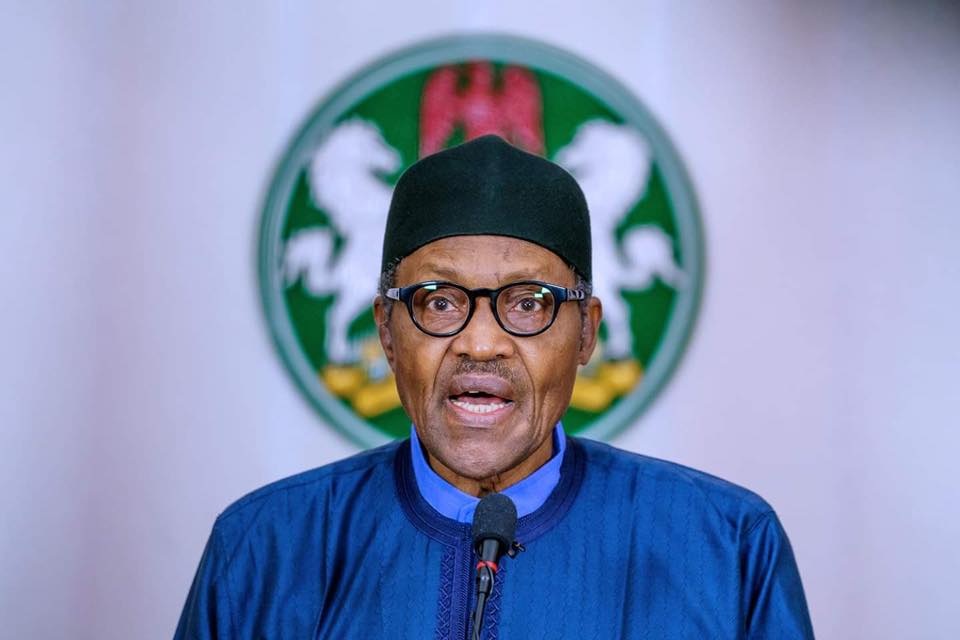
President Muhammadu Buhari has been urged by the Nigerian Senate to urgently address the nation over the widespread #EndSARS protests.
This appeal was made at the plenary on Tuesday after a member of the upper parliament, Mrs Biodun Olujimi, moved a motion under Order 42 and 52 to seek the leave of the Senate to present a motion on the EndSARS and the need for comprehensive police reforms.
During the debate, the Minority Leader, Mr Enyinnaya Abaribe, while supporting the motion, noted that it was necessary for the President to “look at the issue and address the nation on them.”
According to him, this will calm the nerves, noting that, “in doing that, he must try a way of setting up a judicial panel that will have people that are well respected by the same youth so that they can address a certain issue and that issue is those notorious SARS officers that have been identified and even identified by the presidential panel.”
“I will also forward to you the name of the five most notorious SARS Officers who have been fingered in killing so many Nigerians,” the lawmaker said.
On his part, the Deputy Senate President, Mr Ovie Omo-Agege, threw his weight behind the motion and the agitations of the demonstrators, saying that “I stand here as a victim of SARS. Nobody here is a friend of the illegal activities of SARS.”
“When our children went in the streets demanding an end to SARS, I think it is a cry we all identify with and we will continue to identify with provided the protest remains peaceful. It must remain peaceful because it is what the Constitution guaranteed to them.
“What we have today right now is that the very good actions of our children are being hijacked. My own children are in the streets of the U.S. participating in this EndSARS protest. I am not sure that my kids are in support of those who have hijacked this protest to go release prisoners.
“I urge that they should remain lawful. The protest should remain peaceful while they give government the opportunity to address these demands. We don’t want any harm to befall our children. We want to appeal to our children and kids to give this government the opportunity to address this issue,” he submitted.
At the end of the deliberations, the Senate urged Mr Buhari “to address the nation as soon as possible on this issue” and asked the police should make it a duty to accompany protesters and should be involved in protecting genuine protesters.
The Senate also advised the police to operate strictly in accordance with the rules of engagement appropriate in a democratic environment and asked the Inspector General of Police to ensure holistic comprehensive reforms of the police to increase the overall welfare including training and medical insurance of all members of the Nigeria Police Force.
The lawmakers also urged all tiers of government to put in place and sustain policies of social economic reforms that raise the standard of lives of our people and appealed to all Nigerians to resort to use of legal institutions to resolving disputes and conflicts.
While urging the federal government to faithfully and comprehensively implement all the five demands of the EndSARS movement and protesters with necessary timelines to rekindle confidence in government, the demonstrators were advised to “kindly in the interest of everyone stop their actions and embrace genuine dialogue.”




By Adedapo Adesanya
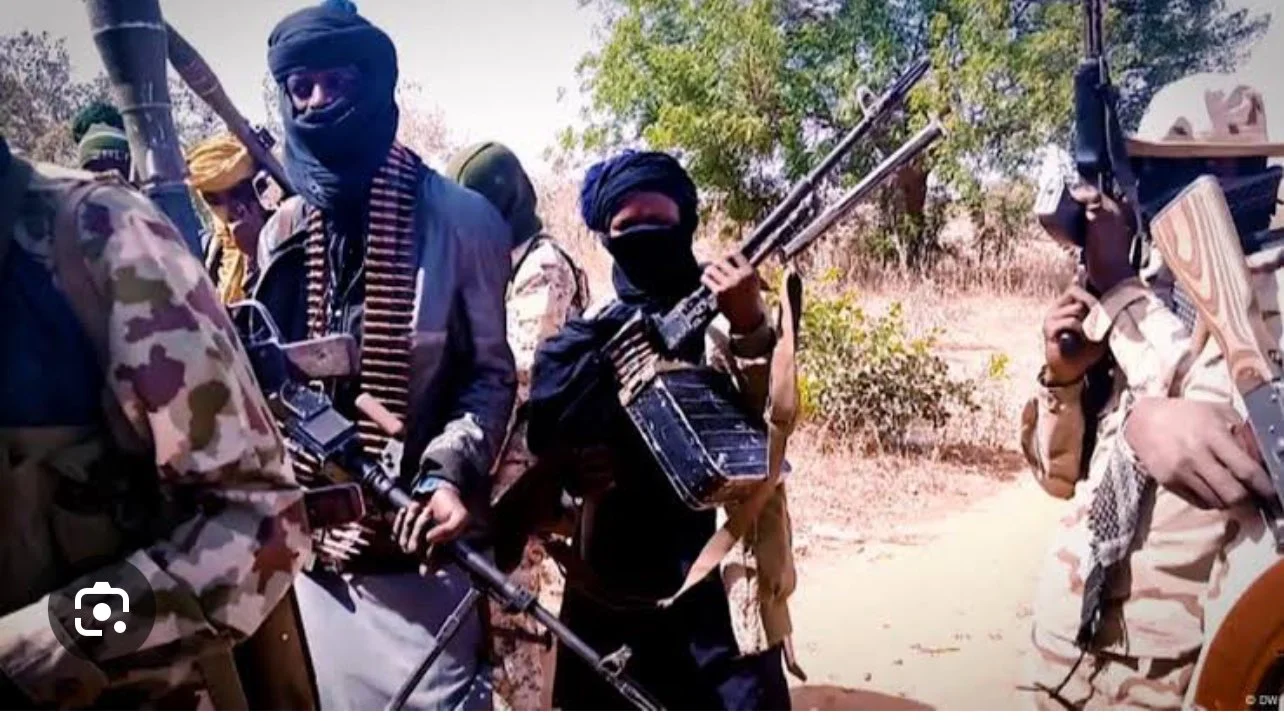
The Kebbi State Police Command says 44 people were killed following a coordinated attack on eight communities in Shanga Local Government Area of the North-Western state.
The affected villages include Gebe, Kalkami, Kawara, Kasoshi, Awaye, Tungar Rini, Binuwa, and Dabe.
In a statement issued on Friday, the Kebbi Police Command Public Relations Officer, Mr Bashir Usman, said it launched a statewide clearance operation.
Mr Usman said the operation followed the directive of the Inspector-General of Police (IGP) Olatunji Disu, aimed at preventing further banditry and violent crimes across the state.
The police stated that massive deployments of police personnel and other security agencies have been made to the affected communities, leading to the return of relative calm.
The command added that discreet investigations have commenced into the attack.
The ongoing clearance operation, according to the police, is targeting high-risk areas such as farmlands, forests, border communities, and remote settlements.
It also includes coordinated patrols, intelligence-led stop-and-search operations, and joint actions with other security agencies.
As part of the operation, the police said two AK-47 rifles were recovered along the Illo-Kamba axis, describing it as evidence of the effectiveness of intelligence-led policing.
The Commissioner of Police in the state, Mr Umar Hadejia, called on residents to remain vigilant and cooperate with security agencies by providing timely and credible information.
Mr Hadejia also urged traditional rulers, community leaders, religious bodies, and youth groups to support ongoing efforts to restore peace and strengthen security across the state.
Residents had reportedly appealed to President Bola Tinubu and Kebbi State Governor Nasir Idris to take decisive action to restore security in the area and enable displaced residents to safely return to their homes.
By Adedapo Adesanya
The Trade Union Congress (TUC) of Nigeria has proposed that the federal government deploy at least 60 per cent of excess crude oil revenue above the budget benchmark to subsidise feedstock for local refineries, including the Dangote Refinery.
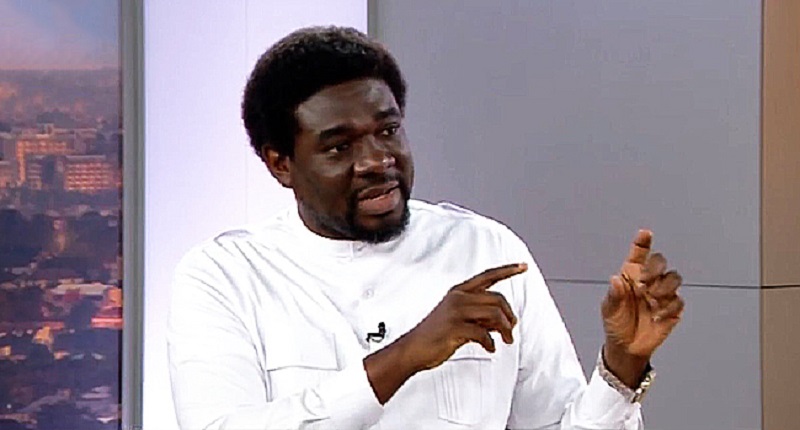
The President of the group, Mr Festus Osifo, made the proposal in Abuja yesterday, warning that the rising cost of petrol has placed unbearable pressure on households and businesses and that such urgent measures remain necessary to ease economic hardship on Nigerian workers.
Mr Osifo explained that crude oil prices above the budget benchmark of $64.85 per barrel currently generate excess revenue shared among the three tiers of government.
He argued that redirecting a significant portion of this surplus into subsidising crude supply for domestic refining would reduce production costs and translate quickly into lower pump prices for petrol, diesel and aviation fuel.
The labour leader noted that the sharp increase in fuel prices, exacerbated by global supply disruptions linked to geopolitical tensions, has worsened transportation costs and manufacturing expenses, ultimately driving up the prices of goods and services.
According to him, the situation risks reversing the modest decline in inflation recorded in recent months.
He said, “We are seeing that the cost of petroleum is edging towards N2,000 per litre, and Nigerian workers are facing excruciating pain as we speak. What we are saying is that if crude oil prices exceed the budget benchmark, let the government take at least 60 per cent of that excess and use it to subsidise crude supplied to Dangote Refinery and other local refineries.
“When you subsidise production directly, it reduces the cost of feedstock, and that will translate immediately to a reduction in the pump price of petroleum products. When this is done, I can assure you that within one to two weeks, the prices of PMS, AGO, and jet fuel will go down, and Nigerians will begin to feel relief.”
Mr Osifo also stressed the need for immediate relief measures, alongside long-term investments in alternative energy such as compressed natural gas (CNG). While acknowledging government efforts to introduce CNG-powered buses, he said inadequate infrastructure remains a major challenge limiting their impact.
He also expressed concerns over the persistent insecurity across the country, urging the government to prioritise investment in modern security equipment and technology while commending security agencies for their ongoing efforts.
By Adedapo Adesanya
The Nigeria Immigration Service (NIS) has ordered the suspension of senior officers overseeing key commands along the Lagos-Seme corridor following allegations of extortion.
The suspension follows the circulation of online reports accusing immigration personnel at the busy border route of misconduct “bordering on extortion,” prompting immediate intervention from the agency’s leadership.
According to a spokesperson of the border controller, Akinsola Akinlabi, in a statement on Friday, April 10, the NIS Comptroller-General, Mrs Kemi Nandap, had “temporarily relieved the Comptrollers in charge of the affected Commands of their duties” pending the outcome of an ongoing investigation.
The service distanced itself from the alleged conduct, with Mrs Nandap condemning the actions in strong terms, describing the incidents as “unacceptable” and in “direct violation of the core values, ethics, and operational standards of the Service”.
According to the statement, a full-scale probe has been launched to uncover the extent of the нарушения, identify officers involved, and enforce sanctions without delay.
“The investigation will be comprehensive… ensuring appropriate disciplinary measures are applied with immediate effect,” the statement said.
While the probe continues, the Service sought to reassure the public of its commitment to professionalism at Nigeria’s borders.
“The service wishes to reassure the general public that it remains committed to delivering professional, transparent, and efficient services at all points of entry and exit,” it stated.
“It will not condone any act that undermines public trust or tarnishes the integrity of the service.”
The agency also called on Nigerians to report misconduct through its official complaint channels, including social media platforms and its 24-hour contact centre, noting that internal oversight mechanisms are being strengthened.
“The Nigeria Immigration Service remains resolute in its mission to serve with integrity, discipline, and professionalism while facilitating lawful migration,” the statement added.
-
 Feature/OPED6 years ago
Davos was Different this year
-
Travel/Tourism10 years ago
Lagos Seals Western Lodge Hotel In Ikorodu
-

 Showbiz3 years ago
Estranged Lover Releases Videos of Empress Njamah Bathing
-
 Banking8 years ago
Sort Codes of GTBank Branches in Nigeria
-

 Economy3 years ago
Subsidy Removal: CNG at N130 Per Litre Cheaper Than Petrol—IPMAN
-

 Banking3 years ago
Sort Codes of UBA Branches in Nigeria
-

 Banking3 years ago
First Bank Announces Planned Downtime
-

 Sports3 years ago
Highest Paid Nigerian Footballer – How Much Do Nigerian Footballers Earn