
General
FG Okays N166bn for 14 Roads

By Adedapo Adesanya
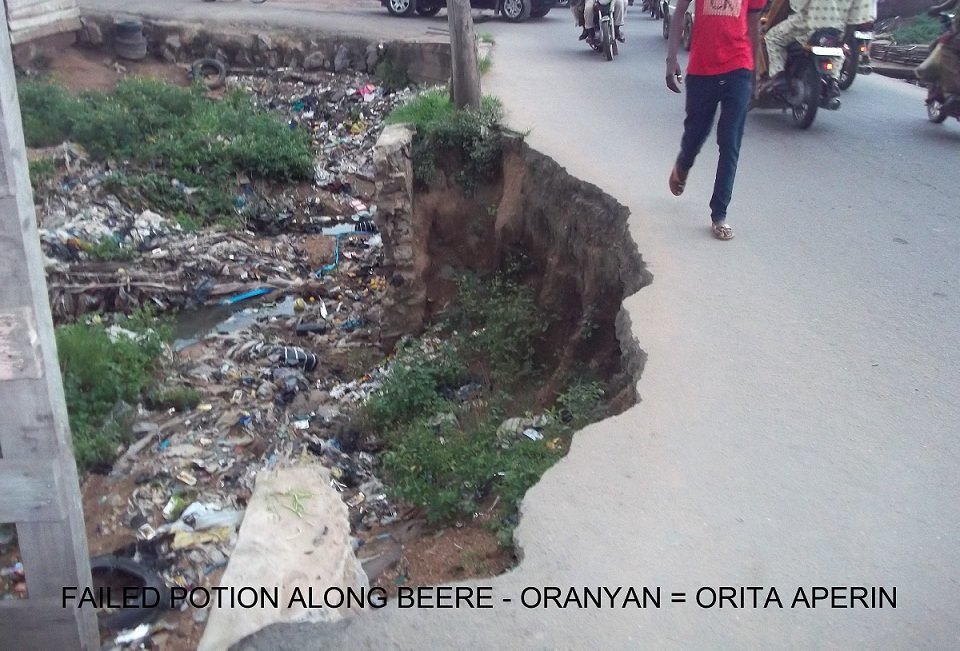
The Federal Government through the Federal Executive Council (FEC) has approved contracts worth N166 billion for the construction and rehabilitation of 14 roads across the country.
This followed approval of a memorandum was submitted by Mr Babatunde Fashola, the Minister of Works and Housing, during the meeting held last Wednesday with President Muhammadu Buhari in attendance.
One of the roads in the memorandum is Kotangora-Rijau road in Niger state, where there would be a construction of two bridges. The project will be executed by Nael & Bin Harmal Hydroexport Nigeria, Limited at the cost of N1.13 billion, within a period of 12 months.
Another project is the Kano-Katsina road, where the construction of an additional lane from the airport roundabout to Dawanau roundabout in Kano state would be carried out. The project would be executed by Zerock Construction Nigeria Limited within a period of 24 months at the cost of N9.5 billion.
Also, Kotangora-Bangi road in Niger state which would be executed by CBC Global Civil & Building Construction Nigeria Limited within 48 months at the cost of N20.4 billion.
The outer Marina-Bonny Camp road and Eko Bridge through Apongbon Bridge with access ramp in Lagos state would be done by CCECC within 12 months at the cost of N9.3 billion.
Irrua-Edenu-Ibore-Udomi-Uwessan road in Edo state is also listed for rehabilitation. The contract for the repair of the road has been awarded to Mikky-Tai Engineering & Construction Limited/Rodnab Construction JV at the cost of N4.6 billion, with a completion period of 12 months.
Ilobu-Erinle road in Kwara/Osun states would be constructed by IAC Allied Technical and Construction Company Limited within 36 months at the cost of N18.042 billion.
Wudil bridge to link Gaban Komi with Wudil bypass along Maiduguri road in Kano state would be constructed by Triacta Nigeria Limited within a period of 15 months at the cost of N2.6 billion.
The Wukari-Ibi road in Taraba state will be rehabilitated by China Worldwide Limited within a period of 18 months at the cost of N12.31 billion.
The construction of Baro-Port Gulu town road in Niger state will be undertaken by GR Building & Construction Nigeria Limited within a period of 24 months at N10.62 billion.
Ajingi-Jahun-Kafin Hausa road in Jigawa state will be rehabilitated by H&M Nigeria Limited within a period of 24 months at the cost of N25.04 billion.
Roudo Nigeria Limited will rehabilitate Aba-Owerri road, NNPC expressway in Abia state within 18 months at the cost of N6.1 billion.
The construction of Yaba-Yangogi road in the FCT will be done by JM & A’S/Lubell Nigeria Limited within 24 months at the cost of N17.31 billion.
Rick Rock Construction Limited would complete the rehabilitation of the Kaleyeri-Damaturu road in Yobe sate within 28 months at the cost of N17 billion.
IIC Construction Company Limited/Wiz China Worldwide Engineering Limited would rehabilitate two sections of Oba-Nnewi-Arondizuogu-Okigwe road in Imo/Anambra states within a period of 18 months at a sum of N12.8 billion.
According to the Federal Ministry of Works and Housing , the projects is expected to generate lots of jobs for Nigerians.



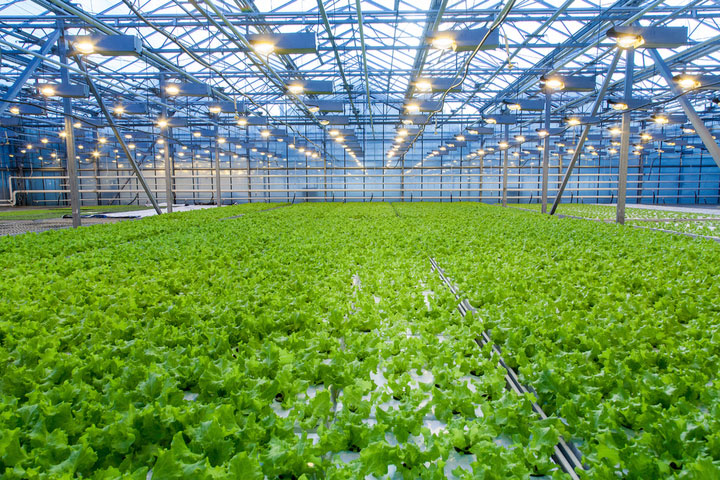
Controlled environment agriculture has become an important part of modern food production and facility management in the United States. Agricultural producers, research institutions, and industrial property operators often require protected growing areas to ensure stable plant development. Greenhouse systems allow operators to manage temperature, moisture, and airflow while protecting crops from environmental stress.
One example of this approach is the Tunnel Greenhouse Grow Tent w/12 Mil Ripstop Leno Mesh Cover. Tunnel greenhouse structures create enclosed growing spaces that support plant cultivation while maintaining airflow and natural light exposure. These systems are used in small agricultural operations as well as in institutional and facility management programs.
Market Context and Importance in the United States
Demand for reliable plant cultivation systems has increased due to changing climate patterns and expanding urban development. Many organizations require predictable plant production for landscaping, research, and food supply programs. Controlled environment greenhouse structures allow operators to extend growing seasons and reduce crop losses.
Tunnel greenhouses are widely used because they are easier to install than large permanent structures and can be adapted to different locations.
Basic Structure and Functional Design
Tunnel greenhouse grow tents use a curved frame structure covered with durable protective material. The covering allows sunlight to enter while protecting plants from wind and heavy rainfall.
Key structural elements include:
- Steel frame that supports the structure
- Protective mesh or plastic covering
- Roll up windows for airflow control
- Ground anchoring system for stability
- Entry door for maintenance access
Operational Applications
Tunnel greenhouse systems support several types of cultivation and facility management operations.
- Vegetable and fruit cultivation
- Seedling propagation programs
- Landscape plant preparation
- Agricultural research and testing
- Protected growing environments in cold regions
Efficiency and Productivity Considerations
Greenhouse structures improve productivity by providing consistent environmental conditions. Controlled growing spaces help operators maintain plant health and improve production planning.
- Reduced crop loss from weather exposure
- Improved control of temperature and moisture
- Extended growing seasons
- More predictable plant development cycles
Technical Infrastructure Considerations
Successful greenhouse operation requires attention to environmental and structural factors. Operators must ensure that the structure can withstand local climate conditions while supporting plant growth requirements.
- Proper anchoring for wind resistance
- Sunlight exposure throughout the day
- Ventilation management through windows or vents
- Reliable water supply for irrigation
- Monitoring of temperature and humidity levels
Safety Practices and Maintenance
Regular inspection helps maintain safe operation and structural stability of greenhouse systems.
- Inspect frame connections and anchors
- Replace damaged covering materials
- Maintain safe electrical connections for ventilation equipment
- Keep walkways clear during maintenance work
Related Equipment and Accessories
Greenhouse systems often operate together with other tools that support plant cultivation.
- Irrigation systems
- Plant benches and racks
- Ventilation fans
- Environmental monitoring devices
- Supplemental lighting equipment
Advantages and LimitationsAdvantages
- Flexible installation in different locations
- Protection from environmental conditions
- Improved plant growth stability
- Lower cost compared with permanent structures
Limitations
- Performance influenced by local climate conditions
- Requires routine maintenance of covering materials
- Limited insulation compared with permanent greenhouse buildings
Example from a Small Agricultural Operation
A small vegetable farm in the northeastern United States installed tunnel greenhouse structures to extend the growing season for leafy crops. By using protected cultivation space, the farm was able to begin seedling development earlier in the spring and continue production later in the autumn. This approach improved crop availability while reducing the impact of seasonal weather changes.
Conclusion and Future Industry Trends
Tunnel greenhouse grow tents provide a practical solution for controlled environment cultivation in agricultural and institutional settings. Their flexible design and relatively simple installation make them suitable for many types of plant production programs.
Future developments in greenhouse technology may include improved covering materials, automated ventilation systems, and advanced environmental monitoring tools. As interest in reliable plant production continues to grow, controlled cultivation systems will remain an important part of modern agricultural and facility management practices.
Controlled agriculture has expanded in Canada due to demand for reliable crop production and efficient land use. Climate variability and short growing seasons create challenges for agricultural producers and industrial cultivation facilities. A Light Deprivation Two Layer Cover Greenhouse Grow Tent provides a structured solution that allows operators to regulate light exposure, temperature, and environmental conditions. These systems are increasingly used in agricultural operations that require predictable crop cycles and controlled growing environments.
For warehouse managers, logistics planners, and agricultural equipment operators, greenhouse structures represent an important part of modern agricultural infrastructure. They help maintain consistent production schedules and support supply chain planning for agricultural products.
Role in Canadian Agricultural and Industrial Context
Canada has a diverse agricultural landscape that includes greenhouse farming, research facilities, and controlled cultivation environments. Because natural daylight hours change significantly across seasons, producers often rely on light management techniques to maintain predictable crop growth cycles. Light deprivation greenhouse systems allow operators to simulate shorter daylight periods when required.
These structures are used in several operational settings:
- Commercial greenhouse farms
- Controlled cultivation facilities
- Agricultural research stations
- Specialty crop production environments
- Seed development programs
Technology and Operating Principles
Light deprivation greenhouses use layered covering materials to regulate sunlight exposure. The outer layer allows natural light to enter the structure during normal growing periods. A secondary blackout layer can be deployed to block external light and simulate night conditions when required for plant development cycles.
Manufacturers such as TMG Industrial design these systems to support environmental control while maintaining structural stability in outdoor conditions.
Key Structural Components
- Steel support frame
- Transparent greenhouse covering
- Blackout light deprivation layer
- Ventilation openings
- Anchoring and structural support system
Operational Efficiency and Production Planning
Controlled greenhouse environments support predictable crop production schedules. By managing light exposure, producers can influence plant growth stages and improve crop consistency.
- Extended growing seasons
- Improved crop scheduling
- Better environmental control
- Reduced dependence on natural daylight patterns
These advantages can help agricultural operations maintain steady supply levels for distribution networks.
Technical Considerations for Installation
Successful greenhouse installation depends on several technical factors. Operators must evaluate site conditions, climate exposure, and environmental control requirements.
- Ground stability and site preparation
- Wind and weather exposure
- Ventilation and airflow management
- Water and irrigation access
- Sunlight orientation and positioning
Safety and Operational Best Practices
Greenhouse structures must be installed and maintained carefully to ensure safe working conditions. Workers often operate equipment and perform crop management tasks within the structure.
- Inspect structural connections regularly
- Secure anchoring systems before operation
- Maintain clear walkways for workers
- Monitor ventilation to prevent heat buildup
- Provide training for greenhouse equipment use
Supporting Equipment and Accessories
Greenhouse operations often require additional systems that support plant cultivation and facility management.
- Irrigation systems
- Climate monitoring sensors
- Ventilation fans
- Grow lighting systems
- Plant support structures
Advantages and Limitations
Light deprivation greenhouse systems provide flexible cultivation environments that help improve agricultural productivity.
- Control of plant light exposure
- Improved production planning
- Adaptability for different crop types
- Protection from weather exposure
However, greenhouse structures require ongoing monitoring and maintenance. Environmental conditions such as wind or heavy snow may affect structural performance if proper installation procedures are not followed.
Operational Example from Controlled Agriculture
A greenhouse cultivation facility in British Columbia implemented a light deprivation system to improve crop scheduling. By controlling daily light exposure, the operation was able to create multiple harvest cycles within a single season. This adjustment improved production consistency and supported distribution planning for regional agricultural supply networks.
Conclusion and Future Industry Trends
Light deprivation greenhouse systems have become important tools for modern controlled agriculture. By enabling precise environmental control, these structures help producers maintain stable production levels and respond to market demand. As agricultural technology continues to evolve, future greenhouse systems may integrate automated environmental controls, advanced climate monitoring, and improved structural materials to support more efficient cultivation practices.


By Aduragbemi Omiyale
A technology company headquartered in The Hague, Netherlands, Zarttech, has apologised to individuals and partners affected by its decision to shut down its operations.
In a message, the organisation noted that while its chapter may have come to an end, the impact of the conversations it helped spark about African talent, global collaboration, and opportunity without borders continues to be part of a larger movement transforming the global technology landscape.
Zarttech was established to bridge the global tech talent gap by connecting diverse IT professionals with opportunities around the world. It sought to remove barriers that often prevent talented individuals from accessing global work, while promoting fairness and reducing bias in the technology recruitment process.
Through its work, Zarttech contributed to a broader shift in how Africa is perceived in the global technology ecosystem. By highlighting the expertise, creativity, and potential of African developers and technology professionals, the firm helped bring greater visibility to the continent’s growing pool of world-class talent.
Its mission was centred on creating opportunities that connect businesses with skilled professionals across Africa, Europe, and South America while demonstrating that innovation and excellence in technology know no geographic boundaries.
Beyond its business activities, Zarttech also supported initiatives aimed at empowering women in technology across Africa through training and education programs, reinforcing its belief that inclusive access to opportunity can help shape a more equitable global tech industry.







-
 Feature/OPED6 years ago
Davos was Different this year
-
Travel/Tourism10 years ago
Lagos Seals Western Lodge Hotel In Ikorodu
-

 Showbiz3 years ago
Estranged Lover Releases Videos of Empress Njamah Bathing
-
 Banking8 years ago
Sort Codes of GTBank Branches in Nigeria
-

 Economy3 years ago
Subsidy Removal: CNG at N130 Per Litre Cheaper Than Petrol—IPMAN
-

 Banking3 years ago
Sort Codes of UBA Branches in Nigeria
-

 Banking3 years ago
First Bank Announces Planned Downtime
-

 Sports3 years ago
Highest Paid Nigerian Footballer – How Much Do Nigerian Footballers Earn