

General
From SEO to GEO: Generative Engine Optimisation Unpacked for Ugandan Businesses

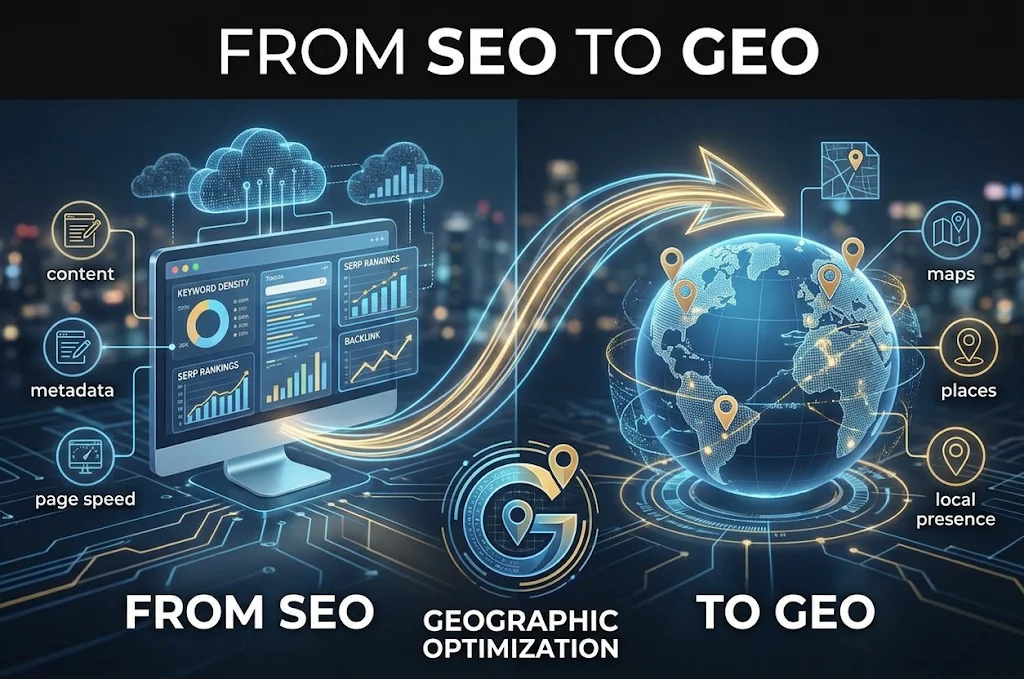
For Ugandan businesses, being easy to find online is no longer only a matter of appearing among the blue links on a search results page. More people are also asking AI-powered tools for recommendations, explanations and comparisons. From SEO to GEO: Generative Engine Optimisation Unpacked describes a shift in attention from traditional search engine optimisation (SEO) towards generative engine optimisation (GEO): making useful, reliable information more likely to be understood and cited in AI-generated answers.
The change does not make SEO obsolete. Search engines still direct customers to company websites, online shops and local service providers. GEO adds another consideration: when an AI tool summarises a topic or suggests a provider, can it identify what a business does and find credible information about it? For firms competing for attention, the practical response is not to chase every new tool, but to improve the quality and clarity of their digital presence.
What GEO asks businesses to do
SEO has long involved helping search engines crawl and rank web pages through useful content, clear site structure and relevant search terms. GEO focuses on how generative systems retrieve and present information when composing an answer. Those systems may draw on multiple sources, so a company’s details need to be clear, consistent and supported by content that addresses real questions.
That distinction matters for a Kampala retailer, a tourism operator in western Uganda or a professional-services firm seeking clients beyond its immediate area. A page that says only “we offer quality service” gives a reader little to assess. A page that sets out the service, location, process, likely costs or constraints, and answers common customer questions is more useful to both people and digital systems.
GEO is not a guarantee of being named in an AI response. The systems and their sources vary, and there is no dependable formula for securing a mention. Businesses should treat it as an extension of sound publishing practice: provide accurate information, make it easy to navigate, and keep important details current.
Build information people can trust
Start with the basics. Make the organisation’s name, contact details, location, hours and services consistent across its website and other public profiles. Give each core service a dedicated page rather than relying on a brief listing. Use headings that describe the subject of each section, and explain technical terms in plain English.
Then consider the questions customers actually ask. A medical clinic might explain how to prepare for an appointment and what services are available; a supplier could outline delivery areas, payment terms and product specifications. Answers should be specific and reviewed by someone qualified to stand behind them. Avoid publishing unsupported claims simply because they sound persuasive.
Original expertise also counts. A business can publish practical guidance based on its work, such as a transparent buying guide or a clear explanation of a service process. Include dates where information can change, identify the relevant team or author, and correct outdated details. This is more durable than producing many shallow pages built around slight variations of the same search phrase.
Speed and usability remain part of visibility
A well-written page cannot help much if visitors leave before it loads. Slow performance can result from oversized images, too many scripts, weak hosting, unoptimised themes or a database that needs maintenance. A crowded page can also be difficult to use on a phone, where many customers first encounter a business online.
Owners can begin by testing key pages on mobile connections, compressing images and removing features that add little value. Check whether the site loads reliably, whether forms work and whether contact information is easy to find. For a useful troubleshooting checklist, see common causes of a slow website. Osdire, a freelance marketplace spanning areas such as programming, design and marketing, is one place businesses can look when they need help with a defined technical task.
When hiring, set out the problem, access required, expected deliverables and acceptance criteria before work begins. This makes it easier to compare proposals and assess whether the work has solved the issue, rather than simply adding another plugin or redesigning a page without a clear objective.
Measure outcomes, not the label
GEO should sit alongside a broader digital strategy, not replace it. Track website visits, enquiries, calls, bookings and sales, and note which pages contribute to those outcomes. Search impressions and rankings can help diagnose changes, but they are not the same as revenue. If AI referrals are visible in analytics, monitor them as one source among several rather than assuming they will become a major channel.
For Ugandan firms working with limited budgets, the sensible sequence is straightforward: make the site fast and usable, publish accurate answers to customer questions, keep business details consistent, and review performance regularly. These steps support discovery in conventional search while making the business easier for customers—and newer answer tools—to understand. GEO is best approached not as a shortcut to visibility, but as a reason to make online information more useful and dependable.