
General
How Buhari Plans to Spend N255b for 2019 Elections

By Dipo Olowookere
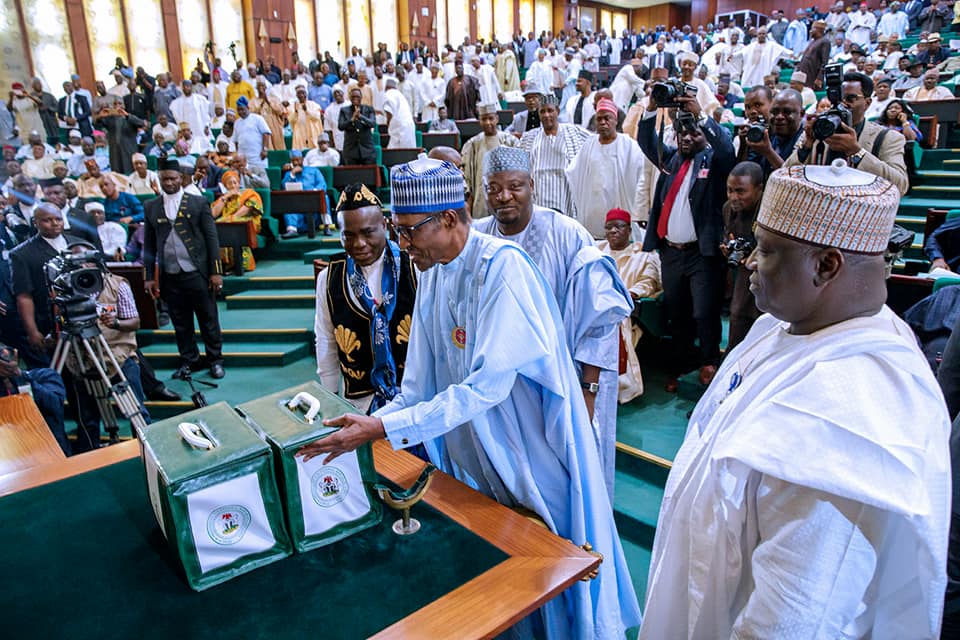
On Tuesday, July 17, 2018, President Muhammadu Buhari wrote to the Senate, seeking an approval for the use of N254.5 billion for the 2019 general elections.
Next year, Nigerians will head to the polls to choose another set of leaders for the next four year.
In 2015, Nigerians voted massively for the All Progressives Congress (APC), which promised them change.
The APC, which was then an opposition party, defeated the then ruling Peoples Democratic Party (PDP) at the polls.
Business Post gathered that the 2015 general elections were executed with about N108 billion by former President Goodluck Jonathan.
In the letter sent by President Buhari to the Senate yesterday, he explained that the N254.5 billion would be drawn from the 2018 and 2019 budgets.
Mr Buhari urged the lawmakers to remove projects earlier inserted into the budget and replace them with priority projects as contained in the original bill.
While signing the budget on June 20, President Buhari raised the alarm that Nigerian lawmakers had tampered with the document sent to them.
Mr Buhari said the National Assembly made cuts amounting to N347 billion in the allocations to 4,700 projects submitted to them for consideration and introduced 6,403 projects of their own amounting to N578 billion.
Mr Buhari in his Tuesday letter insisted he would not submit a supplementary budget to fund these priority projects. Instead, he urged the lawmakers to remove those inserted.
Also contained in the letter is the supplementary budget of N242.5 billion to fund six agencies in the 2019 general election.
Of the total sum, N164 billion will be drawn from the 2018 supplementary budget while N78.3 billion will form part of the 2019 budget of these agencies.
“As you are aware, the 2019 general election is scheduled to be conducted early in 2019. To ensure that adequate arrangements are made for free and fair election, it has become necessary to appropriate funds to enable the relevant agencies to commence preparations.
“INEC and the security agencies have accordingly recently submitted their requests and these have been subjected to the usual budget evaluation. The aggregate cost of the election is estimated at N254,445,322,600.
“However, in line with the prevailing fiscal I’m proposing that the sum of N164,104,792,65 be provided for through virement or supplementation of the 2018 budget.
“I propose that the balance of N78,340,530,535 mostly related to personnel allowances, fuelling and other costs not required until election proper be provided in their 2019 budget.
“The proposal for the 2019 election is as summarised below:
INEC
2018 supplementary – N143,512,529,445
2019 budget – N45,695,015,438
Total: N189,207,544,893
Office of the National Security Adviser
2018 supplementary – N3,855,500,000
2019 budget – 426,000,000
Total – 4,281,500,000
DSS
2018 supplementary – N2,903,638,000
2019 budget – N9,309,644,455
Total – N12, 213, 282, 455
NSCDC
2018 supplementary – N1,845,597,000
2019 budget – N1,727,997,500
Total – N3,573,534,500
Nigeria Police
2018 supplementary – N11,457,417,432
2019 budget – N19,083,900,000
Total – N30,541,317,432
NIS
2018 supplementary – N530,110,078
2019 budget – N2,098,033,142
Total – N2,628,143,320
Total amount (for 2019 election)
2018 supplementary – N164,104,792,065
2019 budget – N78,314,530,535
Total – N242,445,322,600
“You will also recall that when I signed the 2018 appropriation act, I indicated the need for reinstatement of certain cuts made to certain critical projects provided in the original executive bill. I’m therefore submitting for your consideration the reinstatement of most of the most critical of such cuts totalling N67,742,216,150 which are summarised in page one.
“The total amount required to be provided for in the 2018 budget for the 2019 general election and to restore the identified critical projects to the amount earlier proposed is therefore N228,854,800,250.
“Implementing a budget of N9.12 trillion for 2018 would be extremely challenging and therefore, I do not consider it expedient to propose a further increase to the size of the 2018 expenditure framework to fund these very important and critical expenditure items.
“Accordingly, I invite the distinguished senate to consider, in the national interest, relocating some of the funds appropriated for the new projects which were inserted into the 2018 budget proposal totalling N 578,319,951,904 to cover the sum of N228,854,800,205 required as noted above.
“A schedule sitting out a comprehensive list of these inserted projects is attached to this letter for ease of your consideration.
“Further to the above, kindly find attached a supplementary budget and virement proposal for your consideration.
“While hoping that this request will expeditious consideration of the distinguished senate, please accept, Mr Senate President, the assurances of my highest consideration,” the letter signed by Mr Buhari said.




By Adedapo Adesanya
The African Export-Import Bank (Afreximbank) has announced that its 33rd Annual Meetings will take place at El Alamein in Egypt, from June 21-24, 2026.
Against the backdrop of deepening geopolitical realignment and conflicts, Afreximbank will hold its 33rd Annual Meetings under the theme Intra-African Trade and Industrialisation: Pathway to Economic Sovereignty, underscoring the growing imperative for African countries to harness internal capacities, strengthen regional value chains, and accelerate industrial transformation as a foundation for sustainable and resilient growth.
The meetings will bring together Heads of State, government officials, policymakers, private sector leaders, financial institutions, academia and international partners from across Africa and beyond.
Through a series of strategic dialogues and engagements, Afreximbank aims to identify priority projects and actionable programmes that will advance the transformation of Africa’s trade structure, particularly in an era shaped by protectionism, shifting alliances, and economic self-interest.
The Cairo-based lender, in a statement, said the 2026 meetings would provide a unique platform for delegates to engage with high-level decision-makers, connect with partners across the value chain, gain insights into trade finance and logistics, and access capital and close investment deals. The meetings will also serve as a platform to structure partnerships and advance bankable projects across the continent.
According to Mr George Elombi, President and Chairman of the Board of Directors at Afreximbank, the meeting is coming at a time when disruptions are occurring, particularly in the Middle East, setting the need for African institutions to look at solutions that help them.
“With the current global turmoil, marked by policy uncertainty and intensifying geopolitical tensions, Africans must look inwards for solutions relevant to their challenges. We must wean ourselves off trade in commodities, expand investment in processing, build regional value chains, and consume our products to realise the growth and shared prosperity we want,” he said.
Adding his input, Mr Hassan Abdalla, Governor of the Central Bank of Egypt (CBE), affirmed: “As the host country of Afreximbank, Egypt is honoured to welcome distinguished delegates to attend the Bank’s 33rd Annual Meetings. At a time of increasing global uncertainty and shifting economic dynamics, Egypt’s strategic location and economic scale position it as a key driver of regional integration and advancing continental priorities.
“Hosting the AAM2026 in El Alamein reflects Egypt’s continued commitment to supporting African institutions, strengthening intra-African trade, and advancing the continent’s industrialisation and long-term economic transformation.”
General
A Culinary Journey Through Korean Comfort Food: Tradition, Flavor, and the Art of Shared Dining
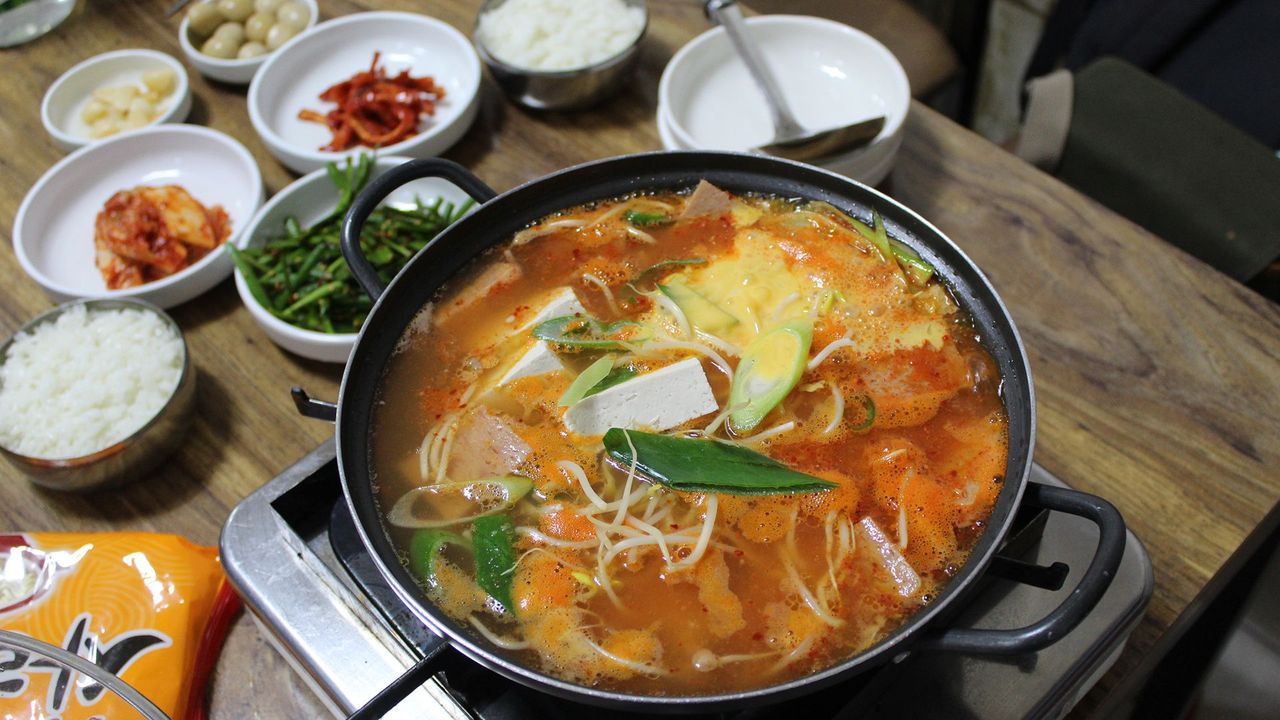
Korean cuisine has become one of the most celebrated and influential food cultures worldwide, admired for its vibrant flavors, comforting dishes, and deep cultural roots. Whether enjoyed in a bustling restaurant, a cozy home kitchen, or through a convenient online order, Korean food continues to captivate diners with its harmonious blend of taste, texture, and tradition. As global interest grows—boosted by entertainment, social media, and the rise of Korean restaurants—more people are discovering just how rich and rewarding this cuisine truly is.
The Heart of Korean Food: Flavor, Fermentation, and Freshness
What sets Korean cuisine apart is its remarkable diversity and complexity. Central to many dishes are fermented ingredients such as kimchi, gochujang (Korean chili paste), and doenjang (fermented soybean paste). These ingredients add layers of savory, spicy, and tangy flavors that cannot be replicated by other culinary traditions.
Fermentation also plays an important role in Korean health culture. Foods like kimchi and fermented soybean paste contain natural probiotics that support digestion and immune health. This makes Korean food not just delicious but also incredibly nourishing.
A traditional Korean meal features banchan—small side dishes that include pickled vegetables, sautéed greens, seasoned tofu, and more. These side dishes provide balance and variety, making each meal feel abundant and thoughtfully prepared.
The Magic of Korean Barbecue and Communal Dining
One of the most iconic dining experiences is Korean barbecue, where guests grill their own marinated meats at the table. This interactive style of dining creates an atmosphere filled with sizzling sounds, savory aromas, and joyful conversation.
But Korean barbecue is only one part of the broader culture of shared eating. Korean meals are meant to be communal, bringing people together to enjoy a wide range of dishes simultaneously. Instead of ordering individual plates, tables are filled with shared items that everyone can taste.
This sense of togetherness reflects centuries of cultural tradition and is a major reason Korean restaurants are beloved worldwide. Whether you’re enjoying spicy kimchi stew, warm rice dishes, or flavorful grilled meats, the experience is designed to be enjoyed with others.
A New Era of Convenience: Enjoying Korean Cuisine From Home
While Korean food has deep cultural roots, modern dining trends have made it more accessible than ever. As online ordering becomes an essential part of everyday life, Korean restaurants have embraced technology to bring authentic flavors directly to customers’ homes.
With easy-to-use online platforms, diners can explore full menus, make custom requests, and enjoy fast delivery of freshly prepared dishes. This convenience has allowed Korean cuisine to reach even wider audiences, including those who may not have access to a dine-in location nearby.
Whether you’re craving a spicy noodle bowl, a warm stew, or a set of delicious banchan, Korean food is now only a click away. If you’d like to order authentic Korean dishes online, you can explore this convenient option:
👉 poker
Popular Korean Dishes That Capture the World’s Attention
- Bibimbap
A colorful rice dish filled with sautéed vegetables, marinated meat, fried egg, and spicy gochujang, bibimbap is one of Korea’s most balanced and visually appealing meals. - Bulgogi
Thin slices of marinated beef grilled to perfection, bulgogi is tender, sweet, savory, and universally loved. - Kimchi Jjigae
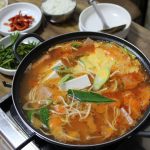
This hearty stew made with kimchi, tofu, pork, and vegetables is a comfort food staple, especially during the colder months. - Tteokbokki
Spicy, chewy rice cakes simmered in a chili sauce. This street-food favorite is a hit among people of all ages. - Korean Fried Chicken
Crispy, crunchy, and glazed with sweet or spicy sauces, Korean fried chicken has gained international fame for its unforgettable flavor.
Each dish tells a story, representing generations of knowledge and culinary tradition passed down through families and communities.
Why Korean Food Is Loved Globally
Korean cuisine’s worldwide rise can be attributed to several factors:
- Cultural influence: K-dramas, K-pop, and social media have highlighted Korean food in exciting and relatable ways.
- Healthy eating trends: The emphasis on vegetables, fermented ingredients, and balanced meals appeals to wellness-focused diners.
- Shareable dining experiences: The communal style of eating resonates with people seeking connection and memorable meals.
- Flavor variety: Korean food offers something for everyone—spicy, sweet, savory, mild, crunchy, warm, and refreshing.
As more people fall in love with these flavors, Korean cuisine continues to expand into new cities, communities, and households.
Final Thoughts
Korean cuisine is more than just a collection of dishes—it is a cultural experience shaped by history, community, and a commitment to harmony in flavor. Whether enjoying a traditional meal in a restaurant, grilling barbecue with friends, or ordering Korean comfort food online, the experience is always warm, flavorful, and deeply satisfying.
With its perfect blend of nourishment, taste, and shared enjoyment, Korean cuisine will continue to inspire diners around the world for generations to come.
By Dipo Olowookere
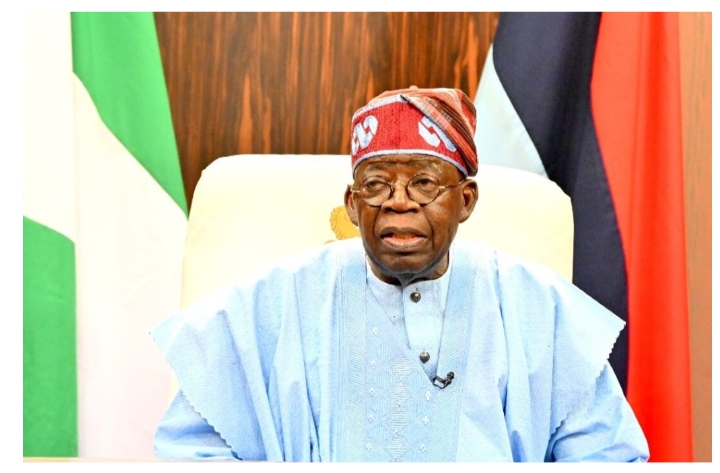
The Accountant-General of the Federation has been directed by President Bola Tinubu to create a special account for a support fund dedicated to members of Nigeria’s Armed Forces.
A statement on Sunday night by the Special Adviser to the President on Information and Strategy, Mr Bayo Onanuga, disclosed that funds from the account would be used to support those wounded in the line of duty, and the families of fallen heroes.
Already, as a personal commitment, Mr Tinubu has pledged to contribute all his salaries since assuming office as seed funding for the initiative, reinforcing his resolve to ensure that those who have borne the cost of Nigeria’s peace and security are not forgotten.
According to the statement last night, the establishment of this dedicated fund is to commemorate the 74th birthday of the President and to honour the courage, sacrifice, and service of the nation’s military personnel.
He urged state governors, members of the National Assembly, the private sector, his friends, and well-wishers to support the initiative, noting that details of the fund will be made available in due course.
President Tinubu noted that “supporting members of the Armed Forces and their families is not an act of charity, but a duty that all must fulfil.”
He stressed that the initiative was rooted in a solemn national obligation to care for those who stand in harm’s way and the families who carry the burden of their sacrifice, irrespective of insurance programmes available to members of the armed forces.
“The President reaffirmed his administration’s commitment to strengthening the welfare of military personnel and ensuring that their service to the nation is matched with dignity, care, and sustained support,” the statement concluded.







-
 Feature/OPED6 years ago
Davos was Different this year
-
Travel/Tourism10 years ago
Lagos Seals Western Lodge Hotel In Ikorodu
-

 Showbiz3 years ago
Estranged Lover Releases Videos of Empress Njamah Bathing
-
 Banking8 years ago
Sort Codes of GTBank Branches in Nigeria
-

 Economy3 years ago
Subsidy Removal: CNG at N130 Per Litre Cheaper Than Petrol—IPMAN
-

 Banking3 years ago
Sort Codes of UBA Branches in Nigeria
-

 Banking3 years ago
First Bank Announces Planned Downtime
-

 Sports3 years ago
Highest Paid Nigerian Footballer – How Much Do Nigerian Footballers Earn