

General
How New CS2 Cases Influence the Existing Skin Market

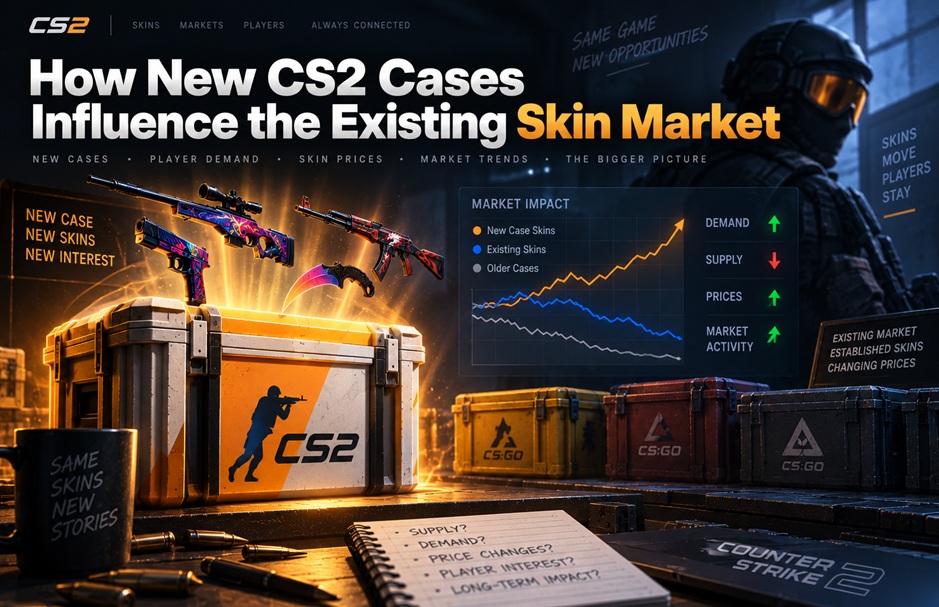
A new Counter-Strike 2 case does more than add another set of weapon finishes. It changes what players open, buy, sell, and keep in their inventories. Attention can quickly shift away from older collections as players inspect the new skins and rare special items. Interest around csgo gambling websites and other third-party skin services can add more discussion around new items, but the main market effect starts with supply and demand inside the existing CS2 economy. Understanding that process helps explain why the release of one case can affect items that are not actually inside it.
New Cases Redirect Player Demand
When a new case becomes available, many players want to inspect or open it. Early supply may be limited relative to demand, while interest is high because the collection is unfamiliar. This can concentrate market activity around the new case and its contents.
Some players fund new purchases by selling older cases or skins. Others simply stop opening previous collections and switch their attention to the latest release. Both behaviors can affect existing listings.
The result is not always a permanent decline for older items. Initial interest in a release can fade, and buyers may return to established skins once prices and opening activity settle.
Why Older Cases Can React Differently
Not all cs go cases respond to a new release in the same way. An older case with a large available supply and limited demand may lose attention quickly. A case containing popular weapon finishes or desirable rare special items can remain active even when a newer option appears.
Supply also matters. If an older case has become harder to obtain, reduced opening activity does not necessarily make it less valuable. Limited availability can support its market price even while players focus on a new collection.
This is why age alone is a poor way to compare cases. Their item pools, availability, opening demand, and current market supply all need to be considered.
New Skins Compete With Existing Skins
Every new collection introduces additional cosmetic choices for weapons. A new AK-47 finish, for example, competes for buyer attention with existing AK-47 skins at similar price levels. The same applies to AWP, M4A1-S, Glock-18, USP-S, and other frequently used weapons.
If players strongly prefer a new design, sellers of comparable older skins may need to lower their asking prices to attract buyers. The opposite can happen when a new skin is expensive or receives limited interest. In that situation, an established alternative may remain more attractive.
Rarity and wear complicate this comparison. Factory New, Minimal Wear, StatTrak, and unusual float examples can behave differently from standard versions, so a new release does not affect every copy of an older skin equally.
Opening Volume Creates New Market Supply
A cs case opening creates a skin that can eventually become part of the tradable supply. When players open a newly released case in large numbers, regular items from that collection can accumulate relatively quickly compared with rarer outcomes.
This often creates a different market environment during the early release period. Initial listings may be scarce, but more copies appear as additional cases are opened. Prices can change as buyers gain more options and sellers compete with new listings.
For that reason, the first market prices for a new skin should not automatically be treated as its stable value. Supply is still developing.
What Happens to the Best CS2 Cases Already on the Market
Players often describe popular or potentially valuable collections as the best csgo cases, but that label depends heavily on what the player wants. A collector may care about limited supply, while someone opening cases may focus on the available skin collection and rare special item pool.
New cases cs2 releases can change these preferences without making older collections irrelevant. If a new case contains a different knife or glove pool, players specifically interested in another rare item still have a reason to open older cases.
The same principle applies to weapon skins. Established designs can retain demand because players already recognize them, trade them actively, or prefer them to newer alternatives.
Trading and Third-Party Activity Add More Demand
The CS2 item economy extends beyond players opening cases. Collectors trade skins, users buy and sell items through marketplaces, and some players participate in services associated with terms such as csgo gamble.
These activities can influence demand for particular skins because existing items move between users and inventories. However, they should be separated from official case openings when analyzing supply. Trading an existing skin changes its owner, while opening a case creates another item from that collection.
That distinction is important when evaluating whether a price change comes from new supply or simply increased trading activity.
Updates Can Change the Supply Picture
A case release can also matter because of changes to how cases are distributed. Players watch the active drop pool and other item-related changes because availability affects how easily additional cases can enter circulation.
If the supply conditions for an existing case change around the time of a new release, its price can move for reasons beyond simple competition with the new collection. Players may react to expectations about future availability, causing buying or selling activity before the long-term effect is clear.
This makes it useful to separate confirmed changes from community speculation when looking at sudden market movements.
What Players Should Check After a New Case Release
Do not judge the effect of a new case by its launch-day prices alone. Check how quickly new skins are reaching the market, whether comparable older finishes are losing listings or buyers, and whether supply conditions have changed for previous cases.
For an existing skin, compare weapon popularity, rarity, wear, StatTrak status, float, and current supply before assuming a new collection has changed its value. New CS2 cases can redirect demand and create competing items, but each part of the market reacts differently. The useful question is not simply whether a new case has arrived, but which existing items now face a real change in supply or buyer demand.