
General
Lagos To Prosecute Water Sector Law Violators


By Modupe Gbadeyanka
Lagos State Government said it has commenced implementation and enforcement of the State Water Sector Law enacted in 2004.
It also confirmed the establishment of the Lagos State Water Sector Court to prosecute offenders and illegal water service providers.
According to the Commissioner for Environment in the state, Mr Babatunde Adejare, stated this on Tuesday at a two-day retreat organised for officials of the water sector in Lagos State on the establishment of Lagos State Water Sector Court with the theme ‘Towards achieving a safe and sustainable water sector in Lagos State.’
Mr Adejare, who was represented at the retreat by the Special Adviser to the Governor on Environment, Mr Babatunde Hunpe, said that the water sector court became necessary considering the series of atrocities and illegal practices being committed by some members of the public, stressing the need to bring such illegal operators/ violators to book.
The Commissioner used the occasion to correct the erroneous perception presently filtering in some quarters that the State Government is privatizing the State owned Water Corporation.
He maintained that the position of the State Government subsists that the Government cannot do it alone; hence a public private partnership is essential in meeting the water needs of Lagosians within the shortest possible time.
“The truth is that the State government is not pleased with the present practice of giving bail outs to the Lagos Water Corporation because of non-payment of water bills by water consumers” the Commissioner stated.
Mr Adejare added that government will continue to regulate the water sector to make it attractive for private sector investment in order to lessen the burden of expenses being incurred by the State government while also giving quality services to the general public. This according to him should not be misinterpreted to mean that the Lagos Water Corporation is being privatised.
Also speaking at the event, the Managing Director of Lagos Water Corporation, Engr Muminu Badmos, decried the rate and adverse effects of activities of illegal water connections saying that the practice is hindering government’s drive to meet the water needs of residents of the State.
According to him, the damages caused by construction activities, illegal connections, water theft among others is becoming alarming, expressing the belief that the introduction of the water sector court would help curb the menace which had greatly affected the revenue generation of the State Government.
He warned residents of the State especially those involved in illegal water connection to desist from the act stressing that such illegal connection will not be tolerated and he maintained that only the State Water Corporation is certified to make such connections or disconnections.
The Executive Secretary of Lagos State Water Regulatory Commission, Arch. Ahmed Kabiru Abdullahi, bemoaned the increasing rate of waterborne diseases in hospitals in recent times, saying such development is epidemic and should be urgently addressed.
He said boreholes are also being constructed haphazardly without obtaining license from the government in line with prescribed standards provided by the Groundwater Quality Control Regulation.”
“Let me also clarify that the State Government will not tolerate illegal/ uncertified activities of water service providers who operate as quacks in the water sector as they pollute the water sources. Water abstraction, consumption and distribution must be carried out in line with the regulations,” he added.
He further explained that boreholes for domestic use in single tenement homes will not pay water rates but the boreholes will require a license before construction, while existing ones will be required to be regularised. Those who abstract water for sale and for industrial use will pay a surcharge for water consumption.
Speaking on the newly established Water Sector Court, Arch. Abdullahi said that the court will assist in the legal aspects and issues that may arise in the water sector.
The Water Sector Court according to him will among other functions prosecute individuals or companies that contravene the provisions of the State Water Sector Law of 2004 and he advised all those who are yet to comply with the licensing requirements to complete the process and obtain their relevant licenses from the Commission promptly.













General
A Culinary Journey Through Korean Comfort Food: Tradition, Flavor, and the Art of Shared Dining
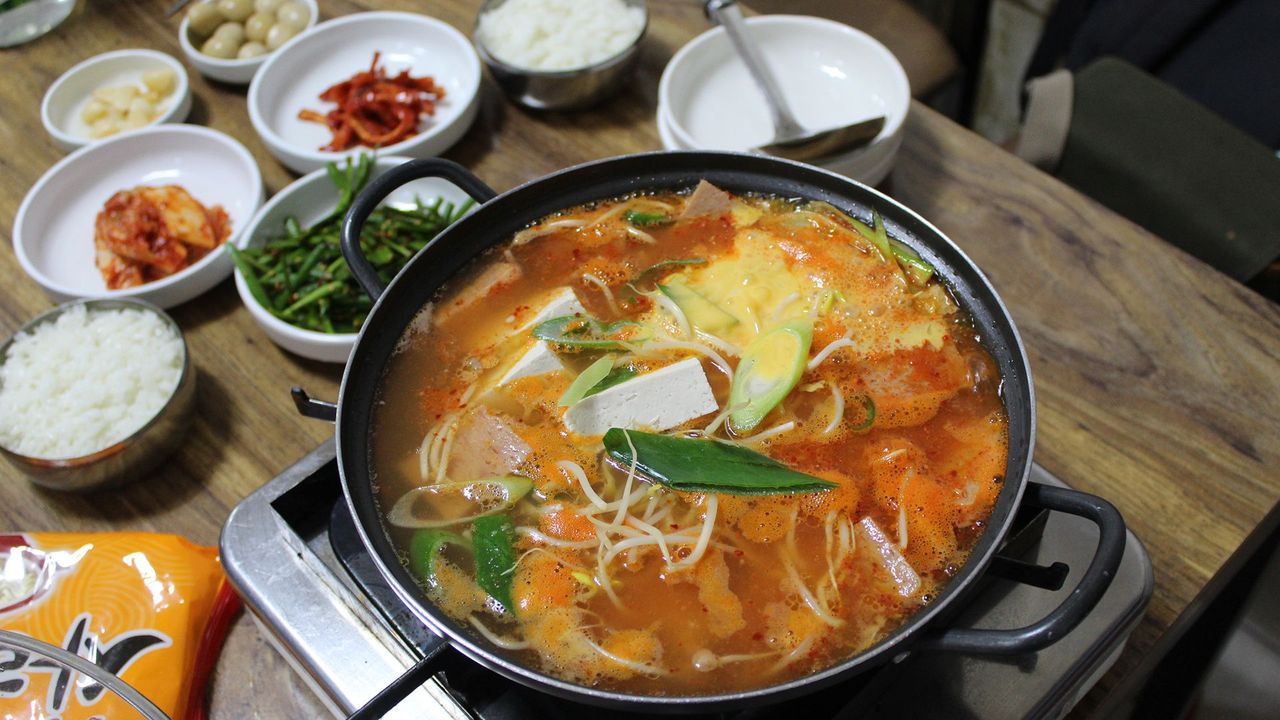
Korean cuisine has become one of the most celebrated and influential food cultures worldwide, admired for its vibrant flavors, comforting dishes, and deep cultural roots. Whether enjoyed in a bustling restaurant, a cozy home kitchen, or through a convenient online order, Korean food continues to captivate diners with its harmonious blend of taste, texture, and tradition. As global interest grows—boosted by entertainment, social media, and the rise of Korean restaurants—more people are discovering just how rich and rewarding this cuisine truly is.
The Heart of Korean Food: Flavor, Fermentation, and Freshness
What sets Korean cuisine apart is its remarkable diversity and complexity. Central to many dishes are fermented ingredients such as kimchi, gochujang (Korean chili paste), and doenjang (fermented soybean paste). These ingredients add layers of savory, spicy, and tangy flavors that cannot be replicated by other culinary traditions.
Fermentation also plays an important role in Korean health culture. Foods like kimchi and fermented soybean paste contain natural probiotics that support digestion and immune health. This makes Korean food not just delicious but also incredibly nourishing.
A traditional Korean meal features banchan—small side dishes that include pickled vegetables, sautéed greens, seasoned tofu, and more. These side dishes provide balance and variety, making each meal feel abundant and thoughtfully prepared.
The Magic of Korean Barbecue and Communal Dining
One of the most iconic dining experiences is Korean barbecue, where guests grill their own marinated meats at the table. This interactive style of dining creates an atmosphere filled with sizzling sounds, savory aromas, and joyful conversation.
But Korean barbecue is only one part of the broader culture of shared eating. Korean meals are meant to be communal, bringing people together to enjoy a wide range of dishes simultaneously. Instead of ordering individual plates, tables are filled with shared items that everyone can taste.
This sense of togetherness reflects centuries of cultural tradition and is a major reason Korean restaurants are beloved worldwide. Whether you’re enjoying spicy kimchi stew, warm rice dishes, or flavorful grilled meats, the experience is designed to be enjoyed with others.
A New Era of Convenience: Enjoying Korean Cuisine From Home
While Korean food has deep cultural roots, modern dining trends have made it more accessible than ever. As online ordering becomes an essential part of everyday life, Korean restaurants have embraced technology to bring authentic flavors directly to customers’ homes.
With easy-to-use online platforms, diners can explore full menus, make custom requests, and enjoy fast delivery of freshly prepared dishes. This convenience has allowed Korean cuisine to reach even wider audiences, including those who may not have access to a dine-in location nearby.
Whether you’re craving a spicy noodle bowl, a warm stew, or a set of delicious banchan, Korean food is now only a click away. If you’d like to order authentic Korean dishes online, you can explore this convenient option:
👉 poker
Popular Korean Dishes That Capture the World’s Attention
- Bibimbap
A colorful rice dish filled with sautéed vegetables, marinated meat, fried egg, and spicy gochujang, bibimbap is one of Korea’s most balanced and visually appealing meals. - Bulgogi
Thin slices of marinated beef grilled to perfection, bulgogi is tender, sweet, savory, and universally loved. - Kimchi Jjigae
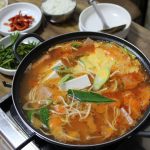
This hearty stew made with kimchi, tofu, pork, and vegetables is a comfort food staple, especially during the colder months. - Tteokbokki
Spicy, chewy rice cakes simmered in a chili sauce. This street-food favorite is a hit among people of all ages. - Korean Fried Chicken
Crispy, crunchy, and glazed with sweet or spicy sauces, Korean fried chicken has gained international fame for its unforgettable flavor.
Each dish tells a story, representing generations of knowledge and culinary tradition passed down through families and communities.
Why Korean Food Is Loved Globally
Korean cuisine’s worldwide rise can be attributed to several factors:
- Cultural influence: K-dramas, K-pop, and social media have highlighted Korean food in exciting and relatable ways.
- Healthy eating trends: The emphasis on vegetables, fermented ingredients, and balanced meals appeals to wellness-focused diners.
- Shareable dining experiences: The communal style of eating resonates with people seeking connection and memorable meals.
- Flavor variety: Korean food offers something for everyone—spicy, sweet, savory, mild, crunchy, warm, and refreshing.
As more people fall in love with these flavors, Korean cuisine continues to expand into new cities, communities, and households.
Final Thoughts
Korean cuisine is more than just a collection of dishes—it is a cultural experience shaped by history, community, and a commitment to harmony in flavor. Whether enjoying a traditional meal in a restaurant, grilling barbecue with friends, or ordering Korean comfort food online, the experience is always warm, flavorful, and deeply satisfying.
With its perfect blend of nourishment, taste, and shared enjoyment, Korean cuisine will continue to inspire diners around the world for generations to come.

By Dipo Olowookere
The Accountant-General of the Federation has been directed by President Bola Tinubu to create a special account for a support fund dedicated to members of Nigeria’s Armed Forces.
A statement on Sunday night by the Special Adviser to the President on Information and Strategy, Mr Bayo Onanuga, disclosed that funds from the account would be used to support those wounded in the line of duty, and the families of fallen heroes.
Already, as a personal commitment, Mr Tinubu has pledged to contribute all his salaries since assuming office as seed funding for the initiative, reinforcing his resolve to ensure that those who have borne the cost of Nigeria’s peace and security are not forgotten.
According to the statement last night, the establishment of this dedicated fund is to commemorate the 74th birthday of the President and to honour the courage, sacrifice, and service of the nation’s military personnel.
He urged state governors, members of the National Assembly, the private sector, his friends, and well-wishers to support the initiative, noting that details of the fund will be made available in due course.
President Tinubu noted that “supporting members of the Armed Forces and their families is not an act of charity, but a duty that all must fulfil.”
He stressed that the initiative was rooted in a solemn national obligation to care for those who stand in harm’s way and the families who carry the burden of their sacrifice, irrespective of insurance programmes available to members of the armed forces.
“The President reaffirmed his administration’s commitment to strengthening the welfare of military personnel and ensuring that their service to the nation is matched with dignity, care, and sustained support,” the statement concluded.

By Adedapo Adesanya
The Socio-Economic Rights and Accountability Project (SERAP) has demanded transparency and accountability regarding the six-month administration of the Rivers State sole administrator, Mr Ibok-Ete Ibas.
The group has asked questions regarding an alleged spending of over N302 billion received from the Federation Account Allocation Committee (FAAC) during the period. Rivers State was under an emergency rule from March to September 2025.
In a Sunday statement published on its official website, the group disclosed that the Rivers State Accountant-General and the Ministry of Budget and Economic Planning told the Rivers State High Court sitting in Port Harcourt how Mr Ibas allegedly spent over N302 billion received from the FAAC between March and August 2025.
The statement signed by SERAP deputy director, Mr Kolawole Oluwadare, disclosed that the allegation was contained in a lawsuit titled Freedom of Information, with suit number PHC/4153/CS/2025.
Mr Oludare further disclosed that the lawsuit was filed by SERAP on October 31, 2025, against the Accountant-General of Rivers State and Rivers State Ministry of Budget and Economic Planning, and is pending before Justice S.H. Aprioku of the Rivers State High Court.
In the counter-affidavit dated March 10, 2026 and filed in response to SERAP’s lawsuit, the Accountant-General and the Ministry of Budget and Economic Planning stated that “the FAAC allocations received by Rivers state between March and August 2025 were over N253 billion (N253,480,052,907.33)”
According to SERAP, Exhibit DT1, which is the bank statements, and Exhibit DT2, which is the capital pages of the Government House estimate, filed in support of the counter-affidavit and comprising 49 pages, provide some details of government expenditures exceeding N300 billion, including FAAC allocations and other funds.
The counter-affidavit, read in part, “Our records show that N28 billion was approved for the installation of Closed Circuit Television (CCTV) at the State House, but no expenditure was incurred in respect of the project. Therefore, no document evidencing such expenditure can be provided.”
“The Defendants/Respondents do not contest SERAP’s right to access information under the Freedom of Information Act and have no intention whatsoever of withholding the requested documents.”
“The Defendants/Respondents have now compiled and made available the requested information in accordance with the provisions of the Freedom of Information Act, and copies are herein attached as Exhibit DTI (bank statements) and Exhibit DT2 (capital pages of the Government House estimate).”
“By furnishing the documents requested, the Defendants/Respondents have substantially complied with SERAP’s demand.”
“While the Defendants/Respondents recognise the public interest in transparency and accountability, the delay in providing the requested information did not occasion any specific or proven injury to SERAP.”
According to the group, Rivers State received FAAC inflows of over N253.48 billion (N253,480,052,907.33) and other receipts totalling over N44.87 billion (N44,868,976,368.32) from March to August 2025, bringing the total funds received to approximately N298.35 billion (N298,349,029,275.65).”
“The two exhibits also show transfers to government entities, payments to individuals (NIP transfers), and repeated transfers to Government House during the period from March to August 2025. In total, over N302.35 billion was shown to have been spent during this period.”
“The exhibits reveal multiple payments to Government House ranging from N1.8 million to N4.27 billion, including transactions of N61.9 million, N122 million, N170 million, N389 million, N750 million, N850 million, and N900 million—with the N900 million payments occurring repeatedly. Notably, a single transfer of N4.27 billion was recorded in August.”
“Over N112.41 billion (N112,408,021,641.07) was reportedly spent on salaries, pensions, and overheads, while N163.44 billion (N163,441,654,922.70) was allocated to ministries, departments, and agencies (MDAs).”
“Over N106 billion of the N163.44 billion allocated to MDAs was disbursed in August alone, showing a significant concentration of spending within a single month.”
“Additionally, over N26.01 billion (N26,011,189,540.73) was reportedly spent to service loans, while over N491.59 million (N491,592,418.57) was spent on bank charges, bringing these to approximately N26.50 billion (N26,502,781,959.30) during the same period.”
“Over N2.5 billion was released for the construction of Government House quarters, but only about N1.1 billion is reflected in the exhibits as actual spending. The exhibits show a revised allocation of N2.67 billion for office building repairs, while about N404 million was spent.”
“N350 million is stated to be allocated for canteen and kitchen equipment. It is unclear from the exhibits how much was released for the project. Over N463 million was shown to be spent on rehabilitation projects. A project initially budgeted at N800 million appeared to be increased to N1.56 billion.”
“The closing balance in the account as at August 2025 was N19,929,707,462.66.”
In the lawsuit, SERAP is seeking the determination of the following question, “Whether, having regard to the combined provisions of Sections 13, 15(5), 16(2), and 39 of the Nigerian Constitution 1999 (as amended) and Sections 1(1), 2(3)(d)(v), 2(4), and 4(a) of the Freedom of Information Act, 2011, SERAP is not entitled to access and obtain the information sought from the Defendants/Respondents.”
The lawsuit has been adjourned to May 19, 2026, for further hearing.






-
 Feature/OPED6 years ago
Davos was Different this year
-
Travel/Tourism10 years ago
Lagos Seals Western Lodge Hotel In Ikorodu
-

 Showbiz3 years ago
Estranged Lover Releases Videos of Empress Njamah Bathing
-
 Banking8 years ago
Sort Codes of GTBank Branches in Nigeria
-

 Economy3 years ago
Subsidy Removal: CNG at N130 Per Litre Cheaper Than Petrol—IPMAN
-

 Banking3 years ago
Sort Codes of UBA Branches in Nigeria
-

 Banking3 years ago
First Bank Announces Planned Downtime
-

 Sports3 years ago
Highest Paid Nigerian Footballer – How Much Do Nigerian Footballers Earn