
General
Nigeria Inaugurates Mini Grids Programme to Expand Clean Energy Access

By Adedapo Adesanya
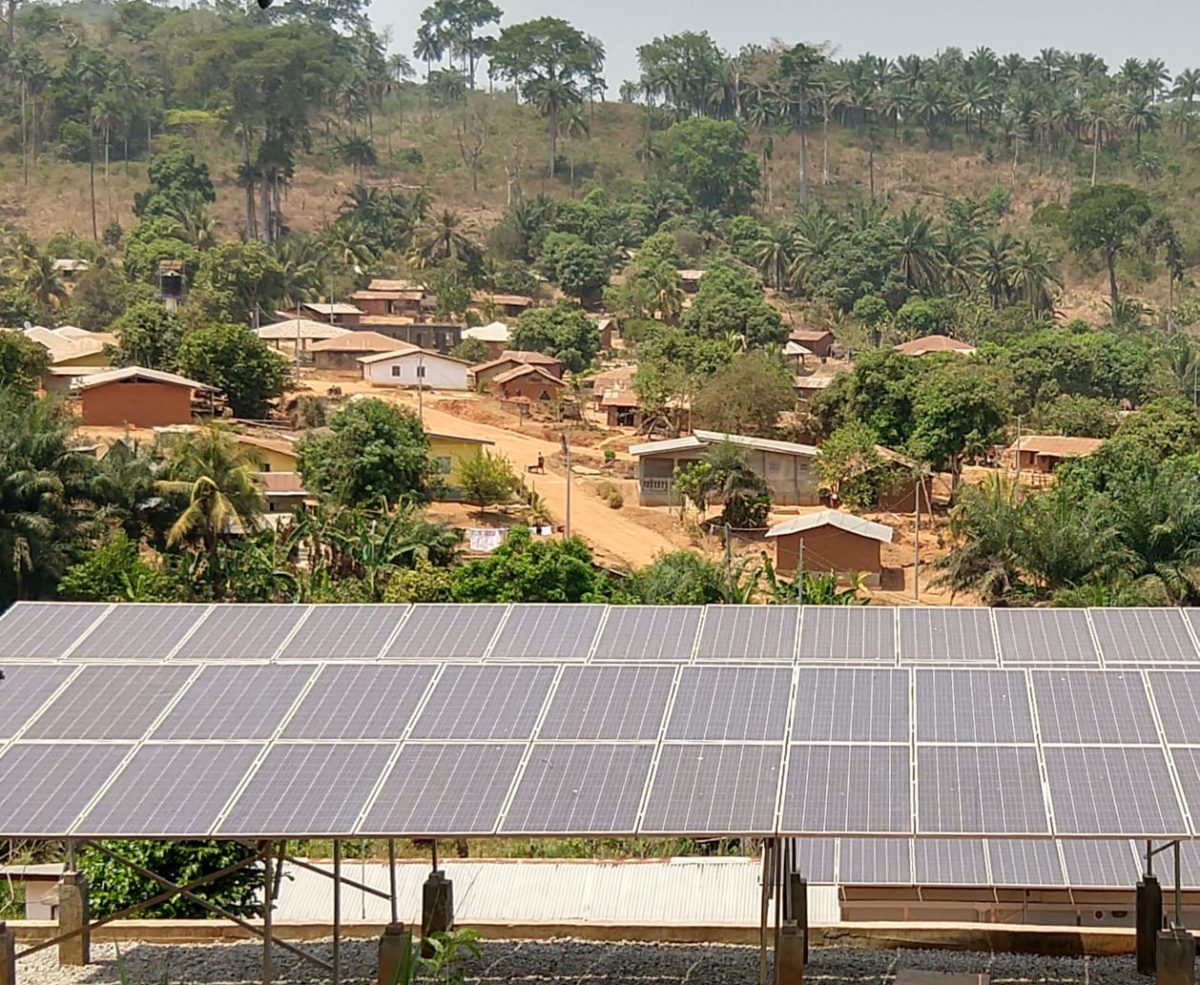
The Rural Electrification Agency (REA) has inaugurated the Africa Mini Grids Programme (AMP) to support access to clean energy in Nigeria.
Mr Ayang Ogbe, the Director of Promotions at REA, said this in a statement in Abuja, noting that the four-year project was being funded by the Global Environment Facility (GEF) and supported by the United Nations Development Programme (UNDP) in Nigeria.
He said that the programme aims to increase the financial viability and promote scaled-up commercial investment in renewable energy mini-grids, focusing on cost-reduction levers and innovative business models.
According to him, the renewable energy mini-grids are with a focus on cost-reduction levers and innovative business models.
“The programme is active in 21 African countries, and the Nigeria national project implemented by the REA is the first to commence implementation following the official inauguration at an inception workshop.
“The workshop was hosted in collaboration with representatives from the UNDP, GEF, Federal Ministries of Power, Environment and Agriculture as well as other key stakeholders in the rural development space,” he said.
Mr Ogbe said that the Africa mini-grids programme in Nigeria was designed as an enabler project of the REA’s Energising Agriculture Programme (EAP).
He said that EAP aims to advance one of REA’s strategic priorities of focusing on the unserved and underserved to increase economic opportunities.
”Through agriculture and productive sectors in rural communities across the country, this objective is in line with the mandate of the REA to catalyse economic growth and improve the quality of life for rural Nigerians.
Speaking on the project, Mr Mohamed Yahya, the UNDP Resident Representative in Nigeria, said that the UNDP was delighted with the inauguration of the Africa mini-grids programme in Nigeria with the REA as the project’s implementing partner.
He said, “access to reliable, sustainable, affordable energy is a catalyst to socio-economic development, and in achieving the Sustainable Development Goals (SDGs).”
“By scaling up solutions such as renewable energy mini-grids, we will be able to close the energy access gap and unlock opportunities for people in Nigeria and across the region,” he said.
On his part, Mr Jonah Stanley, GEF Operational Focal Point at the Federal Ministry of Environment, emphasised the significance of the programme, which he sees as central to issues.
“Such as security, climate change, food production and strengthening economies while protecting ecosystems.”
The statement quoted the Managing Director of the REA, Mr Salihijo Ahmad, “commending the collaborative spirit of the agency’s partners and stakeholders that enabled the activation of the programme.”
Mr Ahmad said that the Africa mini-grids programme would serve as another catalyst for improved access to sustainable energy and equitable and inclusive impact on livelihoods by unlocking agricultural value addition opportunities from electrification.
He said, “this sectoral approach is in line with the agency’s focus on programmes to advance the electrification targets and broader social and economic development objectives of the Federal Government of Nigeria.”
The statement also quoted Mr Sanusi Ohiare, the Executive Director, Rural Electrification Fund (REF) at the REA as saying, “there is the need to enhance the viability of mini-grids and the impact of electrification”.
“To this end, the programme will deploy pilot mini-grids to achieve the electrification of rural communities and agricultural value chain.”
Mr Ohiare said that the project would also establish the most appropriate solutions and business models while amplifying the knowledge gained to catalyse private investment.”
The AMP in Nigeria will contribute to SDG 7, which is (Affordable and Clean Energy), Goal 13 (Climate Action) and Goal 5 (Gender Equality), with an estimate of 70,063 direct project beneficiaries, out of which 34,559 are women.









By Aduragbemi Omiyale
The annual retreat for business managers and executives organised by the Nigeria Employers’ Consultative Association (NECA) will take place from April 16 to 18, 2026, at the AAE & T Hotel, Kuto, Abeokuta, Ogun State.
This year’s edition is themed The Resilient Enterprise, People and Systems: Building and Managing Businesses that Outlive Seasons, Cycles and Crises.
The programme aims to equip leaders with the insights, tools, and networks required to build resilient organisations in an increasingly complex business environment.
It will provide a unique platform for executive-level engagement through high-level conversations, peer learning sessions with experienced leaders, strategy reflection workshops, and curated networking opportunities.
Expected to attend are industry leaders, senior executives, and business managers from across sectors. They will explore strategies for sustaining organisational performance through leadership transitions, economic cycles, regulatory shifts, and market disruptions.
Participants will also benefit from interactive discussions focused on strengthening corporate governance, developing agile leadership capabilities, and building organisational systems that can withstand periods of uncertainty and transformation.
A notice from NECA said the event is open to both members and non-members, with participation fees set at N300,000 for members and N320,000 for non-members. Discounts will also be available for Gold and Silver members, subject to applicable terms and conditions.
Interested participants are encouraged to register via the official registration link to secure their place at the retreat, which promises to deliver valuable insights and connections for executives seeking to build enterprises capable of thriving through seasons of change and uncertainty.
The Director-General of NECA, Mr Adewale Smatt-Oyerinde, noted that by convening business managers and senior executives in a collaborative learning environment, the association aims to contribute to the development of stronger, future-ready enterprises that can drive economic growth, create jobs, and support national development even in the face of evolving global and local challenges.
He added that the retreat will provide executives with the opportunity to step away from daily operational demands and engage in deeper strategic conversations with peers and industry experts.
“The theme of this year’s retreat speaks directly to the realities businesses face today. Across sectors, organisations are navigating leadership transitions, regulatory shifts, economic pressures, and technological disruption.
“What distinguishes enduring enterprises is their ability to build strong systems, develop capable leaders, and create organisational cultures that can adapt and respond effectively to change,” the NECA chief said.

By Modupe Gbadeyanka
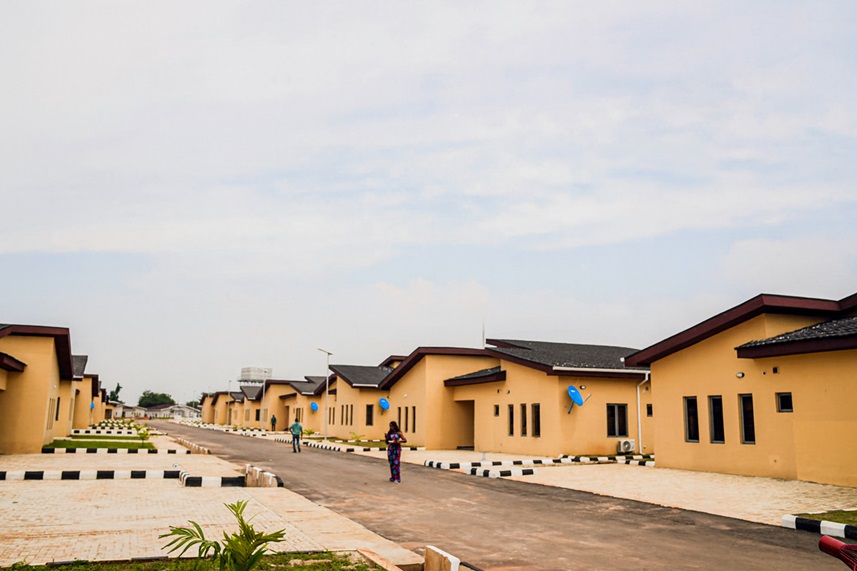
In further demonstration of its unwavering commitment to its workforce, Nigeria’s foremost power generation company, Egbin Power Plc, has unveiled 80 new residential housing units for employees within its plant premises in Egbin, Lagos State.
This comprises 40 fully furnished three-bedroom apartments and 40 furnished studio apartments, all designed to contemporary standards.
The units feature modern infrastructure and thoughtfully planned utilities, creating a safe, comfortable, and conducive living environment that supports both employee productivity and family well-being.
This strategic investment underscores the company’s philosophy that a well-supported workforce is fundamental to sustained operational excellence.
The new housing units are part of a holistic strategy to cultivate a stable, motivated, and future-ready workforce.
This strategy extends beyond infrastructure to encompass robust career development and recognition. Over the past three years, Egbin Power has promoted 112 employees across various cadres, reinforcing a culture that rewards merit, performance, and long-term dedication
“At Egbin Power, our people are our most valuable asset. Even amidst the prevailing liquidity and operational realities within the broader power sector, our focus on employee welfare has remained deliberate and consistent.
“This significant expansion of our residential estate is a tangible expression of that commitment.
“It is one of several key initiatives aimed at ensuring our employees feel genuinely supported, allowing them to thrive both personally and professionally,” the chief executive of Egbin Power, Mr Mokhtar Bounour, said.
Initiated in 2025 and completed in January 2026, this project is the latest milestone in Egbin Power’s structured and ongoing approach to enhancing employee welfare. It reflects the energy firm’s dedication to fostering a culture where every team member feels valued, secure, and motivated.

By Aduragbemi Omiyale
On Tuesday, March 10, 2026, at the Nigerian Exchange Group House in Lagos, the role of capital markets in promoting gender equality will be reemphasised through the closing gong ceremony in commemoration of International Women’s Day 2026.
The ceremony is part of the global Ring the Bell for Gender Equality campaign, which mobilises stock exchanges worldwide to expand women’s participation in the economy and advance gender-inclusive practices.
In Nigeria, the NGX Group is partnering with the Central Securities Clearing System (CSCS) Plc and Women in Management, Business and Public Service (WIMBIZ) to make it memorable under the theme Rights. Justice. Action. For ALL Women and Girls.
Dignitaries expected at the ceremony include the Minister of State for Foreign Affairs, Mrs Bianca Odumegwu-Ojukwu; the First Lady of Imo State, Mrs Chioma Uzodimma; the Executive Commissioner for Legal and Enforcement at the Securities and Exchange Commission (SEC), Ms Frana Chukwuogor; foremost actor, Ms Funke Akindele; a Director at the NGX Group, Ms Ojinnika Olaghere; and another staffer of NGX Group, Mrs Fatima Wali-Abdulrahman, alongside board members of NGX Group, regulators, capital market stakeholders, and industry leaders.
NGX Group is joining other exchanges worldwide in sounding the NGX Gong to underscore the importance of inclusive leadership, equal opportunities, and stronger market accountability in advancing gender equality.












-
 Feature/OPED6 years ago
Davos was Different this year
-
Travel/Tourism10 years ago
Lagos Seals Western Lodge Hotel In Ikorodu
-

 Showbiz3 years ago
Estranged Lover Releases Videos of Empress Njamah Bathing
-
 Banking8 years ago
Sort Codes of GTBank Branches in Nigeria
-

 Economy3 years ago
Subsidy Removal: CNG at N130 Per Litre Cheaper Than Petrol—IPMAN
-

 Banking3 years ago
Sort Codes of UBA Branches in Nigeria
-

 Banking3 years ago
First Bank Announces Planned Downtime
-

 Sports3 years ago
Highest Paid Nigerian Footballer – How Much Do Nigerian Footballers Earn