
General
NNPC Holds Anti-Fraud Training for Staff to Crush Corruption

By Dipo Olowookere
The Nigerian National Petroleum Corporation (NNPC) will equip 50 percent of its work force with requisite knowledge on how to identify and examine fraud as part of measures to stamp out corruption from its system.
The Group Managing Director of the NNPC, Dr Maikanti Baru, made this commitment on Tuesday in Abuja while receiving a delegation of the Association of Certified Fraud Examiners (CFE), Abuja Chapter, led by its President, Mr Ishili Emmanuel.
The GMD said training staff on fraud examination would ensure that NNPC was not involved in the five per cent annual global revenue loss to fraud.
“We will seize the opportunity offered by the CFE to train at least 50 percent of our staff on fraud examination. We do know that there are a lot of advantages in getting as many staff as possible trained in fraud examination,” Dr Baru said.
He explained that as the major foreign exchange earner for the country, NNPC was very conscious of issues of corruption in all its ramifications and had gone beyond looking at corruption in terms of money alone.
“NNPC under my leadership, has instituted what we call Governance, Risk and Compliance Division which is very much in line with the mission of CFE. The Division is not only looking at corruption in terms of naira and kobo but also at the system itself. The new Division will ensure that fraud did not manifest in our system and if does, it would be quickly nipped in the bud,” he said.
He stated that corruption was a major waster of human resources as staff found culpable were usually prosecuted and sacked, adding that it was better to train them on fraud and safeguard them.
The GMD said the Corporation was at the vanguard of providing support to anti-corruption agencies in the country by providing them with necessary information on cases involving its employees and other relevant third parties.
“We have been using the anti-corruption bodies effectively. Particularly, we have very strong collaboration with the ICPC,” the GMD stated, stressing that during his stint as the Chairman of the NNPC Anti-corruption Committee, they saw the need to train and certify fraud examiners which was why the current and long-standing secretary of the committee was a certified fraud examiner with about ten others that have completed their training and were awaiting certification from the American body.
The GMD directed the GRC Division to immediately commence the process of registering NNPC as a corporate member of the CFE, urging the body to avail the corporation of all the opportunities therein in its fight against corruption.
Speaking earlier, the President of CFE, Abuja Chapter, Mr Ishili Emmanuel, stated that the NNPC as the apex oil and gas company in the country ought to have a robust human asset capability to deal with many of the unique socio-economic development challenges within the oil and gas industry.
He applauded the GMD for his tenacity and commitment to fighting corruption since assuming duty as the helmsman of the corporation.
Mr Emmanuel stated that by joining the CFE as a corporate member, the NNPC stood to benefit from the pool of unlimited anti-fraud resources like other world class organizations around the world.
He explained that membership of the anti-corruption body would make a bold statement about the Corporation’s integrity, capacity and willingness to entrench the culture of transparency and anti-corruption in its system.
The GMD was also conferred with a fellowship of the association and decorated with its prestigious lapel pin.










By Modupe Gbadeyanka
Oceangate Engineering Oil and Gas Limited has concluded plans to challenge the Federal High Court judgment directing the forfeiture of its assets to the federal government.
The energy firm, in a statement on Thursday by its scribe, Ms Nnenna Onyeaso, denied any wrongdoing in the matter taken to court by the Economic and Financial Crimes Commission (EFCC).
Justice Emeka Nwite of the Federal High Court in Abuja ordered the final forfeiture of $13 million linked to a Lagos socialite, Ms Aisha Achimugu, and her company, Oceangate, after ruling that the EFCC established that the foreign currency was proceeds of fraud and unlawful activities.
The judge dismissed the claims that the $13 million was gifts received into the Oceangate Engineering Company by Ms Achimugu, adding that the woman never came to the court to show cause why the huge amount of money should not be forfeited to the government.
Reacting to the issue in the statement, Oceangate described the court’s decision as a civil asset forfeiture order based on suspicion rather than proof, stressing that the judgment did not establish any criminal liability against the organisation.
The organisation emphasised that it has already directed its legal team to file an appeal, expressing confidence in the judicial process and the outcome of a thorough review of the case.
“To be clear, this ruling is a civil asset forfeiture order with no finding of wrongdoing against Oceangate or its leadership.
“The court’s decision rested on a legal standard of suspicion, not proof, and it is one we intend to pursue fully through the appeals process,” Ms Onyeaso said in the statement.
The firm secretary also said that Oceangate has reiterated its belief in the rule of law, noting that the appellate system exists to address such outcomes, adding that the firm remained confident that the facts of the case will ultimately affirm its integrity and business practices.
She stressed that the company’s operations remained unaffected, stating that it continues to provide employment to many Nigerians while contributing to the country’s energy sector and broader economy.
“We have always believed in the ability of the judicial process, and that belief has not wavered,” she added, saying the organisation expressed appreciation to its employees, partners, and clients for their continued support amid the development, assuring stakeholders of its commitment to transparency and accountability.
“We remain committed to the continued growth of our business and the communities we serve as we are optimistic that justice will prevail at the end of the legal process,” Ms Onyeaso stated.


By Adedapo Adesanya
The late Herbert Wigwe, former chief executive of Access Bank, has been linked to 106 properties in London, a new investigation by a British paper found.
The investigation by The Londoner examined 32,611 properties across the British capital owned by overseas entities, traced foreign-held properties through shell companies and offshore structures. The findings were made possible by a UK legal reform requiring overseas entities to declare their beneficial owners.
However, the publication emphasised that the report documents ownership and does not allege any wrongdoing.
Mr Wigwe, who died in a helicopter crash alongside his wife, son, and friend in California in February 2024, was one of Africa’s most prominent banking executives, having helped transform Access Bank into one of Nigeria’s largest financial institutions.
The investigation found him in connection with 106 London-based properties, which underscores the scale of his presence in one of the world’s most expensive real estate markets.
Previously, UK company records had linked Mr Wigwe to an address on The Bishops Avenue in north London, one of the city’s most exclusive streets.
He was listed in 2012 as a director of Carmel Gate Ltd, with a correspondence address at Flat 7, Allingham Court, 44 The Bishops Avenue. The new investigation suggests his property interests in London were far wider than previously known.
Mr Wigwe also served as director of Access Bank UK Limited from 2008 until his death. Documents from Access Holdings show that he and the current Access Bank CEO, Mr Roosevelt Ogbonna, were the only shareholders when the holding company was incorporated in 2021, each holding 4,000,000 ordinary shares.
The Londoner noted that foreign ownership in London stretches from Oxford Street and Camden Market to luxury residential towers and landmark commercial sites, often held through companies in Jersey, Guernsey, and the British Virgin Islands.
The development came on the back of British legislation in 2022, which mandated that any overseas entities that owned UK real estate had to register their real ownership with UK authorities.
The Londoner reported that among others found to own properties include the Private Department of the President of the UAE, the Qatar Central Bank, as well as the Libyan Investment Authority, the sanctioned sovereign wealth fund based in Tripoli.
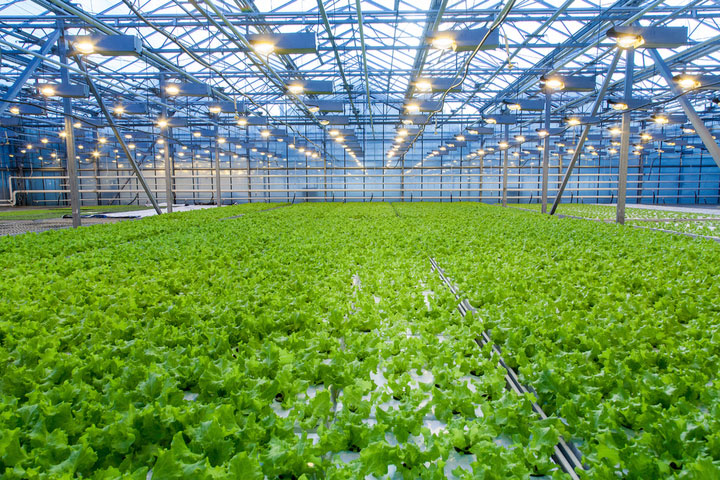
Controlled environment agriculture has become an important part of modern food production and facility management in the United States. Agricultural producers, research institutions, and industrial property operators often require protected growing areas to ensure stable plant development. Greenhouse systems allow operators to manage temperature, moisture, and airflow while protecting crops from environmental stress.
One example of this approach is the Tunnel Greenhouse Grow Tent w/12 Mil Ripstop Leno Mesh Cover. Tunnel greenhouse structures create enclosed growing spaces that support plant cultivation while maintaining airflow and natural light exposure. These systems are used in small agricultural operations as well as in institutional and facility management programs.
Market Context and Importance in the United States
Demand for reliable plant cultivation systems has increased due to changing climate patterns and expanding urban development. Many organizations require predictable plant production for landscaping, research, and food supply programs. Controlled environment greenhouse structures allow operators to extend growing seasons and reduce crop losses.
Tunnel greenhouses are widely used because they are easier to install than large permanent structures and can be adapted to different locations.
Basic Structure and Functional Design
Tunnel greenhouse grow tents use a curved frame structure covered with durable protective material. The covering allows sunlight to enter while protecting plants from wind and heavy rainfall.
Key structural elements include:
- Steel frame that supports the structure
- Protective mesh or plastic covering
- Roll up windows for airflow control
- Ground anchoring system for stability
- Entry door for maintenance access
Operational Applications
Tunnel greenhouse systems support several types of cultivation and facility management operations.
- Vegetable and fruit cultivation
- Seedling propagation programs
- Landscape plant preparation
- Agricultural research and testing
- Protected growing environments in cold regions
Efficiency and Productivity Considerations
Greenhouse structures improve productivity by providing consistent environmental conditions. Controlled growing spaces help operators maintain plant health and improve production planning.
- Reduced crop loss from weather exposure
- Improved control of temperature and moisture
- Extended growing seasons
- More predictable plant development cycles
Technical Infrastructure Considerations
Successful greenhouse operation requires attention to environmental and structural factors. Operators must ensure that the structure can withstand local climate conditions while supporting plant growth requirements.
- Proper anchoring for wind resistance
- Sunlight exposure throughout the day
- Ventilation management through windows or vents
- Reliable water supply for irrigation
- Monitoring of temperature and humidity levels
Safety Practices and Maintenance
Regular inspection helps maintain safe operation and structural stability of greenhouse systems.
- Inspect frame connections and anchors
- Replace damaged covering materials
- Maintain safe electrical connections for ventilation equipment
- Keep walkways clear during maintenance work
Related Equipment and Accessories
Greenhouse systems often operate together with other tools that support plant cultivation.
- Irrigation systems
- Plant benches and racks
- Ventilation fans
- Environmental monitoring devices
- Supplemental lighting equipment
Advantages and LimitationsAdvantages
- Flexible installation in different locations
- Protection from environmental conditions
- Improved plant growth stability
- Lower cost compared with permanent structures
Limitations
- Performance influenced by local climate conditions
- Requires routine maintenance of covering materials
- Limited insulation compared with permanent greenhouse buildings
Example from a Small Agricultural Operation
A small vegetable farm in the northeastern United States installed tunnel greenhouse structures to extend the growing season for leafy crops. By using protected cultivation space, the farm was able to begin seedling development earlier in the spring and continue production later in the autumn. This approach improved crop availability while reducing the impact of seasonal weather changes.
Conclusion and Future Industry Trends
Tunnel greenhouse grow tents provide a practical solution for controlled environment cultivation in agricultural and institutional settings. Their flexible design and relatively simple installation make them suitable for many types of plant production programs.
Future developments in greenhouse technology may include improved covering materials, automated ventilation systems, and advanced environmental monitoring tools. As interest in reliable plant production continues to grow, controlled cultivation systems will remain an important part of modern agricultural and facility management practices.










-
 Feature/OPED6 years ago
Davos was Different this year
-
Travel/Tourism10 years ago
Lagos Seals Western Lodge Hotel In Ikorodu
-

 Showbiz3 years ago
Estranged Lover Releases Videos of Empress Njamah Bathing
-
 Banking8 years ago
Sort Codes of GTBank Branches in Nigeria
-

 Economy3 years ago
Subsidy Removal: CNG at N130 Per Litre Cheaper Than Petrol—IPMAN
-

 Banking3 years ago
Sort Codes of UBA Branches in Nigeria
-

 Banking3 years ago
First Bank Announces Planned Downtime
-

 Sports3 years ago
Highest Paid Nigerian Footballer – How Much Do Nigerian Footballers Earn