
General
Osinbajo Lauds US Advocacy on Climate Change


By Sodeinde Temidayo David
Nigeria’s Vice President, Mr Yemi Osinbajo, has expressed gladness as the United States of America (USA) is fully back on board the climate change global agenda, in a commendable restoration of the US government’s support for the Paris Agreement.
Mr Osinbajo expressed this excitement when he received a delegation from the United States and discussed issues of interest to both countries on climate change action.
“We are happy that the US is fully on board with climate change and back to the table on this issue.
“I think one has to commend the drive that this U.S. administration has put behind climate change,” the Vice President noted.
It could be recalled that four years ago, the immediate past President of the US, Mr Donald Trump, withdrew his country from the Paris Agreement.
But the administration of Mr Joe Biden, on the assumption of office, announced the restoration of America’s commitment to the deal.
During the visit yesterday, Mr Osinbajo restated Nigeria’s position on a just transition from fossil fuels to clean energy, ahead of the net-zero emissions 2050 target.
“We are concerned, amongst other things, first about some of what has been going on, especially around gas as an effective transition fuel, and how many of the Development Finance Institutions (DFIs) and some countries are insisting that gas projects should be defunded.
“This is a principal concern to us; it is one that we have made central to our advocacy and it is one of the issues that we intend to promote at the COP26,” the VP noted.
He informed the US delegation of Nigeria’s Energy Transition Plan, which is the first in Africa.
“We have done the costing for it and all of what is required to be able to hit net-zero by 2050. Also, what the implications would be, given the constraints there, and how realistic it would be to get to net-zero by 2050 or not,” he added.
According to Mr Osinbajo, Nigeria is looking forward to participating in the democracy summit to be hosted by US President Joe Biden later this year.
He noted that one of the things that have always been the topic in the country is how to ensure that illicit financial flows are discouraged.
He further stressed that the international monetary and financial systems have a role in stopping it.
“Looking at what happened in the last few years, we have received quite a bit of support from the U.S. government, especially in terms of the repatriation of several of the looted funds, and we hope to continue to get the cooperation of the US,” the respected lawyer said.
On behalf of the federal government, the VP also commended the US government for donating over 3.5 million doses of COVID-19 vaccines to Nigeria.






By Adedapo Adesanya
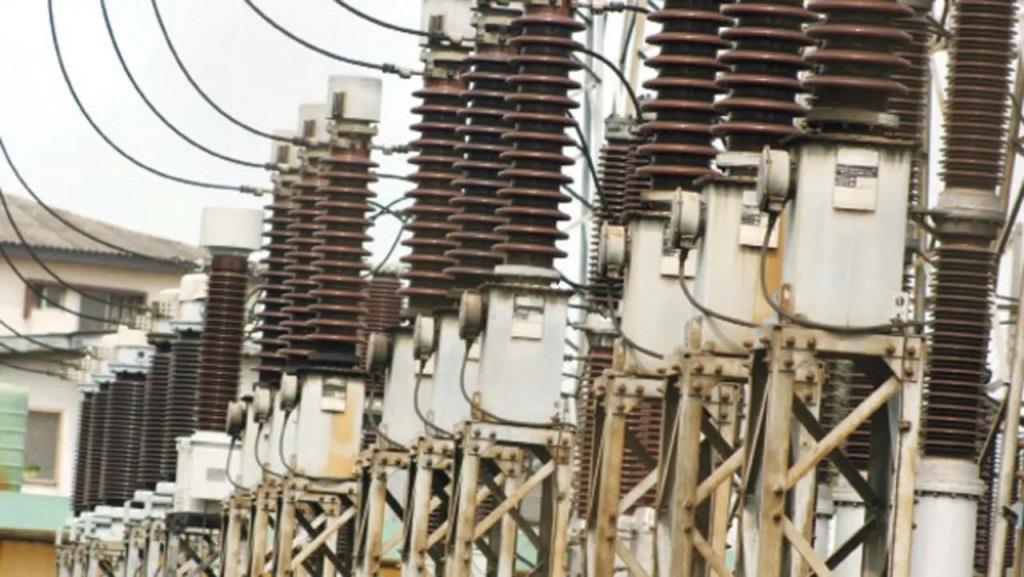
The Nigerian Independent System Operator (NISO), the entity established to manage Nigeria’s electricity grid, has said that it was working to accelerate the implementation of the Supervisory Control and Data Acquisition (SCADA) to enhance grid monitoring.
The SCADA is a software and hardware system that enables industrial organisations to remotely monitor, control, and collect real-time data from machines and processes.
The Managing Director of NISO, Mr Abdul-Mohammed Bello, in a statement to outline some of the achievements the organisation recorded within one-year of its establishment, said efforts are being made to ensure completion to enhance the grid monitoring infrastructure, adding that this is in collaboration with the Nigerian Electricity Regulatory Commission (NERC).
”We are doing this to ensure that SCADA, which is a veritable tool for system operation, is completed.
“It is a work in progress, and we have also reached advanced stages in the deployment of the telemetry system across the grid at the electricity trading points,” he said.
Mr Bello said that the telemetry system would enhance the efficiency and effectiveness of the electricity market, thereby enabling settlements in real-time.
“This is very critical for us to have accurate data and management aspects of the system.
“We have also been able to install substantial IoT metering systems on most parts of the generating units and at the interfaces between transmission and generation, and substations,” he said.
Mr Bello said that the IoT application was an ongoing project that NISO was prioritising.
He said that when the project is completed before the end of the year, there would be visibility of the national grid from generation through transmission lines, substations, and distribution.
“We are going to make sure that the approved transmission expansion plan is religiously implemented to add value to the system,” he said.
He also said that the board of NISO had been able to strengthen and execute Institutional development in the electricity regulatory sector.
He said that the system operator had prioritised the building of a strong and credible institution over the past year, and had already established governance and management structures to support independent system operations.
“We have been able to establish governance and management structures to support independent system operations both at the board level and at the management level.
“We have also strengthened institutional coordination across the electricity value chain, from generation to transmission, distribution, and energy cost management. This is to foster a culture of accountability, professionalism and performance throughout the sector value chain,” he said.

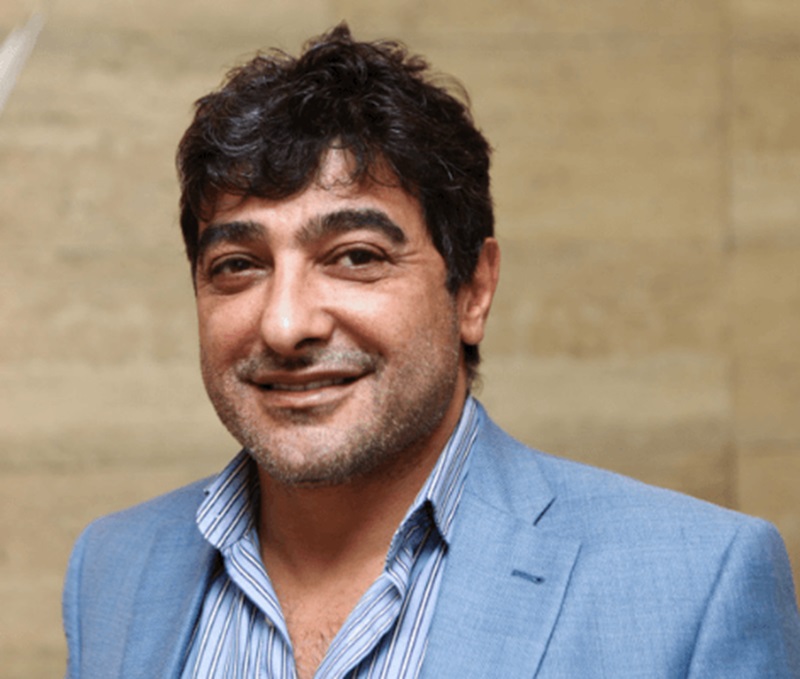
By Modupe Gbadeyanka
Mikano International Limited has refuted allegations linking its chairman, Mr Mofid Karameh, to criminal activity.
In a statement on Friday, the company described as false a report by an online news platform that Mr Karameh was involved in, investigated for, or associated with illegal activity.
“These claims are entirely unfounded, baseless, and defamatory,” the firm said, describing such allegations as “a gross misrepresentation of his character and the values he upholds.”
“For more than three decades, Mikano International Limited has built a solid reputation grounded in integrity, transparency, and responsible business conduct across Nigeria and beyond.
“We take this reputation seriously and are deeply concerned by the dissemination of unverified information capable of misleading the public and unjustly harming both personal and corporate credibility.
“We urge our partners, clients, and the general public to disregard the report in its entirety,” the statement made available to Business Post said.
Mikano said it was “currently reviewing all available legal options and will take appropriate action to defend the reputation of our chairman and the organisation.”
“We remain steadfast in our commitment to excellence across all sectors in which we operate and sincerely appreciate the continued trust and support of our stakeholders,” it stressed.

By Aduragbemi Omiyale
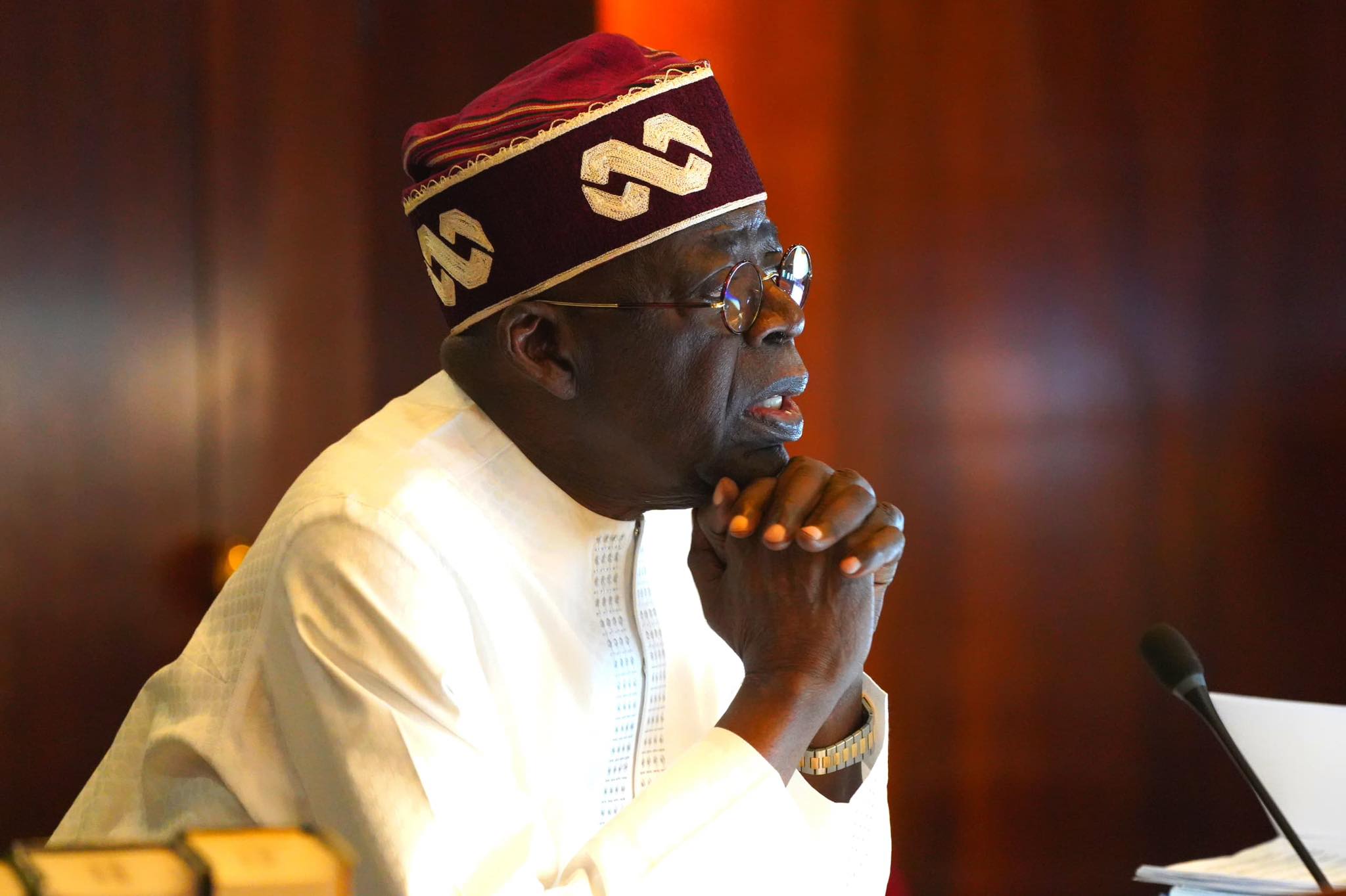
President Bola Tinubu has appealed to Nigerians and the media to stand with the military to end terrorism in the country.
In a statement issued on Thursday night to mourn the loss of soldiers of the 29 Task Force Brigade, Operation HADIN KAI in Benisheikh, Borno State, in the early hours of today, Mr Tinubu “expressed deep sadness” over the incident.
Some Boko Haram terrorists had launched a coordinated terrorist attack on the military camp, killing Brigadier-General Oseni Omoh Braimah and others.
While praising the courage and heroism of the dead soldiers, the President urged the leadership of the Armed Forces and all soldiers on the frontline not to be discouraged, but to draw strength from the nation’s deep appreciation for their sacrifices.
“From the reports I have received, our armed forces have been conducting sustained, intense land and air offensives against the insurgents, neutralising many of their fighters and commanders. The insurgents’ counterattack is a sign of desperation.
“I extend my condolences to the families of our gallant soldiers, led by Brigadier-General Oseni Omoh Braimah, who made the ultimate sacrifice in the defence of our country today in Borno State. The government will never forget their sacrifices. Their sacrifices will not be in vain. Because of the courage and dedication of our troops on the frontline, our resolve to defeat terrorism and all forms of violence across Nigeria is stronger than ever.
“I urge the military high command and our troops in all theatres of operation: Do not lose heart, do not be weary, do not be discouraged. Our officers and men should continue to serve with honour, courage, and patriotism. The government will always stand by the Armed Forces, provide more of the equipment needed and ensure the welfare of all who risk their lives for our safety.
“I urge Nigerians and the media to continue to support our military in their relentless battle against insurgency and banditry. We should desist from celebrating or condoning the attacks against our troops. These soldiers are our heroes; unforgettable and irreplaceable.
“My condolences also go to the government and people of Borno State. The federal government will continue to work with the state government to achieve total victory and lasting peace,” Mr Tinubu was quoted as saying in the statement signed by his Special Adviser on Information and Strategy, Mr Bayo Onanuga.
-
 Feature/OPED6 years ago
Davos was Different this year
-
Travel/Tourism10 years ago
Lagos Seals Western Lodge Hotel In Ikorodu
-

 Showbiz3 years ago
Estranged Lover Releases Videos of Empress Njamah Bathing
-
 Banking8 years ago
Sort Codes of GTBank Branches in Nigeria
-

 Economy3 years ago
Subsidy Removal: CNG at N130 Per Litre Cheaper Than Petrol—IPMAN
-

 Banking3 years ago
Sort Codes of UBA Branches in Nigeria
-

 Banking3 years ago
First Bank Announces Planned Downtime
-

 Sports3 years ago
Highest Paid Nigerian Footballer – How Much Do Nigerian Footballers Earn