
General
Oyetola Warns Budget Shortfall Threatens Operations of NPA, NIMASA, Others

By Adedapo Adesanya
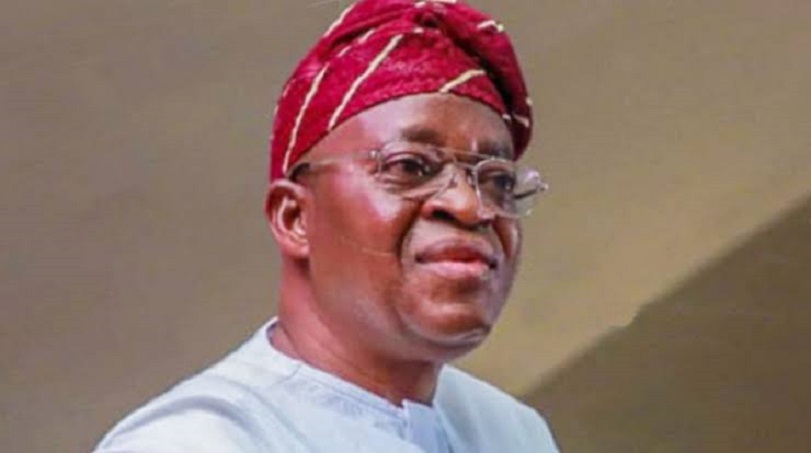
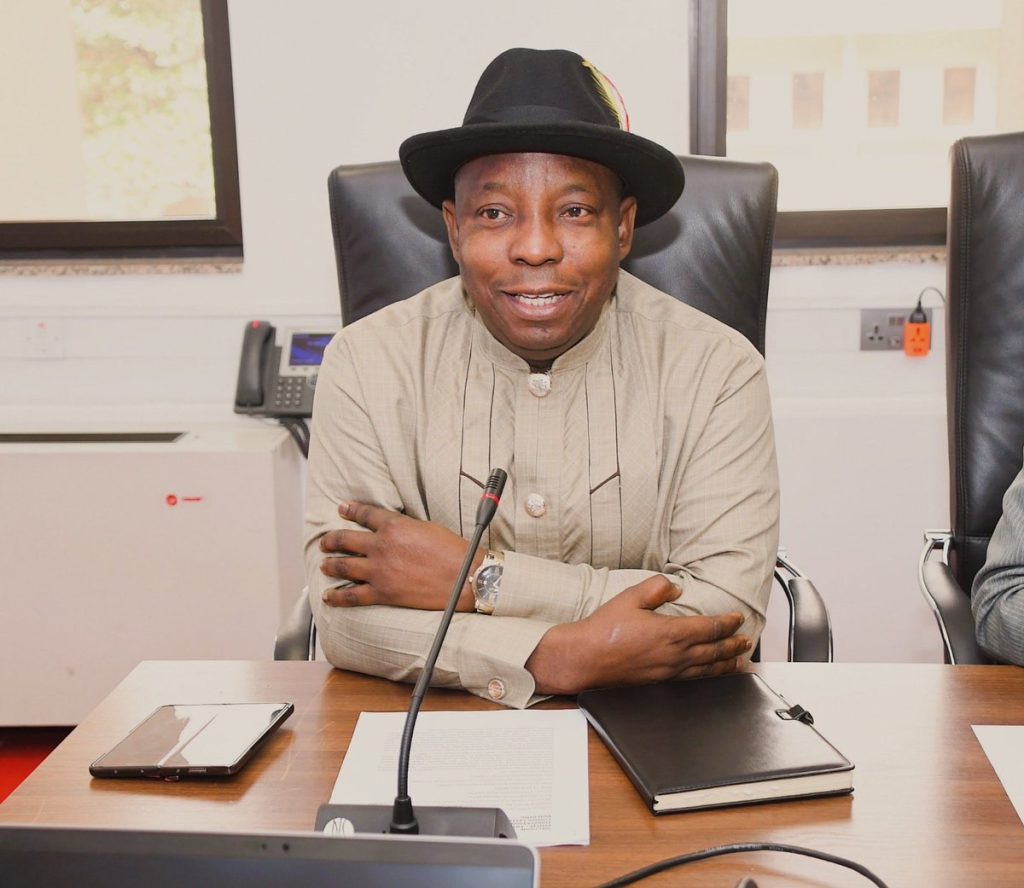
The Minister of Marine and Blue Economy, Mr Adegboyega Oyetola, has warned that operations of agencies under his ministry were being severely constrained by excessive deductions at source by the Office of the Accountant-General of the Federation.
He disclosed on Tuesday while presenting a N10.5 billion budget proposal for the Federal Ministry of Marine and Blue Economy for the 2026 fiscal year.
He lamented that the allocation was grossly insufficient to effectively execute the ministry’s wide-ranging mandate, critical to Nigeria’s trade, transport efficiency and food security.
Mr Oyetola while defending the ministry’s budget before a joint sitting of the Senate Committee on Marine Transport and the House of Representatives committees on Ports and Harbours; Maritime Safety, Education and Administration; Shipping Services; Inland Waterways; and Ocean and Fisheries, said the proposed budget, which comprises N8.24 billion for capital expenditure, N453.86 million for overheads and N1.81 billion for personnel costs, would only sustain minimal operational continuity rather than deliver meaningful reforms or sectoral growth.
The minister explained that the ministry oversees interconnected subsectors, including ports, shipping, inland waterways, fisheries and aquaculture, which collectively handle over 90 per cent of Nigeria’s international trade by volume, national food and nutrition security, and economic competitiveness.
He noted that while agencies such as the Nigerian Ports Authority (NPA), Nigerian Maritime Administration and Safety Agency (NIMASA) and Nigerian Shippers’ Council (NSC) were self-funding and made significant remittances to the Consolidated Revenue Fund, their operations were being severely constrained by excessive deductions at source by the Office of the Accountant-General of the Federation.
According to him, these deductions had weakened liquidity and reduced the operational flexibility of key agencies responsible for maritime safety, port efficiency and regulatory oversight, with far-reaching consequences including port congestion, higher logistics costs, delayed cargo movement, revenue losses and inflationary pressures.
He stressed that what appeared to be an accounting issue had become a national economic concern.
Mr Oyetola also said that the 2026 budget of the Council for the Regulation of Freight Forwarding in Nigeria (CRFFN) was wrongly placed by the Budget Office under the Federal Ministry of Transportation, even though it is an agency under the Federal Ministry of Marine and Blue Economy, saying the misalignment undermined clarity in oversight and policy coherence within the maritime logistics value chain.
On inland waterways, the Minister appealed for increased funding to curb accidents and loss of lives. He said water transport is globally recognised as significantly cheaper than road transport.
He noted that Nigeria’s heavy reliance on road haulage for over 80 per cent of freight movement had worsened road deterioration and increased the cost of goods, arguing that safer and more efficient inland waterways would ease pressure on roads and lower logistics costs.
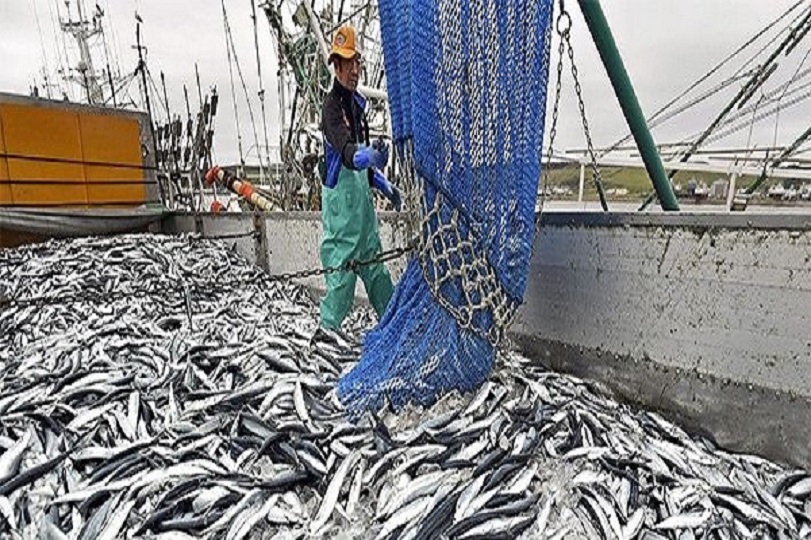
On fisheries and aquaculture, Oyetola said Nigeria’s annual fish demand of over 3.6 million metric tonnes far exceeded domestic production of about 1.4 million metric tonnes, sustaining imports valued at more than one billion dollars annually.
He added that post-harvest losses of up to 30 per cent further reduced supply, despite fish being one of the most affordable sourNiger.
“As long as we hinder official trade, individuals will resort to informal channels. Currently, we estimate that up to 50 per cent of our domestic areas have resorted to illegal trade, while only about 30 per cent is conducted legally, which is detrimental to our security.”
He pointed out that “this situation is beneficial for the economies of both countries. It will positively impact our maritime sector, as we expect an increase in transit cargo passing through our ports to Niger, resulting in economic activities for our investors in the maritime industry.
“Additionally, this development will benefit Nigerians in border communities, many of whom are engaged in farming and other economic activities, providing them with opportunities to export goods to Niger.”





By Adedapo Adesanya
The federal government has inaugurated a 17-member Planning Committee to coordinate the National Flag-Off of the Energise Commercialisation Now (ECoN) Initiative, a flagship programme aimed at transforming research outputs into economic value.
Speaking at the inauguration in Abuja, the Permanent Secretary of the Ministry of Innovation, Science and Technology, Mr Philip Ndiomu Ebiogeh, described the initiative as a strategic intervention to convert Nigeria’s vast research and innovation outputs into market-ready products, scalable enterprises, and job-creating opportunities.
He noted that ECoN will mobilise stakeholders nationwide to identify bankable innovations and accelerate their transition from laboratories to the marketplace, stressing that the country must move beyond theoretical research to practical solutions that drive industrial growth and national prosperity.
The Permanent Secretary disclosed that the Minister of Innovation, Science and Technology, Mr Kingsley Tochukwu Udeh, had earlier briefed the First Lady, Mrs Oluremi Tinubu, on the initiative and proposed her as a champion of the programme, with the national flag-off scheduled for Kano State.
He explained that Kano was deliberately selected due to its historic role as a commercial and industrial hub, offering strong potential to attract investment, stimulate enterprise, and create jobs.
The Committee is chaired by the Minister, with the Permanent Secretary as Co-Chairman, while the Director-General, National Biotechnology Research and Development Agency, NBRDA, and the Director-General, Sheda Science and Technology Complex, SHESTCO, serve as Alternate Chairmen.
Members include Professor Nnayelugo Ike-Muonso, Dr Kazeem Kolawole Raji, Dr Jummai Adamu, Dr (Mrs) Obiageli Amadiobi, Dr Kabiru Mu’azu, Dr Anwal Mustapha, Engr Ibiam Oguejiofo, Mr Moses Fatogun, Mr Adamu Sulaiman (a representative of SMEDAN), Dr Prince Lawrence Eze, Mr Sani Garba, Dr Muhammad Mustapha, Dr Chioma Okeke, Mr Luther Onyemkpa, Mr Charles Egumgbe, and Dr Nwankwo Nnenna serving as Secretary.
The national flag-off is proposed for late April or early May 2026, subject to Presidential approval.
The Ministry reaffirmed its commitment to positioning innovation as a key driver of economic diversification and sustainable development, in line with President Bola Tinubu’s Renewed Hope Agenda.
By Adedapo Adesanya
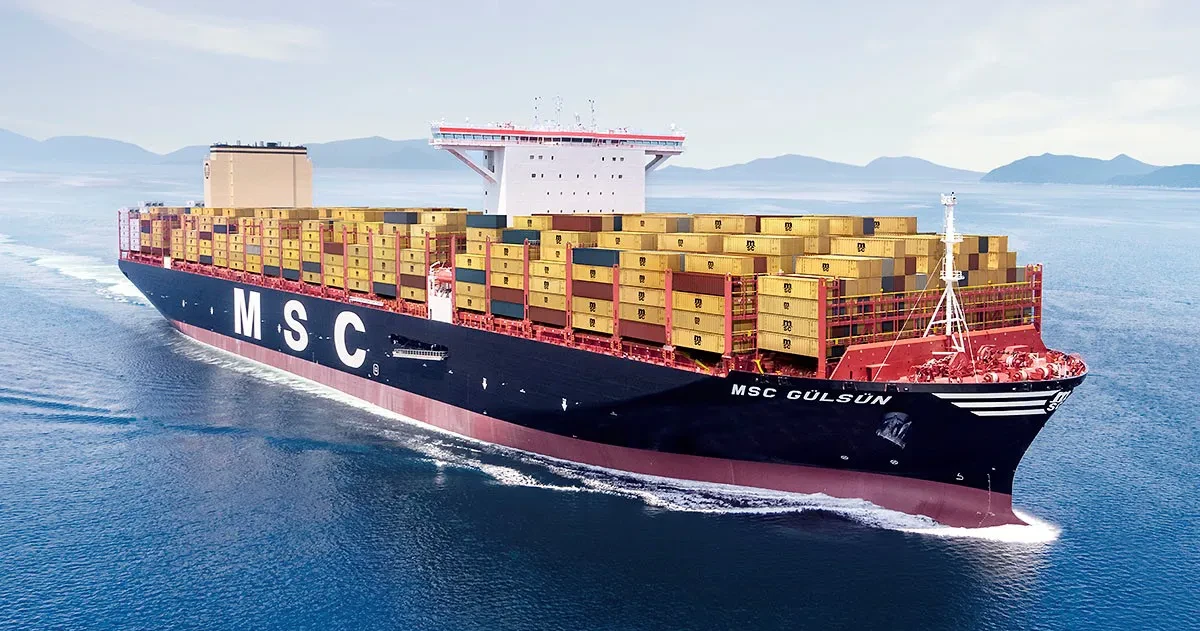
Switzerland-headquartered global shipping giant, Mediterranean Shipping Company (MSC), has complied with the directive of the Nigerian Shippers’ Council (NSC) to suspend the implementation of its new tariff pending consultations with stakeholders.
In a customer advisory titled Temporary Suspension of New Tariff Implementation, the shipping line stated that the tariff regime in place before the recent increase would remain effective until further notice.
Business Post reported a few days ago that freight forwarders picketed the offices of MSC, protesting the recent increase in shipping line tariffs. They blocked the regulators from accessing the MSC premises to address the matter.
Despite the protests, the council’s attempt to engage the aggrieved freight forwarders in discussions was resisted, as the protesters insisted that there was no basis for dialogue and vowed to continue the protest until the increased charges were immediately reversed.
In the latest directive, the shipping company said, “We wish to inform our esteemed customers that the recently implemented tariff adjustment has been temporarily suspended, following a directive from the NSC. This suspension is pending the conclusion of ongoing engagements and resolution with the regulator.”
“Accordingly, the tariff regime applicable prior to the recent increase will remain in force until further notice, as mandated.”
The company further assured customers that updates would be communicated once a final decision is reached by the Nigerian Shippers’ Council.
“We remain fully committed to regulatory compliance, transparency, and protecting the interests of our customers. Further updates will be communicated promptly once a definitive position is issued by the Nigerian Shippers’ Council. We appreciate your understanding and continued cooperation,” the advisory added.
NSC had warned that prolonged industrial disputes within the maritime sector could disrupt port operations and negatively impact trade and economic activities.
By Adedapo Adesanya
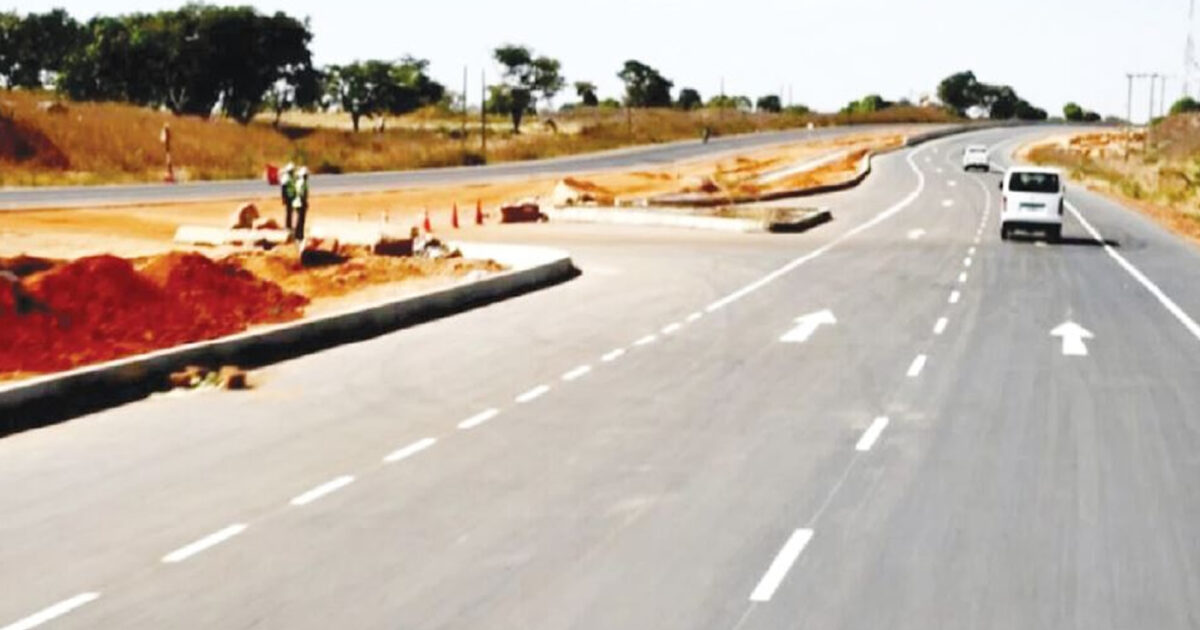
The Minister of Works, Mr David Umahi, has announced that motorists would begin using a crucial 15-kilometre section of the Enugu–Onitsha highway during the Easter period, describing it as a special intervention to ease travel.
Mr Umahi made the disclosure while inspecting the project in Enugu, expressing satisfaction with the quality of work and reaffirming the government’s commitment to delivering immediate relief to road users.
According to him, the section will be opened for use by the end of March, even if final touches such as road markings and median curbs are yet to be completed.
“We have directed the contractor to ensure that this stretch is accessible within the stipulated timeframe as part of efforts to reduce the burden on commuters,” he said.
The Minister emphasised that beyond short-term relief, the project is designed to ensure long-term durability, noting that the highway remains one of the most strategic transport corridors in Nigeria’s South-East.
He observed that roads in the region have long suffered from heavy congestion, frequent accidents, and poor pavement conditions, expressing optimism that ongoing reconstruction will permanently address these challenges.
Umahi linked the renewed infrastructure push to the commitment of President Bola Tinubu to the development of the South-East, while also highlighting the scale of inherited challenges in the sector.
He revealed that the federal government met outstanding road liabilities estimated at over N13 trillion across more than 2,000 projects as of May 2023, a situation he said has strained project delivery nationwide.
While acknowledging that delayed payments have slowed contractors’ pace of work, Umahi expressed confidence that progress would improve once funding issues are resolved.
“You cannot expect optimal performance when contractors are unpaid, but we appreciate their continued cooperation and trust in government,” he added.
The minister also commended Enugu State governor, Peter Mbah, for supporting the project, particularly in handling compensation for affected residents around the Abakpa flyover axis of the Enugu–Abakaliki highway.
He noted that the state government also facilitated the relocation of key infrastructure, including high-tension power lines and water pipelines, to ensure smooth execution of the project.
On his part, the resident engineer for the Enugu–Onitsha highway project, Mr Lawrence Ubi, confirmed that the 15-kilometre stretch is about 95 per cent complete.
He assured that the work meets required engineering standards and will be ready for public use within the agreed timeline, while appreciating the federal government’s continued support.









-
 Feature/OPED6 years ago
Davos was Different this year
-
Travel/Tourism10 years ago
Lagos Seals Western Lodge Hotel In Ikorodu
-

 Showbiz3 years ago
Estranged Lover Releases Videos of Empress Njamah Bathing
-
 Banking8 years ago
Sort Codes of GTBank Branches in Nigeria
-

 Economy3 years ago
Subsidy Removal: CNG at N130 Per Litre Cheaper Than Petrol—IPMAN
-

 Banking3 years ago
Sort Codes of UBA Branches in Nigeria
-

 Banking3 years ago
First Bank Announces Planned Downtime
-

 Sports3 years ago
Highest Paid Nigerian Footballer – How Much Do Nigerian Footballers Earn