
General
PTF Lauds Kano Governor’s ‘Proactive Management’ of COVID-19

By Modupe Gbadeyanka
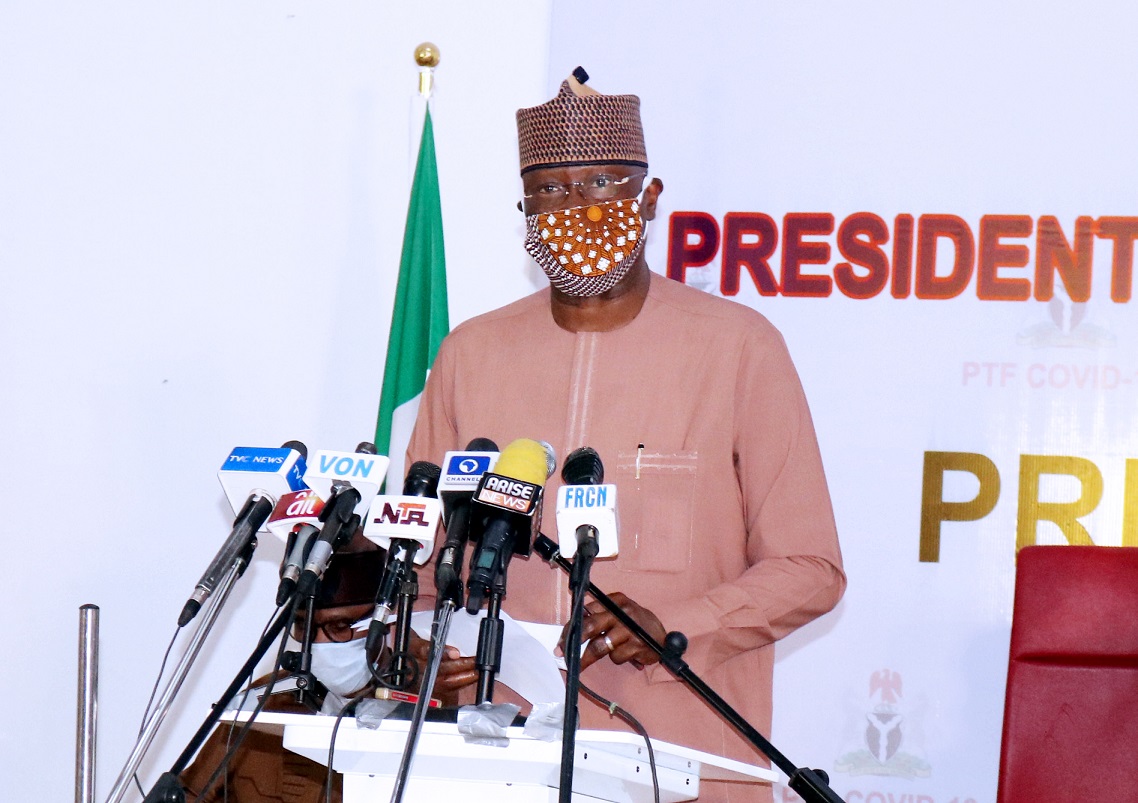
Chairman of the Presidential Task Force (PTF) on COVID-19 in Nigeria, Mr Boss Mustapha, has praised Governor of Kano State, Mr Abdullahi Ganduje, for the way he has handled the pandemic in the state.
Addressing newsmen in Abuja on Thursday, Mr Mustapha, who is also the Secretary to the Government of the Federation (SGF), said he was impressed with the way the Governor has managed the situation.
“The proactive leadership of the Kano State Governor in the management of emerging challenges is highly commendable,” Mr Mustapha said yesterday.
“I wish to use this opportunity to reassure all Nigerians resident in Kano that the federal government and particularly this PTF is with them and shall do all possible to fight the spread in the state as directed by the President. Kano is one of our historical cities and remains a backbone for the economy of this nation,” he added.
The SGF said members of the task force was still having engagements with the Kano state government in the collaborative effort to fight the spread of the virus.
According to him, “The high-level technical team sent to Kano on Monday has already submitted its Interim Report.”
He said the PTF will transport to Kano medical equipment like 2 Oxygen Concentration and 3 Ventilators;
280 Protective gowns; 51 face shields; 538 examination gloves; 25 boot covers; medical masks and surgical caps; and IR Thermometers.
Mr Mustapha said the already established isolation and treatment centres with holding capacity for 274 persons, the proposed establishment of additional facilities with capacity for 500, 2 Sample Collection centres along with 6 new proposed centres have provided a strong foundation for tackling the spread of the virus in the state.
“Similarly, the Nigerian Military, under its COVID-19 response plan, will establish an additional isolation Centre, Treatment facility and a Testing Laboratory Service in Kano State.”
“The PTF COVID-19, in the immediate, would further strengthen Kano state to scale-up its response with the provision of necessary facilities and equipment, capacity building, improving stakeholder inter-phase and guidance on any existing policy capable of diminishing the fight against the pandemic in the state. Already, the testing laboratories in the AKTH and the BUK have become fully functional,” he added.



By Aduragbemi Omiyale
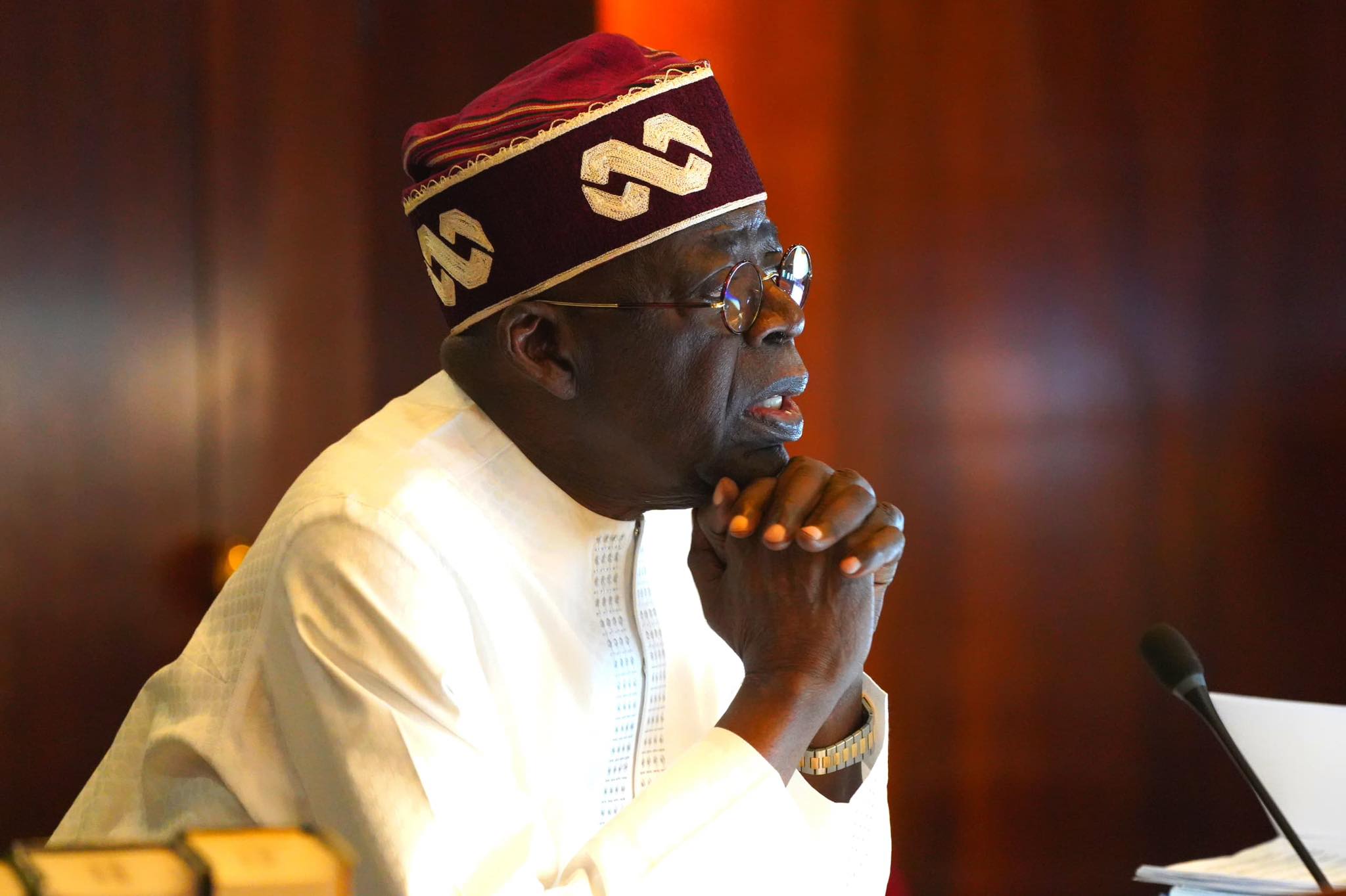
President Bola Tinubu has appealed to Nigerians and the media to stand with the military to end terrorism in the country.
In a statement issued on Thursday night to mourn the loss of soldiers of the 29 Task Force Brigade, Operation HADIN KAI in Benisheikh, Borno State, in the early hours of today, Mr Tinubu “expressed deep sadness” over the incident.
Some Boko Haram terrorists had launched a coordinated terrorist attack on the military camp, killing Brigadier-General Oseni Omoh Braimah and others.
While praising the courage and heroism of the dead soldiers, the President urged the leadership of the Armed Forces and all soldiers on the frontline not to be discouraged, but to draw strength from the nation’s deep appreciation for their sacrifices.
“From the reports I have received, our armed forces have been conducting sustained, intense land and air offensives against the insurgents, neutralising many of their fighters and commanders. The insurgents’ counterattack is a sign of desperation.
“I extend my condolences to the families of our gallant soldiers, led by Brigadier-General Oseni Omoh Braimah, who made the ultimate sacrifice in the defence of our country today in Borno State. The government will never forget their sacrifices. Their sacrifices will not be in vain. Because of the courage and dedication of our troops on the frontline, our resolve to defeat terrorism and all forms of violence across Nigeria is stronger than ever.
“I urge the military high command and our troops in all theatres of operation: Do not lose heart, do not be weary, do not be discouraged. Our officers and men should continue to serve with honour, courage, and patriotism. The government will always stand by the Armed Forces, provide more of the equipment needed and ensure the welfare of all who risk their lives for our safety.
“I urge Nigerians and the media to continue to support our military in their relentless battle against insurgency and banditry. We should desist from celebrating or condoning the attacks against our troops. These soldiers are our heroes; unforgettable and irreplaceable.
“My condolences also go to the government and people of Borno State. The federal government will continue to work with the state government to achieve total victory and lasting peace,” Mr Tinubu was quoted as saying in the statement signed by his Special Adviser on Information and Strategy, Mr Bayo Onanuga.
By Aduragbemi Omiyale
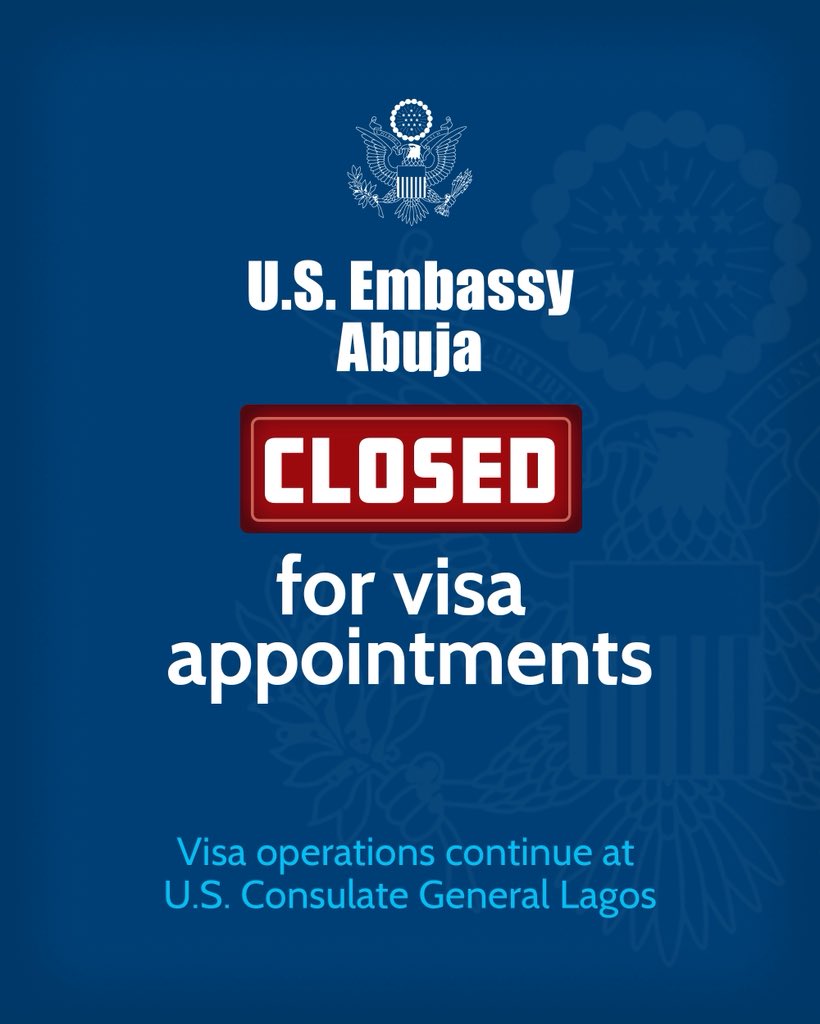
Visa appointments at the United States of America (USA) embassy in Abuja have been cancelled.
This is coming a day after America directed its officials to leave the facility “due to the deteriorating security situation” in the capital city of Nigeria.
On Wednesday, April 8, 2026, “The Department of State authorised non-emergency US government employees and US government employee family members to leave the US Embassy Abuja due to the deteriorating security situation.
“The overall Travel Advisory for Nigeria is Level 3: Reconsider Travel. Some specific states are at Level 4: Do Not Travel.”
The next day, the US Embassy in Abuja announced the cancellation of “visa appointments,” urging applicants to “check their email for details on rescheduled appointments.”
However, it noted that, “Visa operations at US Consulate General Lagos continue. American citizen services are available in emergencies and by appointment.”
By Aduragbemi Omiyale
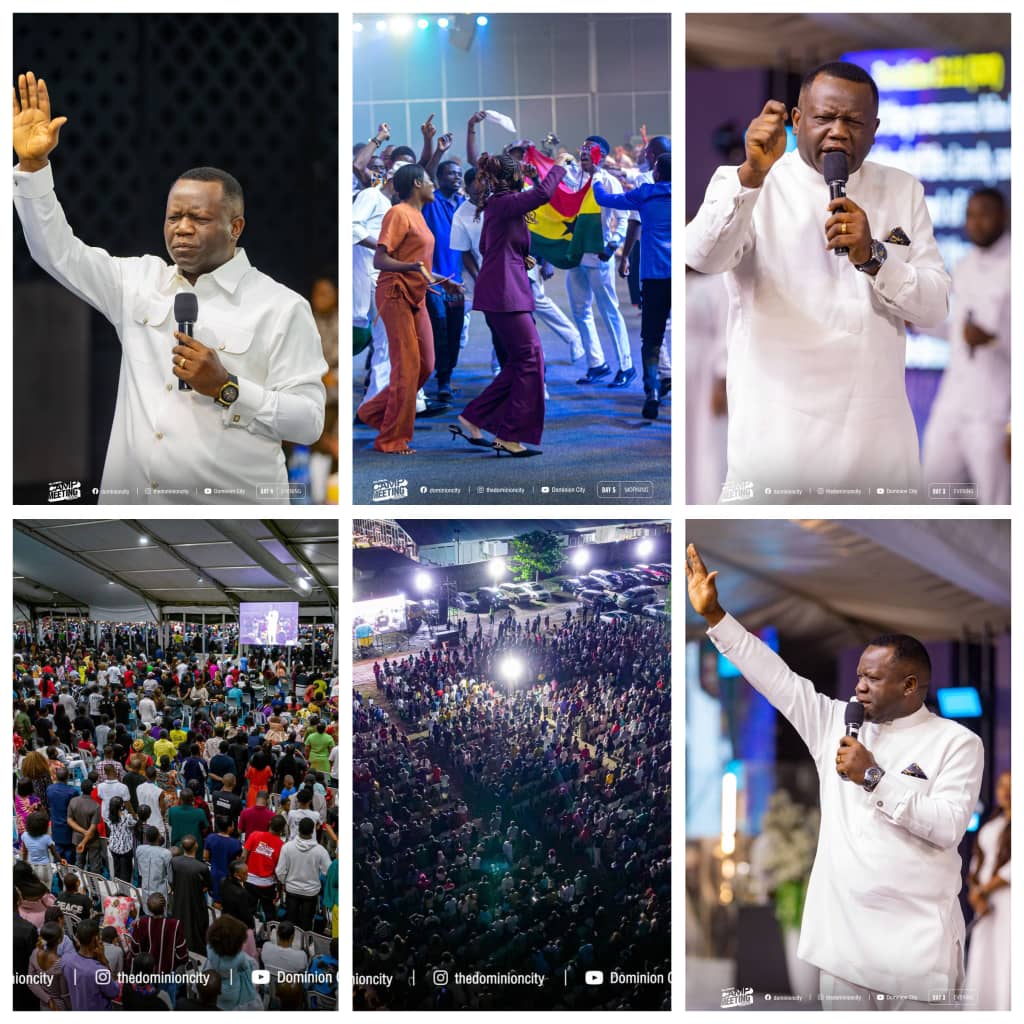
The Global Camp Meeting 2026, organised by Dominion City under the theme, Redigging the Wells of Our Fathers, left a lasting impact on attendees.
The six-day international conference ended with waves of miracles, revival, and life-changing testimonies, Business Post gathered.
From the onset, the atmosphere of the gathering was marked by deep spiritual intensity, with participants reporting life-changing experiences.
The first night of the Night of Glory witnessed remarkable miracles, including the deliverance of a 14-year-old girl from a seven-year struggle with pornography, healing from cancer, restoration from partial blindness and deafness, and recovery from heart and severe skin infections.
In addition, several children were reported to have been baptised in the Holy Spirit, with many seen praying in tongues, a development that further underscored the depth of the spiritual impact across all age groups.
Beyond these, numerous testimonies poured in from participants across different locations. Chinecherem S. shared how he arrived at the Enugu camp meeting on crutches due to a bone fracture but left completely healed, able to walk, run, and jump freely.
Similarly, Faith from Lagos testified to being healed of a fibroid, noting that a previously noticeable lump in her abdomen had completely disappeared.
Blessing recounted a profound encounter during a teaching on The Cross, which led to her deliverance from hard drug use and prostitution, describing it as a turning point in her life.
International participants were not left out, as Ella M. from Namibia described the teachings as “uncompromising truth,” while Boikanyo M. from Botswana testified to experiencing God’s power remotely, expressing belief in an impending revival in her nation.
These are a few of the overwhelming testimonies of miracles, salvation, deliverance, and spiritual renewal experienced at the event, which drew over 60,000 in-person participants and millions of online viewers worldwide.
For many, the impact extended beyond physical healing to clarity of purpose and commitment. Peter B. from Lagos shared that he received a clear sense of his calling to disciple others and rededicated his life to fulfilling God’s purpose, adding that he also experienced deliverance during a baptism session.
The meeting also featured ministrations from Dr David Ogbueli and other global ministers, who emphasised moral renewal, spiritual growth, and leadership development.
Participants were equipped not only spiritually but also through sessions addressing innovation, career growth, and societal impact.
Organisers noted that the conference also contributed to local economic activity while providing free transportation and medical services to attendees.
-
 Feature/OPED6 years ago
Davos was Different this year
-
Travel/Tourism10 years ago
Lagos Seals Western Lodge Hotel In Ikorodu
-

 Showbiz3 years ago
Estranged Lover Releases Videos of Empress Njamah Bathing
-
 Banking8 years ago
Sort Codes of GTBank Branches in Nigeria
-

 Economy3 years ago
Subsidy Removal: CNG at N130 Per Litre Cheaper Than Petrol—IPMAN
-

 Banking3 years ago
Sort Codes of UBA Branches in Nigeria
-

 Banking3 years ago
First Bank Announces Planned Downtime
-

 Sports3 years ago
Highest Paid Nigerian Footballer – How Much Do Nigerian Footballers Earn