

General
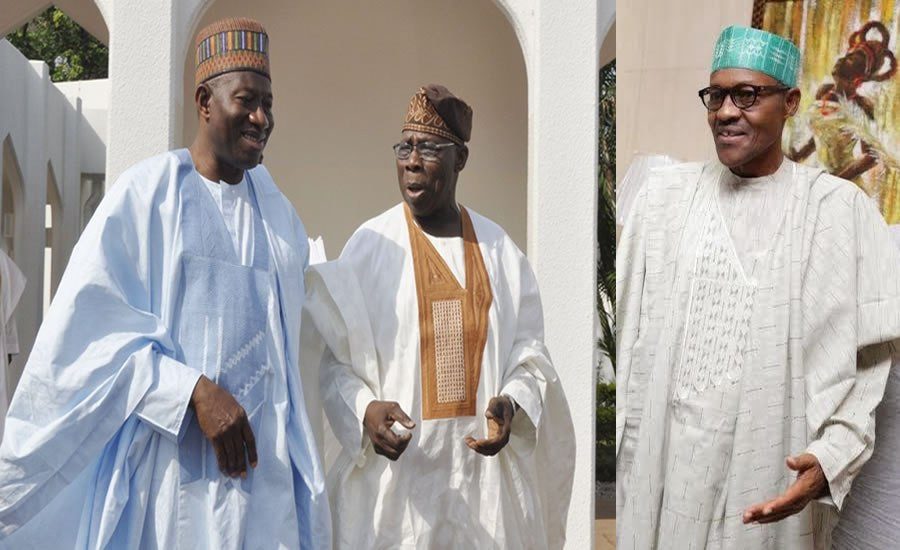
SERAP Demands Asset Declarations of Buhari, GEJ, OBJ, Govs

By Dipo Olowookere
A Freedom of Information (FoI) request has been sent to the Chairman of Code of Conduct Bureau (CCB), Mr Muhammed Isah, by a prominent anti-corruption group known as Socio-Economic Rights and Accountability Project (SERAP).
The group wants Mr Isah to use his “good offices and leadership position to urgently provide information on specific details of asset declarations submitted to the CCB by successive presidents and state governors since the return of democracy in 1999.”
According to SERAP, it is seeking information on “details of asset declarations by successive presidents and state governors between 1999 and 2019, including details of declarations made immediately after taking offices and thereafter, and for those who have left public offices, at the end of their term of office.”
The group also said it wants information “on the number of asset declarations so far verified by the CCB and the number of those declarations found to be false and deemed to be in breach of the Code of Conduct for Public Officers, by the Bureau.”
In the FOI request dated April 18, 2019, and signed by SERAP deputy director, Mr Kolawole Oluwadare, the organisation said, “While we welcome the judgment by the Code of Conduct Tribunal on Justice Walter Onnoghen, we now urge the CCB to extent its mandates to enforce constitutional provisions on asset declarations by public officers to cover elected officers and to vigorously pursue the prosecution of any such officers who use their powers either as presidents or state governors over public funds to enrich themselves.”
According to SERAP, “While judicial corruption is bad, the level of corruption involving many politicians since 1999 and the entrenched culture of impunity of perpetrators is equally appalling. Publishing the asset declarations of elected public officers since the return of democracy in 1999 to date would improve public trust in the ability of the Bureau to effectively discharge its mandates. This would in turn put pressure on public officers like presidents and state governors to make voluntary public declaration of their assets.”
The FOI request read in part: “SERAP is concerned that many politicians hide behind the fact that members of the public do not have access to their asset declarations to make false declarations, and to cover up assets illegally acquired in corruption or abuse of office. The CCB can use the opportunity presented by the Onnoghen judgment to increase the accountability of politicians through the asset declaration provisions if it is not to be accused of witch-hunting the judiciary.
“The grim condition of many of our citizens since 1999 has been worsened by the deterioration of public services whereby access to clean water and affordable health-care has become a pipe dream and the supply of electricity became epileptic and irregular due to years of grand corruption by many politicians at the highest level of government.
“We would be grateful if the requested information is provided to us within 14 days of the receipt and/or publication of this letter. If we have not heard from you by then, the Registered Trustees of SERAP shall take all appropriate legal action under the Freedom of Information Act to compel you to comply with our request.
“The persistent refusal by successive presidents and state governors to make public their asset declarations is entirely inconsistent with the letter and spirit of the 1999 Constitution, and has been particularly harmful to the country and its people, especially given the widespread evidence of grand corruption among politicians holding public offices in Nigeria.
“The Nigerian Constitution of 1999 (as amended) seeks to prevent corruption and abuse of office through its provisions on the declaration of assets not just by judicial officers but by all public officers including elected officers like presidents and governors.
“Nigerians can no longer accept the excuse by high-ranking government officers that declaring their assets before the CCB is enough, as such pretext is not supported by the oaths of office by elected public officers. The failure by successive presidents and state governors to voluntarily make public their asset declarations would seem to suggest that they have something to hide.
“Given that many public officers being tried for or convicted of corruption are found to have made a false declaration of their assets, the CCB should no longer allow politicians to undermine the sanctity and integrity of the asset declaration provisions of the Constitution by allowing them to continue to exploit legal gaps for illicit enrichment.
“SERAP believes that while elected public officers may not be constitutionally obliged to publicly declare their assets, the Freedom of Information Act 2011 has now provided the mechanism for the CCB to improve transparency and accountability of asset declarations by elected public officers.
“Asset declaration forms are public documents within the meaning of section 109 of the Evidence Act, and therefore, Nigerians are entitled to have access to such information. SERAP urges the CCB to vigorously push for change in law to provide penal sanctions for politicians that fail to make public their asset declarations.
“By Section 1 (1) of the Freedom of Information (FOI) Act 2011, SERAP is entitled as of right to request for or gain access to information, including information on the asset declarations by elected public officers since the return of democracy in 1999.
“SERAP notes that provisions on the declaration of assets by all public officers in Nigeria are entrenched in the Code of Conduct for Public Officers, contained in Part I of the Fifth Schedule to the 1999 Nigerian Constitution. The primary objective is to prevent corruption and abuse of office and to ensure transparency in public officers.
“SERAP also notes that public officers for the purposes of the Code include the President and the Vice-President of the Federation, state governors and their deputies; the President and Deputy-President of the Senate, the Speaker and Deputy-Speaker of the House of Representatives and Speakers, the Chief justice of Nigeria, justices of the Supreme Court, the President and justices of the Court of Appeal, and other judicial officers and all staff of courts of law.”
SERAP, therefore, urged the CCB to disclose including by publishing on a dedicated website, details of asset declarations submitted by presidents and state governors since the return of democracy in 1999; disclose details on the number of asset declarations so far verified by the CCB and the number of those declarations found to be false and deemed to be a breach of the Code of Conduct for Public Officers by the Bureau; and immediately take cases of false asset declarations to the Code of Conduct Tribunal for effective prosecution of suspects, and include banning the politicians involved from holding public offices for at least a period of 10 years and seeking refund of stolen public funds as part of the reliefs to be sought before the Tribunal.
Business Post reports that since 1999, four persons have governed Nigeria as Presidents and they are Mr Olusegun Obasanjo, late Mr Umaru Musa Yar’Adua, Mr Goodluck Ebele Jonathan and Mr Muhammadu Buhari.


