General
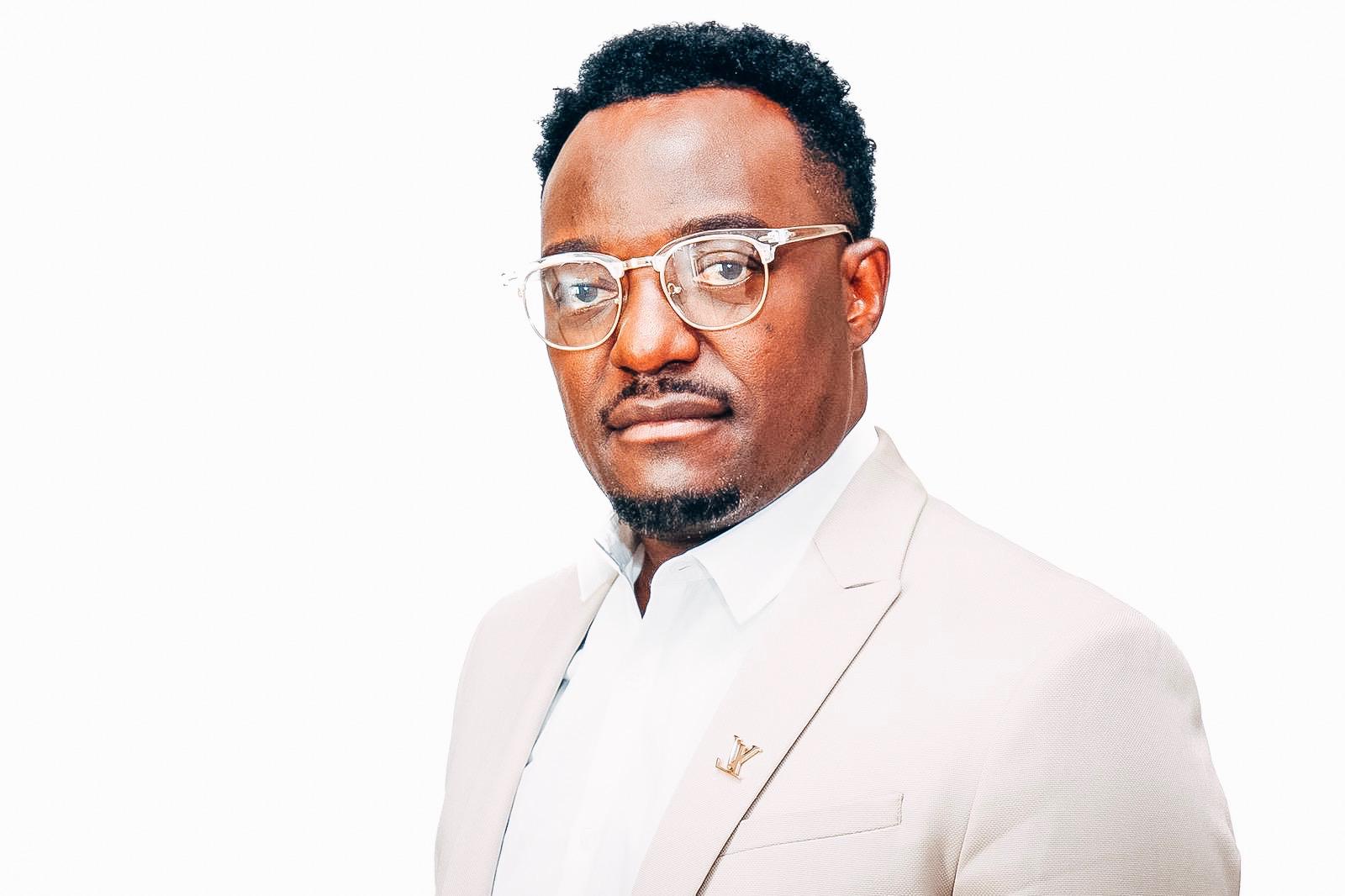
Sub-Saharan Africa Can’t Abandon Fossil Fuel—Agunbiade
By Modupe Gbadeyanka
There has been a huge campaign in Western societies against the use of fossil fuel because of the harm it does to the earth, with the use of renewable energy being pushed as an alternative.
To get many nations to move in this direction, the Paris Agreement was signed in 2016 to combat climate change and to accelerate and intensify the actions and investments needed for a sustainable low carbon future.
But a renowned Nigerian engineer, investor and Director for Houston-based National Oilwell Varco, Dr Babajide Agunbiade, has advised sub-Saharan Africa to still stick to the oil and gas to power its economy.
In an interview, he explained that oil remains the only commodity that can satisfy the demands of an increasing population and increase the earnings of the governments.
He said in the advanced economies, it is true that the use of fossil fuel is declining because of the use of renewable energy, but stressed that in the third world countries, oil still remains their dependable source of energy.
The energy guru with over 20 years’ experience in the oil industry and one of the world’s leading offshore production experts, noted that as a result of the enormous deposits of oil and gas, operators and service companies are doing what they can to optimise production cost and continue producing the commodity.
“In Africa, [oil] is still the only commodity that can satisfy the demands of an increasing population, an expanding middle class, and in some cases, the main source of governments’ earnings. We still have a lot of oil,” he asserted.
“As stated, a lot of these African countries do depend substantially on oil revenue for survival. Oil still plays a large role in these sub-Saharan countries’ economies, accounting for up to 40 per cent of GDP and 80 per cent to 90 per cent of governments’ earnings,” Dr Agunbiade said.
The Director of National Oilwell Varco, the largest oilfield equipment manufacturing company in the world, said 90 per cent of the earnings of the government of Nigeria come from oil and the same as Angola, Gabon, and the rest of oil-producing countries in sub-Saharan Africa.
With these figures, he was convinced that the shift to renewable energy at the expense of oil and gas in sub-Saharan Africa has not been the focus for now, and this must change.
“There is no push for anything different. They are still aggressively trying to source foreign exchange, which for the most part, they can only do that through oil,” he opined.
According to him, wind energy, electric cars, and a lot of other renewable energy options and integrated gasification in the combined cycle, IGCC from coal have to come into play.
General
FG to Partner Stakeholders for Affordable, Inclusive Housing
By Aduragbemi Omiyale
The federal government has promised to collaborate with stakeholders in the real estate sector to drive affordable and inclusive housing, aligning with broader initiatives aimed at improving access to decent homes for low-income and informal-sector workers.
The Minister of Housing and Urban Development, Mr Muttaka Rabe Darma, made this pledge at the 2026 Abuja International Housing Show (AIHS), where industry heavyweights like Dangote Cement, HBM Nigeria and others showcased their products.
Mr Darma noted that the government was ready to partner with organisations to address Nigeria’s housing challenges, remarking that the exhibition’s theme, Housing Solutions for Low-Income and Informal Workers in Africa, aligned with government efforts to expand access to affordable and inclusive housing.
He lauded Dangote Cement and others for their significant contribution to affordable housing and infrastructure development in Nigeria, describing them as key partners in efforts to bridge the nation’s housing deficit and improve access to quality building materials.
The Minister also commended Mr Aliko Dangote for his commitment to Africa’s industrialisation and economic transformation, noting that his investments continue to drive sustainable growth across the continent.
In the same vein, the chief executive of AIHS, Mr Festus Adebayo, described Dangote Cement as a dependable partner whose consistent support has contributed to the growth and success of the annual housing exhibition.
Dangote Cement’s Regional Sales Director for North Central, Mr Bankole George, who represented the National Sales Director, Dolapo Alli, said housing remains critical to dignity, social stability, economic productivity and inclusive development.
He identified major barriers to affordable housing as high land costs, expensive building materials, limited access to mortgage financing, weak rental systems and planning regulations.
He advocated innovative housing finance models tailored to low-income earners and informal workers, including micro-mortgages, rent-to-own schemes, cooperative savings programmes, employer-assisted housing and incremental housing loans.
The exhibition attracted thousands of policymakers, investors, housing professionals, exhibitors and delegates from several countries, reinforcing its status as one of Africa’s leading platforms for housing and urban development dialogue.
General
FG Tasks Bloggers, Content Creators on Ethical Journalism, Nation Building
By Aduragbemi Omiyale
Young bloggers, online content creators and digital influencers have been charged to embrace ethical journalism, responsible storytelling and fact-based reporting as they shape public opinion in the digital age.
This task was given by the Minister of Information and National Orientation, Mr Mohammed Idris, during the Niger State Bloggers, Online Publishers and Content Developers Forum on Monday in Abuja.
In a statement on Tuesday by his Special Assistant on Media, Mr Rabiu Ibrahim, the Minister said digital platforms offer enormous opportunities for innovation and civic engagement but must be used responsibly to promote truth, national unity and constructive public discourse.
He urged bloggers and content creators to verify information before publication, reject misinformation and disinformation, avoid sensationalism, and use their platforms to educate, inspire and promote national development.
Mr Idris also encouraged young Nigerians to see digital content creation not only as a source of income but also as a tool for civic engagement and nation-building, stressing that ethical communication is essential to strengthening democracy and public trust.
He further encouraged aspiring bloggers and digital entrepreneurs to continue developing their skills and uphold professional standards that will strengthen the credibility of Nigeria’s online media ecosystem.
“There is no democracy that can thrive without a responsible media. You cannot carry freedom and abandon responsibility,” he stated, adding that the government remains committed to protecting press freedom while encouraging ethical journalism.
The Minister also highlighted the establishment of the International Media and Information Literacy Institute (IMILI), the world’s first UNESCO Category 2 Institute dedicated exclusively to Media and Information Literacy, describing it as a major step in promoting digital literacy and responsible online engagement.
General
2027: Obi Signs One-Term Agreement With Kwankwaso, NDC
By Adedapo Adesanya
The vice-presidential candidate of the Nigeria Democratic Congress (NDC), Mr Rabiu Kwankwaso, disclosed that Mr Peter Obi, the party’s presidential candidate, signed agreements committing himself to serving only one four-year term if elected in 2027.
Mr Kwankwaso explained that the documents comprised a formal agreement involving the political party and a separate personal accord between himself and Mr Obi.
According to Mr Kwankwaso, the deal stipulates that the presidency will return to Northern Nigeria in 2031 upon the completion of an Obi-led administration’s four-year tenure, if elected next year.
“We have agreed to formalise it in writing,” Mr Kwankwaso stated. “We have executed one document for the party and another between the two of us,” he revealed during an appearance on Channels Television’s Politics Today late on Monday.
He reiterated that Mr Obi would honour his pledge and resist pressure to seek a second term, expressing confidence in the former Anambra State governor, noting that his interactions had convinced him that he would respect the agreement.
“I personally believe him, and, based on what I now know about him, I do not believe he will change his mind when the time comes,” he said. “We are all gentlemen.”
Mr Kwankwaso added that he and Mr Obi would continue to collaborate after the proposed administration completes its term.
“The agreement is that after four years, we will continue to work together as a group, as a party, and as friends and brothers,” he said. “After our four-year term, from 2027 to 2031, power returns to the North. That is the consensus.”
The former defence minister did not state that he would be the NDC presidential candidate in 2031; his comments referred broadly to the presidency returning to the North, rather than to his personal political ambitions.
Mr Obi has repeatedly pledged to serve only one term if elected; however, he has yet to publicly confirm the specific details of the documents described by Mr Kwankwaso.
In the 2023 Presidential polls, Mr Obi was the Labour Party presidential candidate while Mr Kwankwaso contested on the platform of the New Nigeria Peoples Party (NNPP).