

General
Waste Build-ups: LAWMA to Station Collection Trucks in Inner Streets

By Modupe Gbadeyanka
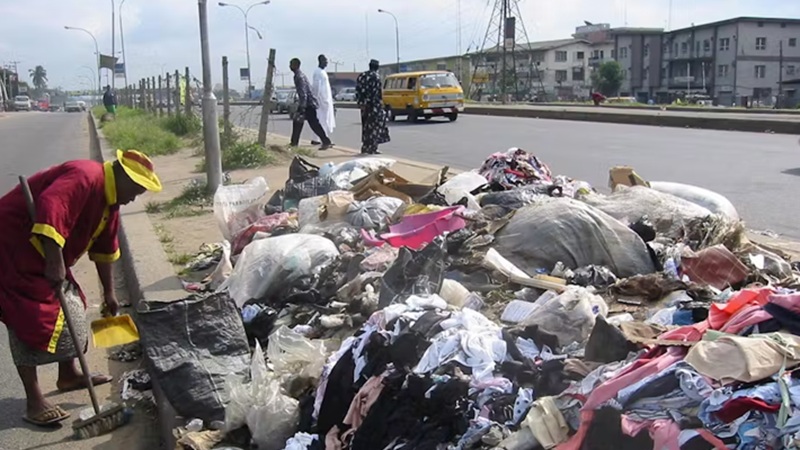
As part of efforts for a cleaner environment, especially along road medians, the Lagos Waste Management Authority (LAWMA) has concluded plans to deploy collection trucks in inner streets.
The chief executive of the agency, Mr Muyiwa Gbadegesin, said on Monday that the stationing of the trucks in the inner streets was to improve direct access to waste collection services and reduce the tendency of residents to move waste back to cleared medians.
A few days ago, after public outcry, LAWMA cleared accumulated waste on road medians in different parts of the metropolis, including along the Ayobo-Ipaja axis.
Mr Gbadegesin said his organisation is intensifying its systemic response to recurrent waste blackspots across Lagos, combining intensified waste evacuation with improved collection arrangements, targeted enforcement, infrastructure upgrades, community engagement and measures to prevent redumping at previously cleared locations.
According to him, this approach is based on the recognition that recurring waste on road medians could not be sustainably addressed by repeated evacuation alone, stressing the need to tackle the operational and behavioural factors responsible for their recurrence.
He explained that LAWMA was increasingly combining the clearance of waste backlogs with interventions designed to ensure that waste generated within surrounding communities was properly captured, collected and evacuated, while enforcement was being strengthened against indiscriminate dumping, illegal waste collection and other practices that undermine the formal waste management system.
“Our approach is changing from simply clearing waste backlogs to addressing what causes them to return. Where there are service gaps, we are working with stakeholders to improve collection; where there is indiscriminate dumping, we are enforcing compliance; and where locations have been cleared, we are putting measures in place to prevent redumping,” he said.
The LAWMA boss said that the recent upgrade of critical infrastructure at the Olusosun Disposal Facility had also demonstrated the importance of strengthening the wider waste evacuation chain, with improvements in access and truck turnaround contributing to increased operational capacity.
He disclosed that the authority was simultaneously strengthening collaboration with PSP operators through a participatory reform process aimed at improving route management, service delivery, fleet capacity, technology-driven monitoring, accountability and the long-term sustainability of the sector.
According to him, LAWMA was also intensifying enforcement against illegal waste operators, unauthorised markets and other activities that contribute to indiscriminate dumping, while engaging communities and other stakeholders to ensure that cleared locations remain clean.
He stressed that behavioural change remained a critical component of the response, noting that the continued dumping of waste on road medians, roadsides and other unauthorised locations often occurred despite the availability of approved waste collection arrangements.
“A clean city cannot be sustained by government action alone. We need residents, businesses, markets, PSP operators and communities to take responsibility for how waste is generated, handled and disposed of. Clearing a location only for it to become a dumping point again is not sustainable,” he said.
He maintained that the ultimate goal of the State Government was achieving sustainable waste management, driven by the circular economy, as indicated by the ongoing initiatives in that direction, including the development of transfer loading stations and material recovery facilities as well as promotion of waste-to-wealth and waste-to-energy among others.
While reaffirming LAWMA’s commitment to a coordinated and data-driven approach to recurrent waste hotspots that combines operational interventions, enforcement, stakeholder engagement and infrastructure improvement to achieve cleaner communities and prevent the cycle of dumping, clearing and redumping, he urged residents to support the effort by patronising approved waste collection services, reporting service gaps and rejecting indiscriminate dumping, stressing that achieving a cleaner Lagos remained a shared responsibility.


