
General
What to do to Unlock Africa’s Access to Global Digital Assets—Mumuni

By Aduragbemi Omiyale
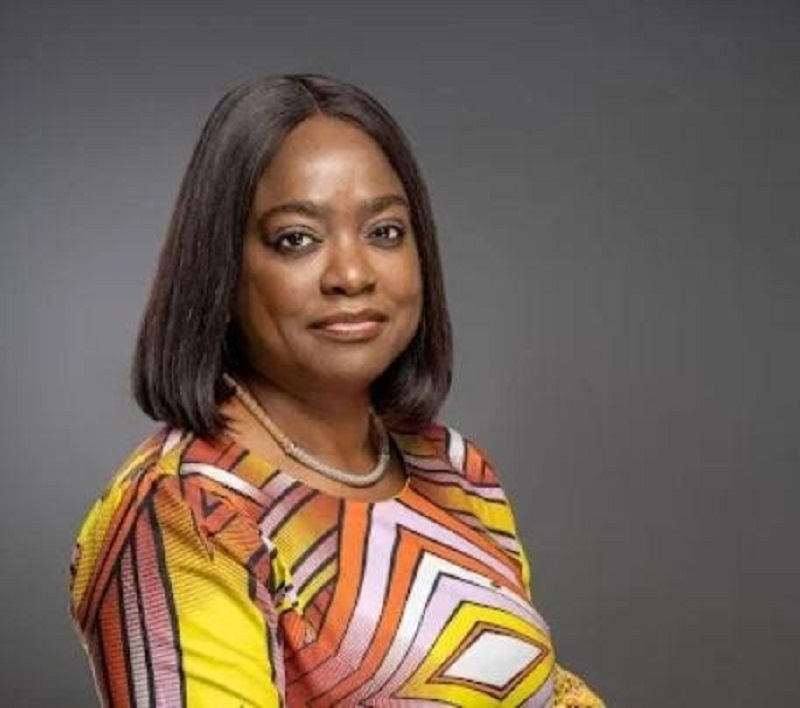
The Chief Digital Officer of MTN Nigeria, Ms A’isha Umar Mumuni, has said though Africa has immense cultural capital and talent, the lack of infrastructure, ownership, and platform control prevent creators from benefiting fully.
However, she highlighted some steps that can be taken by the governments, investors, and stakeholders to change the narrative.
Ms Mumuni, while speaking at the Nigerian Entertainment Conference (NECLive) 2025 in Lagos, themed, Powering Africa Through Creative Enterprise, “Africa has the cultural capital, the skills, and the talent. What we do not yet have is global access at scale, and that is the gap we must close. Africa’s talent cannot be ignored.
“Africa is a cultural paradise without global access or control. Africa needs global cultural influence, but we do not control global data, we do not own the platform, and we export to other countries without a consistent home platform. We explore creativity, but we import the system without profiting from it.”
The MTN executive explained that unlocking Africa’s access to global digital assets requires transforming local customs, people, and platforms to ensure creativity can flourish and generate sustainable revenue.
She noted that African content, whether in music, film, fashion, or digital media, must be positioned strategically to compete and succeed on the global stage.
Emphasising the need for Africa to invest in technology and digital skills to drive the creative economy, she said, “Africa has the youngest population on earth, which is a leverage. We must invest in AI, coding, digital skills, and content production. Creativity without a platform cannot sail.”
Ms Mumuni noted that broadband policies, digital copyright protections, and clear monetisation opportunities are critical for African creators to earn from their content and reach global audiences.
She warned Africans that without investment and strategic planning, African innovation risks remaining local, while foreign platforms reap the benefits, urging African creators to ensure their stories are shared globally while retaining cultural identity.
“The world expects good stories. Africa’s stories are rooted in culture, resilience, and spirituality.
“To unlock Africa’s access to global digital assets, we must transform investment, policy, and perception,” she said.




By Adedapo Adesanya
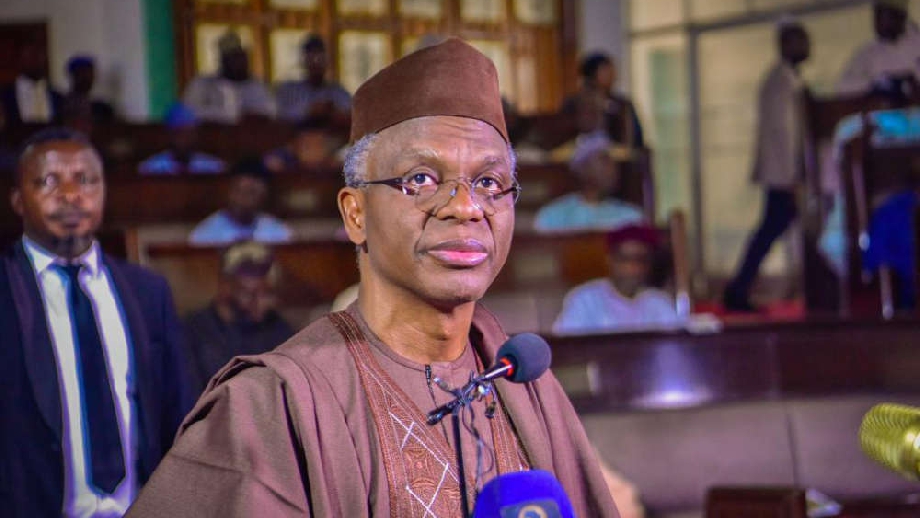
A Federal High Court sitting in Kaduna State has adjourned proceedings on the bail application of former Governor, Mr Nasir El-Rufai, to March 31, 2026.
The decision was made after Tuesday’s hearing, during which legal arguments were presented by both the prosecution and the defence.
At the court session, counsel to the defendant, Mr Ukpon Akpan, urged the court to grant his client bail, citing constitutional rights and the need to allow the former governor adequate time to prepare his defence.
However, the prosecution opposed the application, arguing that the charges against Mr El-Rufai are serious and that granting bail could interfere with ongoing investigations.
The former Kaduna State governor was arraigned by the ICPC over charges related to alleged corruption and abuse of office when he administered the North-Western state from 2015 to 2023.
Ahead of El-Rufai’s arraignment on Tuesday, security presence in the Kaduna State capital and around the court has been significantly heightened, with armed personnel stationed at key entry points to forestall any breakdown of law and order, as supporters and observers gathered outside the premises.
It was widely reported that coverage was restricted, with journalists barred from entering the courtroom to witness the proceedings.
The former governor was arraigned by the ICPC alongside Mr Joel Adoga before the Kaduna Federal High Court.
According to a statement issued on Monday by the commission’s Head of Media and Public Communications, Mr John Okor Odey, the arraignment follows charges filed under suit number FHC/KD/73/2026. The charges include alleged conversion and possession of public property, as well as money laundering.
In a related development, the ICPC has also filed a separate case against Mr El-Rufai and Mr Amadu Sule before the Kaduna State High Court in the Kaduna Judicial Division. The case, marked KDH/KAD/ICPC/01/26, contains allegations ranging from abuse of office and fraud to intent to commit fraud and conferring undue advantage.
The commission disclosed that both charges were instituted on March 18, 2026, as part of its ongoing efforts to enforce accountability and combat corruption.
While the arraignment at the Federal High Court is scheduled for Tuesday, the date for the hearing at the State High Court is yet to be announced and will be communicated in due course.
The ICPC further confirmed that the former governor has been duly served with the charges.

By Modupe Gbadeyanka
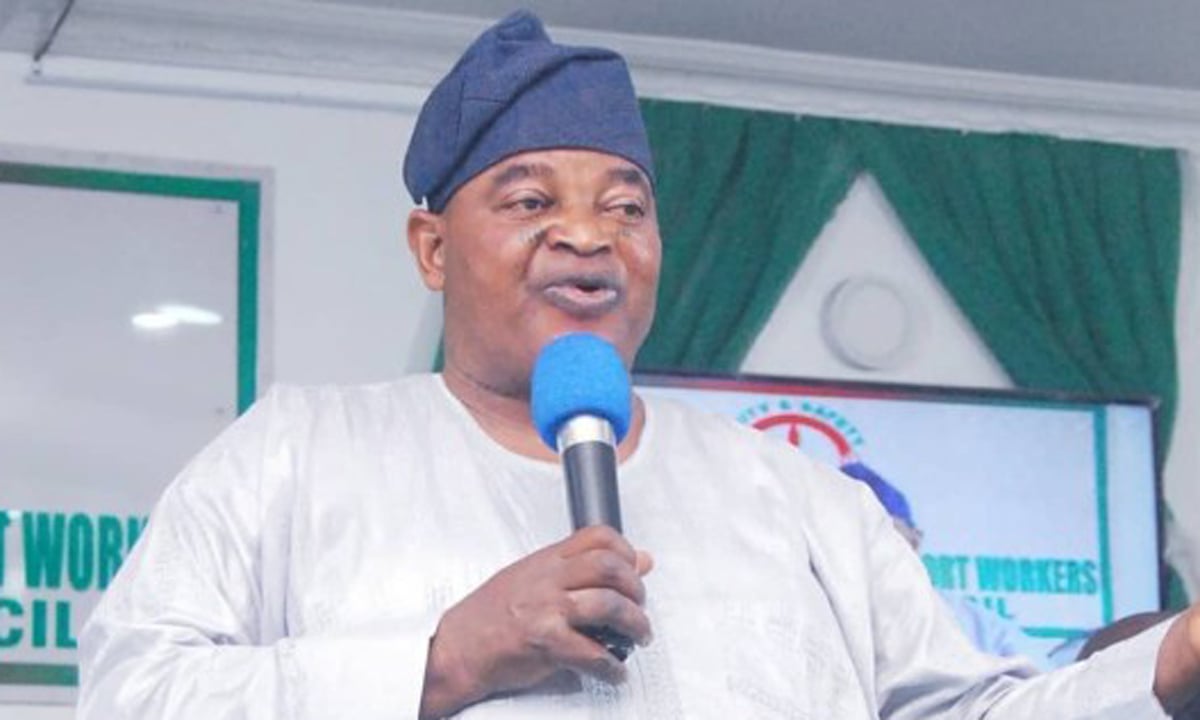
The attempt by Mr Tajudeen Baruwa to forcefully overthrow Mr Musiliu Akinsanya, otherwise known as MC Oluomo, as the chairman of the National Union of Road Transport Workers (NURTW) has landed him in trouble.
The factional chairman of the group was arrested by the police in Abuja on Monday after he led other members to the headquarters of NURTW to dislodge his opponent.
Mr Baruwa claimed that he won a case against MC Oluomo at the court, empowering him to take over the leadership of the union.
The action triggered pandemonium at the secretariat of the organisation yesterday, prompting officials of the Federal Capital Territory (FCT) Command of the Nigeria Police Force (NPF) to pick him up.
The police have arraigned him alongside the factional General Secretary, Mr Sulaiman Musa, and five others in connection with the incident.
They were charged at Magistrate Court 1, Wuse Zone 2, Abuja, by the police for disrupting public peace, though normalcy has since been restored to the area.
By Modupe Gbadeyanka
The Group Chief Human Resource Officer of Interswitch, Mr Franklin Ali, has highlighted the importance of creating deliberate opportunities that support women’s professional growth.
Speaking at a virtual session organised by the company to commemorate International Women’s Day (IWD) 2026 under the theme Give to Gain, he noted that, “At Interswitch, we believe empowering women goes beyond celebrating milestones like International Women’s Day. It requires creating meaningful platforms where women can learn, share experiences, and gain the visibility needed to grow as leaders. Through initiatives like Give to Gain, we encourage our women to recognise the value they bring and confidently amplify their impact within the organisation and beyond.”
At the event, which also featured the Deputy Chief Executive of Stanbic IBTC Bank Limited, Ms Bunmi Dayo-Olagunju, the leading African technology company reaffirmed its commitment to empowering women across its workforce and fostering an inclusive workplace culture.
In her presentation, which focused on Give to Gain – Give Value, Gain Visibility, Ms Dayo-Olagunju emphasised the importance of intentional value creation and visibility in shaping professional growth for women in the workplace.
Drawing from her experience in the financial services sector, she also shared perspectives on how women can intentionally position themselves for greater impact, build influence within their organisations, and translate consistent value delivery into meaningful professional growth.
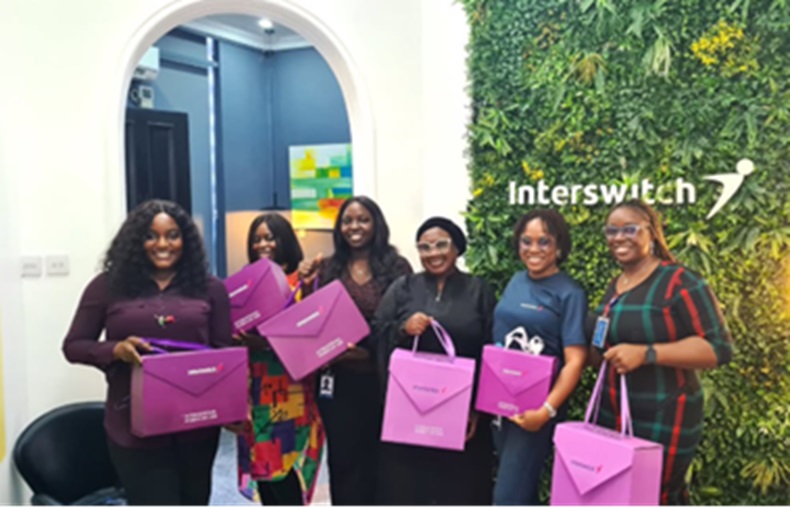
It was gathered that Interswitch distributed customised care packages to female employees across its offices. The gesture served as a token of appreciation for the resilience, dedication, and excellence demonstrated daily by women across the organisation.
Beyond the session and care packages, Interswitch continues to support women across its workforce through a range of internal policies to promote well-being and work-life balance. These include access to top-notch creche facilities, a robust maternity leave policy, and an exclusive spousal allowance initiative, all of which reinforce the company’s broader commitment to creating a supportive environment where women can thrive both professionally and personally.
This year’s International Women’s Day initiative reflects Interswitch’s recognition of the vital role women play in shaping the company’s continued growth and success. Across technology, operations, product development, finance, and leadership, women within the organisation continue to drive innovation and strengthen service delivery.











-
 Feature/OPED6 years ago
Davos was Different this year
-
Travel/Tourism10 years ago
Lagos Seals Western Lodge Hotel In Ikorodu
-

 Showbiz3 years ago
Estranged Lover Releases Videos of Empress Njamah Bathing
-
 Banking8 years ago
Sort Codes of GTBank Branches in Nigeria
-

 Economy3 years ago
Subsidy Removal: CNG at N130 Per Litre Cheaper Than Petrol—IPMAN
-

 Banking3 years ago
Sort Codes of UBA Branches in Nigeria
-

 Banking3 years ago
First Bank Announces Planned Downtime
-

 Sports3 years ago
Highest Paid Nigerian Footballer – How Much Do Nigerian Footballers Earn