
Health
Fitbit Opens EMEA Headquarters in Dublin


By Dipo Olowookere
Leading health and fitness company, Fitbit, today announced the opening of its Europe, Middle East and Africa (EMEA) headquarters in Dublin, Ireland and appointed a new Managing Director, Des Power.
Ireland’s reputation for being a centre of innovation and providing top technology talent were important factors for Fitbit and will enable the company to further expand in the region as part of its global growth strategy.
The new Dublin office will serve as Fitbit’s EMEA headquarters and will house the strategic business functions for the region, including senior management roles, sales, marketing, operations, finance and customer support staff, which will provide targeted support to the millions of Fitbit users across the region.
The company hopes to grow to approximately 50 people by the end of the year and has room for up to 100 by the end of 2017. With 150% year-over-year revenue growth in the European region in Q2 2016 compared to Q2 2015 and the ability to support five European languages across the Fitbit platform, the company’s new Dublin office comes at an ideal time to support Fitbit’s rapid growth and expansion while taking advantage of the highly skilled labour market in Dublin.
Speaking today at the opening of Fitbit’s new EMEA headquarters location on Baggot Street in Dublin, Minister for Jobs, Enterprise and Innovation Mary Mitchell O’Connor TD, said: “Today’s announcement is a further recognition of Ireland’s appeal as an international hub for successful companies such as Fitbit. Fitbit is one of the world’s most popular and fastest growing health and wellness companies, and I am delighted that they have selected Ireland as the location for their EMEA headquarters as it will provide exciting employment opportunities for our skilled workers. I wish Des Power and his team the utmost success in the coming years.”
“We’ve seen Dublin become a strategic hub for the technology industry as a centre for innovation and sourcing top talent in the region, and we look forward to building a strong team here to complement our offices around the world,” said Fitbit CEO and Co-Founder, James Park. “I’m excited to welcome Des to the team and back to his native Ireland. I have great confidence in our ability to further expand our business and help people across EMEA lead healthier, more active lives.”
As part of his new responsibilities, Des Power is tasked with expanding the company’s presence across the region. Des brings over 30 years of experience of leading teams and driving strong regional and global performance across Europe, the Americas and China. Previously, Des held various leadership roles at Philips and Harman International, and spent much of his career driving regional and global strategies across a range of popular consumer products from flat screen televisions to consumer audio products.
Fitbit pioneered the connected health and fitness market starting in 2007, and since then, has grown into a leading global health and fitness brand, shipping over 48.7 million devices globally as of Q2 16. As part of the Fitbit platform – consisting of devices, apps, social and motivational features, advice and personalized coaching – the company’s products help people lead healthier, more active lives by making behavioural changes such as exercising more, eating smarter, tracking their sleep and managing their weight.






By Adedapo Adesanya
The Nigerian Association of Resident Doctors (NARD) has suspended its planned nationwide indefinite strike, granting the federal government a two-week ultimatum to address lingering welfare issues affecting resident doctors across the country.
The decision was taken after an emergency meeting of the association’s National Executive Council on Tuesday, where members reviewed assurances from government representatives and resolved to give dialogue another chance.
NARD said the suspension was informed by “progress made” in negotiations, particularly commitments on the prompt payment of salary arrears, hazard allowances, and steps toward resolving issues surrounding the Medical Residency Training Fund.
The association did not declare a full resolution of the dispute. It noted that the government had shown “renewed willingness” to address the concerns that triggered the strike threat.
The association noted that while these engagements signalled a willingness by the government to resolve the dispute, several critical issues remain outstanding, particularly the delayed payment of promotion arrears, salary arrears, the 2026 Medical Residency Training Fund (MRTF), and the backlog of 19 months’ professional allowance arrears owed to resident doctors.
It also expressed concern over the Federal Government’s decision to halt the implementation of the reviewed PAT, which had earlier triggered widespread dissatisfaction among its members and raised fears of disruption to healthcare services nationwide.
Despite these unresolved issues, NARD said it opted to suspend the strike as a demonstration of goodwill and commitment to ongoing dialogue, while giving the government a two-week window to take concrete, measurable and verifiable steps to meet its demands.
The association insisted on the immediate reversal of the decision affecting the PAT, payment of all outstanding arrears, prompt disbursement of the MRTF, and full settlement of the accumulated professional allowance backlog.
It warned that it would reconvene at the expiration of the ultimatum to assess the level of compliance and determine its next course of action, adding that failure by the government to meet its demands within the stipulated timeframe would result in the resumption of the suspended strike without further notice.
NARD also called on its members nationwide to remain calm, united and resolute, while urging the Federal Government to act swiftly to prevent a potential crisis in the health sector.
The association further appreciated the interventions of the Vice President and other stakeholders, expressing hope that their involvement would lead to the timely resolution of the dispute and help sustain healthcare delivery across the country.


By Modupe Gbadeyanka
To expand affordable healthcare in Kenya, Swedfund has invested about $600,000 into Jacaranda Health Limited (Jacaranda Maternity) to support innovations in neonatal intensive care and strengthen Jacaranda’s ability to provide life-saving services to underserved populations.
Jacaranda Maternity provides high-quality maternal health care at more affordable pricing than typical private providers, focusing on women in Nairobi’s low- and middle-income communities.
The new funding will support the opening of new hospitals, upgrading of neonatal care, and improvements to existing facilities.
Maternal and newborn health outcomes in Kenya remain a challenge, with maternal mortality still high despite improvements in skilled birth attendance.
Public health facilities play a central role but face capacity constraints, while access to reliable, quality care varies across regions and income groups.
Private healthcare providers offering essential maternity services at accessible price points can complement public provision.
Jacaranda Maternity aims to expand its network to six hospitals to achieve financial sustainability while scaling its impact. The healthcare provider is a recognised leader in promoting women’s health, with 71 percent of its staff being women, and a track record of effective environmental and social management.
“This investment will help Jacaranda Maternity provide life-saving care to more women and families while furthering Swedfund’s mission to promote inclusive and sustainable healthcare,” a Senior Investment Manager at Swedfund, Audrey Obara, said.
By Adedapo Adesanya
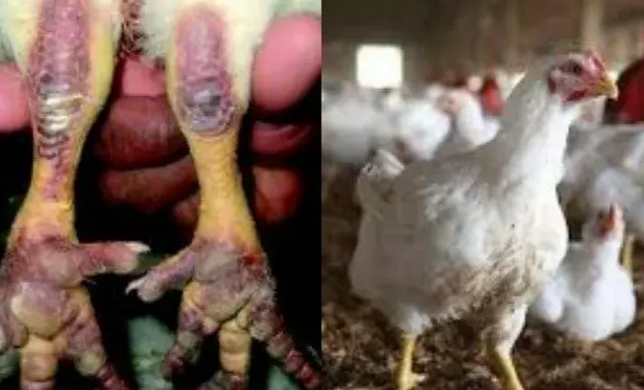
Nigeria will get a $350,000 intervention from the Food and Agriculture Organisation of the United Nations (FAO) to support its response to the ongoing outbreak of Highly Pathogenic Avian Influenza (bird flu) and strengthen the country’s animal health systems.
An agreement was reached on Wednesday during a strategic meeting between the Minister of Livestock Development, Mr Idi Mukhtar Maiha, and the FAO Representative to Nigeria and the Economic Community of West African States, Mr Hussein Gadain, in Abuja.
The intervention, approved under FAO’s Technical Cooperation Programme, will support disease containment efforts in 11 affected states and enhance surveillance, coordination and response mechanisms to prevent further spread of the disease.
Speaking during the meeting, Maiha said effective disease control remains critical to improving livestock productivity and protecting the livelihoods of farmers across the country.
He explained that factors such as drought, scarcity of feed, interaction between livestock and wildlife, as well as cross-border movement of animals have contributed to the spread of diseases in some areas.
“We must continue to strengthen our animal health systems and build the capacity required to respond effectively to disease outbreaks. Our collaboration with FAO will help protect livestock assets, improve productivity and support the broader transformation of the sector,” the minister said.
Mr Gadain commended the federal government’s commitment to the development of the livestock sector and assured that FAO would continue to provide technical support to Nigeria.
He stressed the need to strengthen veterinary services at the state and community levels, improve early detection of diseases and promote biosecurity practices among livestock farmers.
The meeting also reviewed progress on the global campaign to eradicate Peste des Petits Ruminants, a highly contagious disease that affects sheep and goats.
To advance the initiative, the ministry plans to convene a national technical meeting involving veterinary institutions, researchers and practitioners to review Nigeria’s eradication strategy and address gaps in vaccine supply.
As part of preparations, the ministry will engage the National Veterinary Research Institute to assess its vaccine production capacity while exploring other options for vaccine procurement to meet national demand.
Both parties also agreed to accelerate Nigeria’s access to financing under the Pandemic Fund through the One Health approach in collaboration with the Nigeria Centre for Disease Control and the Federal Ministry of Health to strengthen preparedness and response to zoonotic diseases.
Plans are also underway for the Director-General of FAO to participate in the Antimicrobial Resistance Conference scheduled for June 2026 in Abuja, where President Bola Tinubu is expected to be recognised as the African Champion for the eradication of Peste des Petits Ruminants.
The meeting further agreed to inaugurate a Livestock Donor Working Group to coordinate development partner support and advance key initiatives, including the development of a national feed and fodder strategy aimed at improving productivity and sustainability in the livestock sector.
-
 Feature/OPED6 years ago
Davos was Different this year
-
Travel/Tourism10 years ago
Lagos Seals Western Lodge Hotel In Ikorodu
-

 Showbiz3 years ago
Estranged Lover Releases Videos of Empress Njamah Bathing
-
 Banking8 years ago
Sort Codes of GTBank Branches in Nigeria
-

 Economy3 years ago
Subsidy Removal: CNG at N130 Per Litre Cheaper Than Petrol—IPMAN
-

 Banking3 years ago
Sort Codes of UBA Branches in Nigeria
-

 Banking3 years ago
First Bank Announces Planned Downtime
-

 Sports3 years ago
Highest Paid Nigerian Footballer – How Much Do Nigerian Footballers Earn