
Health
Pharmaceutical Company Introduces Affordable Blood Tonic for Nigerians


By Aduragbemi Omiyale
The harsh economy in Nigeria caused by high prices of items amid low purchasing power has made it difficult for Nigerians to afford the basic needs of life, especially drugs to replenish their body system.
As a result, the rate of suicide triggered by depression and others has increased. Also, the number of people falling sick in the country has skyrocketed.
But things may soon change for the better as a pharmaceutical firm, Sterling Biopharma Limited, has introduced a new product called Fejeron Blood Tonic into the Nigerian market to support the country’s about 66.8 per cent economically active population.
Fejeron Blood Tonic contains iron, Vitamin B12 and folic acid, all essential components that help to facilitate adequate blood supply and replenishment to the body with vital vitamins while enabling a strong immune system.
“Fejeron Blood Tonic is the latest proof of our commitment to this mission. Despite its premium quality, Fejeron, at the moment, is one of the most affordable blood tonics you will find in the Nigerian pharma market, and this is deliberate. All Nigerians should be able to take care of themselves,” the chief operating officer of Sterling Biopharma, Mr Adebayo Adepoju, said at the unveiling of the product in Lagos on Thursday, September 15.
He said the drug was formulated due to the nature of stress and fatigue that Nigerians encounter daily, which requires that their physical and mental well-being is well supported to function at its best.
“At Sterling Biopharma, we believe that everyone deserves to be able to buy simple prescription drugs without breaking the bank. This is why from the moment we entered the Nigerian market. With our wide range of products, we have made our intentions clear, and that is to make quality pharmaceutical products affordable for all Nigerians,” he stated.
Since its market introduction, Fejeron has quickly become one of the well-sought-after new brands in the pharmaceutical category. The Product Manager, Olumide Ogunremi, linked the warm embrace of the product to its quality and appeal to the needs of Nigerians.
“The quick acceptance of Fejeron Blood Tonic in Nigeria is not surprising. The enthusiasm to try out the product and the return purchases across the biggest pharmaceutical markets in Nigeria validate the quality of the product and timeliness of its emergence.”
On what makes Fejeron Blood Tonic unique, Mr Ogunremi promised that both the young and old would love the taste of Fejeron, adding that extra effort has also been put into ensuring that the product has fewer chances of causing common side effects like metallic after-taste, staining of the teeth; constipation, diarrhoea, nausea and others.



By Adedapo Adesanya
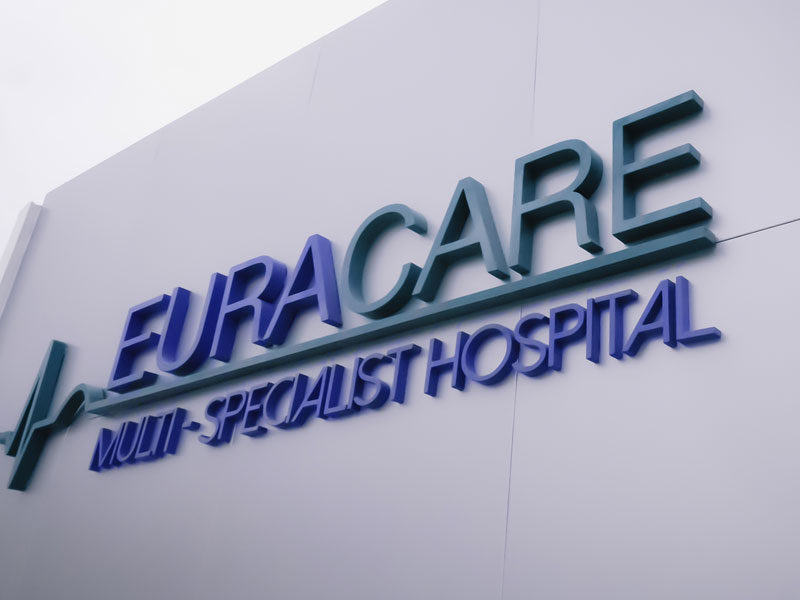
The Medical and Dental Practitioners Investigation Panel of the Medical and Dental Council of Nigeria (MDCN) has invoked its order of suspension against the Medical Director of Euracare Multi-Specialist Hospital, Dr Tosin Majekodunmi, and two others, after establishing a prima facie case of medical negligence against them in the management of the late Nkanu Adichie-Esege.
Nkanu, the son of renowned Nigerian author, Chimamanda Ngozi Adichie and Dr Ivara Esege, died on January 7, 2026, after receiving care at Atlantis Hospital and undergoing medical procedures at Euracare Multi-Specialist Hospital in Lagos. He was 21 months old.
Apart from the Medical Director at Euracare, the panel also suspended the anesthesiologist at the same hospital, Dr Titus Ogundare, as well as the Chief Medical Officer at Atlantis Pediatric Hospital, Dr Atinuke Uwajeh.
The trio were suspended from medical practice in Nigeria pending the determination of their case by the Medical and Dental Practitioners Disciplinary Tribunal.
A statement signed by the committee’s secretary, Dr Enejo Abdu, also disclosed it was determining if there is a prima facie case of professional misconduct against 10 other doctors.
These are Dr Adeseye Akinsete, Dr Chidinma Ohagwu, Dr Anthony Ajeh, Dr Amarachi Bayo, and Dr Nkechi Peji. Others are Dr Olaoye Oludare, Dr Agaja Oyinkansola, Dr Patricia Akintan, Dr Babatunde Bamgboye, and Dr Raji Faidat.
The panel, which also cleared eight other doctors, reached these decisions after considering the complaint against all 21 doctors and reviewing their counter-affidavits, including their oral depositions on oath.
It concluded its investigation at its 25th session held at Excel Hotel & Resort in Abuja on February 17 and 18, 2026.
The 21-month-old child, Nkanu Adichie-Esege, was initially admitted to Atlantis Hospital in Lagos for what was described as a worsening but initially mild illness.
While arrangements were being made to transfer him to Johns Hopkins Hospital in the United States, Atlantis referred him to Euracare for pre-flight diagnostic procedures, including an MRI, lumbar puncture, and insertion of a central line.
However, the child passed following the procedures.
His parents have alleged medical negligence and professional misconduct in connection with his death.
In a legal notice dated January 10, 2026, issued by the law firm led by Kemi Pinheiro (SAN), Ms Adichie and her husband accused Euracare, its anesthesiologist, and other attending medical personnel of breaching the duty of care owed to their son.
The notice stated that the child, born on March 25, 2024, was referred to Euracare on January 6, 2026, for diagnostic and preparatory procedures ahead of an emergency medical evacuation to the United States, where a specialist team was reportedly on standby.
The procedures reportedly included: Echocardiogram, Brain MRI, and insertion of a peripherally inserted central catheter.
Lumbar puncture, Intravenous sedation using propofol was administered.
The parents alleged that the child developed sudden and severe complications while being transported to the cardiac catheterisation laboratory after the MRI.
The development has raised worries and questions about the country’s healthcare.
By Adedapo Adesanya
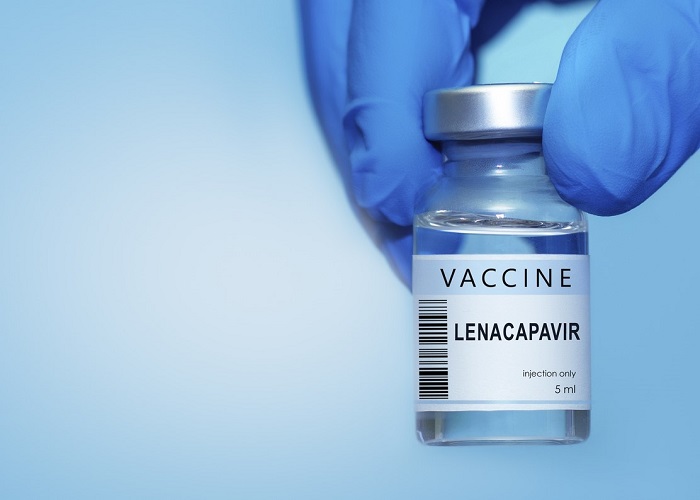
The National Agency for the Control of AIDS (NACA) has announced that Nigeria would take delivery of Lenacapavir, a groundbreaking human immunodeficiency virus (HIV) prevention drug that has shown 100 per cent effectiveness in preventing the viral infection in clinical trials.
A short statement released by the Head of Public Relations for NACA, Mrs Toyin Aderibigbe, on Monday said the agency had secured regulatory approval from the National Agency for Food and Drug Administration and Control (NAFDAC).
HIV over time causes acquired immunodeficiency syndrome (AIDs), a condition in which progressive failure of the immune system allows life-threatening opportunistic infections and cancers to thrive.
Lenacapavir is an injectable treatment administered twice a year, making it a more convenient alternative to daily oral prevention drugs.
The drug is expected to be available in Nigeria and 119 other low- and middle-income countries at an affordable price of $40 per person annually, thanks to voluntary licensing agreements with generic manufacturers.
“The Government of Nigeria is advancing preparations for the introduction and rollout of Lenacapavir as Pre-Exposure Prophylaxis (PrEP).
“This is part of the government’s commitment to strengthen HIV prevention and accelerate progress toward epidemic control,” the statement read.
NACA listed some significant milestones achieved, including completion of landscape and readiness assessments across ten states: Akwa Ibom, Anambra, Benue, Cross River, Ebonyi, FCT, Gombe, Kano, Kwara, and Lagos, alongside regulatory approval by NAFDAC.
“The commodities are expected in the country in March 2026,” NACA noted.
Nigeria has approximately 1.9 million people living with HIV, with a national prevalence of 1.3% among adults aged 15-49 years.
The country recorded 74,000 new HIV infections and 51,000 AIDS-related deaths in 2021.
The South-South zone has the highest HIV prevalence at 3.1%, while women aged 15-49 years are more than twice as likely to be living with HIV as men.
Daily oral PrEP has been available in Nigeria since 2016, but uptake varies. Adherence issues like pill fatigue, stigma, limited awareness, and inconsistent access have hindered wider use.
Newer PrEP options include injections that last two or six months, providing an alternative for those who prefer less frequent dosing and may overcome many barriers of daily oral use.

By Adedapo Adesanya
Members of the National Union of Food, Beverage and Tobacco Employees protested at the Lagos office of the National Agency for Food and Drug Administration and Control (NAFDAC), disrupting operations in reaction to the ban on sachet alcohol.
The protesting union members barricaded the agency’s premises in Isolo, meaning staff who arrived early to resume duty were forced to remain outside the complex.
Recall that NAFDAC has continued the ban on alcoholic beverages sold in sachets and PET bottles below 200 millilitres, despite calls from certain quarters, including the picketers.
The union is demanding the immediate unsealing of affected factories and production lines, warning that sustained enforcement of the policy could trigger significant economic consequences across the industry.
It is the second time this month that union members disrupted the Lagos NAFDAC office over what they described as the agency’s refusal to comply with an alleged federal government directive to suspend enforcement of the ban on the production and sale of alcoholic beverages in sachets.
The union claimed that directives had been issued by the Office of the Secretary to the Government of the Federation and the Office of the National Security Adviser, calling for the suspension of enforcement and the reopening of sealed production lines.
However, NAFDAC dismissed the claims, maintaining that it had not received any official instruction from the Federal Government to halt enforcement of the ban on sachet and PET-bottled alcohol.
Meanwhile, police officers were later seen at the NAFDAC Isolo premises, which dispersed the blockade to allow NAFDAC staff back into the premises.
Representatives of the Director-General of NAFDAC later engaged the protesting union in talks, but the meeting ended without resolution as demonstrators insisted their agitation would continue.
Union leaders presented their concerns during closed-door discussions with a director within the agency and the Special Assistant to the Director-General. However, no agreement was reached.
The protesters are urging NAFDAC to reconsider what they describe as the strict enforcement of the ban on sachet alcohol. Instead, they want the agency to focus on regulating access to such products, particularly by restricting sales to minors, while intensifying public enlightenment campaigns on responsible consumption.
Despite this, protesters say they will not stop until their demands are addressed.












-
 Feature/OPED6 years ago
Davos was Different this year
-
Travel/Tourism10 years ago
Lagos Seals Western Lodge Hotel In Ikorodu
-

 Showbiz3 years ago
Estranged Lover Releases Videos of Empress Njamah Bathing
-
 Banking8 years ago
Sort Codes of GTBank Branches in Nigeria
-

 Economy3 years ago
Subsidy Removal: CNG at N130 Per Litre Cheaper Than Petrol—IPMAN
-

 Banking3 years ago
Sort Codes of UBA Branches in Nigeria
-

 Banking3 years ago
First Bank Announces Planned Downtime
-

 Sports3 years ago
Highest Paid Nigerian Footballer – How Much Do Nigerian Footballers Earn