
Media OutReach
Greater Bay Area Residential Transactions Stabilized in 2H 2024 With Central Government’s Support


Neighborhood Retail Assets and Industrial/Logistics Sector Gain Investors’ Interest
- Since the Politburo’s emphasis in its September 2024 meeting that authorities “must work to halt the real estate market decline and spur a stable recovery,” Chinese mainland residential market sentiment has strengthened significantly, supporting a pick-up in primary market home sales
- Total investment volume in the Greater Bay Area (GBA) commercial real estate (CRE) market recorded RMB44.7 billion in 2024, accounting for 20% of total Chinese mainland CRE investment volume
- The industrial/ logistics sector became sought-after, accounting for 22% of total investment volume in the GBA, with transaction activity in second-tier GBA cities performing notably well
HONG KONG SAR – Media OutReach Newswire – 14 January 2025 – Global real estate services firm Cushman & Wakefield today published its Greater Bay Area Residential and Investment Market 2024 Review and 2025 Outlook. In reviewing 2024, GBA residential market sentiment remained cautious in the first three quarters, due to the slower-than-expected pace of economic recovery and a lack of confidence among potential buyers. However, since the Central Government emphasized at the Politburo meeting that authorities “must work to halt the real estate market decline and spur a stable recovery,” and put forward stimulus measures targeting both the demand and supply sides, residential transaction activity started to strengthen from October. The CRE investment market also began to show a steady uptrend from Q4 onwards, with neighborhood retail assets and the industrial/ logistics projects being the most sought-after by investors.
GBA Residential Market
Overall GBA residential market sentiment remained cautious in the first half of 2024 due to the economic slowdown in the Chinese mainland combined with a lack of confidence in the real estate market. Although overall GBA primary market residential transactions picked up in June following the introduction of the “517” new housing policies, the market then gradually digested the favorable impact in the subsequent months, failing to bring a sustained stimulus to residential transactions.
In late September, the Central Government then emphasized at the Politburo meeting that authorities “must work to halt the real estate market decline and spur a stable recovery”. Unlike the “517” new housing policies, which mainly targeted the demand side, this time the policies were designed to stimulate the market from both the demand and supply sides. The Central Government also introduced real estate measures summarized as “four cancellations, four reductions, and two additions,” aimed at lowering the cost of entry for buyers,and boosting the market’s confidence in developers’ capital flow by encouraging local governments to use funds from special-purpose bonds to reclaim and acquire idle land and unsold units. Since October, the residential market has become more active, with transaction numbers picking up significantly. Around 40,000 transactions were recorded in the GBA primary residential market in October, growing 70% m-o-m. Transactions through Q4 showed a strong recovery, growing 42% y-o-y and 72% q-o-q, with new home sales in Shenzhen and Guangzhou surging 165% and 72% respectively over the same period last year. These figures reflect that with the support of favorable policies, residential transaction activity in the Greater Bay Area is gradually recovering. Although total primary market transactions for the full-year 2024 reached approximately 318,000 units, a 16% y-o-y drop from 2023, the decline was concentrated in the first three quarters. (Chart 1).
Chart 1: GBA First-Hand Residential Sales
Primary market home prices are more swayed by the quality level of newly launched projects, and first-hand residential prices in the nine GBA Chinese mainland cities showed a mixed trend in 2H 2024. Secondary market home prices generally better reflect current underlying trends, and National Bureau of Statistics data shows that Shenzhen secondary home prices had been in a correction of -9.2% for the first nine months of 2024. However, since the Central Government introduced a series of stimulus measures for the real estate market in September and October, in particular the special-purpose bonds to improve developers’ cash flow, the sales price index of secondary market residential buildings in Shenzhen has stabilized, with m-o-m increases of 0.7% in October and 0.5% in November. We expect the price index in December to record similar growth to November, narrowing the annual decline to 7.7% (Chart 2).
Chart 2: Change in Shenzhen Secondary Home Price Index
Alva To, Cushman & Wakefield’s Vice President, Greater China & Head of Consulting, Greater China said, “In reviewing the easing policies introduced in 2H 2024, the Central Government has not only stimulated housing demand but also strived to stabilize supply. Among the measures, we believe the policy of encouraging local governments to use funds from special-purpose bonds to reclaim and acquire idle land and unsold units is the most noteworthy. This is expected to help developers improve their cash flow and liquidity, in turn strengthening market’s confidence in developers’ deliveries, while also ensuring a stable housing supply. Only with the gradual restoration of market confidence can the purchasing power stimulated by easing policies be truly unleashed. Looking ahead to 2025, we believe that the most challenging time is over and that the property market is now gradually stabilizing with the support of the Central Government’s policies. With the support of favorable policies, transaction numbers are likely to be maintained at the current level. We forecast that total first-hand residential transactions in the GBA will increase by 20% to around 380,000 units in 2025, supporting the gradual recovery of home prices.”
GBA CRE Investment Market
Charli Chan, Cushman & Wakefield’s Deputy Managing Director, Head of HK PRC Team, Capital Markets, said, “After significant downward asset price adjustments in the middle of the year, the GBA CRE investment market began to show a trend of stable recovery trend from Q4 2024. The GBA CRE investment market (large-sized deals at RMB100 million or above) recorded 66 deals totaling RMB44.7 billion for the full-year 2024, decreasing 9% y-o-y, accounting for 20% of the overall Chinese mainland investment market (Chart 3). Of the 66 large-sized deals, 15 were above the RMB1 billion mark, accounting for 23% of the total number of transactions, up from 20% in 2023. The GBA commercial property investment market continued to focus on the two first-tier mainland cities, Shenzhen and Guangzhou, recording total transaction volumes of RMB23.9 billion and RMB14.6 billion, respectively.
By property type, the office/R&D office sector continued to take the largest share of the market, accounting for more than half of the total investment volume for 2024. The share of the industrial/ logistics sector increased notably, from 9% of total investment volume in 2023 to 22% in 2024, chiefly driven by logistics demand spurred by cross-border e-commerce activities (Chart 4). This trend is also in line with the firm’s forecast six months ago.
Chart 4: Total CRE Investment Volume in the GBA by Property Type
Charli Chan added, “Looking ahead to 2025, investors are likely to remain cautious in the current market conditions. The abundant new supply of industrial, logistics, and office premises, combined with relatively few buyers in the market, is going to lead to increased competition, bringing downward pressure on property prices. However, the low interest rate environment in the Chinese mainland, and with further rate cuts anticipated, is expected to offset the downward pressure to a certain extent. Property prices are expected to remain generally stable in 2025.
“In terms of property type, the logistics sector currently remains the top choice for investors. However, Guangdong is facing a supply boom in the coming two years, which may exert pressure on rents. Neighborhood retail assets and community malls are expected to remain sought after, and industrial parks are also attracting greater market attention with the benefit of relatively long-term tenants. Yet, investors are advised to adjust their strategies in a timely manner, considering the effectiveness of the ‘Industry’s Going Upstairs’ (IGU) policy and the actual market situation. Among all asset classes, the office sector has experienced the greatest price pressure. We suggest investors to pay attention to projects held by U.S. dollar funds that are willing to offload assets with price discounts.”
Please click here to download photos.
Caption:
Alva To, Cushman & Wakefield’s Vice President, Greater China & Head of Consulting, Greater China (Left)
and Charli Chan, Cushman & Wakefield’s Deputy Managing Director, Head of HK PRC Team, Capital Markets (Right).
Hashtag: #CWK
The issuer is solely responsible for the content of this announcement.
About Cushman & Wakefield
Cushman & Wakefield (NYSE: CWK) is a leading global commercial real estate services firm for property owners and occupiers with approximately 52,000 employees in nearly 400 offices and 60 countries. In Greater China, a network of 23 offices serves local markets across the region. In 2023, the firm reported revenue of $9.5 billion across its core services of valuation, consulting, project & development services, capital markets, project & occupier services, industrial & logistics, retail and others. It also receives numerous industry and business accolades for its award-winning culture and commitment to Diversity, Equity and Inclusion (DEI), sustainability and more. For additional information, visit www.cushmanwakefield.com.hk or follow us on LinkedIn ( https://www.linkedin.com/company/cushman-&-wakefield-greater-china).




The Taiwan-born pet mobility brand opens its first SoHo pop-up inside Flying Solo, bringing its Nordic-designed pet stroller collection to the heart of New York City.
NEW YORK, USA – Media OutReach Newswire – 02 April 2026 – FikaGO, the design-led pet mobility brand recognized across Asia and Europe, has opened its first New York City pop-up store inside Flying Solo in SoHo. The opening marks a deliberate move for a pet brand into one of the world’s most competitive retail districts.
Since entering the online American market in 2025, FikaGO has built a growing community of pet parents who see their animals as a central part of everyday life. Positioned as lifestyle essentials rather than conventional pet gear, FikaGO’s range of products is designed for people who want the best for their fur babies.
“We’ve always believed that pet products should not only be functional, but also beautifully integrated into everyday life.” — Eric Guu, Co-founder, FikaGO
SoHo was a considered choice: Flying Solo, with locations in New York and Paris, is known for championing independent design with a distinctly global sensibility.
The pop-up showcases FikaGO’s auto-folding Free To Go 2 in Sandy Beige, the brand’s bestselling product. All FikaGO’s products are manufactured using eco-friendly fabrics made from recycled materials, reflecting a commitment to sustainability. This includes their large-capacity Agile 2 pet strollers to their airline-approved Truffle carriers and the heavy-duty Kross pet wagon.
“Launching in SoHo is a meaningful milestone for us; it allows customers to truly experience the quality, design, and intention behind every FikaGO product.” — Eric Guu, Co-founder, FikaGO
As pet ownership rises globally, particularly among urban millennials and Gen Zs, demand for products that combine functionality, design, and lifestyle integration continues to grow. FikaGO was built for precisely this moment, and SoHo is precisely where that moment lives.
Visit the FikaGO pop-up at Flying Solo, 419 Broome Street, New York, or explore the full collection at https://us.fikago.com/.
Hashtag: #FikaGO #petmobilitybrand #petstroller #petcarrier #petwagon #petkennel #petbiketrailer
https://us.fikago.com/ https://www.facebook.com/FikaGO.US
 https://www.instagram.com/fikago_us/
YouTube:  https://www.youtube.com/@fikago5910
The issuer is solely responsible for the content of this announcement.
About FikaGO
FikaGO is a pet mobility brand founded in Taiwan, dedicated to crafting products that blend functionality, comfort, and modern aesthetics. With a presence across Asia and growing reach in Europe and the U.S, FikaGO is redefining everyday experiences between pets and their humans.

Media OutReach
Lee Kum Kee Celebrates Culinary Excellence at the Historic Hong Kong Debut of Asia’s 50 Best Restaurants 2026
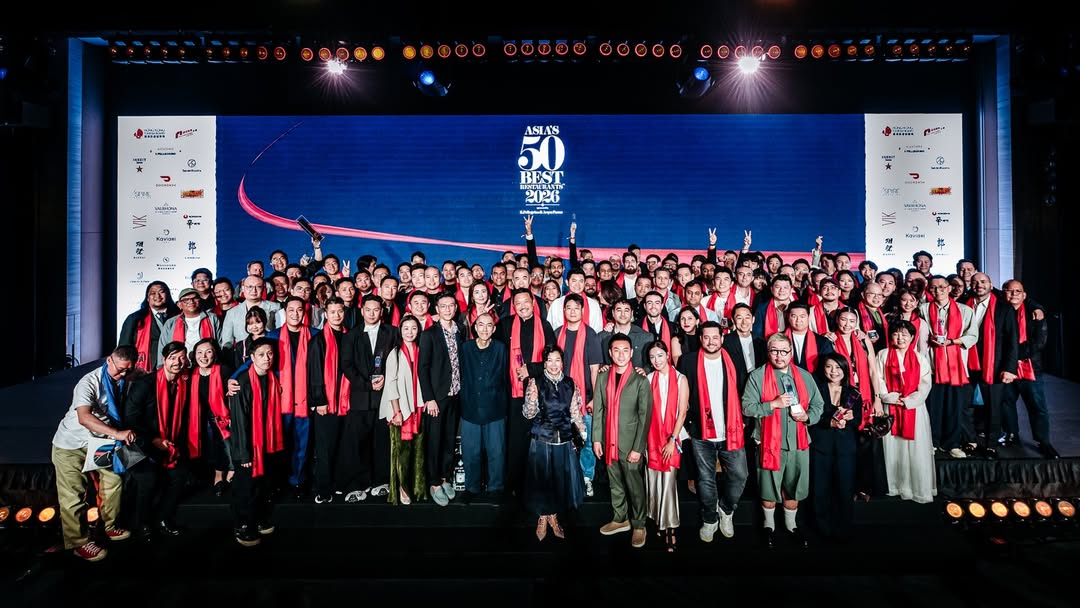
From 23-25 March, Lee Kum Kee brought together top chefs, diverse cultures and industry communities through a range of thoughtfully curated experiences, bringing authentic Asian flavours to the global stage. As well as reaffirming the brand’s Asian roots and international perspective, its involvement reflected an enduring commitment to preserving culinary heritage and driving gastronomic innovation.
“Asian Flavour Duet“: A Culinary Journey Through Heritage and Innovation
Helping to build momentums for this year’s awards, Lee Kum Kee collaborated with Vicky Cheng, the acclaimed Executive Chef and owner of WING, to co-create the “Asian Flavour Duet”, a Hong Kong-style late-night supper party on 24 March. Hosted at two Hong Kong culinary landmarks, the experience unfolded in two chapters – “Paying Tribute to Heritage” and “Innovative Fusion” – and invited guests to explore the limitless possibilities of Asian flavour.
The evening began at the century-old Lin Heung Lau teahouse, a space filled with nostalgia and memories for generations of Hong Kongers. Chef Vicky reinterpreted classic Hong Kong late-night dishes using signature Lee Kum Kee sauces, while guests were immersed in the warmth of the historic venue.
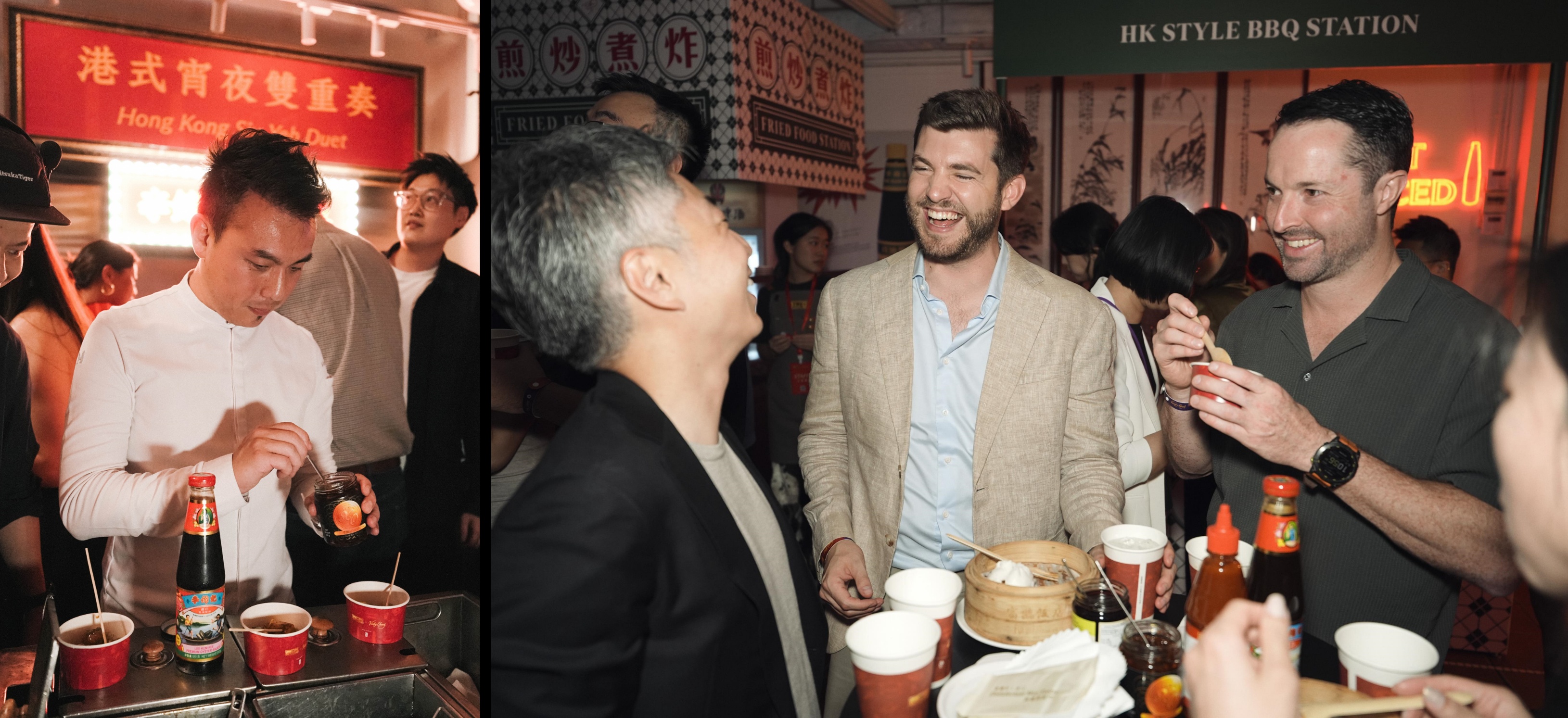
The celebration then moved to Medora, Chef Vicky’s Western dining space, where an “Innovative Fusion” was revealed. He showcased his modern culinary philosophy by incorporating Lee Kum Kee sauces with contemporary techniques to create bold, unexpected dishes. Guests also enjoyed specially crafted cocktails infused with Lee Kum Kee sauces, alongside a delightful yet refined sauce-inspired gelato, demonstrating a harmonious interweaving of savoury, umami, sweetness and spice.
The multisensory journey seamlessly blended tradition with innovation, exploring the future of cuisine while highlighting Lee Kum Kee’s role as a global gateway to Asian culinary culture.
At the event, Dodie Hung, Executive Vice President – Corporate Affairs at Lee Kum Kee, commented, “Tonight, we are honoured to celebrate Hong Kong’s late‑night food culture with Chef Vicky and the global culinary community. From the legacy of Lin Heung Lau to the forward‑looking spirit of Medora, we are proud to be part of the creative journey and help showcase the depth of Asian flavours on the world stage.”
Celebrating a Gastronomic Brilliance with the Highest Climber Award Sponsored by Lee Kum Kee
During the awards ceremony on 25 March, Lee Kum Kee’s booth showcased a range of the brand’s acclaimed classic sauces and innovative products. Guests sampled specially crafted bites featuring Lee Kum Kee sauces, engaging directly with the flavours and techniques that have made the brand a trusted partner in both home and professional kitchens worldwide.

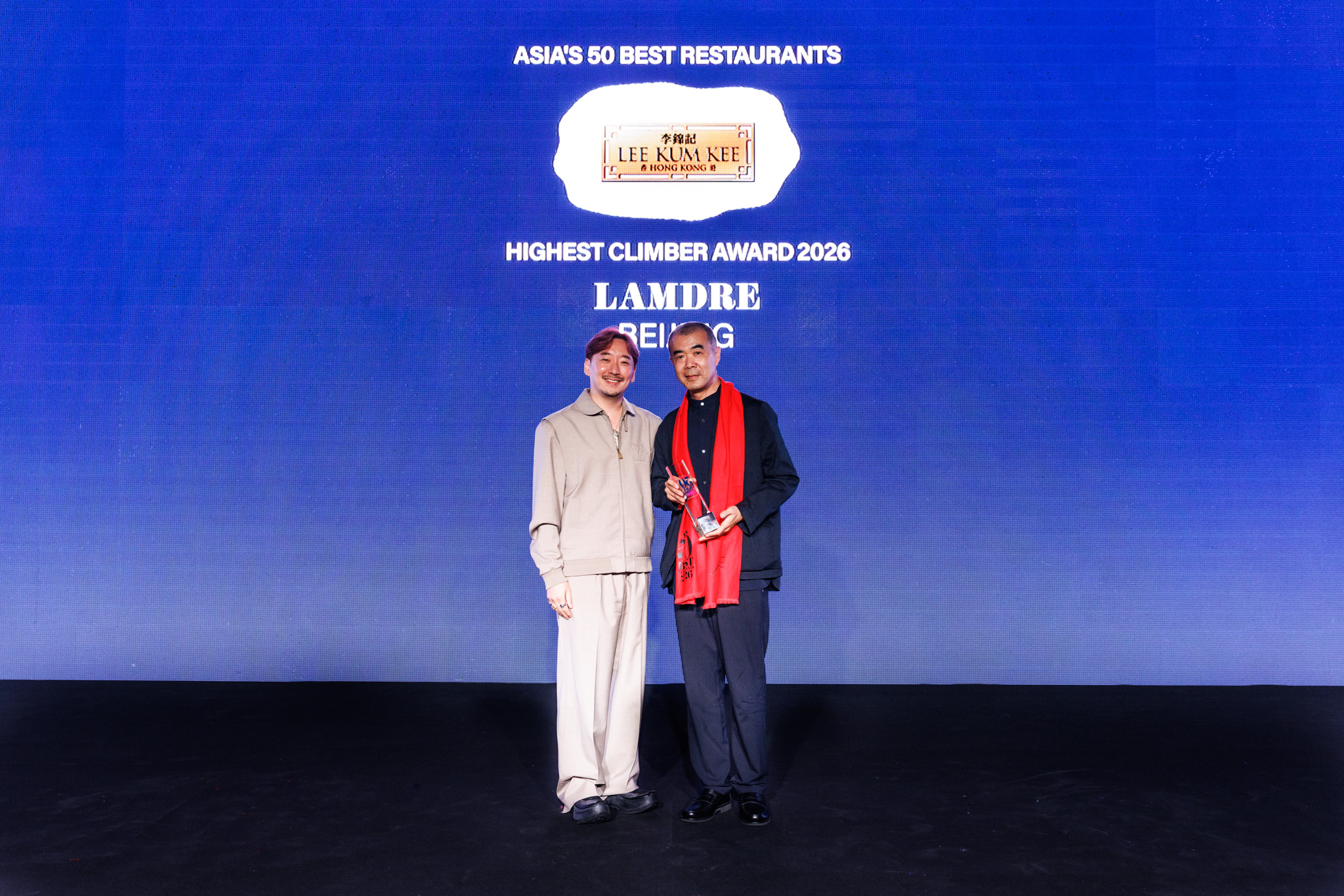
As part of the evening’s celebration of the region’s most exceptional culinary talents, the Highest Climber Award sponsored by Lee Kum Kee was presented to Lamdre in Beijing by Chef Park from Atomix (No.1 in North America’s 50 Best Restaurants 2025). Lambre was applauded for its pioneering plant-based dining space that promotes healthy, sustainable living while honouring Chinese biodiversity in its menus.
In addition, WING, led by Chef Vicky, achieved an impressive second place in 2026 Asia’s 50 Best Restaurants list. The restaurant had also previously ranked No. 11 on The World’s 50 Best Restaurants list in 2025, underscoring its continued international acclaim.
Building the Future Together: Deepening Global Partnerships
With the success of this prestigious awards ceremony in Hong Kong, China, Lee Kum Kee looks forward to deepening its collaboration with leading talents in the global culinary community. By continuing to champion Asian flavours and foster meaningful dialogue and exchange, the brand will continue to bring the spirit of Asian cuisine to kitchens and dining tables around the world.
Hashtag: #LeeKumKee #LKK
The issuer is solely responsible for the content of this announcement.
About Lee Kum Kee
Lee Kum Kee is the global gateway to Asian culinary culture, dedicated to promoting Chinese culinary culture worldwide. Since 1888, it has brought people together over joyful reunions, shared traditions and memorable meals. Beloved by consumers and chefs alike, Lee Kum Kee’s range of more than 300 sauces and condiments sparks creativity in kitchens everywhere, inspiring professional and home chefs to experiment, create and delight. Headquartered in Hong Kong, China and serving over 100 countries and regions, Lee Kum Kee’s rich heritage, unwavering commitment to quality, sustainable practices and “Constant Entrepreneurship” combine to enable superior experiences through Asian cuisine for people worldwide. For more information, please visit www.LKK.com.
About Asia’s 50 Best Restaurants
Launched in 2013, Asia’s 50 Best Restaurants aims to showcase the outstanding achievements and diverse culinary landscape of the region. The list is determined by the Asia’s 50 Best Restaurants Academy, a panel of over 350 culinary experts from across Asia who vote independently based on their specialised knowledge of the local dining scene. The Asia’s 50 Best Restaurants series includes the awards ceremony and list announcement, creating a premier networking platform for restaurateurs, media, seasoned travelers and culinary connoisseurs to celebrate the exceptional service, passion and talent in the dining industry.

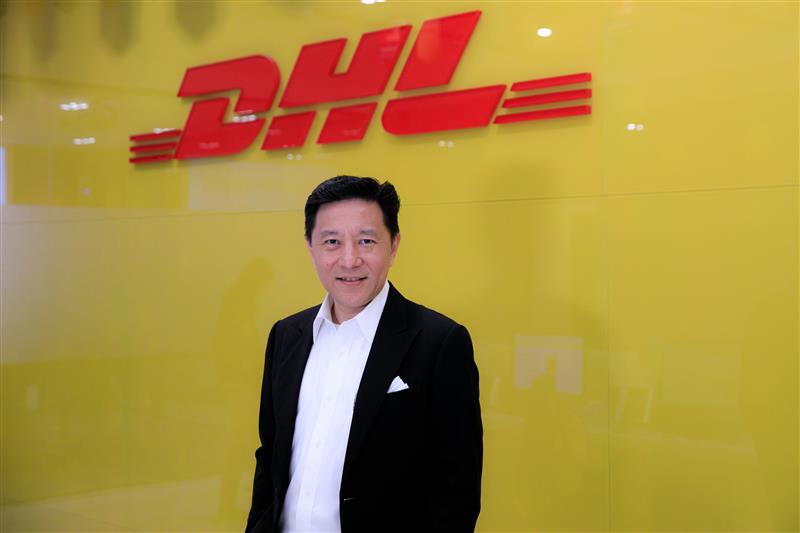
- Herbert Vongpusanachai takes on the role of Senior Vice President for Commercial for the region, effective April 1, 2026
SINGAPORE – Media OutReach Newswire – 2 April 2026 – DHL Express, the world’s leading international express service provider, has appointed Herbert Vongpusanachai as Senior Vice President, Commercial for Asia Pacific, effective April 1, 2026. Herbert, who currently serves as Managing Director for DHL Express Thailand & Indochina, will be based in Singapore for his new role.
Herbert brings more than two decades of leadership experience within DHL Express, having successfully helmed multiple key markets across the region. He first joined the company in 2003 as Managing Director for Thailand & Indochina, later taking on leadership of Singapore in 2008, followed by Hong Kong & Macau in 2016. Since returning to lead Thailand & Indochina in 2020, he has driven sustained year‑on‑year profitable growth, transforming the cluster into one of the region’s key engines of expansion.
“Herbert has an exceptional track record of delivering strong business results while nurturing highly engaged teams across diverse markets. His deep understanding of our customers, collaborative leadership style, and ability to unearth opportunities in complex environments make him the ideal leader to drive our commercial agenda for Asia Pacific. I am confident that under his guidance, we will continue to accelerate sustainable growth across the region,” said Ken Lee, CEO for Asia Pacific, DHL Express.
In his new regional role, Herbert will shape and accelerate the commercial strategy for DHL Express across Asia Pacific by working with other functions to assess new sectors, routes and trade lanes with high potential for growth. He will focus on deepening customer engagement and supporting their expansion, while driving sustainable volume growth and advancing the adoption of new technologies to enhance commercial execution across markets. With his extensive country expertise and people‑first leadership style, Herbert is well‑positioned to support both regional and country teams in raising commercial performance to new levels.
“Asia Pacific remains an important anchor in global trade as seen in the latest DHL Global Connectedness Report, and this indicates the unwavering role of logistics to facilitate the flow of goods. With the newly introduced Heavyweight Express solution, which enables customers to ship heavyweight shipments with speed, certainty and reliability, I look forward to working alongside our talented teams to contribute to shaping the next chapter of DHL Express’s commercial success,” said Herbert Vongpusanachai, Senior Vice President – Commercial for Asia Pacific, DHL Express.
The latest DHL Global Connectedness Report shows that the region remains a major anchor of global commerce, with multiple economies rising in global connectedness rankings and Southeast Asia firmly establishing itself as a fast‑growing trade corridor. This also mirrors one of DHL Group’s strategies to better support 20 markets globally to accelerate growth; eight of them rest in Asia Pacific – underscoring the region’s critical role in DHL’s global network. As trade flows diversify and intra‑Asia integration deepens, this leadership appointment further strengthens DHL Express’s position in Asia Pacific.
Hashtag: #DHL
 https://group.dhl.com/en.html
 https://www.linkedin.com/company/dhlexpress/
The issuer is solely responsible for the content of this announcement.
DHL – The logistics company for the world
DHL is the leading global brand in the logistics industry. Our DHL divisions offer an unrivalled portfolio of logistics services ranging from national and international parcel delivery, e-commerce shipping and fulfillment solutions, international express, road, air and ocean transport to industrial supply chain management. With approximately 389,000 employees in more than 220 countries and territories worldwide, DHL connects people and businesses securely and reliably, enabling global sustainable trade flows. With specialized solutions for growth markets and industries including technology, life sciences and healthcare, engineering, manufacturing & energy, auto-mobility and retail, DHL is decisively positioned as “The logistics company for the world”.
DHL is part of DHL Group. The Group generated revenues of approximately 82.9 billion euros in 2025. With sustainable business practices and a commitment to society and the environment, the Group makes a positive contribution to the world. DHL Group aims to achieve net-zero emissions logistics by 2050.

-
 Feature/OPED6 years ago
Davos was Different this year
-
Travel/Tourism10 years ago
Lagos Seals Western Lodge Hotel In Ikorodu
-

 Showbiz3 years ago
Estranged Lover Releases Videos of Empress Njamah Bathing
-
 Banking8 years ago
Sort Codes of GTBank Branches in Nigeria
-

 Economy3 years ago
Subsidy Removal: CNG at N130 Per Litre Cheaper Than Petrol—IPMAN
-

 Banking3 years ago
Sort Codes of UBA Branches in Nigeria
-

 Banking3 years ago
First Bank Announces Planned Downtime
-

 Sports3 years ago
Highest Paid Nigerian Footballer – How Much Do Nigerian Footballers Earn