
Media OutReach
Kearney’s 2025 FDI Confidence Index® highlights APAC’s innovation-driven growth amid mounting global headwinds


- Japan and South Korea leap in ranking due to technological innovation capabilities and improving economic performance.
- Rising commodity prices, regulatory challenges, and geopolitical tensions temper optimism.
- Southeast Asia’s emerging markets showcase strong talent and investment appeal.
- New U.S. tariffs add urgency to scenario planning and highlight sector vulnerabilities, particularly in manufacturing and automotive.
SINGAPORE – Media OutReach Newswire – 9 April 2025 – Kearney’s Global Business Policy Council today released its 2025 Foreign Direct Investment (FDI) Confidence Index (FDICI), a survey capturing investor sentiment on FDI flows over the next three years. With 30 percent of respondents based in Asia Pacific (APAC), the survey results show a mixed outlook for APAC markets.
Eight markets from APAC make the top 25 this year, the same representation as last year. This includes Japan (4th), China (including Hong Kong) (6th), Australia (10th), South Korea (14th), Singapore (15th), New Zealand (16th), Taiwan (China) (23rd) and India (24th).
Investors highly value the technological and economic performance of some APAC markets, while the challenges from a complex global geopolitical environment have negatively impacted investors’ views on others.
Though there have been profound developments since the survey was in the field in January, including the announcement of new U.S. tariffs in April, key findings remain illuminating — particularly the value that investors place on efficiency of legal and regulatory processes, domestic economic performance, and technological and innovation capabilities.
Technology and Economic Strength Propel APAC Markets
Investor confidence in APAC remains underpinned by notable advancements in technology and solid economic fundamentals. Japan’s ascent from 7th to 4th place is a prime example, as market participants point to its leading technology innovation and strong economic performance, bolstered by a tight labor market and record wage growth.
Likewise, South Korea makes its strongest-ever showing by leaping from 20th to 14th. 41 percent of investors cite its dynamic technology sector as a key driver of renewed confidence. Significant government investments in semiconductors are potential influencing factors behind this change.
82 percent of APAC-based investors plan to increase FDI in the next three years. 50 percent are more optimistic than a year ago about the APAC economy.
“The impressive strides in technology and economic performance across APAC are reshaping our investment landscape. Japan’s leap and South Korea’s record performance demonstrate the power of innovation and strong market fundamentals, even as recent U.S. tariff measures add complexities to global trade dynamics,” said Shigeru Sekinada, Region Chair, Asia Pacific, Kearney.
“These trends reinforce that strategic and forward-looking investments in innovation will drive sustainable and regenerative growth in our region in the face of evolving global dynamics.
Nonetheless, businesses should also conduct scenario planning as they navigate tariffs and prepare for emerging risks. Sectors like automotive and manufacturing are expected to be hard-hit on top of existing cost and regulatory challenges.”
Regional Headwinds Temper Optimism
Investor sentiment is also affected by rising uncertainties.
Roughly 43 percent of APAC investors surveyed see a rise in commodity prices as the most likely development over the next year, up a striking 14 percent from last year. The uptick is perhaps explained by investor fears of increased global conflict and subsequent supply chain disruptions that could drive commodity prices up.
Ranked second as a likely development in 2025 for APAC investors is a more restrictive business regulatory environment in developed markets (36 percent), up two percent from last year. Tied for third are a rise in geopolitical tensions and a more restrictive business regulatory environment in emerging markets (28 percent).
China slipped from 3rd to 6th place, reflecting ongoing economic challenges including a persistent property crisis and heightened US–China trade tensions. Nevertheless, the nation’s tech innovation continues to be a draw, as evidenced by the recent launch of DeepSeek AI.
Furthermore, Singapore’s drop from 12th to 15th and India’s decline from 18th to 24th underscore growing concerns over trade-related risks and regulatory complexity, respectively.
Shigeru Sekinada added: “While our region continues to showcase significant strengths, we also recognize the challenges in a shifting global landscape. For instance, the new U.S. tariffs have impacted Southeast Asian nations and traditional China +1 beneficiaries.
Despite these challenges, APAC markets retain their core appeal, offering strong fundamentals that investors value deeply – tech-driven innovation, talent, and a strong business-friendly environment. With proactive policies and strategic investments, we are confident that the region is well-equipped to unlock long-term value amidst a volatile global environment.”
ASEAN Shines Among Emerging Markets
Southeast Asia continues to excel in the FDICI’s Emerging Market Index, launched in 2023 to highlight attractive emerging markets for FDI over the next three years. Three ASEAN-6 nations (Thailand, Malaysia, and Indonesia) have secured spots in the top 15. Investors cite the talent and skills of the workforce as the top reason for investing in Thailand (34 percent), Malaysia (30 percent), and Indonesia (32 percent).
Notably, investor optimism remains high in Thailand, leading ASEAN nations, only behind Singapore.
About the 2025 Kearney FDI Confidence Index®
The Kearney FDI Confidence Index® is an annual survey of global business executives that ranks markets that are likely to attract the most investment in the next three years. In contrast to other backward-looking data on FDI flows, the FDICI provides unique forward-looking analysis of the markets that investors intend to target for FDI in the coming years. Since the FDICI’s inception in 1998, the markets ranked on the Index have tracked closely with the top destinations for actual FDI flows in subsequent years.
The 2025 Kearney FDI Confidence Index® is constructed using primary data from a proprietary survey of 536 senior executives of the world’s leading corporations. The survey was conducted in January 2025. Respondents include C-level executives and regional and business leaders. All participating companies have annual revenues of $500 million or more. The companies are headquartered in 30 countries and span all sectors. Service-sector firms account for 53 percent of respondents, industrial firms for 35 percent, and IT firms for 12 percent.
The Index is calculated as a weighted average of the number of high, medium, and low responses to questions on the likelihood of making a direct investment in a select market over the next three years. Together, the markets presented to respondents in the survey received 97 percent of the world’s inward FDI flows in 2023, according to UNCTAD data.
Index values are based on responses only from companies headquartered in foreign markets. For example, the Index value for the United States was calculated without responses from US-headquartered investors. Higher Index values indicate more attractive investment targets.
All economic growth figures presented in the report are the latest estimates and forecasts available from Oxford Economics unless otherwise noted. Other secondary sources include investment promotion agencies, central banks, ministries of finance and trade, relevant news media, and other major data sources.
Hashtag: #Kearney
https://www.kearney.com/
www.kearney.com.
For past editions of the FDI Confidence Index, please go to:
www.kearney.com/foreign-direct-investment-confidence-index.
For more information, contact the Global Business Policy Council ( gb**@*****ey.com).



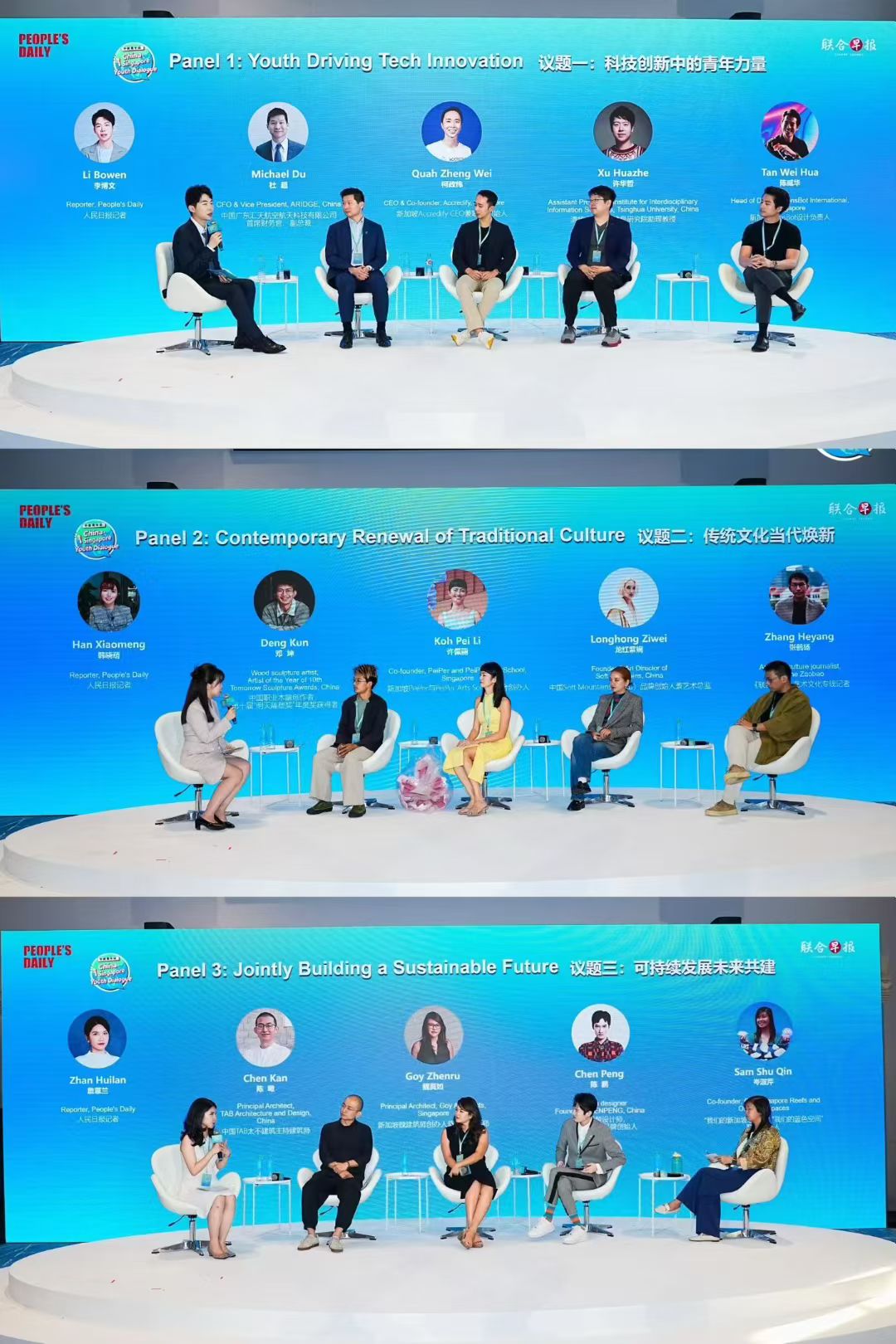
Co-organized by the People’s Daily and Lianhe Zaobao, the two-day event featured 12 young representatives who explored how their generation is shaping the future through innovation, cultural renewal and cross-border collaboration.
In the first panel, “Youth Driving Tech Innovation,” participants working in robotics, flying cars and data verification discussed both the opportunities and challenges of the AI era.
Tan Wei Hua, head of design at Singapore-based LionsBot International, addressed concerns over “AI anxiety” and its impact on jobs. “New jobs are going to be created. The next generation will be doing something entirely different,” he said, pointing to robotics as a growing field of opportunity.
Quah Zheng Wei, CEO and co-founder of Accredify, encouraged aspiring entrepreneurs to take the first step. With the tech industry evolving rapidly, he stressed that “nothing is holding you back.”
From an industry perspective, Michael Du, CFO and vice president of ARIDGE, said emerging technologies are expanding possibilities in everyday life. Meanwhile, Xu Huazhe, assistant professor at the Institute for Interdisciplinary Information Sciences at Tsinghua University, highlighted the strengths of younger generations: “With the correct taste, they will build the most meaningful things.”
The second panel, “Contemporary Renewal of Traditional Culture,” shifted focus from innovation to heritage. Artists and cultural practitioners in wood sculpture, paper art, jewelry design and journalism explored how tradition can be revitalized in modern contexts.

Wood sculpture artist Deng Kun emphasized the importance of cultivating an eye for beauty, while Lianhe Zaobao arts and culture journalist Zhang Heyang described traditional culture as “a place of spiritual haven for today’s youth.”
Designer Longhong Ziwei, founder and art director of the accessory brand Soft Mountains, said engaging with Yi heritage has inspired her work and resonated with international audiences.
Singaporean paper and mixed media artist Koh Pei Li, drawing inspiration from everyday urban life, highlighted the value of noticing overlooked details. Through her work, she hopes to reconnect people with the subtle beauty around them.
In the final panel, “Jointly Building a Sustainable Future,” speakers from architecture, fashion, and marine conservation offered interdisciplinary perspectives on sustainability.
Chen Kan, principal architect of TAB Architecture and Design, spoke about the philosophy of “being-with” as a guiding principle. “We need a deeper capacity to coexist with others,” he said.
Goy Zhenru, principal architect of Goy Architects in Singapore, emphasized designing in harmony with nature. She highlighted the importance of connecting living spaces with natural elements such as breeze and sunlight to create comfort and environmental awareness.
Sam Shu Qin, co-founder of Our Singapore Reefs and Our Blue Spaces, who describes herself as “a gardener underwater,” expressed hope that younger generations will recognize their ability to give back to the ocean.
For fashion designer Chen Peng, founder of brand CHENPENG, sustainability is both cultural and practical. “It should be culture-based and do no harm to the earth. It’s not a choice, but a natural extension of philosophy,” he said.
The dialogue marked a step forward in media cooperation and people-to-people exchanges between China and Singapore. By amplifying youth perspectives, it showcased the innovative energy and collaborative potential of both countries, while helping to build a long-term platform for bilateral engagement and shared progress.
The issuer is solely responsible for the content of this announcement.

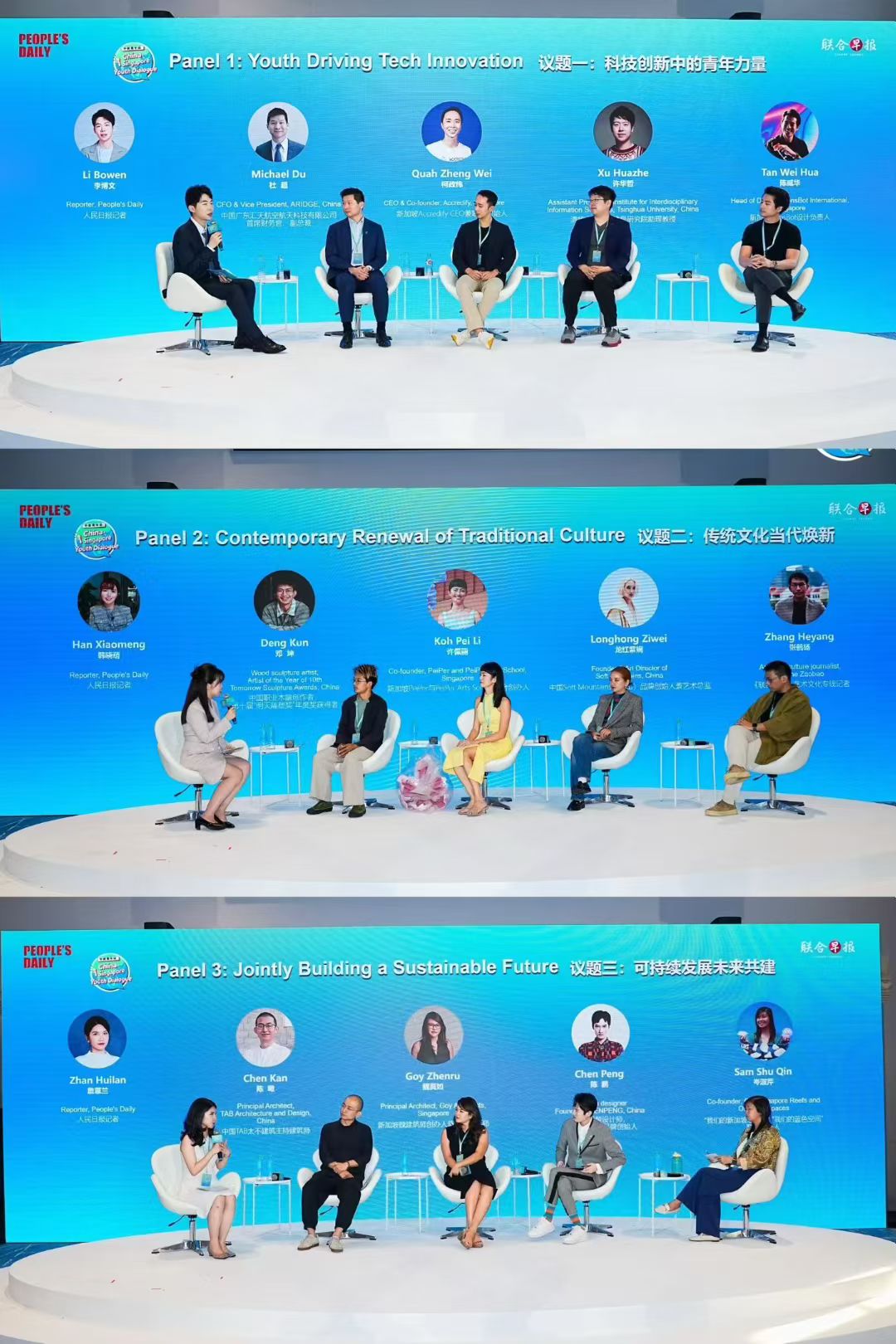
Co-organized by the People’s Daily and Lianhe Zaobao, the two-day event featured 12 young representatives who explored how their generation is shaping the future through innovation, cultural renewal and cross-border collaboration.
In the first panel, “Youth Driving Tech Innovation,” participants working in robotics, flying cars and data verification discussed both the opportunities and challenges of the AI era.
Tan Wei Hua, head of design at Singapore-based LionsBot International, addressed concerns over “AI anxiety” and its impact on jobs. “New jobs are going to be created. The next generation will be doing something entirely different,” he said, pointing to robotics as a growing field of opportunity.
Quah Zheng Wei, CEO and co-founder of Accredify, encouraged aspiring entrepreneurs to take the first step. With the tech industry evolving rapidly, he stressed that “nothing is holding you back.”
From an industry perspective, Michael Du, CFO and vice president of ARIDGE, said emerging technologies are expanding possibilities in everyday life. Meanwhile, Xu Huazhe, assistant professor at the Institute for Interdisciplinary Information Sciences at Tsinghua University, highlighted the strengths of younger generations: “With the correct taste, they will build the most meaningful things.”
The second panel, “Contemporary Renewal of Traditional Culture,” shifted focus from innovation to heritage. Artists and cultural practitioners in wood sculpture, paper art, jewelry design and journalism explored how tradition can be revitalized in modern contexts.

Wood sculpture artist Deng Kun emphasized the importance of cultivating an eye for beauty, while Lianhe Zaobao arts and culture journalist Zhang Heyang described traditional culture as “a place of spiritual haven for today’s youth.”
Designer Longhong Ziwei, founder and art director of the accessory brand Soft Mountains, said engaging with Yi heritage has inspired her work and resonated with international audiences.
Singaporean paper and mixed media artist Koh Pei Li, drawing inspiration from everyday urban life, highlighted the value of noticing overlooked details. Through her work, she hopes to reconnect people with the subtle beauty around them.
In the final panel, “Jointly Building a Sustainable Future,” speakers from architecture, fashion, and marine conservation offered interdisciplinary perspectives on sustainability.
Chen Kan, principal architect of TAB Architecture and Design, spoke about the philosophy of “being-with” as a guiding principle. “We need a deeper capacity to coexist with others,” he said.
Goy Zhenru, principal architect of Goy Architects in Singapore, emphasized designing in harmony with nature. She highlighted the importance of connecting living spaces with natural elements such as breeze and sunlight to create comfort and environmental awareness.
Sam Shu Qin, co-founder of Our Singapore Reefs and Our Blue Spaces, who describes herself as “a gardener underwater,” expressed hope that younger generations will recognize their ability to give back to the ocean.
For fashion designer Chen Peng, founder of brand CHENPENG, sustainability is both cultural and practical. “It should be culture-based and do no harm to the earth. It’s not a choice, but a natural extension of philosophy,” he said.
The dialogue marked a step forward in media cooperation and people-to-people exchanges between China and Singapore. By amplifying youth perspectives, it showcased the innovative energy and collaborative potential of both countries, while helping to build a long-term platform for bilateral engagement and shared progress.
The issuer is solely responsible for the content of this announcement.
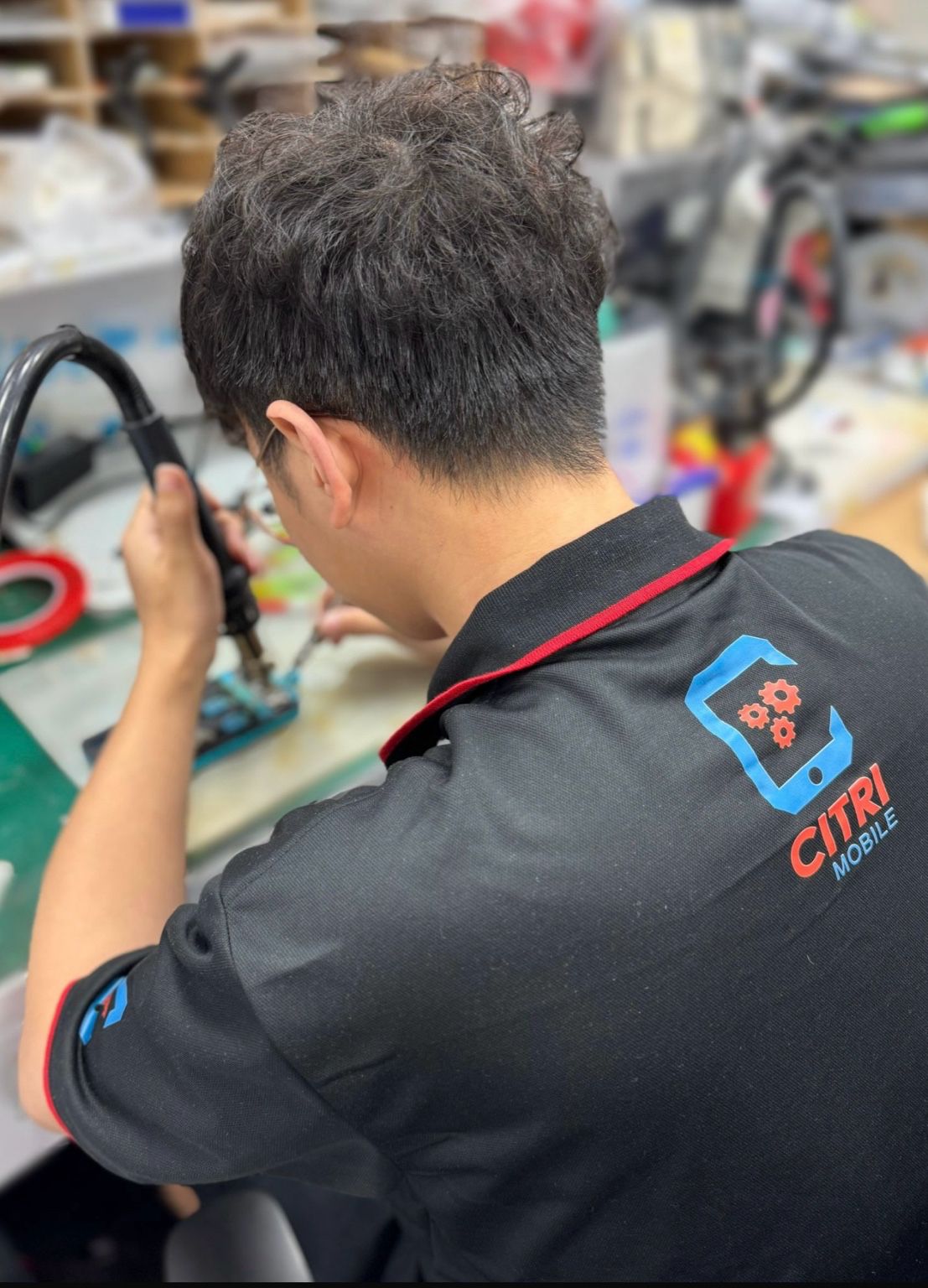
Expansion strengthens access to fast, reliable device repair services across Jurong, Yishun, Tampines and Chinatown as demand for urgent technical support rises
What often begins as a minor inconvenience can quickly escalate. A phone may take longer to charge, a screen may flicker briefly before stabilising, or a laptop may run hotter than usual during routine use. These early signs are often ignored until the device stops functioning at a critical moment.
Hashtag: #CitriMobile #SingaporeRepair #Jurong #Yishun
 https://citrimobile.com/
 https://x.com/CitriMobile
 https://www.facebook.com/CitriSG/
 https://www.instagram.com/citrimobilesghttps://www.carousell.sg/u/citrimobilesg/
The issuer is solely responsible for the content of this announcement.
C3 Smart Repair By Citri Mobile













-
 Feature/OPED6 years ago
Davos was Different this year
-
Travel/Tourism10 years ago
Lagos Seals Western Lodge Hotel In Ikorodu
-

 Showbiz3 years ago
Estranged Lover Releases Videos of Empress Njamah Bathing
-
 Banking8 years ago
Sort Codes of GTBank Branches in Nigeria
-

 Economy3 years ago
Subsidy Removal: CNG at N130 Per Litre Cheaper Than Petrol—IPMAN
-

 Banking3 years ago
Sort Codes of UBA Branches in Nigeria
-

 Banking3 years ago
First Bank Announces Planned Downtime
-

 Sports3 years ago
Highest Paid Nigerian Footballer – How Much Do Nigerian Footballers Earn