Media OutReach
NIA Eyes Green Tech Unicorns Within Three Years, Four Thai Startups Set to Showcase at ‘Web Summit Qatar 2025’ as Global Green Innovation Market Forecasts 25% Annual Growth Over the Next Decade
This move comes amid booming global demand for green technology. The environmental tech sector is expected to grow at an average rate of 25% annually over the next ten years, underscoring a unique opportunity for Thailand to cultivate and launch a new generation of climate/green tech startups—potentially propelling them to unicorn status.
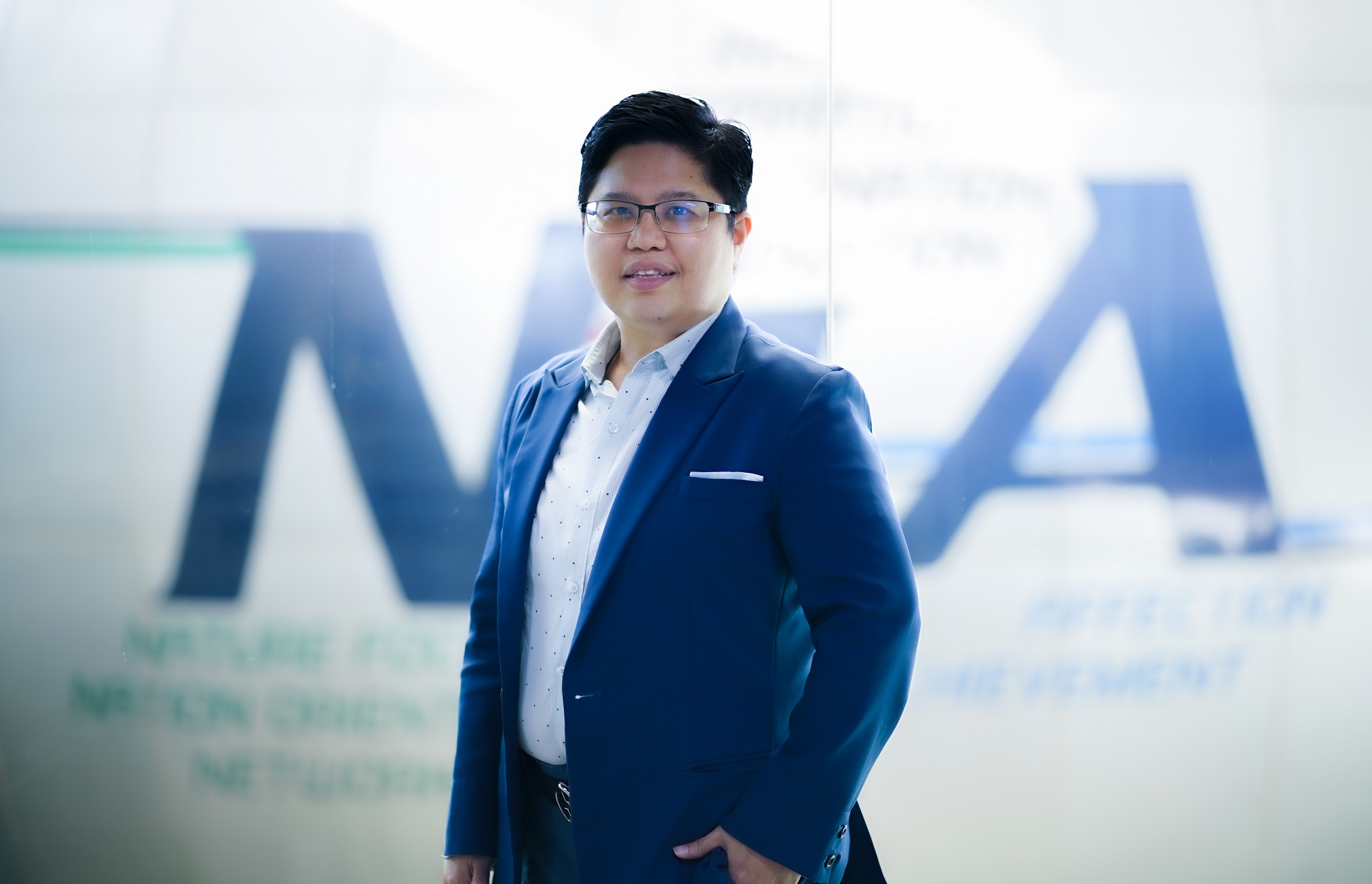
Dr. Krithpaka Boonfueng, Executive Director of the National Innovation Agency (NIA), noted that the global sustainability movement is gaining significant momentum. SMEs, startups, and industrial sectors worldwide are rapidly integrating technology to drive sustainable innovation. As a result, startups that develop solutions for environmental preservation and climate change mitigation are attracting increasing attention from both consumers and investors—domestically and abroad. The surging global appetite for these technologies reinforces their massive market potential, with projections suggesting a sustained average growth rate of 25% annually for the next decade.
Thai startups are well equipped with innovation capabilities comparable to their international counterparts. However, a lack of opportunities and readiness in structured business management has often hindered their full potential for expansion into global markets. As the nation’s designated Focal Conductor for innovation, the NIA is therefore committed to providing comprehensive support—including funding, opportunities, and knowledge development—to empower Thai startups to grow with greater strength and readiness for international expansion.
A particular focus is being placed on accelerating the development of startups in the fields of environmental technology and sustainability, with the ambition of nurturing more Thai unicorns—startups valued at over 1 billion US dollars—over the coming years. To achieve this, it is crucial to stimulate investment through collaborative efforts between the public sector, private enterprises, and academic institutions.
One key initiative towards this goal is the Unicorn Factory Thailand project, which aims to enhance the capabilities of promising startups and unlock new opportunities to propel them onto the global stage. The program will feature workshops targeted at startups in the Series A stage and beyond, covering vital areas such as building sustainable businesses, expanding investor and partner networks, strategies for international market entry, and gaining opportunities to pitch at leading global technology and innovation showcases.
Dr. Krithpaka further added that over the past year, the NIA successfully created new business opportunities and connected four growth-stage Thai startups, along with one winning student team from the Startup Thailand League 2024, to the global stage at TechCrunch Disrupt 2024—a leading global technology and startup conference and exhibition. During the event, the delegation also engaged in discussions with partner organizations supporting startup development in the United States. These engagements provided valuable exposure for Thai startups, enabling them to explore market expansion strategies and gain access to networks of investors, experts, and global business partners.
In 2025, the NIA remains committed to driving Thai startups towards international markets by continually building new business opportunities. This year, four promising Thai startups in the fields of Climate Tech and Green Tech have been selected for further internationalization efforts. These are:
1. Altotech.AI – developers of intelligent energy management systems;
2. ION ENERGY CORPORATION – a leading provider of residential solar energy solutions in Thailand, offering integrated energy management and payment platforms for PPA/EPC clients;
3. VEKIN (Thailand) – creators of the AI Carbon Editor tool, designed to analyze and manage carbon emissions for corporate and industrial sectors; and
4. MUI Robotics – developers of intelligent robotics and automation systems for applications in industries such as manufacturing, logistics, healthcare, and agriculture.
These four startups are showcasing their innovations, presenting business plans, and engaging directly with investors and international markets at Web Summit Qatar 2025, held in Doha, Qatar. As the Middle East’s largest technology and startup conference, the event brings together startups, investors, major corporations, public and private sector organizations, and technology leaders from across industries to exchange knowledge, foster collaboration, and strengthen the international startup ecosystem.
The summit expects more than 25,000 attendees, featuring 1,520 startup companies, 723 investors, and 167 partners from around the world. Notably, the Thai startups’ booths attracted strong interest from investors and businesses across multiple countries, resulting in numerous business discussions and information exchanges.
“The NIA aims to produce one to two new homegrown unicorns within the next three years, focusing on startups in the FoodTech and GreenTech sectors,” stated Dr Krithpaka. “These sectors have considerable market demand, particularly GreenTech, which is proving especially promising. Organizations of all sizes—from large corporations to SMEs—are actively seeking solutions to environmental challenges, spurred in part by the growing pressure of carbon taxes imposed on fossil fuel emissions. This has created significant demand for environmental innovations, providing fertile ground for the emergence of high-growth startups in this space.
Investment in environmental and sustainability-focused technologies continues to rise, both in Thailand and abroad. Thailand, in particular, offers a unique combination of factors that position its startups for global expansion: abundant space and resources, as well as real-world environmental challenges that make it an ideal sandbox environment for piloting environmental technologies. These technologies can be trialed across industries under the country’s Green Transformation framework—whether through the adoption of renewable energy, boosting energy efficiency, reducing greenhouse gas emissions, or mitigating pollution.
There is capital available—both from end-users and from investors—and there is strong momentum in the ecosystem. All of this makes Thailand a viable launchpad for unicorns.”
Mr Phattananat Wongwan, Chief Growth Officer (CGO) of MUI Robotics Co Ltd, stated that MUI Robotics’ technologies are already being widely adopted within Thai industries, thanks to their ability to address environmental concerns within industrial production processes. With the support of the NIA, MUI Robotics has been able to accelerate its growth and extend its reach into international markets. In particular, the opportunity to meet with investors and showcase their solutions at Web Summit Qatar 2025 has significantly raised the profile of Thai innovation and helped gain recognition from overseas investors.
“Our technologies go beyond solving local environmental challenges—they’re applicable to industrial problems on a global scale,” said Mr Phattananat. He emphasized that government support is key to enabling more startups to emerge and thrive. “If the government continues to champion and invest in the startup ecosystem, especially in the Climate Tech and Green Tech sectors, Thai startups will be well positioned for sustainable growth on the world stage.”
Mr Pamekitti Puktalae, Technical Product at AltoTech Global Co Ltd, remarked that many industries today are striving to position themselves as leaders in sustainability. This demand creates opportunities for startups developing environmental solutions—whether by creating carbon-neutral spaces or providing ESG-supporting tools—to step in and add real value.
He continued, “NIA’s support in enabling AltoTech, which integrates AI and IoT to address sustainability challenges, to showcase our capabilities at Web Summit Qatar 2025 has opened a crucial gateway for Thai startups to enter the global stage. A market like Qatar, which prioritizes sustainability and smart infrastructure, is an ideal fit. Participating in this event has not only allowed us to engage with global stakeholders and gain insights into international market demands, but also helped us fine-tune our solutions to align with diverse expectations and accelerate our global expansion.”
“Additionally,” he added, “this opportunity has significantly boosted the credibility of Thai entrepreneurs, which in turn has increased our visibility and appeal to both domestic and international investors.”
Hashtag: #NIA
The issuer is solely responsible for the content of this announcement.
Media OutReach
SIM Global Education Students Connect with Industry Mentors Through Campus Life
At SIM Global Education (SIM GE), campus life is designed to complement academic learning by helping students develop networks, soft skills, career awareness and a stronger sense of community. SIM GE’s holistic learning approach and culturally diverse environment aim to equip students with an all-rounded global education, while student life, career development and networking activities help students build competencies needed to thrive in the real world.
This is increasingly important in higher education. UNESCO’s International Institute for Higher Education notes that student wellbeing is critical to academic success and personal development, and that inadequate support can affect learning outcomes, career readiness and students’ ability to contribute meaningfully to society.
Addressing student concerns beyond the classroom
Students exploring higher education often face several practical concerns. They may wonder whether they will make friends, whether they will be supported if they struggle, whether they will have opportunities to develop leadership skills, and whether they can access career guidance before entering the workforce.
SIM GE addresses these concerns through a campus ecosystem that combines student clubs, leadership development, peer support, wellbeing programmes and career services. Through Project 1095, SIM GE highlights that education extends beyond books, exams and qualifications, encompassing knowledge, skills and activities both inside and outside the classroom. This approach supports students who want a fuller higher education experience to grow personally, socially and professionally.
Building networks through clubs and co-curricular activities
Student clubs and co-curricular activities are among the first ways SIM GE students build connections on campus. SIM offers nearly 80 student clubs across areas such as arts and culture, international student clubs, student councils, special interest groups, sports and fitness. These activities allow students to broaden their interests, discover new talents and interact with peers beyond their academic programmes.
For students, these communities can make networking feel more natural. Instead of viewing networking only as a formal career activity, students can begin by working with peers on events, competitions, club projects and leadership initiatives. These experiences help students develop communication, teamwork, confidence and relationship-building skills that are valuable in both campus life and the workplace.
Developing leadership and workplace-ready skills
Leadership opportunities are another important part of the SIM GE student experience. Project 1095 states that SIM aims to prepare every student to be a leader, with opportunities ranging from leadership positions in clubs, to workshops that help students take charge of their learning journey.
These experiences are relevant to students who want to strengthen their employability before graduation. By organising activities, leading teams, managing projects and engaging with different student groups, students can develop confidence and practical skills that support their future careers. Such skills are increasingly valued by employers. The World Economic Forum’s Future of Jobs 2025 report identifies skills such as analytical thinking, resilience, flexibility, agility, leadership and social influence as important for the future workforce.
Connecting students with career guidance and industry networks
For students seeking more direct career support, SIM Career Connect helps students develop a competitive edge, build industry networks and professional connections, and align their career aspirations with real-world opportunities. This is a key part of helping students transition from academic learning to career readiness. Through career guidance, networking opportunities and employer engagement, students can better understand industry expectations and explore potential career pathways.
SIM’s Employer Engagement team also works with industry partners to connect employers with SIM GE students, supporting employers in finding the right fit from its pool of talent, and provides. For students, this access to industry networks can help reduce uncertainty about life after graduation. It also gives them opportunities to gain exposure to professional environments, employer expectations and potential career directions while still studying.
The role of mentoring in student career development
Mentoring and professional guidance are important because students often need perspective as much as information. Research on employability-oriented higher education programmes has highlighted that higher education has increasingly focused on developing students’ employability competences through mentoring programmes.
Within SIM GE’s broader campus life and career ecosystem, students can connect with peers, student leaders, career advisors, employers and industry opportunities. These touchpoints help students build confidence, ask the right questions, learn from others’ experiences and make more informed decisions about their future.
Helping students make a more confident higher education choice
As students consider their higher education options, many are looking for more than a classroom experience. They want to know whether they will be supported, whether they can build friendships, whether they will have access to career resources, and whether they can connect with people who can help them understand the world of work. At SIM Global Education, student life plays an important role in addressing these concerns. Through clubs, co-curricular activities, student leadership, peer support, wellbeing services, career guidance and employer engagement, SIM GE provides students with opportunities to build meaningful connections and develop future-ready skills.
For students choosing their next step in higher education, these experiences can make a significant difference. They help you move from uncertainty to confidence, from participation to leadership, and from academic learning to stronger career readiness.
Reference
- SIM Global Education – https://www.sim.edu.sg/degrees-diplomas/sim-global-education/university-partners-sim-ge/sim-ge
- New insights on countries’ objectives to support student well-being in higher education – https://www.iesalc.unesco.org/en/articles/new-insights-countries-objectives-support-student-well-being-higher-education
- Project1095 – https://project1095.simge.edu.sg/
- Future of Job Report – https://www.weforum.org/publications/the-future-of-jobs-report-2025/
- SIM Career Service – https://www.sim.edu.sg/degrees-diplomas/life-at-sim/career-services
- Measuring mentoring in employability-oriented higher education programs: scale development and validation – https://pmc.ncbi.nlm.nih.gov/articles/PMC10170025/
- Wellness and Counselling – https://www.sim.edu.sg/degrees-diplomas/life-at-sim/student-care
Hashtag: #SIMGlobalEducation #SIMGE #GlobalEducation #InternationalDegree #CareerReady #FutureSkills
The issuer is solely responsible for the content of this announcement.
About SIM Global Education
SIM Global Education (SIM GE) is a leading private education institution in Singapore and the region. We offer more than 140 academic programmes ranging from diplomas and graduate diploma programmes to bachelor’s and master’s degree programmes with some of the world’s most reputable universities from Australia, Canada, Europe, United Kingdom, and the United States. SIM GE’s cohort is made up of 17,000 full- and part-time students and adult learners, of which approximately 41% are international students hailing from over 50 countries.
SIM GE’s holistic learning approach and culturally diverse learning environment aim to equip students with knowledge, industry skills and employability competencies, as well as a global perspective to succeed as future leaders in a fast-changing, technologically driven world.
For more information on SIM Global Education, visit www.sim.edu.sg
Media OutReach
Thailand’s “trust capital” a potential strategic advantage amid global realignment: NUS Business School Dean
Speaking to the media during a visit to Bangkok, Professor Rose said economies with deep international trust and stable regional relationships are increasingly well positioned as businesses rethink where they invest, manufacture and expand.
“In a world where global alignments are shifting and supply chains are being redrawn, trust becomes a strategic asset,” said Professor Rose. “Thailand has spent decades building strong relationships across Asia and beyond. That foundation becomes more valuable in periods of uncertainty.”
A pivotal moment for Thailand
Thailand’s current environment is demanding, and the International Monetary Fund’s World Economic Outlook (April 2026) projects growth of 1.5 per cent in 2026.
Professor Rose noted that rising energy costs, softer long-haul tourism demand and rapid AI adoption are creating near-term pressure across key sectors of the Thai economy. However, he said periods of disruption often create the conditions for long-term competitive repositioning.
“The economies that emerge stronger are usually the ones that adapt earliest,” as Professor Rose. “Leadership capability, agility and the ability to navigate change will determine who captures the next decade of growth.”
The comments come as businesses across Southeast Asia accelerate investment in AI, digital transformation and workforce reskilling amid growing global economic fragmentation.
A 2026 Milieu Insight study of 3,000 workers across six Southeast Asian markets including Thailand found that 53 per cent ranked over-dependence on AI as their top concern, ahead of privacy risks and job displacement. This suggests that organisations in Thailand and across the region must do more to guide, not just deploy, new technology.
Building regional leadership capability
Addressing these challenges requires more than a policy response alone. Professor Rose emphasised that both multinationals and SMEs must build their adaptation strategies around talent and leadership development to power Thailand’s growth engine.
Ms Usa Skulkerewathana, Senior Lecturer at NUS Business School, said Thai organisations should consider focusing on strengthening talent development and practical AI readiness rather than treating technology as a standalone solution.
“This is not a wait-and-see moment,” said Ms Skulkerewathana. “Thai businesses that invest early in leadership, digital capability and workforce resilience will be better positioned to compete regionally and internationally.”
Singapore’s role as Asia’s financial and educational hub offers Thai professionals and organisations a natural gateway to build regional leadership capability. Thai professionals and executives have, for decades, benefitted from NUS Business School’s MBA, MSc and executive education programmes, including the Stanford–NUS Executive Programme and other senior leadership initiatives developed with global academic and industry partners. Thai enrolment has remained steady over the past five years as professionals seek regional exposure and globally benchmarked leadership training.
Thailand’s “trust capital” is intact, and its position within a reorganising ASEAN is reinforced by the changes underway. The Thai institutions and business leaders that treat “trust capital” as a competitive asset, and build the leadership depth to deploy it, will define the country’s next chapter of growth.
Hashtag: #NUSBusinessSchool
https://bschool.nus.edu.sg/
https://www.linkedin.com/school/nus-business-school/
https://x.com/NUSBizSchool
https://www.facebook.com/NUSBusinessSchool/
https://www.instagram.com/nusbizschool/?hl=en
The issuer is solely responsible for the content of this announcement.

About NUS Business School
With 50,000 alumni and 60 global chapters, the National University of Singapore (NUS) Business School is known for providing management thought leadership from an Asian perspective, enabling its students and corporate partners to leverage global knowledge and Asian insights.
The school has consistently ranked first in Asia by independent publications and agencies, such as The Financial Times and Quacquarelli Symonds, in recognition of the quality of its programmes, faculty research and graduates.
The school is accredited by AACSB International (Association to Advance Collegiate Schools of Business) and EQUIS (European Quality Improvement System), endorsements that the school has met the highest standards for business education.
For more information about NUS Business School, please visit
bschool.nus.edu.sg.
To discover our MBA, MSc or Executive Education courses, visit
https://mscbiz.nus.edu.sg/,
https://mba.nus.edu.sg/ or
https://executive-education.nus.edu.sg/
Media OutReach
Dayos Releases Athena: Agentic Replacement for Oracle and Workday AMS Contracts, Now Generally Available
Hero performs full end-to-end report development, Application configuration, and token management, closing tickets at no marginal cost on top of the platform fee while customers keep their existing systems, controls, and access model.
SINGAPORE –
The release addresses four structural problems with the AMS model that enterprises running Oracle and Workday have lived with for two decades.
Time to deploy. Traditional AMS engagements take months to scope, onboard, and ramp to full coverage. Athena Starter deploys in two weeks – from contract execution to production agents running inside the customer’s Oracle or Workday tenant.
Quality of work. Hero’s agents reason through tickets in the customer’s actual tenant – exploring, planning, and validating before posting. Report development tickets, historically the worst offenders on enterprise SLA reports, complete 70% faster on Hero. Plain English in, validated SQL out, executed inside the tenant.
Long-term support drag. Hero reduces Oracle ticket backlogs by 50% in the first 30 days for Starter customers, with a sustained 60% reduction in the active ticket queue by the end of year one for Pro customers. SLAs across customer engagements run 50% faster. Every ticket Hero closes is a ticket the customer’s AMS provider does not bill for.
Proof. Dayos used Hero internally to retire its own ServiceNow ITSM environment in 45 days, with 60% of Tier 1 tickets now resolved autonomously. The deployment is documented as a reference case in Section 2.1 of the IMDA Model AI Governance Framework for Agentic AI, published by Singapore’s Infocomm Media Development Authority at ATxSG in May 2026, alongside case studies from AWS, DBS, Google, Workday, OCBC, Tencent, PwC, and GovTech.
“AMS providers bill per ticket or per hour. Hero closes tickets at no marginal cost on top of the platform fee. Every ticket Hero closes is one your AMS provider doesn’t bill for,” said Brad McElhannon, Founder and CEO of Dayos.
AVAILABLE NOW AND AHEAD
Athena Starter is available at USD 60,000 per year, delivering 50% Oracle ticket backlog reduction in 30 days, 70% faster report development, and 50% faster SLAs. Athena Pro is available at USD 150,000 per year, adding custom agent development and a contractually committed 60% sustained reduction in the active ticket queue by the end of year one. Plan details and outcome breakdowns by tier are at dayos.com/plans (https://www.dayos.com/plans).
The Athena Hero release ships with full support for Oracle and Workday. SAP availability is targeted for January 2027.
Hero is built on Google’s Agent Development Kit (ADK) with Gemini as the lead reasoning model, and operates under ISO 42001-aligned governance with SOC 2 Type II controls. Athena enters general availability, with active enterprise deployments across the Asia-Pacific region.
Hashtag: #AgenticAI #Oracle #Workday #SAP #EnterpriseAI #AMS
https://www.dayos.com
https://www.linkedin.com/company/dayos/
https://www.youtube.com/watch?v=GnCEgiDBw1g
The issuer is solely responsible for the content of this announcement.

About Dayos
Dayos is an AI-native platform company headquartered in Singapore. Its platform, Hero, automates the Oracle and Workday application-managed services work that enterprises have historically outsourced, including configuration, report development, reconciliations, transaction entry, monitoring, and incident resolution. Rather than replacing a customer’s systems, Hero works inside their existing Oracle and Workday environments and respects their established controls and role-based access model.
Dayos is ISO 42001 and SOC 2 Type 2 certified and was published as a reference deployment in the IMDA Model AI Governance Framework for Agentic AI. The company was founded by Brad McElhannon, who spent more than 20 years in enterprise Oracle implementation across 200+ clients and led Finance Engineering at Robinhood through its IPO. Learn more at www.dayos.com.
-
Feature/OPED6 years agoDavos was Different this year
-
Travel/Tourism10 years ago
Lagos Seals Western Lodge Hotel In Ikorodu
-
Showbiz3 years agoEstranged Lover Releases Videos of Empress Njamah Bathing
-
Banking8 years agoSort Codes of GTBank Branches in Nigeria
-
Economy3 years agoSubsidy Removal: CNG at N130 Per Litre Cheaper Than Petrol—IPMAN
-
Banking3 years agoSort Codes of UBA Branches in Nigeria
-
Banking3 years agoFirst Bank Announces Planned Downtime
-
Sports3 years agoHighest Paid Nigerian Footballer – How Much Do Nigerian Footballers Earn