
Media OutReach
Temus Accelerates Growth with Strategic Partnerships and Executive Appointments to Power Singapore’s Smart Nation in the AI Era


“As Singapore advances toward Smart Nation 2.0, Temus is proud be partners on this journey, by bringing together public scale, private innovation, strategic partners, and talent to we deliver human-centric AI and digital transformation for lasting societal and economic impact” said Ng Lai Yee, Chief Executive Officer, Temus.
Lai Yee adds, “Temus is entering its next phase of growth with our clients to harness the full potential of Singapore’s AI era – and this is only the beginning.”
Resaro partnership to build and deploy trustworthy AI at scale
Temus and Resaro, both signatories of Singapore’s AI Verify Foundation, have signalled their intent in supporting the responsible adoption of trusted, enterprise-grade AI.
AI adoption is projected to deliver up to S$198.3 billion in economic benefits by 2030 in Singapore, but scaling from pilots to enterprise-grade systems will require stronger guardrails – ranging from MAS’ FEAT principles to the adoption of AI Verify as a national framework.
In this partnership, Temus will continue to deliver its strategic advisory capabilities in designing AI governance frameworks and orchestrating AI for business outcomes, while Resaro will serve as an independent, third-party AI assurance provider in evaluating AI solutions. Resaro’s platform automates and scales the evaluation of AI solutions against AI quality indicators that bridge business, governance and technical considerations, embedding assurance into the development lifecycle.
Sutowo Wong, Managing Director, AI & Data, Temus, said: “This isn’t about auditing AI after the fact; it’s about building trust into the very fabric of the AI development lifecycle. Our partnership with Resaro operationalises governance, providing a clear, automated path for our clients to move from pilot projects to production-ready systems with confidence. We are providing the essential toolkit for Singapore’s next wave of AI-powered transformation.”
April Chin, Co-CEO, Resaro, added: “Singapore is leading the world in responsible AI development, through initiatives such as AI Verify. As a premier member of the AI Verify Foundation and an independent AI assurance provider, our role is to ensure that AI solutions meet the highest standards of performance, safety, and security. This partnership with Temus bridges technical testing and evaluation with governance requirements and business adoption of AI.”
Peak3 partnership to accelerate AI-driven insurance innovation

Temus and Peak3 announced a commitment to work together in positioning the insurance sector as a potential growth frontier for AI acceleration. Peak3’s cloud-native platform currently supports over 2 billion policies and serves 50+ insurance partners globally, including leading names such as AIA, Prudential, Zurich and Income Insurance. Its core capabilities span policy administration, claims processing, and distribution enablement, providing a resilient backbone for insurers across multiple markets. With AI layered onto this foundation, the potential multiplier effect is significant.
Insurance is increasingly seen as a sector where digital adoption has lagged customer expectations, creating inefficiencies in operations and gaps in product relevance. Analysts predict that the global generative AI in insurance market is projected to grow from about S$1.03 billion in 2022 to S$19.4 billion by 2032, at a compound annual growth rate of 34.4%, reflecting the scale of opportunity for digital transformation. In Singapore, the integration of Smart Nation services and public sector datasets could further accelerate this shift through embedded insurance models – making protection more seamless, personalised, and relevant to citizens and businesses. Through today’s memorandum of intent, Temus and Peak3 aim to help the industry capture this potential.
Samuel Chong said: “Temus’ partnership with Peak3, aims to empower more Singapore-based insurers to move beyond experimentation into enterprise-grade AI. By building on Peak3’s proven platform, we can apply AI to sharpen efficiency, unlock new business models, and deliver more tailored customer experiences. Insurance is a sector ripe for this next stage of growth.”
Bill Song, Chief Executive Officer, Peak3, added: “With billions of policies managed on our platform and partnerships with leading insurers worldwide, Peak3 is uniquely positioned to lead the next wave of AI-powered insurance transformation. Through our partnership with Temus, we will combine proven capabilities and advanced AI to enable more insurers to realize the full potential of embedding secure, context-aware protection into everyday life at scale, while unlocking new value across the insurance ecosystem.”
Temus deepens collaboration with IMDA TeSA and AI Verify Foundation

Temus has committed to expanding its relationship with IMDA to grow Singapore’s AI workforce, and the AI Verify Foundation (AIVF) in building trustworthy AI.
This expanded commitment reflects Temus’ deepening partnership with IMDA and reinforces its pivotal role in shaping Singapore’s AI landscape and digital transformation. The collaboration complements Temus’ existing partnership under the TechSkills Accelerator (TeSA) initiative, further cementing its contribution to Singapore’s digital future.
Kiren Kumar, Deputy Chief Executive, IMDA, said: “We are pleased to expand our collaboration with local industry leaders like Temus through TeSA and AIVF. These partnerships are critical in developing tech talent and accelerating the deployment of trusted AI solutions that businesses and consumers can use with confidence.”
Temus expands its leadership team and commits to nurturing homegrown AI talent
Temus has announced its commitment to growing its digital and AI workforce through a comprehensive approach to capability development, both within the firm and across Singapore’s broader talent pipeline.
Central to this effort is the newly launched “T-Shape Community”, an in-house program designed to build AI fluency across all roles – technical and non-technical alike – by equipping employees with generative AI tools and practical know-how.
Concurrently, Temus continues to build on the strong momentum of its Step IT Up programme, an accelerated “hire, place, and train” career conversion initiative. Since its launch in 2022, Step IT Up has enabled close to 80 individuals from non-IT backgrounds to secure full-time technology roles at Temus, underscoring the company’s commitment to growing the Singapore core.
“Singapore’s Smart Nation 2.0 ambitions will only be realised when AI fluency becomes second nature across our workforce,” said Wu Chun Wei, Managing Director and Head of Cloud, Application & Platform, Temus. “We’re developing T-shaped professionals who combine deep AI expertise with cross-functional skills. This breadth and depth is crucial as AI transformation requires talent who understand both the technology and business context. That’s how we’ll truly partner clients to deliver on vision to value.”
In addition, Temus announced new leadership appointments to strengthen its growth in the AI era. Refer to Annex A for full executive bios.
Sutowo Wong has joined Temus as Managing Director, AI & Data, bringing extensive experience from his previous role as Director of the Health Analytics Division at Singapore’s Ministry of Health (MOH). With more than 20 years in consulting and public service, Sutowo combines strategic vision, technical expertise, and implementation excellence to help organisations harness data and AI responsibly.
Vincent Tay has joined Temus as Managing Director and Head of Public Sector, with nearly three decades of experience in IT consulting and digital transformation across government and healthcare. Formerly a Partner at EY leading its Government and Public Sector practice, he has spearheaded regulatory reforms, citizen-facing platforms, and strategic studies that strengthened Singapore’s digital governance.
Samuel Chong was appointed Managing Director, Insurance, bringing to the firm more than 20 years of leadership experience spanning insurance, fintech, healthtech, and digital transformation across Asia Pacific region. Previously Vice President at eBaoTech International, he drove business strategy, market expansion, and digital insurance adoption across the region. Samuel has also held senior roles at Fullerton Health, Dell EMC, Cisco, Capgemini, and Accenture.
Carl Ward has joined Temus as Advisor, Technology & Innovation. He brings extensive global expertise and regional leadership, following his role as Director for Public Sector across Asia Pacific and Japan at Amazon Web Services (AWS).
Hashtag: #Temus #Business #Transformation #Technology #Insurance
 https://temus.com/
 https://www.linkedin.com/company/74075664/
The issuer is solely responsible for the content of this announcement.
Temus
Temus was established by Temasek to provide digital transformation solutions for the private and public sectors as we aspire to be a strategic partner in realising the Singapore Government’s Smart Nation vision. We are headquartered in Singapore and have ~500 employees across a wide range of disciplines in strategy, design, architecture, technology, AI & data. For more information, please visit www.temus.com.



Media OutReach
ICONSIAM’s ‘THAICONIC SONGKRAN CELEBRATION 2026’ to Immerse Bangkok with Thailand’s Most Spectacular Water Festival

A UNESCO-Recognized Festival Reimagined Through Immersive Cultural Experiences, Iconic Entertainment, and Thailand’s Most Breathtaking Chao Phraya Riverfront Setting from April 10–15, 2026
BANGKOK, THAILAND –
A Global Celebration Driving Thailand’s Festival Economy
Mr. Supoj Chaiwatsirikul, Managing Director of ICONSIAM Co., Ltd., stated, “Songkran remains one of the most significant drivers of Thailand’s festival economy, particularly across the tourism, retail, and hospitality sectors. According to the Tourism Authority of Thailand, this year’s Songkran period is projected to generate over 30.35 billion baht in domestic economic circulation—an increase of 6% from the previous year, with approximately 500,000 international visitors expected to travel to Thailand, reflecting a 4% year-on-year growth. These figures underscore Songkran’s growing status as a truly global festival and one of Thailand’s most powerful attractions for international travelers.
As a leader in creating iconic, world-class experiences, ICONSIAM continues to elevate ‘ICONSIAM THAICONIC SONGKRAN 2026′ as a landmark celebration that showcases the rare and enduring beauty of Thai cultural traditions. Under the concept of ‘Splashing Fun, Joyful Celebrations, and Auspicious Thai New Year,’ the event brings together the very best of Thailand into one extraordinary riverside experience along the Chao Phraya River. More than a celebration, this festival is a powerful expression of national pride and cultural identity, reinforcing ICONSIAM’s position as a Global Experiential Destination. We are confident that this year’s event will further strengthen Bangkok’s reputation as one of the world’s most compelling cultural destinations, while driving tourism growth and stimulating economic momentum throughout the second quarter of the year.”
Highlights of the “4 THAICONIC Experiences – The Ultimate Songkran Journey”
- THAICONIC WATER FESTIVAL – The Ultimate Riverside Water
ExperienceExperience Songkran like never before with an extraordinary water playground inspired by Thailand’s beloved national symbol, the elephant. At its heart stands a spectacular 9-meter-tall water-spraying installation created in collaboration with Dee SweetDrug Studio. The vibrant space also features a dedicated Kids Zone for family-friendly fun, alongside solar-powered drying zones —reflecting ICONSIAM’s commitment to sustainability.
- THAICONIC ENTERTAINMENT – A Festival of Modern Icons
Immerse in an electrifying lineup of Thailand’s top artists and rising stars through dynamic mini concerts and live performances throughout the six-day celebration. Artists include Tle–Firstone, TeeTee–Por, Auau-Save, Daou–Offroad, KT Kratae, New Country, Sornram Namphet, and more.
- THAICONIC HERITAGE – A Living Showcase of Thai Identity
Witness a magnificent Songkran parade that brings Thailand’s cultural legacy to life through elaborately designed floats inspired by historical eras. For the first time, cultural icons LingOrm, a popular Thai actress duo, and 4EVE, Thailand’s leading T-pop girl group, embody the Songkran Goddess “Rakshasadevi,” reinterpreting Thai tradition through a contemporary global lens. Visitors can further explore authentic Thai culture through traditional performances and regional culinary delights at SOOKSIAM, alongside over 170 dining options across ICONSIAM.
- THAICONIC BLESSED BEGINNINGS – A Sacred Start to the Thai New Year
Embrace the spiritual essence of Songkran through a revered Buddha bathing ritual at River Park. Enhanced with holy water from nine esteemed temples across Thailand, this sacred ceremony symbolizes prosperity, renewal, and auspicious beginnings for the year ahead.
A Must-Visit Songkran Destination in Bangkok
Seamlessly blending cultural authenticity, rich traditions, and large-scale entertainment, ICONSIAM continues to redefine Songkran as a truly global celebration.
Join us at “ICONSIAM THAICONIC SONGKRAN CELEBRATION 2026,” where Thailand’s most cherished tradition is brought to life in an unforgettable riverside experience of water, culture, and joy—set against the iconic Chao Phraya River from April 10–15, 2026, with free entry for all visitors. As part of the celebration, international visitors dressed in traditional Thai attire will receive a 300-baht gift card, adding a special touch to their cultural experience.
For more information, please call 1338 or visit Facebook: ICONSIAM.
Hashtag: #ICONSIAMSongkran #ICONSIAM #SongkranFestival2026 #GlobalFestival #Thailand
The issuer is solely responsible for the content of this announcement.

Media OutReach
Money20/20 Asia Elevates Its 2026 Agenda with the Launch of The Intersection Stage, Featuring the Industry’s Most Influential Voices
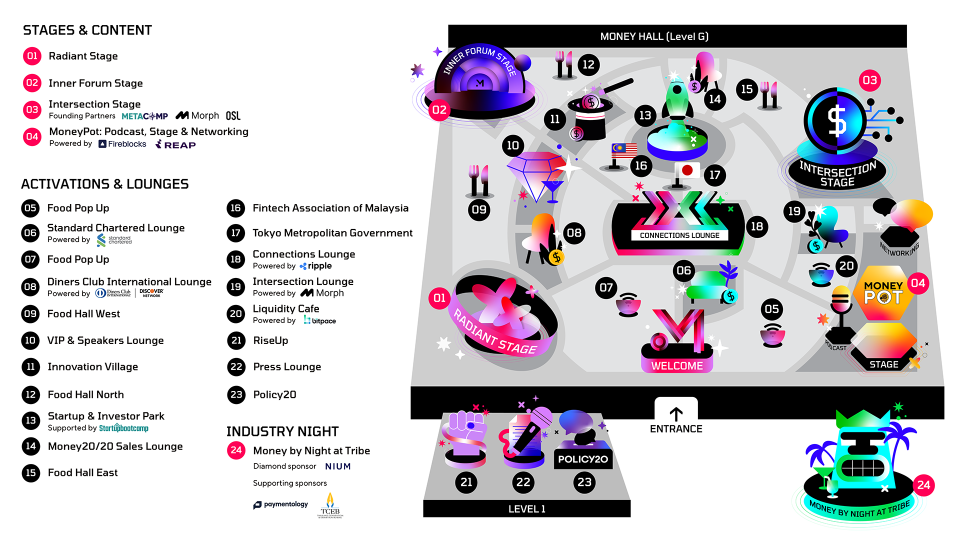
Industry Leaders, Regulators, and Innovators to Convene in Bangkok at the Intersection Where Digital Assets and Traditional Banking Enter a New Era of Collaboration
BANGKOK, THAILAND – Media OutReach Newswire – 3 April 2026 – the world’s leading fintech show and the place where money does business, today announced the introduction of The Intersection Stage at Money20/20 Asia happening on April 21-23 at the Queen Sirikit National Convention Center in Bangkok bringing together the region’s most powerful voices across banking, payments, digital assets, and financial innovation.
This year’s theme, “From Infrastructure to Impact – Where Technology Meets Humanity,” underscores how the Intersection Stage will explore the real-world outcomes of Traditional Finance and Decentralized Finance convergence across APAC, addressing how banks, fintechs, and emerging technologies are reshaping the global financial ecosystem. The stage brings together leaders from major financial institutions and well-known fintech companies to discuss how innovation, regulation, and new financial infrastructure are transforming areas such as digital assets, trust and cybersecurity, and cross-border payments. [1]
Siva Kumar, APAC Legal Director, Sumsub, said, “The convergence of TradFi and DeFi can only succeed if trust, identity, and compliance evolve alongside technology. Asia is leading this shift by adopting regulatory models that enable innovation without compromising security. At Sumsub, we’re witnessing institutions accelerate digital identity and verification standards at unprecedented speed. The Intersection Stage brings these critical stakeholders together to turn regulatory progress into real‑world impact.”
Speakers include Siddharth Gupta of Bank of America, Dhiraj Bajaj of Standard Chartered Bank, Fangfang Jiang of the International Finance Corporation, Ran Goldi, SVP Payments & Network, Fireblocks and Kaushik Sthankiya of Kraken, who will share insights on regulatory innovation, digital asset adoption, developments in stablecoin, tokenization, blockchain‑enabled settlement, and how new payment rails are enabling faster and more efficient cross-border transactions.
For decades, Traditional Finance aimed to protect the system while Decentralized Finance wanted to reinvent it. Today, these two worlds are converging where digital money moves faster than ever, said Danny Levy, EVP & Managing Director for APAC & the Middle East at Money20/20. The Intersection Stage brings together the regulators and innovators driving the frameworks that will guide the next decade of global finance.”
The broader 2026 program also features keynote speakers such as Joseph Chan, Under Secretary for Financial Services and the Treasury of the Government of Hong Kong SAR; Shahril Azuar Jimin, Group Chief Sustainability Officer at Maybank; and Sunita Kannan, Global Head of AI Product & Strategy at Microsoft, underscoring the calibre of leadership shaping the future of finance across the region.
From Asia’s pioneering regulatory sandboxes and CBDC initiatives to the Genius Act in the US to MiCA in Europe. Regulated institutions like AMINA Bank are at the forefront of this transformation, particularly in navigating the evolving regulatory landscape across key markets.
Cora Ang, Head of Legal & Compliance APAC, AMINA Bank said, “Asia is demonstrating what responsible innovation truly looks like. As digital assets, tokenization, and new payment rails gain momentum, strong legal and compliance frameworks are essential to scaling them safely. At AMINA Bank, we see the region embracing this balance with clarity and ambition. The Intersection Stage at Money20/20 Asia is the perfect forum to advance these conversations and align the industry on what the next generation of financial infrastructure should be.”
Key Sessions on The Intersection Stage
- Day 1: Tuesday 21 April, at 15:40 – Banking on Digital Transformation 101
By Barbaros Uygun, Chief Executive Officer, Mox Bank Limited, Jessica Lam, Group Chief Strategy Officer, WeLab, Vivien Tan, Senior Vice President, Alliance Bank Malaysia, Andy Wu, General Manager, Hong Kong, Yusys Technologies, Rupa Ramamurthy, Senior EVP, Banking Operations, TP
- Day 1: Tuesday, 21 April 2026 at 12:00 – Building the Golden Record for Tokenised Asset Markets
By Etelka Bogardi, Partner, Reed Smith Singapore, Aaron Gwak, CEO & Founder, Libeara, Alvin Chia, Head of Digital Assets Innovation APAC, Northern Trust, moderated by Tanzeel Akhtar, Journalist, Morley Sterling LLC
- Day 2: Wednesday, 22 April 2026 at 10:00 – The Rise of Blockchain and Stablecoin Payment Rails
By Tran Hung, CEO, Uquid, Paul Veradittakit, Managing Partner, Pantera Capital, Maggie Wu, Co-Founder & CEO, VelaFi, Facilitated by Amanda Pecanha, Chief Compliance Officer, Trace Finance
- Day 2: Wednesday 22 April, 15:45 – How Digital Asset Ecosystems Will Redefine Money
By Dhiraj Bajaj, Global Head of FI, Transaction Banking, Standard Chartered Bank, Julia Zhou, Chief Operating Officer, Caladan, Giorgia Pellizzari, Chief Product Officer & Head of Custody, Hex Trust, Dr. Karin Boonlertvanich, Executive Vice President, KASIKORNBANK & Chairperson of the Board, Orbix Group
- Day 3: Thursday, 23 April 2026 at 10:25 – Money’s Next Evolution, Stablecoins, CBDCs and the New Payment Stack
By Rahul Advani, Global Co-Head of Policy, Ripple, Lissele Pratt, Founder, Capitalixe, Bhau Kotecha, Co-Founder, Paxos Labs, Maria Oldham, COO, Yellow Card, moderated by David Birch, Global Ambassador, Consult Hyperion
Alongside the Intersection Stage, Money20/20 Asia will feature three additional stages: The Radiant Stage, uniting Asia’s most influential industry voices; The Inner Forum Stage for deep‑dive sessions and workshops; and The MoneyPot Stage that also includesfor live podcasting and networkingexperiences, creating a comprehensive ecosystem for learning, debate, and collaboration.
The show brings together leaders from more than 120 banks and the world’s largest payment providers, including Standard Chartered, Bank of America, Citi, Deutsche Bank, Maybank, and J.P. Morgan to name a few. Experts from leading payment providers including Visa, Nium, Thunes, Mastercard, Razorpay, PayPal, and Fiserv will discuss the evolution of payments across the region.
The show will also host the Startup & Investor Park, where 20 standout APAC startups will connect with global investors, enterprise partners, and decision‑makers, and compete for the Golden Ticket to the 2026 Startupbootcamp Sustainability Singapore Accelerator. [2]
Attending media can register for a press pass: HERE and the full agenda HERE.Hashtag: #Money20/20
The issuer is solely responsible for the content of this announcement.

Media OutReach
Sanya, China Deepens Tourism Ties with Malaysia - Exclusive Benefits Launched for Malaysian Tourists, Ushering in a Tropical Island Getaway at a Moment’s Notice
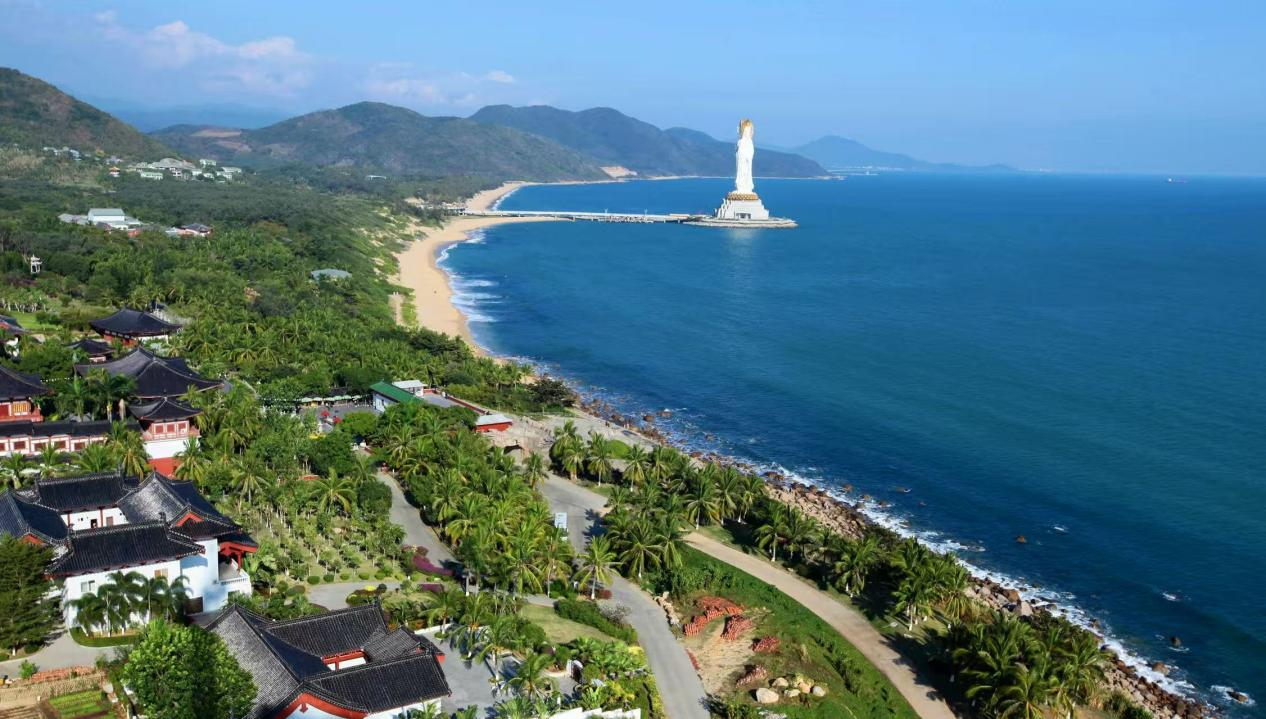
In addition, the Sanya Tourism Development Bureau has entered into cooperative exchanges with the Malaysian Association of Tour and Travel Agents (MATTA) and the Malaysian Budget Hotel Association (MBHA) to strengthen synergy in tourism management, product development, and visitor exchange. The newly established Sanya Tourism Overseas Promotion (Malaysia) Liaison Office will serve as a one-stop information and booking platform for Malaysian travelers, reinforcing Sanya’s position as a preferred gateway to China.
Seamless Entry, Fully Upgraded Travel Convenience
Visa-free access with zero barriers
Under China’s visa-free policy for Hainan, Malaysian citizens may enter with only a passport and stay for up to 15 days—no prior visa, financial proof, or invitation letter is required, allowing for truly spontaneous getaways.
Faster flights, greater efficiency
Direct flights from Kuala Lumpur to Sanya take just about three hours, with high occupancy rates during peak seasons reflecting strong demand. Plans to launch direct flights from Penang and Kota Kinabalu to Sanya are under discussion, promising greater accessibility and cost-effective travel options.
Streamlined clearance procedures
Efficiency is prioritized with paperless self-declaration at both Phoenix Cruise Port and Sanya Phoenix International Airport, significantly reducing clearance time. International arrival halls support payments via all major international credit cards, ensuring seamless transactions.
Comprehensive multilingual support
Multilingual support is in place across Sanya—from bilingual signage at attractions and hotels to a dedicated foreign-language service line via the 12345 hotline. The multilingual official website visitsanya.com provides comprehensive information, guaranteeing smooth communication for Malaysian tourists.
Exceptional Value: Exclusive Promotions for Malaysian Visitors
To offer a more value-packed holiday experience, Sanya has prepared tailored benefits and significant discounts, from customized packages to special Asian Beach Games offers, demonstrating its warm hospitality.
The newly established Sanya Tourism Overseas Promotion Liaison Office, in collaboration with the Malaysian Budget Hotel Association and the Malaysian Association of Tour and Travel Agents, will launch specially curated travel packages that align with local preferences.
On Trip.com, the “Travel with the Asian Beach Games” promotion features discounted Sanya tourism products, covering hotels, attractions, and holiday packages, with exclusive offers for the Malaysian market.
The 2026 Asian Beach Games bring additional surprises: popular attractions like Wuzhizhou Island and Atlantis Sanya offer tickets at up to 73% off . Hotel rooms across categories—family, couples, and resort suites—enjoy discounts of up to RMB 5,899. Local delicacies and international cuisines are available at discounts of around 48% , promising a delightful culinary journey.
Moreover, 118,000 Asian Beach Games tickets are now on sale globally. With just a few clicks online, visitors can secure their seats to experience the excitement of the 6th Asian Beach Games up close.
Diverse Experiences for Every Traveler
Sanya offers far more than just sun and sand. Whether traveling with family, as a couple, or with friends, everyone can find their ideal way to enjoy the destination.
For families :
Atlantis Sanya Water Park, ranked among the “2026 Global Top 20 Water Parks” and tied for seventh place worldwide with Universal Orlando’s Volcano Bay, offers endless aquatic fun for children, while parents can explore the adjacent world-class duty-free complex for shopping and leisure.
For Adventure Seekers:
Wuzhizhou Island, known as “China’s Premier Diving Base,” features crystal-clear waters with visibility up to 27 meters and abundant coral reefs. A variety of water sports, including diving, parasailing, and jet skiing, deliver an adrenaline-filled coastal experience.
For Culture and Wellness:
The 108-meter-tall Guanyin statue at Nanshan and immersive Li and Miao ethnic cultural experiences provide a harmonious blend of spiritual reflection and cultural discovery.
For Luxury and Retail: Sanya’s world-class duty-free complex brings together international brands, art exhibitions, and immersive experiences, creating a high-value shopping and lifestyle destination.
Sanya’s commitment to visitor convenience, diverse offerings, and tailored benefits continues to strengthen its appeal among Malaysian travelers. Since the beginning of this year, Hainan has welcomed a remarkable 204% increase in Malaysian tourist arrivals, making Malaysia one of the fastest-growing Southeast Asian source markets for Sanya.From visa-free access and direct flights to enhanced services and multifaceted experiences, Sanya is positioning itself as a leading gateway for Malaysian tourists to China.
As the Hainan Free Trade Port continues to develop, tourism cooperation between Sanya and Malaysia is poised to deepen, evolving from one-way attraction to mutual engagement.For those planning their first trip to China, Sanya offers an ideal starting point—where azure seas, golden shores, modern amenities, and heartfelt hospitality come together to create the perfect tropical escape.
Hashtag: #SanyaTourismDevelopmentBureau
 https://www.visitsanya.com/
The issuer is solely responsible for the content of this announcement.

-
 Feature/OPED6 years ago
Davos was Different this year
-
Travel/Tourism10 years ago
Lagos Seals Western Lodge Hotel In Ikorodu
-

 Showbiz3 years ago
Estranged Lover Releases Videos of Empress Njamah Bathing
-
 Banking8 years ago
Sort Codes of GTBank Branches in Nigeria
-

 Economy3 years ago
Subsidy Removal: CNG at N130 Per Litre Cheaper Than Petrol—IPMAN
-

 Banking3 years ago
Sort Codes of UBA Branches in Nigeria
-

 Banking3 years ago
First Bank Announces Planned Downtime
-

 Sports3 years ago
Highest Paid Nigerian Footballer – How Much Do Nigerian Footballers Earn