
Media OutReach
Visit Malaysia 2026 Countdown Festival: A New Year’s Eve Celebration

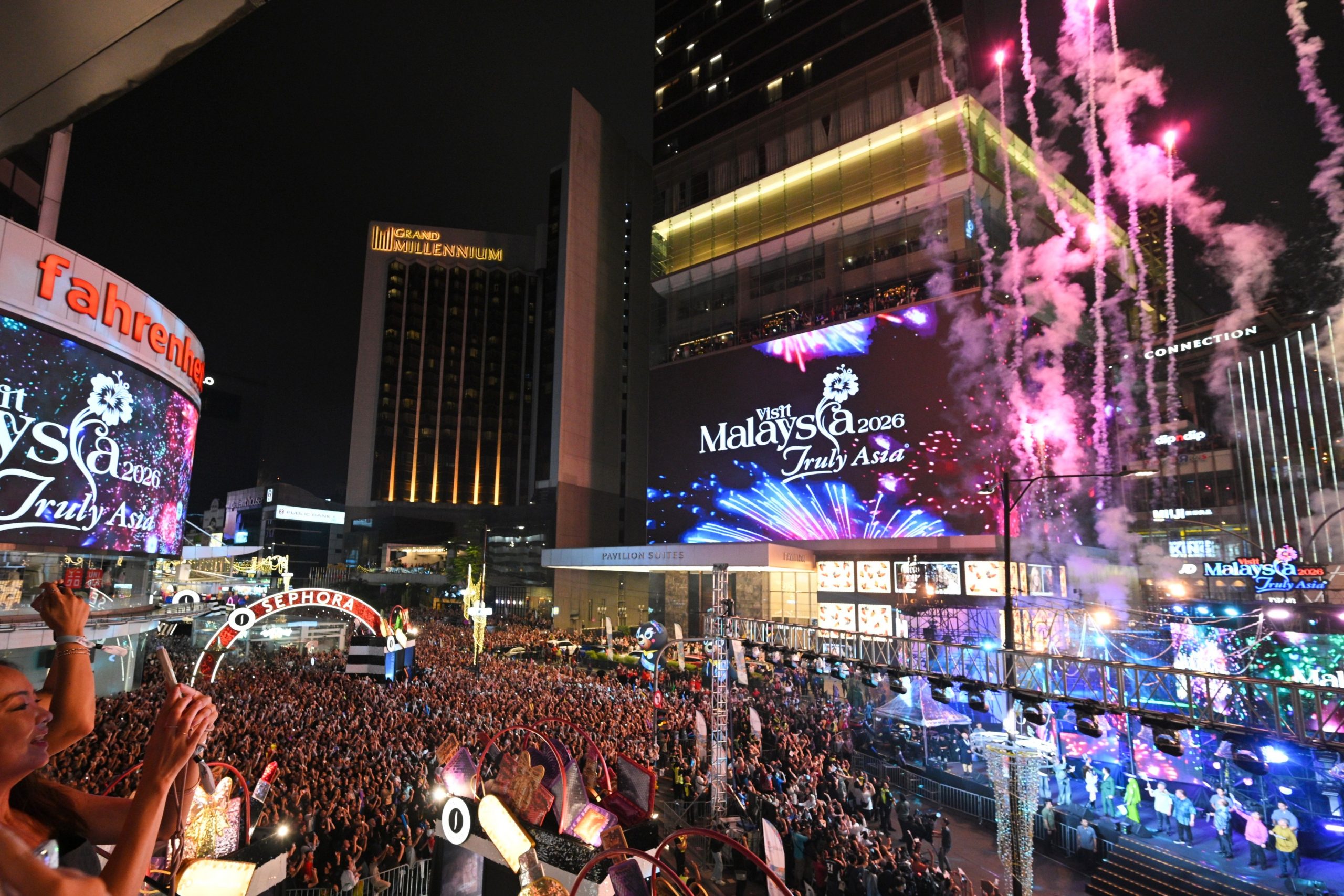
Prime Minister celebrated the New Year together with Malaysians and officially kicked off Visit Malaysia 2026 at Pavilion Kuala Lumpur, amid captivating pyromusical fireworks, drone formations, laser shows, and stunning 3D anamorphic projections, alongside a star-studded lineup of top artistes
The highlight of the night was the countdown moment led by YAB Dato’ Seri Anwar Ibrahim, Prime Minister of Malaysia as the Guest of Honour, who joined thousands of Malaysians and visitors to welcome the New Year. Underscoring the national significance of the occasion, the celebration was also attended by YB Dato Sri Tiong King Sing, Minister of Tourism, Arts and Culture Malaysia.
YB Dato Sri Tiong King Sing, Minister of Tourism, Arts and Culture Malaysia, stated: “This celebration was a symbolic event to ignite the momentum for VM2026 while welcoming the world to our shores. Malaysia is now fully ready to showcase its unique culture, creativity, and the warm hospitality of its people. It marks a strong head start towards our aspiration of 43 million international visitor arrivals, further solidifying our position on the global tourism map.”
The VM2026 Countdown Festival stood as a grand manifestation of Malaysia’s excellence on the global stage. Drawing thousands of domestic and international visitors, the New Year’s Eve celebration featured a breathtaking multimedia extravaganza, seamlessly integrating pyromusical fireworks, drone formations and laser projections. A key highlight was the stunning 3D anamorphic display starring the campaign’s beloved Malayan Sun Bear mascots, Wira and Manja.
The main stage was also graced by a stellar lineup of renowned local artistes, including Shila Amzah, Aina Abdul, Belle Sisoski, Vanessa Reynauld, Kidd Santhe, The Kuans, KLP48, Nazu, Rezza Shah, Danson Ooi, Euzen, and Penny. Their performances were complemented by dedicated cultural showcases that blended traditional rhythms with modern beats, elevating the celebratory atmosphere of the night.
The VM2026 Countdown Festival was a wider festive programme that began as early as 26 December 2025, extending the celebrations beyond the heart of the city. Parallel events and activities were held, offering visitors a glimpse of Malaysia’s rich heritage and creative spirit while embodying the essence of Truly Asia.
These included the VM2026 Bazaar at Pavilion Bukit Jalil, VM2026 Arts & Culture Showcase at Fahrenheit 88, featuring cultural pop-ups, interactive experiences such as batik art, porcelain making, wau decoration among others and showcases that drew strong public participation over several days. Malaysia’s vibrant food scene was brought to life at the VM2026 Bukit Bintang Food Bazaar, Lot 10, presenting a curated mix of traditional cuisines, local favourites and contemporary delights.
The build-up was further amplified by daily live 10 iconic DJs, flash mobs at the Bukit Bintang Crossing, Malaysia’s very own infamous Shibuya crossing and busking performances across key locations, creating a steady prelude to the countdown and sparking excitement both on the ground and across social media.
VM2026 provides a platform to bring Malaysia’s narrative to the global stage, guided by five strategic pillars: sustainability, cultural heritage, nature-based adventure, digital innovation, and global connectivity. However, these strengths will only truly shine when celebrated together by all Malaysians.
The festival was organised with the strong support of Kuala Lumpur City Hall (DBKL) and Tourism Malaysia as key partners. The success of the event was also made possible through collaboration with strategic partners, including Istana Budaya, the National Department for Culture and Arts (JKKN), the National Heritage Department, and the Malaysian Handicraft Development Corporation.
As the immersive countdown finale illuminated the Kuala Lumpur skyline, the VM2026 Countdown Festival marked a confident and celebratory opening to the tourism year ahead, reaffirming Malaysia’s readiness to welcome the world in 2026.
The year 2026 will be anchored by a series of mega events, including major festive celebrations such as Hari Raya Aidilfitri, Chinese New Year, and Deepavali, which will showcase Malaysia’s rich cultural and ethnic diversity while enhancing visitor experiences through a vibrant presentation of local arts, heritage, and entertainment.
This momentum will be driven by the implementation of a wide range of high-impact tourism events and programmes, encompassing cultural festivals, conventions, and MICE activities (Meetings, Incentives, Conferences and Exhibitions), as well as large-scale tourism exhibitions. Adopted on a nationwide scale, this approach aims to expand tourism reach, encourage longer visitor stays, and provide meaningful opportunities for travellers to experience the distinct cultural identities of Malaysia’s diverse regions.
Hashtag: #VM2026Countdown #VisitMalaysia2026 #SurrealExperiences #MalaysiaTrulyAsia
The issuer is solely responsible for the content of this announcement.



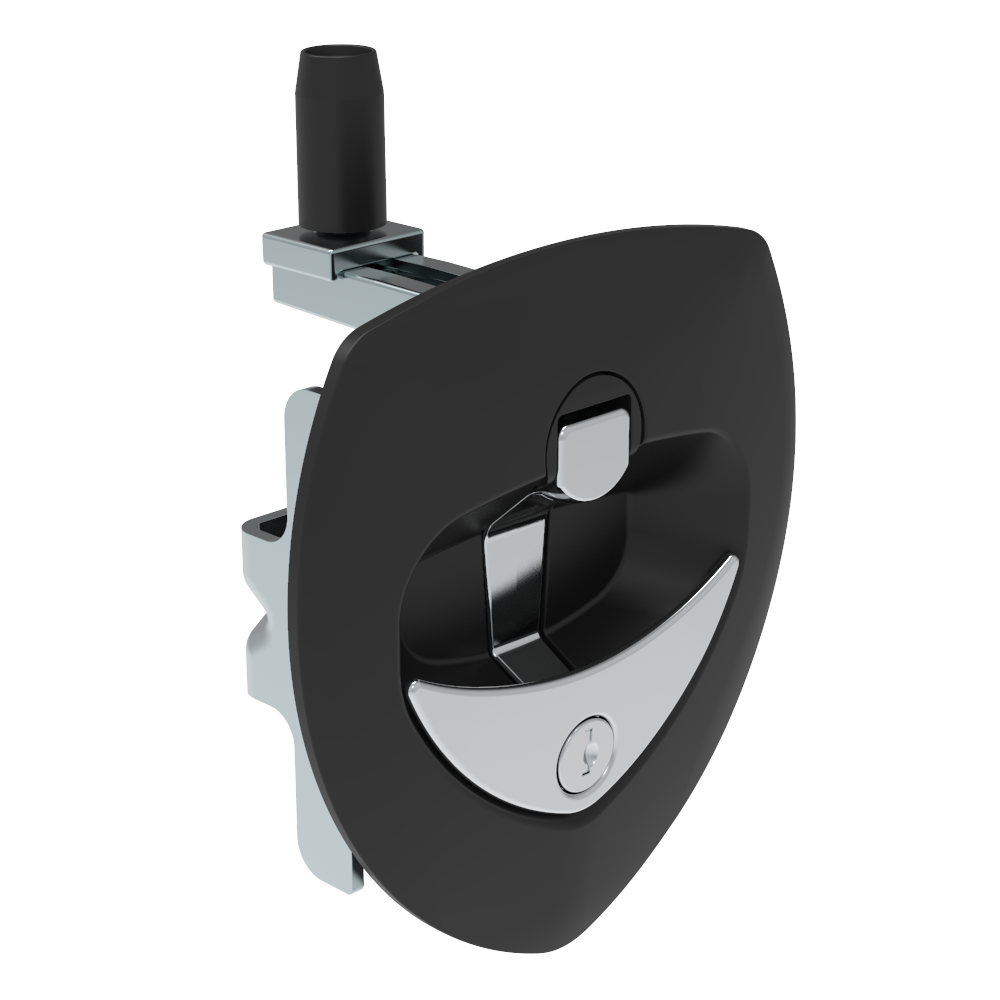
The N5 Compression Latch is designed for ergonomic operation, even under harsh conditions. The folding t-handle is easy to grip and actuate, even with a gloved hand, so operators can prioritize their safety and still work efficiently. When not in use, the handle folds neatly into the latch housing for a low-profile look that eliminates catch points.
The folding T-handle is not the only low-profile aspect of the N5 Compression Latch. The entire device is designed to take up minimal space on a panel and protrude as little as possible into an enclosure. With these design choices, engineers can maximize their internal and surface space while still leveraging the ergonomic and sealing benefits of a t-handle compression latch.
Despite its compact design, the N5 is NEMA4/IP65 sealing compliant, and provides strong compressive force to protect valuable interior components. When paired with the right gasket, its compressive force forms a seal around a panel that guards against harmful outside elements like dust and water. Even without a gasket, compression also prevents the panel from rattling against its frame as interior components work, keeping your device quiet.
Finally, the N5 Lift-and-Turn Compression Latch has a variety of locking options and a non-locking variant to accommodate all security needs. These include key-locking cores and tool-operated options such as No. 2 Phillips recess, slotted recess, and hex recess. The N5 adapts to meet the security needs of each user without additional customization.
For more information about the N5 Lift-and-Turn Compression Latch, visit southco.com or email the 24/7 customer service department at in**@*****co.com
Hashtag: #Southco #N5COMPRESSIONLATCH
The issuer is solely responsible for the content of this announcement.
About Southco
Southco, Inc. is the leading global designer and manufacturer of engineered access solutions. From quality and performance to aesthetics and ergonomics, we understand that first impressions are lasting impressions in product design. For over 75 years, Southco has helped the world’s most recognized brands create value for their customers with innovative access solutions designed to enhance the touch points of their products in transportation and industrial applications, medical equipment, data centers and more. With unrivalled engineering resources, innovative products and a dedicated global team, Southco delivers the broadest portfolio of premium access solutions available to equipment designers throughout the world.

Media OutReach
Global Ticketing Platform Veritickets Goes Live on Web and Mobile, Promising 100% Verified, Authentic Tickets with Delivery in 12 Hours
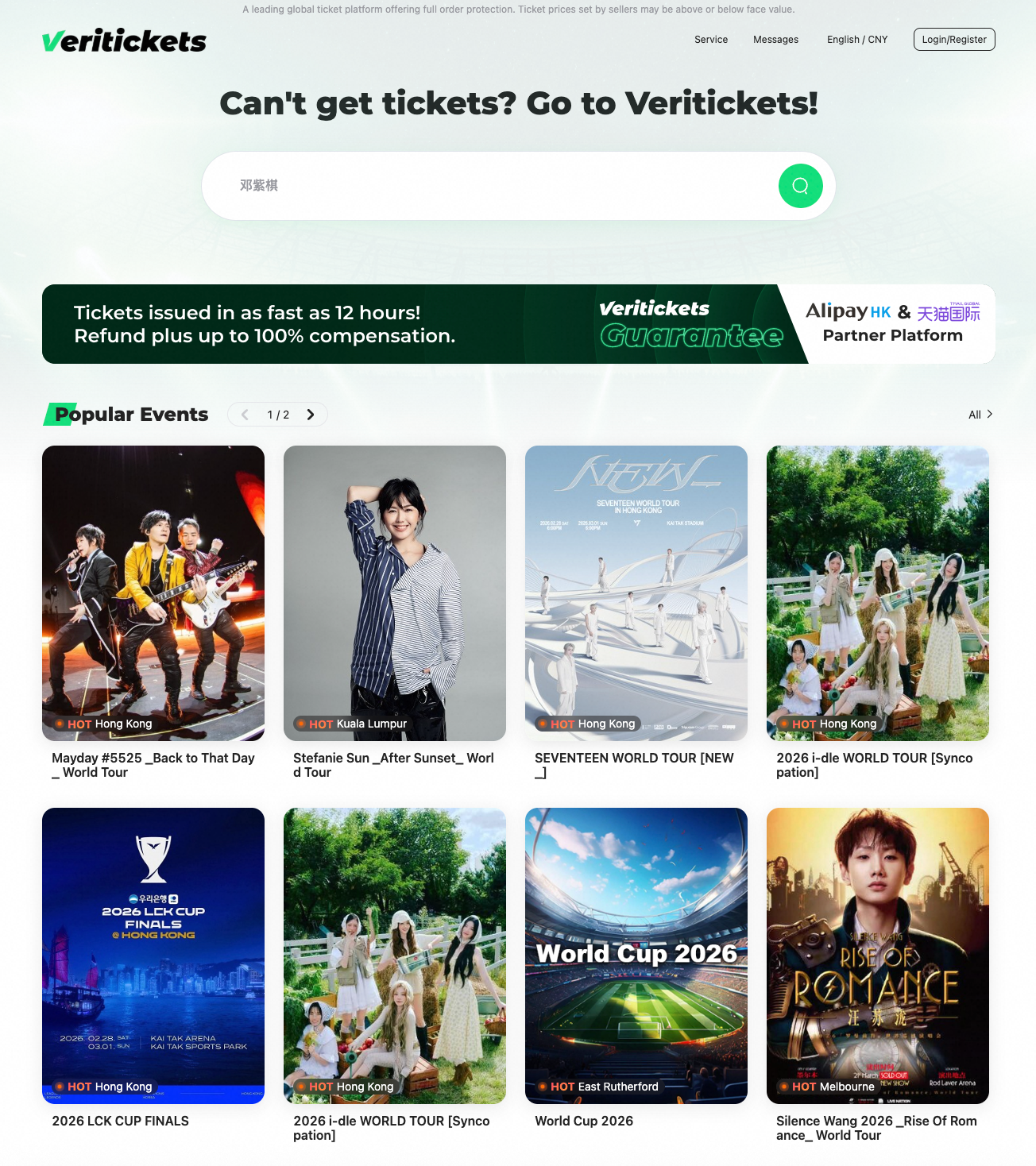
- Veritickets offers a ticket issuance promise as fast as 12 hours and guarantees that every ticket is verified and valid for entry.
- The platform is an officially certified partner of Alipay, China’s leading payments and digital services platform, and of the cross-border e-commerce platform Tmall Global.
- It provides multilingual interfaces and multi‑currency payment options.
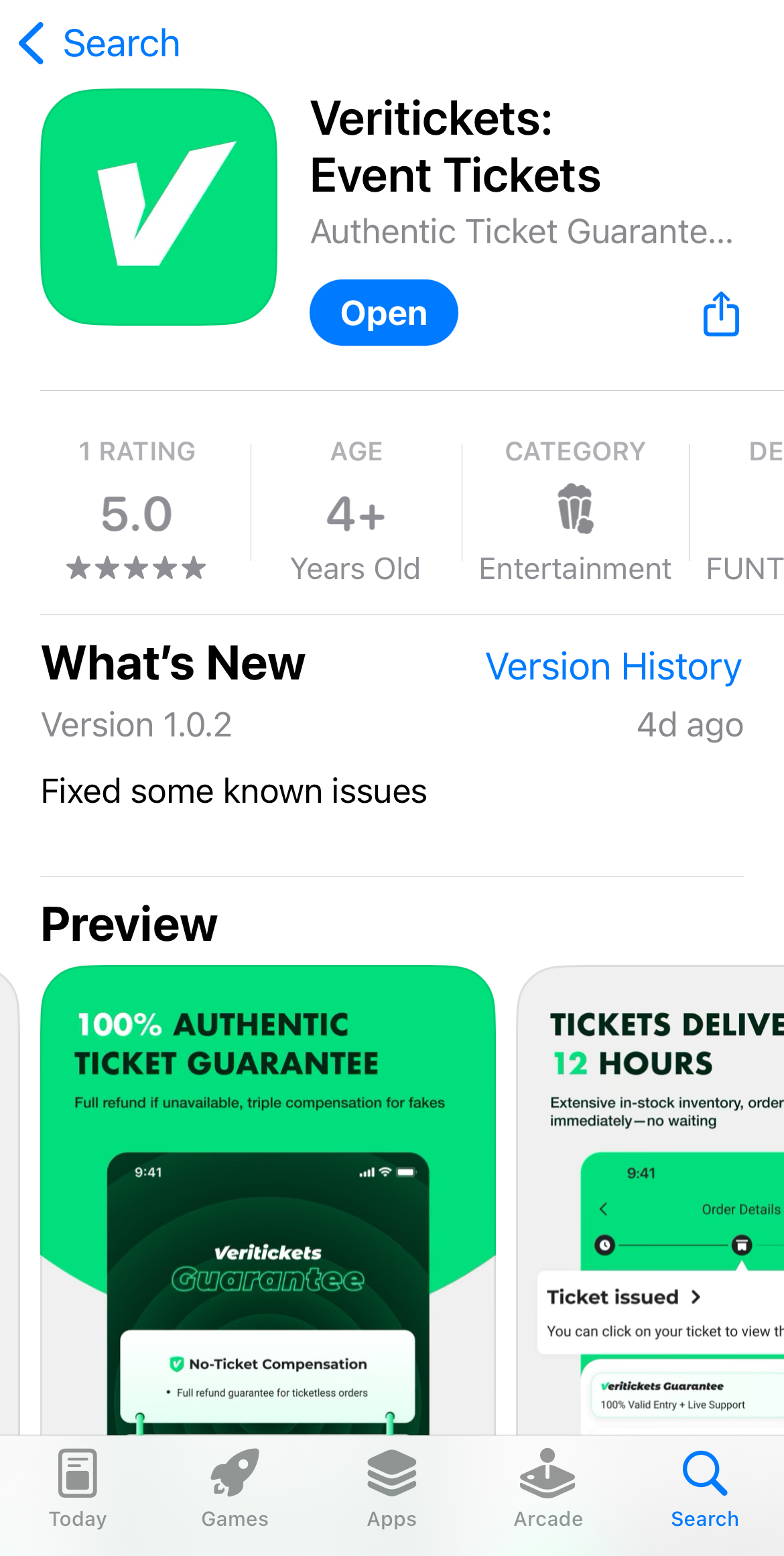
SINGAPORE – Media OutReach Newswire – 26 February 2026 – Veritickets, a next‑gen global ticketing platform, recently launched its website and mobile app. The platform pledges to issue confirmed, in‑stock tickets in as fast as 12 hours and offers multilingual interfaces and multi‑currency payment options to address major pain points for cross‑border buyers and streamline the purchase experience.
The platform also guarantees “100% verified tickets,” supported by a consumer‑protection policy that offers a full refund plus additional compensation of up to the ticket price if a ticket is not delivered. Users can access the service via the Veritickets website or by downloading the mobile app from various app stores.
Designed specifically for international buyers, Veritickets accepts major credit cards including Visa, Mastercard and JCB. It is also an officially certified partner of China’s leading payments and digital services open platform Alipay and of the cross-border e-commerce platform Tmall Global.
The platform has already listed multiple high‑demand events, including the BTS 2026-2027 World Tour, the World Cup 2026 and Stefanie Sun _After Sunset_ World Tour.
With an initial focus on Hong Kong, Macau and Southeast Asia, Veritickets is positioning itself as a global ticketing platform, aiming to deepen its presence across the Asia‑Pacific region while expanding into additional markets in phases.
To reduce search friction and enhance transparency, Veritickets aggregates official, vetted inventory into a single interface, enabling users to compare options efficiently. The platform provides real‑time availability and pricing, supported by an all‑in pricing model intended to minimize unexpected fees and last‑minute adjustments.
Its smart recommendation engine curates event suggestions based on user preferences. The platform also offers round‑the‑clock customer support and real‑time transaction verification as part of its agent supervision standards.
Veritickets is currently recruiting internationally qualified ticketing agents, requiring valid operating licenses, strong credit records and proven professional service capabilities. All agents must comply with stringent requirements, including real‑time ticket updates, instant transaction validation and round-the-clock customer support, ensuring a consistent and reliable experience for buyers worldwide.
Hashtag: #Veritickets
The issuer is solely responsible for the content of this announcement.

Media OutReach
Hong Kong 2026-27 Budget: Driving High-quality, Inclusive Growth with Innovation and Finance

The theme of the 2026-27 Budget, the fourth Budget of the current-term Government, is “Driving High-quality, Inclusive Growth with Innovation and Finance”.
“Over the past year, as a result of the booming economy and capital market, our tax revenue has increased. Coupled with the reinforced fiscal consolidation programme gradually bearing fruit, our public finances have improved sooner than expected,” Mr Chan said.
The Financial Secretary revealed that Hong Kong’s Consolidated Account was expected to register a surplus of $2.9 billion in the current fiscal year, instead of a deficit of about $67 billion as originally estimated. The Operating Account for 2025-26, which was originally estimated to record a deficit of about $3 billion, will register a surplus of $51.3 billion, he said.
It was also confirmed that Hong Kong’s economy expanded by 3.5% in 2025, with growth forecast to be between 2.5% and 3.5% for 2026.
Mr Chan noted that this year marks the beginning of the National 15th Five-Year Plan, and he stressed the need for Hong Kong to actively align with the Plan.
“Our country’s sustained high-standard two-way opening-up, coupled with scientific and technological innovation, have presented us with new opportunities,” he said. “We must embrace the 15th Five-Year Plan with an innovative mindset, fostering new quality productive forces in accordance with local conditions.”
Mr Chan set out a series of measures to drive I&T development, including establishing the Committee on AI+ and Industry Development Strategy; taking forward the Sandy Ridge data facility cluster project; promoting AI training; and accelerating digital intelligence transformation of the Government.
“We are pressing ahead with the industrialisation of AI and deepening its integration across various industries, while encouraging wider AI application, thereby achieving the target of adoption and utilisation by all,” he said.
The International Clinical Trial Academy will, he said, also be established to help enable the Chinese Mainland’s biomedicine technology to go global, attract foreign investment, and help develop Hong Kong into an international health and medical innovation hub.
To facilitate the development of new industrialisation, the Budget has earmarked resources for establishing in Hong Kong the first national manufacturing innovation centre outside the Mainland, and the New Industrialisation Elite Enterprises Nurturing Scheme will be launched.
The Government will promote the full integration of technological innovation and industrial innovation through key infrastructure, including the Hong Kong Park of the Hetao Shenzhen-Hong Kong Science and Technology Innovation Co-operation Zone, and the San Tin Technopole in the Northern Metropolis.
To support financial services, Hong Kong will proactively align with national development strategies, advance the internationalisation of the Renminbi, and continuously reform the securities market.
The Government will legislate this year to enhance tax regimes for family offices and funds, as well as establish licensing regimes for digital asset dealing and custodian service providers.
“Despite the complex and ever-changing external environment, Hong Kong’s financial market has performed strongly and our financial system remains robust,” Mr Chan said. “We will continue to consolidate our existing strengths, tap into emerging fields, strengthen market systems and risk control and deepen financial co-operation in the GBA (Guangdong-Hong Kong-Macao Greater Bay Area).”
Noting that Hong Kong saw a year-on-year 12 per cent increase in visitor arrivals last year, which had created business and job opportunities for related sectors, the Budget will allocate $1.66 billion (US$212 million) to the Hong Kong Tourism Board (HKTB).
“The HKTB will scale up its flagship events and promotion, introducing new elements and extending event duration, and organise more signature festive events to highlight Hong Kong’s East-meets-West uniqueness,” Mr Chan said.
The Budget also earmarks an additional funding of $1 billion (US$128 million) for the Built Heritage Conservation Fund to enrich city culture. Elsewhere, the Government will launch the Northern Metropolis Urban-rural Integration Fund as a pilot scheme to support rural tourism projects.
To further promote sports development in Hong Kong, the Financial Secretary will inject $1.2 billion (US$154 million) to the sports portion of the Arts and Sports Development Fund.
Mr Chan said that the global environment has remained volatile over the past year, and Hong Kong has continued to undergo economic transformation.
“Technological innovation, in particular the development of AI, has brought us a mix of opportunities and challenges. Yet, Hong Kong has always thrived amid changes and progressed through innovation. We must make full use of our strengths and leverage the resolute support of our country to speed up and scale up our economic development sustainably for creating better development opportunities for the people and enhancing their quality of life,” Mr Chan said.
For more details on the 2026-27 Budget, click here.
Hashtag: #hongkong #brandhongkong #Budget #Inclusive #Growth #Innovation #Finance
 https://www.brandhk.gov.hk/
 https://www.linkedin.com/company/brand-hong-kong/
 https://x.com/Brand_HK/
 https://www.facebook.com/brandhk.isd
 https://www.instagram.com/brandhongkong
The issuer is solely responsible for the content of this announcement.











-
 Feature/OPED6 years ago
Davos was Different this year
-
Travel/Tourism10 years ago
Lagos Seals Western Lodge Hotel In Ikorodu
-

 Showbiz3 years ago
Estranged Lover Releases Videos of Empress Njamah Bathing
-
 Banking8 years ago
Sort Codes of GTBank Branches in Nigeria
-

 Economy3 years ago
Subsidy Removal: CNG at N130 Per Litre Cheaper Than Petrol—IPMAN
-

 Banking3 years ago
Sort Codes of UBA Branches in Nigeria
-

 Banking3 years ago
First Bank Announces Planned Downtime
-

 Sports3 years ago
Highest Paid Nigerian Footballer – How Much Do Nigerian Footballers Earn