
Showbiz
AI and African storytelling: Empowering the Next Generation of Filmmakers

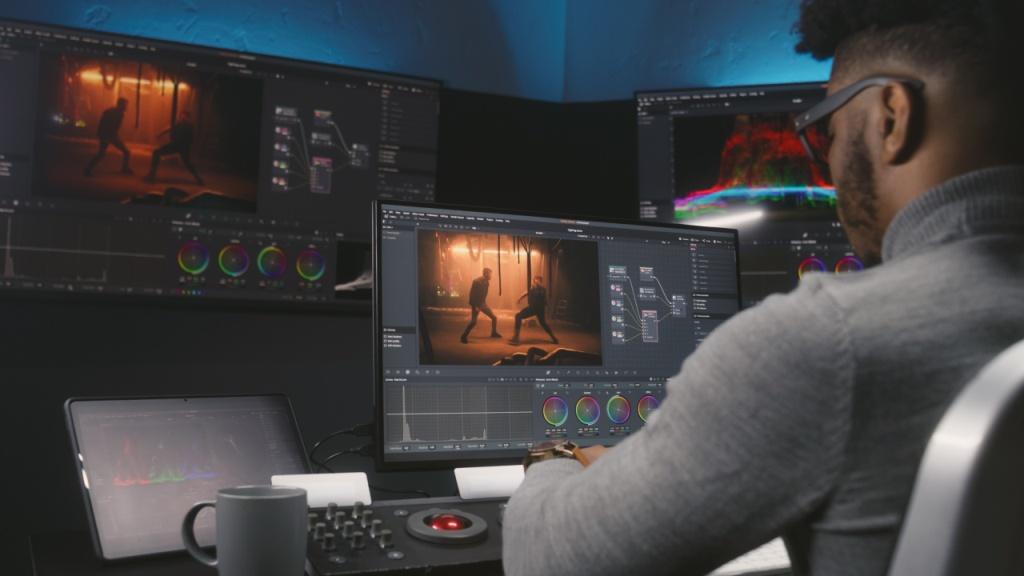
Artificial Intelligence (AI) is rapidly transforming the global film industry, presenting both opportunities and challenges.
The MultiChoice Talent Factory (MTF), a leading pan-African film and TV production academy, recognises the transformative potential of AI in empowering the next generation of African storytellers.
Besides being a sustainable, impactful talent pipeline, MTF is a flagship MultiChoice CSI initiative, with the goal of ensuring that Africa’s next generation are not just consumers, but active shapers of the technology evolution. As storytellers, they are also equipped to make use of technology, leverage AI to enhance African creativity and drive industry growth on the continent.
The AI enabler
In this understanding of the new technology, AI is not seen as an alternative to human creativity, or a threat, but an enabler; an amplifier. For African filmmakers, AI opens doors to enhance storytelling, streamline production processes, and bring authentic narratives to life in innovative ways. By embracing AI, filmmakers can elevate their craft, making it more efficient and accessible while preserving the rich humanity that defines African storytelling traditions.
AI is already established as an invaluable tool in the production of mainstream commercial films. Several cult and commercial films have used AI as an integral part of their production process.
Among these was The Irishman from 2019, which used an AI technology called FaceSwap to reference older movies of the lead actors, and then create youthful “de-aged” versions of those actors.
A similar type of “deepfake” technology is also sometimes used in high-budget action movies to replace the faces of stunt artists with the faces of the lead actors in the final film. Such a technique was used in the Marvel movie Shang-Chi And The Legend of the Ten Rings, where machine learning was used to “swap” the faces of stunt doubles during fight scenes.
In The Brutalist, AI was used to improve the pronunciation of lead actors Adrien Brody and Felicity Jones, who speak Hungarian in parts of the movie.
Some filmmaking AI applications have drawn praise, while others have courted controversy. However, for Africa to occupy its rightful space as home to many of the world’s greatest stories, the continent’s storytelling talent must learn these AI methods – and a host of others.
The tools at work
Many of these AI tools are pre-production tools that enhance the efficiency of the process and even make it more affordable. During the process, AI technology can be used for applications like idea iteration, scene blocking, to generate mood boards, or to assist with initial script drafts.
AI can also assist in generating a range of plot possibilities, help to pre-visualise scenes, streamline editing and create sophisticated visual effects.
While AI offers immense potential, it also raises ethical questions, such as data privacy, representation, and the responsible use of technologies like deepfakes. MTF stresses the importance of addressing these concerns thoughtfully, encouraging filmmakers to use AI in ways that respect cultural values and maintain trust with audiences.
Opportunities for African Storytellers
For African filmmakers, AI presents a unique opportunity to tell stories that resonate globally while staying rooted in local cultures. By leveraging AI, they can create visually stunning films, enhance production efficiency, and reach wider audiences through platforms like MultiChoice’s hyperlocal content ecosystem, which prioritises stories that reflect viewers’ lived experiences.
MTF’s mission is to empower young filmmakers to seize these opportunities, ensuring they are equipped to navigate the technological future of the industry. By encouraging a deep understanding of AI’s capabilities, MTF encourages graduates to push creative boundaries while maintaining the authenticity of African narratives.
MultiChoice, parent company to MTF, is already deploying AI to enrich its content offering and to improve user experiences. AI tools are applied to extract useful insights from the oceans of data generated by MultiChoice subscribers and used to customise and refine their customer journeys.
In the final analysis, AI is critical to delivering a world-class training programme that will equip aspiring film and TV professionals to thrive in a dynamic media landscape. With AI as a partner, the next generation of filmmakers is ready to redefine the art and impact of African cinema.


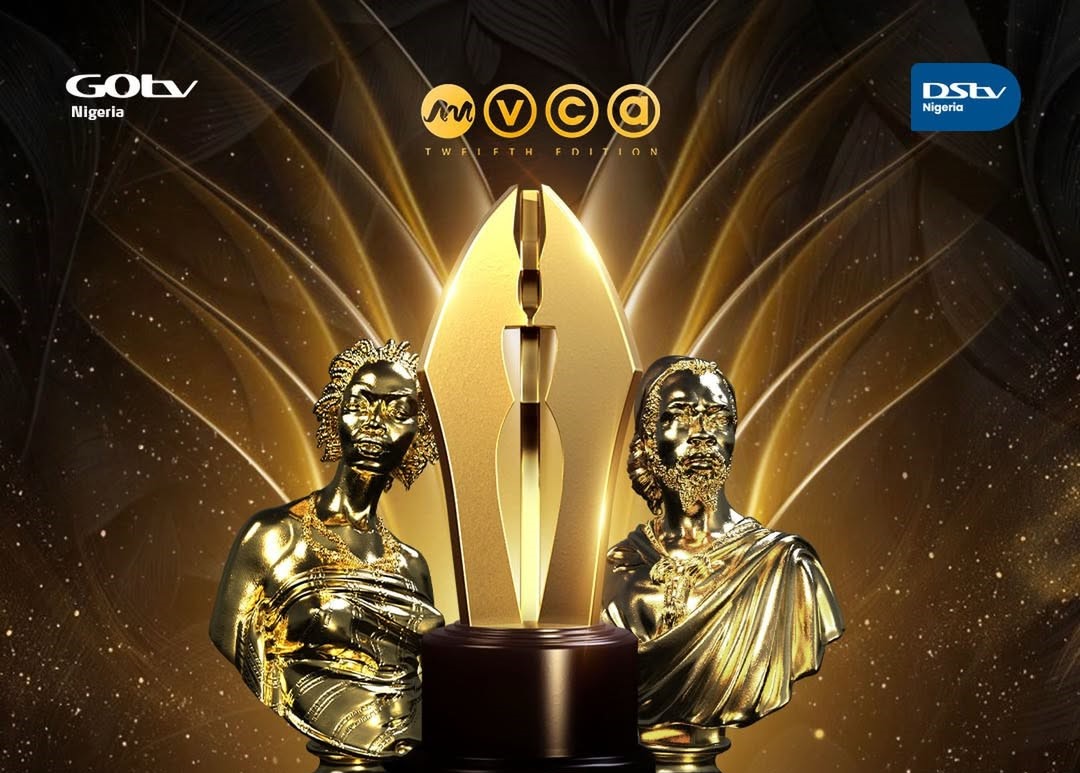
As anticipation builds for the 12th edition of the Africa Magic Viewers’ Choice Awards(AMVCA), the conversation has officially shifted from speculation to action. With nominees unveiled and voting now open, this year’s awards are shaping up to be one of the most competitive and expansive yet, featuring a record number of films and talent from across the continent. From established stars to emerging voices in African cinema, the AMVCA continues to celebrate excellence in storytelling, technical craft, and cultural impact, reinforcing its position as one of the most influential platforms for African creativity.
Host & Jury:
While the official host for the main awards night is yet to be confirmed, the nominations announcement was led by Chimezie Imo, offering a first glimpse into the tone of this year’s event. On the adjudication side, veteran actress Joke Silva leads as Head of Jury. Her role underscores the awards’ continued emphasis on credibility, with a panel tasked with evaluating technical excellence, storytelling depth, and overall craft across non-voting categories.
Voting: How It Works
One of the defining features of the AMVCAs is its hybrid voting system, and 2026 is no exception. Out of the total 32 categories, 11 are open to public voting, giving audiences a direct role in deciding key outcomes, while 18 categories are determined by the jury alongside special recognition honours. Voting is conducted through the official Africa Magic platform, where registered users can select their preferred nominees and cast up to 100 votes per platform.
Voting for this year officially opened on March 29, 2026, giving audiences enough time to vote for their favourites. The window will close on April 26, 2026, after which attention shifts to the main awards night, scheduled for May 9, 2026.
Leading Names & Notable First‑Timers
This year’s nominations reveal clear frontrunners. Films like The Herd, Gingerrr, and My Father’s Shadow lead the nominations, highlighting a rising preference for ambitious, high-concept storytelling. Actor Lateef Adedimeji stands out with three nominations, making him the most nominated actor for the year, highlighting his range across both lead and supporting roles.
The 2026 list also includes notable first‑time nominees. Popular Content Creator and actress Kidaby earned her first nomination for her performance in Oversabi Aunty, and Ariyike Owolagba received her first nod for her role in Something About the Briggs, signalling the emergence of new talent within the industry.
In addition to competitive categories, the awards will present special recognition honours, such as the Lifetime Achievement Award and the Trailblazer Award, acknowledging industry veterans and breakthrough achievements.
What Feels Different This Year
Beyond the usual red carpet glamour and viral moments, AMVCA 2026 reflects a broader shift in focus. There is more intentional representation across the continent, with categories such as Best Indigenous Language (North Africa and Central Africa) highlighting a wider African storytelling ecosystem, rather than the usual strongholds. This signals a deliberate push to capture the continent’s linguistic and cultural diversity.
This edition represents a significant milestone for the industry, with Diageo featuring brands like Guinness serving as the full portfolio sponsor, while premium tequila brand Don Julio headlines as the main sponsor. Their involvement highlights AMVCA’s expanding role as a premier celebration of African creativity.
AMVCA 2026 is more than just another awards season; it shows the current pulse of African cinema. From how voting is structured, to the jury making the calls, to the wide range of nominated films and emerging talent, it’s clear the industry is evolving: more inclusive, more participatory, and shaped as much by audiences as by creators.
With voting now open, the results won’t just reflect the opinions of industry experts; they will also carry the voice of viewers from across the continent, making this year’s awards truly a celebration of African storytelling.


Easter is here, and whether you are spending the long weekend with family, friends or simply enjoying some well-deserved solo downtime, there is no shortage of great shows to keep you entertained. From gripping African drama to timeless animated classics, this holiday weekend has something for every mood and every member of the family.
The best part? We have done the work for you. Here are five shows worth watching this Easter, from binge-worthy Nigerian television and epic historical documentaries to beloved family favourites, all available to stream on DStv Stream.
- Wura S4 — Africa Magic Showcase & Africa Magic Family
After three seasons of betrayal, manipulation, and bloodshed, Wura is back, and Season 4 may be its most dangerous chapter yet. The critically acclaimed telenovela returns with Scarlet Gomez as Wura Amoo Adeleke, a ruthless matriarch now haunted by guilt and surrounded by enemies on all sides.
Directed by Rogers Ofime, the new season finds Wura’s carefully built empire cracking under the weight of secrets and relentless pressure, as alliances shift, loyalties crumble, and the Adeleke dynasty teeters on the brink of collapse. Family-friendly and thoroughly addictive.
Catch the new episodes every weeknight at 8 pm on Africa Magic Showcase (DStv Channel 151, GOtv Channel 8) and at 8:30 pm on Africa Magic Family (DStv Channel 154, GOtv Channel 7). Episodes 1 – 3 are currently available to stream on DStv Stream.
- Dividends — Africa Magic Showcase
What happens when the promise of “double your money” collides with the brutal realities of everyday survival? Africa Magic’s newest dramedy, Dividends, answers that question with sharp wit and painful relatability.
The show that premiered on March 30, 2026, dives into the chaotic aftermath of a collapsed Ponzi scheme, following three strangers whose lives unexpectedly collide in the wreckage.
Dividends airs on Africa Magic Showcase (DStv Channel 151) from Mondays to Wednesdays at 8:30 PM WAT, with episodes also available via DStv Stream and GOtv platforms.
- Gladiators: Warriors of the Ancient World — National Geographic
This six-part National Geographic documentary series wraps up with a finale worthy of the arena. Gladiators: Warriors of the Ancient World chronicles the lives of Rome’s greatest fighters, from Spartacus’s defiant rebellion to Flamma’s ultimate sacrifice, exposing how bloodsport shaped Roman power, culture, and identity.
Packed with vivid dramatisations and sharp historical depth, Episode 6 brings this brutal, fascinating world full circle, revealing how the rise and fall of gladiatorial combat left a permanent mark on an empire built on violence and glory. The episodes are available for streaming on DStv Stream.
- Twist of Fate: New Era — Zee World (DStv 166)
Fans of high-stakes romance and family drama will find plenty to love in Twist of Fate: New Era. Acting as a continuation of the beloved Kumkum Bhagya story, this Indian telenovela now follows Purvi Kohli, daughter of Prachi and Ranbir, as she navigates a turbulent marriage to the complicated Rajvansh “RV” Malhotra.
With a scheming rival in Monisha and a family determined to tear them apart, Purvi’s journey is one of love tested at every turn. Emotional, dramatic, and thoroughly binge-worthy. Watch all episodes of Twist of Fate on DStv Stream.
- The Prince of Egypt
No Easter watchlist is complete without The Prince of Egypt. This animated musical masterpiece retells the story of Moses, from his privileged life as Egyptian royalty to his extraordinary calling as the liberator of an enslaved people.
When Moses discovers his true identity as a Hebrew, he must confront his adoptive brother Pharaoh Rameses, setting in motion a story of faith, sacrifice, plagues, and the iconic parting of the Red Sea. With stunning animation and themes that align perfectly with the Easter season, it is the ultimate family watch for the holiday weekend.
This Easter, skip the scroll and go straight to the good stuff. From nail-biting Nigerian dramas to family-friendly classics, there is something for everyone on DStv Stream.
The nominee announcement on Sunday has officially kicked off the countdown to the 12th AMVCAs, and as expected, the conversation is split between celebration and the inevitable debate over who didn’t make the cut. While previous years were often dominated by a few blockbusters with double-digit nominations, the 2026 field is defined by how spread out the talent is. With Gingerrr and The Herd leading with nine nominations each, and To Kill A Monkey following with eight, the race to May 9th is wide open. This year’s list shows a clear shift in how African cinema is being viewed. While the AMVCAs have always stood for excellence, this 12th edition has moved toward a much stricter evaluation of craft that looks past how popular a project is on social media.
Under the leadership of veteran actress Joke Silva as Head Judge, the message from the organisers is clear: the bar for entry has become more specialised. In an era where trending on social media is often mistaken for technical brilliance, the AMVCAs is looking deeper into the structural integrity of the work. This explains the takes currently fueling debates online. While a project might dominate the cultural conversation for months or break box office records, the jury’s mandate, backed by the auditing rigour of Deloitte, is to look past the viral numbers and focus on the technical blueprints. A film can be a massive audience success and still find its lighting, sound design, or screenplay structure measured against a new, more rigorous professional rubric.
Out of the 32 categories this year, 18 are now strictly decided by the jury, including the major Best Lead Actor and Best Lead Actress awards. This change moves the recognition of acting talent away from the emotional pull of public voting and puts it into the hands of industry experts. For the stars and directors who didn’t find their names on the list, it isn’t a comment on their talent, but a reflection of a very tight field where there is almost no room for error. The fact that acting awards now sit alongside technical categories like cinematography and editing proves that the Academy is rewarding the quality of the work just as much as the fame of the person.
As voting opens for the remaining 11 public-choice categories ahead of the May 9th ceremony, the tension surrounding the list is actually a sign of industry health. It proves that the volume of high-quality African storytelling has reached a point where being a fan favourite is no longer a guarantee of a trophy.
By prioritising technical precision over social media sentiment, the AMVCAs are forcing a necessary evolution. On May 9, the statues will be handed out, but the real takeaway from Sunday is that Nollywood has moved into an era where the craft must finally match the hype.
-
 Feature/OPED6 years ago
Davos was Different this year
-
Travel/Tourism10 years ago
Lagos Seals Western Lodge Hotel In Ikorodu
-

 Showbiz3 years ago
Estranged Lover Releases Videos of Empress Njamah Bathing
-
 Banking8 years ago
Sort Codes of GTBank Branches in Nigeria
-

 Economy3 years ago
Subsidy Removal: CNG at N130 Per Litre Cheaper Than Petrol—IPMAN
-

 Banking3 years ago
Sort Codes of UBA Branches in Nigeria
-

 Banking3 years ago
First Bank Announces Planned Downtime
-

 Sports3 years ago
Highest Paid Nigerian Footballer – How Much Do Nigerian Footballers Earn