Connect with us

Showbiz

AI and African storytelling: Empowering the Next Generation of Filmmakers

Published

on

AI and African storytelling

Artificial Intelligence (AI) is rapidly transforming the global film industry, presenting both opportunities and challenges.

The MultiChoice Talent Factory (MTF), a leading pan-African film and TV production academy, recognises the transformative potential of AI in empowering the next generation of African storytellers.

Besides being a sustainable, impactful talent pipeline, MTF is a flagship MultiChoice CSI initiative, with the goal of ensuring that Africa’s next generation are not just consumers, but active shapers of the technology evolution. As storytellers, they are also equipped to make use of technology, leverage AI to enhance African creativity and drive industry growth on the continent.

The AI enabler 

In this understanding of the new technology, AI is not seen as an alternative to human creativity, or a threat, but an enabler; an amplifier. For African filmmakers, AI opens doors to enhance storytelling, streamline production processes, and bring authentic narratives to life in innovative ways. By embracing AI, filmmakers can elevate their craft, making it more efficient and accessible while preserving the rich humanity that defines African storytelling traditions.

AI is already established as an invaluable tool in the production of mainstream commercial films. Several cult and commercial films have used AI as an integral part of their production process.

Among these was The Irishman from 2019, which used an AI technology called FaceSwap to reference older movies of the lead actors, and then create youthful “de-aged” versions of those actors.

A similar type of “deepfake” technology is also sometimes used in high-budget action movies to replace the faces of stunt artists with the faces of the lead actors in the final film. Such a technique was used in the Marvel movie Shang-Chi And The Legend of the Ten Rings, where machine learning was used to “swap” the faces of stunt doubles during fight scenes.

In The Brutalist, AI was used to improve the pronunciation of lead actors Adrien Brody and Felicity Jones, who speak Hungarian in parts of the movie.

Some filmmaking AI applications have drawn praise, while others have courted controversy. However, for Africa to occupy its rightful space as home to many of the world’s greatest stories, the continent’s storytelling talent must learn these AI methods – and a host of others.

The tools at work

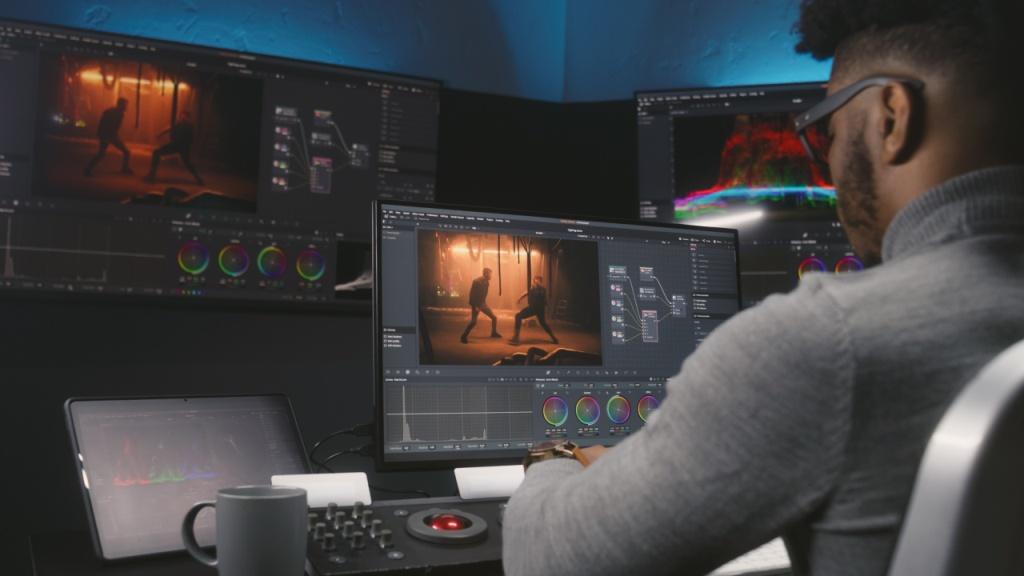
Many of these AI tools are pre-production tools that enhance the efficiency of the process and even make it more affordable. During the process, AI technology can be used for applications like idea iteration, scene blocking, to generate mood boards, or to assist with initial script drafts.

AI can also assist in generating a range of plot possibilities, help to pre-visualise scenes, streamline editing and create sophisticated visual effects.

While AI offers immense potential, it also raises ethical questions, such as data privacy, representation, and the responsible use of technologies like deepfakes. MTF stresses the importance of addressing these concerns thoughtfully, encouraging filmmakers to use AI in ways that respect cultural values and maintain trust with audiences.

Opportunities for African Storytellers

For African filmmakers, AI presents a unique opportunity to tell stories that resonate globally while staying rooted in local cultures. By leveraging AI, they can create visually stunning films, enhance production efficiency, and reach wider audiences through platforms like MultiChoice’s hyperlocal content ecosystem, which prioritises stories that reflect viewers’ lived experiences.

MTF’s mission is to empower young filmmakers to seize these opportunities, ensuring they are equipped to navigate the technological future of the industry. By encouraging a deep understanding of AI’s capabilities, MTF encourages graduates to push creative boundaries while maintaining the authenticity of African narratives.

MultiChoice, parent company to MTF, is already deploying AI to enrich its content offering and to improve user experiences. AI tools are applied to extract useful insights from the oceans of data generated by MultiChoice subscribers and used to customise and refine their customer journeys.

In the final analysis, AI is critical to delivering a world-class training programme that will equip aspiring film and TV professionals to thrive in a dynamic media landscape. With AI as a partner, the next generation of filmmakers is ready to redefine the art and impact of African cinema.


Click to comment

Leave a Reply

Your email address will not be published. Required fields are marked *

Showbiz

Taking Aspiring Filmmakers From the Classroom to Prime-Time

Published

on

Classroom to Prime-Time

For many aspiring filmmakers, the ultimate culmination of their cinematic dreams is to be able to live through the art form they love. 

Filmmakers don’t just want to make a film. They want to build a career doing it. To achieve that, they need training that equips them with industry-relevant skills of the highest standard. 

For the MultiChoice Talent Factory (MTF), this understanding is integral to all of its programmes. Academy graduates are equipped with the precise skills required by their industry, empowering them to become prime-time TV professionals.

Since MTF is a MultiChoice initiative, its three academies – in Lusaka, Nairobi and Lagos – provide training in the specific, high-demand technical skills needed by the industry-leading content producer.

MultiChoice, a Canal+ company, is the largest producer of authentic, original content on the African continent. “Africa’s most-loved storyteller” produced 5 340 hours of world-class local content in 2025. 

MTF students are trained to these exacting MultiChoice standards. This leaves them well placed to excel in the industry once they graduate. 

And excel, they do. MTF graduates speak with pride of the success they have found since leaving the highly respected hub of African film and television training.

Technical skills

Actor, producer, writer and storyteller Myde Glover went on from MTF West Africa Academy to host film festivals and win Africa Magic Viewers’ Choice Awards (AMVCAs). 

He credits much of his success to the storytelling skills he learned at MTF, as well as the technical standards the MTF Academy sets. 

“The storytelling skills I gained at MTF helped me become a better actor, producer and director. It helps me put the story first,” he says. “However, I was also taught the technical and delivery requirements for submitting projects to platforms like DStv, GOtv, and Showmax. I approach every project with those standards in mind, understanding that quality matters in every aspect.”

Glover says the three most important things for aspiring filmmakers to remember are teamwork, being open to constructive criticism, and staying focused on their goal. 

“Strong collaboration improves the quality of any production, feedback helps you grow creatively, and focus ensures you see projects through without losing sight of why you started,” he says. 

Lifetime network

Graduating from MTF provides filmmakers with a network that can last a lifetime. Alumni often hire each other as they evolve through their working lives, creating a self-sustaining ecosystem of skilled professionals.

Bahati Kajigi Benjamin from DRC found that MTF gave him the network he needed to tell stories close to his heart. 

“My experience with MTF was incredible,” says Benjamin. “I formed a family with my fellow students, and we bonded deeply. We collaborated on numerous films and wrote one that is particularly meaningful to me, illustrating the struggles of my people.” 

That film was titled The Canvas, a Zee World project.

Benjamin currently works as a camera operator and editor at Sauti Media Hub in Uganda, producing Kampala Creme, one of the top East African reality shows. He says he secured the position through a recommendation from a fellow MTF alumnus.

Benjamin says his time at MTF was invaluable in honing his skills in cinematography and colour grading.

“I gained extensive knowledge about camera techniques, lighting, and colour harmony in film, which I am currently applying in my role at Kampala Creme. 

Benjamin appreciates the importance of paying opportunities forward. He recently shared his cinematography expertise on a three-month online platform called Film Chat, aimed at empowering up-and-coming African creatives.

His advice to young creatives is to never overlook the importance of marketing themselves, and to remember that filmmaking is a business. 

“Funders want to understand more than just the script or story,” he says. “You should spend time discussing the financial aspects and the impact the film will create. This is what appeals to investors. Ultimately, it’s an investment for a return.”

Career transformation

MTF West Africa graduate Allen Onyige pursued his passion for human behaviour and storytelling at MTF after leaving university and working in live broadcasting. He describes his time at MTF West Africa as “transformative”.

“MTF refined my creative vision, strengthened my technical skills, and played a pivotal role in shaping my journey as a filmmaker,” he says. “The experience changed my life and set me on the path toward meaningful visual storytelling.”

He says understanding the business side of broadcasting was just as important as the creative skills he gained. 

After he left MTF, his production company was commissioned by Africa Magic to produce several series and feature films, including Ikenna’s Trial, Sikiru, Elenini, Kadara, and Dear Future Me. 

In 2024, Onyige won the Best Indigenous Language Series award at the AMVCAs for Irora Iya. He also served as director of photography on Grind, now on Amazon Prime. His documentary Sunset in Makoko was nominated for Best Documentary at the AMVCAs. He also worked as a cinematographer on the Emmy Award–winning documentary Mothers of Chibok.

Onyige says young people looking to build a career in film and TV should first look to learn the craft and business of filmmaking, but to master one specific skill. Secondly, he recommends being a team player who sets high standards. 

“Be a man or a woman of excellence,” he says. “Integrity will get you jobs that talent alone may not be able to give you.”

  • To learn more about the MultiChoice Talent Factory and how to launch a career in African film and television, visit https://multichoicetalentfactory.com 

  • Applications for the 2027 intake are still open, and the closing date is 27 May 2026.

Continue Reading

Showbiz

Dear Fashion Designer Ready-To-Wear Masterclass Holds May 28

Published

on

Ready-To-Wear Masterclass

By Modupe Gbadeyanka

On Thursday, May 28, 2026, the highly anticipated Ready-To-Wear Masterclass, organised by Dear Fashion Designer, will take place.

This event, according to the organisers, will be live and in-person, with topics to be covered including Fashion Product Life Cycle, Manufacturing for Ready-To-Wear, Fashion Law, Marketing Strategy, Digital Literacy, and 3D Fashion Technology.

These six masterclass features will have experts dissecting the topics, with each session curated to give designers practical, real-world insights, no fluff, just the tools needed to build, scale, and sustain a fashion business in today’s fast-evolving market.

Beyond the learning, attendees will also gain access to valuable networking opportunities, connecting with industry experts and like-minded designers shaping the future of African fashion.

The first edition of the initiative was powerful and successful, with participants speaking glowingly of it.

The debut virtual session had over 200 fashion designers across Africa in attendance, sparking strong testimonials around clarity, growth, and direction.

Coming off the momentum of the Dear Fashion Designer Vision Board Retreat held in January 2026, the brand continues its mission to help designers move from ideas to execution, bridging the gap between creativity and structure in the African fashion industry.

Registration for the programme is available via the link in Sonayon Cadmus’ Instagram bio, and intending participants can get more information via  [email protected].

Continue Reading

Showbiz

Bovi Ugboma and Nomzamo Mbatha: Why These Two Stars are the Perfect Pair to Host AMVCA 12

Published

on

Bovi Ugboma and Nomzamo Mbatha

Nigeria’s Bovi Ugboma and South Africa’s Nomzamo Mbatha have been officially unveiled as co-hosts for the 12th edition of the Africa Magic Viewers’ Choice Award, set to take place on May 9, 2026, at the Eko Hotel and Suites in Lagos. This announcement serves as a bold pairing, and it makes sense. Here’s why.

They Represent the Breadth of African Entertainment

The AMVCA has always positioned itself as a continental celebration, not just a Nigerian one. Putting a West African comedian and a South African actress on the same stage reinforces that. Bovi’s comedy is rooted in everyday African life, which has built him audiences well beyond borders. Nomzamo, on the other hand, rose to prominence through the South African drama Isibaya, crossed over to Hollywood with Coming 2 America, and currently stars as Queen Nandi in Shaka iLembe, where she also serves as executive producer. Between the two of them, they cover a lot of ground.

Bovi Knows How to Work a Room

Stand-up comedy is probably the best training ground for live hosting. You have to read the room, recover from dead moments, and keep energy up for hours. Bovi has been doing that at the highest level for years. He’s described the opportunity as significant, noting the platform’s influence across the continent, and says he intends to bring energy and laughs to the ceremony while celebrating African storytelling.

Nomzamo Brings Credibility Beyond Entertainment

Off-screen, Nomzamo is a UNHCR Goodwill Ambassador, a climate advocate, and founder of the Nomzamo Lighthouse Foundation. That kind of profile adds weight to her presence on a stage that’s increasingly watched across the continent and beyond. She’s not just a famous face, she’s someone with a serious body of work and a reputation that extends outside of acting.

The Balance Between Them is Practical

Awards shows need two things from their hosts: someone to keep the energy light and moving, and someone who can anchor the more formal moments. Bovi brings sharp wit and comedic timing, while Nomzamo adds elegance and global star power.

It Fits Where African Entertainment Is Right Now

African storytelling is getting serious global attention, from streaming platforms to cinema screens, the continent’s creative industry is at a defining moment. Having two hosts who reflect different parts of that story is a reasonable way to reflect that reality on stage. The AMVCA, presented by MultiChoice, a subsidiary of Canal+, honours outstanding achievements in television, film, and digital storytelling across Nollywood and the wider African creative landscape and the hosting choice reflects exactly that ambition.

The 12th edition also introduces two new award categories: Best Indigenous Language (North Africa) and Best Indigenous Language (Central Africa), signalling a broader pan-African direction for the awards. The hosting choice fits that direction.

Bovi keeps the energy moving, Nomzamo brings the presence and credibility. Together, they cover everything an awards show of this scale needs.

Continue Reading

Trending