Showbiz
How Have Podcasts Contributed to the Rise of Afrobeats?
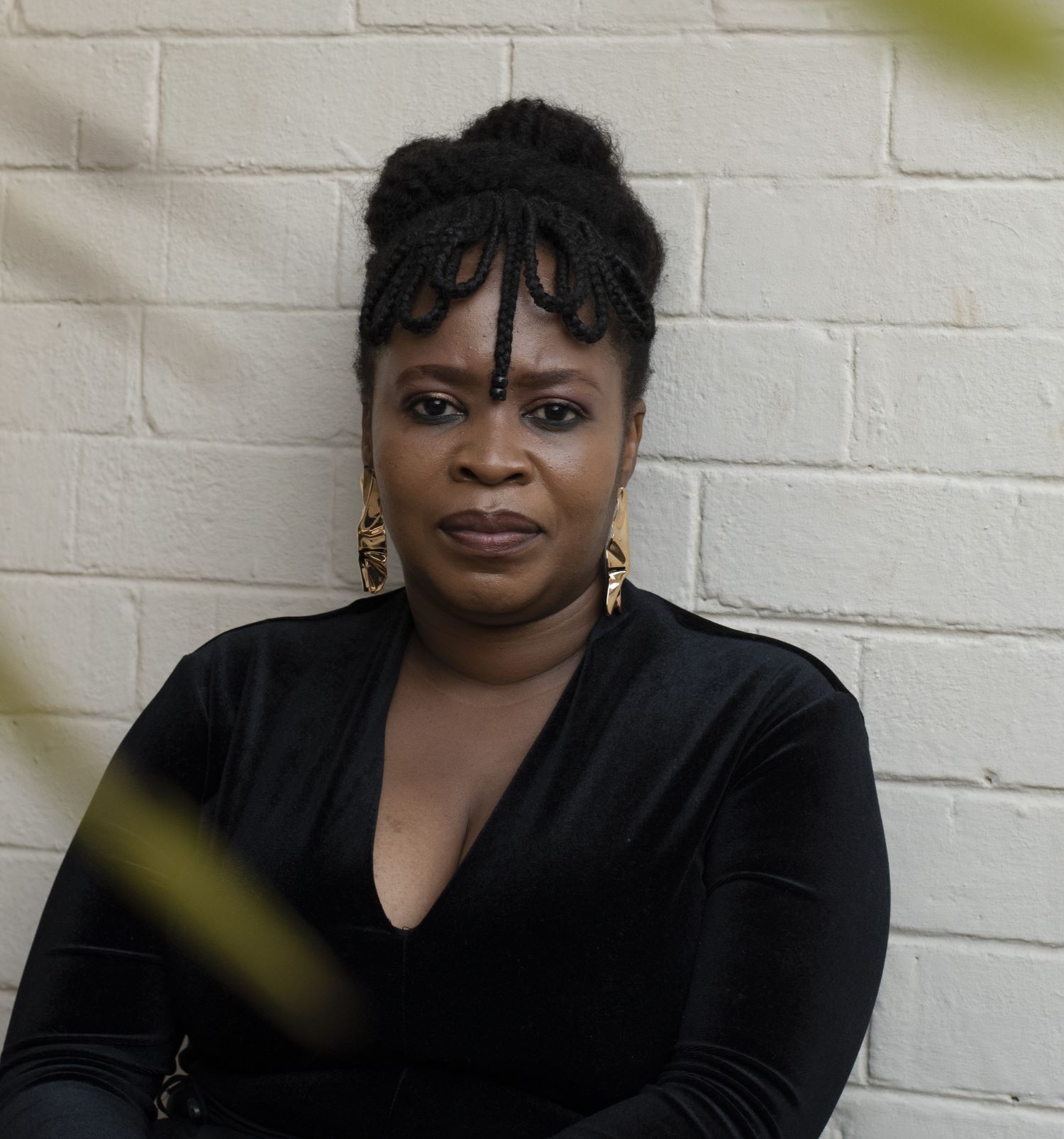
By Ncebakazi Manzi
The rise of Afrobeats over the past decade or so has been nothing short of remarkable. From the streets of Nigeria and Ghana, it has become a global phenomenon, with some of the world’s biggest artists collaborating with Afrobeats icons and emerging artists alike.
In a sign of how rapid the ascent of Afrobeats has been, Spotify recently held events in Nigeria celebrating 13 billion streams of the genre. The growth of Afrobeats is unlikely to slow down anytime soon either, especially as streaming continues to grow across Africa. According to research firm Statista, the continent’s streaming market is set to grow from US$362.5 million this year to US$513.2 million in 2027. Combine that expansion with significant diaspora populations and you have the ingredients for further inter-continental pollination and growth.
But there are other forces advancing the growth of Spotify. Podcasts in particular are playing an increasingly important role. That’s true not just on the African continent, but around the world too.
Africa’s podcast growth
Before looking at how podcasts and music streaming services have complemented each other to drive Afrobeats’ growth, it’s worth providing some additional context around the evolution of podcasts in Africa.
Thanks to rising smartphone adoption and increasingly affordable connectivity, the medium has seen significant growth across the continent. In fact, podcast listenership in Nigeria grew by an astonishing 222% between 2021 and 2022.
Unsurprisingly, it’s not just listenership that’s grown but production too. While it’s difficult to get an exact idea of how many African-produced podcasts there actually are, you only need to open your podcasting app and type a few continent and country-specific search terms in to see how much choice there is today. These podcasts cover a growing number of niches too, including Afrobeats.
At the recent Afrobeats celebration events that were held in Lagos, Nigeria, the first day featured Spotify for Podcasters sessions which were focused on empowering creators and showcasing top podcasts. These events included a workshop on the basics of podcasting followed by a panel discussion with Nigerian podcasters. Next were live podcast recordings of a Spotify for Artists Masterclass on “Afrobeats Intelligence” and “I Said what I Said” featuring Afrobeats artists, Pheelz and Nissi. The day ended with a surprise performance by Pheelz bringing Afrobeats lovers and the expanding community of podcasters together.
Spreading the word about Afrobeats
There are a number of high-quality podcasts with an Afrobeats focus that not only highlight tracks from the genre but also delve into meaningful discussions related to the music.
Take Afrobeats Intelligence, for example. Founded by award-winning Nigerian music journalist Joey Akan, the podcast is a spin-off of his newsletter of the same name. And while it may be rooted in Nigeria, the podcast celebrates creative excellence from across the African continent.
Terms and Conditions by Pulse, meanwhile, dissects worthy culture-related conversations with insights and varying perspectives. Hosted by Neo Akpofure, ex-BBNaija housemate, Oyindasola Chekwa ESQ, a lifestyle influencer and content creator and Sayo AK an artist, planner, and entrepreneur. The podcast was launched in 2021 and also provides invaluable insights into the music industry from people who’ve been in the thick of it.
An older offering comes in the shape of Loose Talk, hosted by the trio of veteran media and music journalists Osagie Alonge, Steve Dede, and Ayomide Tayo. Founded in 2016, when the African podcasting scene was still in its infancy, the show discusses all things music and culture. After a three-year hiatus, Loose Talk started putting out new episodes this year.
Complementary mediums
That these and other shows have built sustainable offerings not only demonstrates the hunger to learn more about Afrobeats as a genre but also their potential to grow the genre’s popularity both in Africa and around the world. That shouldn’t be too surprising either. Being audio-driven mediums primarily, podcasts and music can be incredibly complementary mediums.
This ability to act as a promotional vehicle is underlined by our own Spotify data. It shows that the country with the highest number of Afrobeats podcast listeners is the UK, beating out Nigeria, with the US in the third spot.
For listeners, it’s easy to imagine how this symbiosis between streaming and podcasts comes about. They might have a friend recommend an Afrobeats artist or have their curiosity sparked by a song featured on the soundtrack for a movie or series. Once they’ve listened to those songs, they’ll likely want to find out more about the artist or to discover other, similar artists.
Podcasts offer them a convenient way of doing that (especially if they can access said podcasts from the same app), while also providing insights into the genre and news on the latest artist releases, collaborations, and developments.
Afrobeats and beyond
While Afrobeats has undoubtedly been one of the biggest beneficiaries of Africa’s podcasting explosion, there is no doubt that other genres are benefitting and will benefit in the future too. As more and more African producers launch their own podcasts and smartphone penetration and connectivity continue to grow across the continent, that symbiotic influence will only keep growing.
Ncebakazi Manzi is the Podcast Manager at Spotify Sub-Saharan Africa
Showbiz
Carnival Calabar to Unveil 2026 Theme May 31 in Lagos
By Aduragbemi Omiyale
The theme for the 2026 edition of the prestigious Carnival Calabar will be unveiled on Sunday, May 31, at the Eko Hotel Convention Centre, Lagos.
This theme-unveiling event is being organised by the Cross River State Carnival Commission.
The theme guides the bands in their choreography and the presentation of the whole carnival. It also allows the state to engage with stakeholders, sponsors, and the diplomatic community as part of preparations for the yearly programme.
For this year’s unveiling event, Ambassador Gautier Mignot of the European Union (EU) is expected to be the special guest of honour, with Ambassador Paulo Santos of Portugal as the guest of honour.
As part of the activities leading up to the unveiling event, the Chairman of Carnival Calabar, Dr Gabe Onah, paid a strategic visit to Multichoice Nigeria Canal + Company. He was accompanied by the Lead Marketing Consultant of Carnival Calabar, Mrs Mary Ephraim Egbas.
The delegation was received by the chief executive of Multichoice Nigeria Canal + Company, Ms Kemi Okunola, and the Executive Director, General Entertainment, Multichoice Nigeria, Dr Busola Tejumola.
The delegation briefed Multichoice on plans for digital transformation and streaming to a global audience for this year’s event, as well as this Sunday’s event.
Carnival Calabar is the biggest Street Dance Parade in Africa, held every December in Cross River State. It is one of the biggest tourism events in West Africa, drawing millions of visitors to Cross River every year.
Showbiz
The Evolution of Home Viewing in Nigeria
There was a time in Nigeria when watching movies at home wasn’t strictly a “home” experience. People rented VHS tapes and later DVDs from local video clubs around the neighbourhood, and in many cases, viewing extended to video centres or where groups gathered to watch films and sports. It was a shared setup shaped by access, availability, and a very communal way of consuming entertainment.
As time went on, analogue television became the main form of home viewing. Families would gather around a single TV set in the living room, with limited channels and fixed programming schedules. Content was not really something you chose; it was something you aligned your day around. Antenna adjustments were part of the routine, and despite the limitations, TV became a central part of everyday household life.
The introduction of satellite and pay-TV services marked a major shift. Viewers suddenly had more control, more variety, and more access. Local and international content expanded significantly, covering movies, sports, news, and entertainment in a way that changed viewing habits from passive scheduling to active choice.
This is where platforms like GOtv became relevant in the Nigerian context. By making premium entertainment more affordable and widely accessible, GOtv helped bridge the gap between content quality and everyday households. It wasn’t just about more channels; it was about making consistent access to entertainment more realistic for a wider audience.
Today, home viewing has become more flexible and audience-driven. People are no longer tied to fixed schedules; viewing is now based on preference, timing, and convenience. At the same time, shared viewing still exists, especially around live sports and major TV moments, where entertainment becomes a collective experience again, just in a more modern form.
From rented tapes and video centres to satellite TV and now more structured, accessible entertainment platforms, the evolution of home viewing in Nigeria has been a steady shift toward more choice and control. Throughout that journey, GOtv has remained part of the ecosystem, supporting how everyday audiences access and experience entertainment at home.
Showbiz
How Far Would You Go For the People You Love? Stripped Answers This
Five episodes in, and Africa Magic’s limited series, Stripped, has quietly got people talking. Not because of the stripping, though yes, that is very much part of it, but because of what sits underneath all of it. The guilt. The shame. The quiet, suffocating pressure of being a man in Lagos who is supposed to have it all together but simply does not.
The premise sounds simple. Five friends, all broke, all stuck, all too proud to say it out loud, stumble into a stripping gig at an upscale club called Trabaye after its sharp and seductive owner, Yvonne (Constance Owoyemi) spots them at a birthday party and sees something worth paying for. What follows is anything but simple.
Kelechi “Kel” Okere (Daniel Etim Effiong) is the one carrying the most weight. A former marketing executive now driving Uber to keep his wife and children afloat, Kel is the kind of man who will smile through a crisis so nobody worries. His wife, Ada (Future Lolo Lamai), thinks he is still closing big deals. His children need school fees. The rent is overdue. And every night he comes home, the lie gets a little heavier.
Bolaji (Mofe Duncan), who is loud, charming and energetic, watches his cafe dream bleed out quietly. Suppliers want cash; customers want credit, and charm, it turns out, cannot patch a leaking roof.
Damina (Efa Iwara) is the cool bachelor whose carefully constructed life collapses the moment his pregnant ex walks back through the door. Mensah (Ian Wordi) is a Ghanaian-Nigerian architect and youth pastor caught in a relationship that is slowly erasing him. And Voke (Kunle Remi) is running out of time to free his imprisoned father, one clever scheme at a time.
Their first night at Trabaye is overwhelming. The music, lights, money, and the strange, intoxicating feeling of being wanted. They laugh in the car afterwards and call themselves “Strip Gawds.” For one night, the bills don’t exist. But nothing in Lagos stays clean for long.
Bolaji’s wandering eye pulls the group into dangerous territory. Voke’s schemes start bleeding into the club’s shadier edges. Kel finds himself dangerously close to a line he cannot cross, pulled back only by the sound of his wife’s voice on the phone. And Mensah quietly wonders how many layers of himself he can strip away before there is nothing left worth keeping.
The show’s most devastating moment comes in Episode 4, when Kel has a panic attack. There is no dramatic score, just a man cracking under the weight of everything he has been holding alone. Viewers have not stopped talking about it since. It is the kind of scene that does not just tell you about a character; it shows you something true about the world.
Etim Effiong, who also serves as executive producer, said it plainly. “Men need to catch a break. It’s a really tough world for men, and we deserve some credit.” Episode 5 offers a brief exhale before the walls begin closing in again. The money is good. But the shadows are getting closer.
Stripped is no longer just a show about five men taking their clothes off for money. It is about what men carry in silence, what friendship costs when survival is on the line, and whether the things you do to save your life can also be the things that cost you your soul.
If you have not started watching, you should start now. Catch up on all five episodes now on DStv Stream, and tune in for the final episode this Sunday at 8 PM on Africa Magic Showcase, DStv Channel 151, and GOtv Channel 8.
-
Feature/OPED6 years agoDavos was Different this year
-
Travel/Tourism10 years ago
Lagos Seals Western Lodge Hotel In Ikorodu
-
Showbiz3 years agoEstranged Lover Releases Videos of Empress Njamah Bathing
-
Banking8 years agoSort Codes of GTBank Branches in Nigeria
-
Economy3 years agoSubsidy Removal: CNG at N130 Per Litre Cheaper Than Petrol—IPMAN
-
Banking3 years agoSort Codes of UBA Branches in Nigeria
-
Banking3 years agoFirst Bank Announces Planned Downtime
-
Sports3 years agoHighest Paid Nigerian Footballer – How Much Do Nigerian Footballers Earn