Showbiz
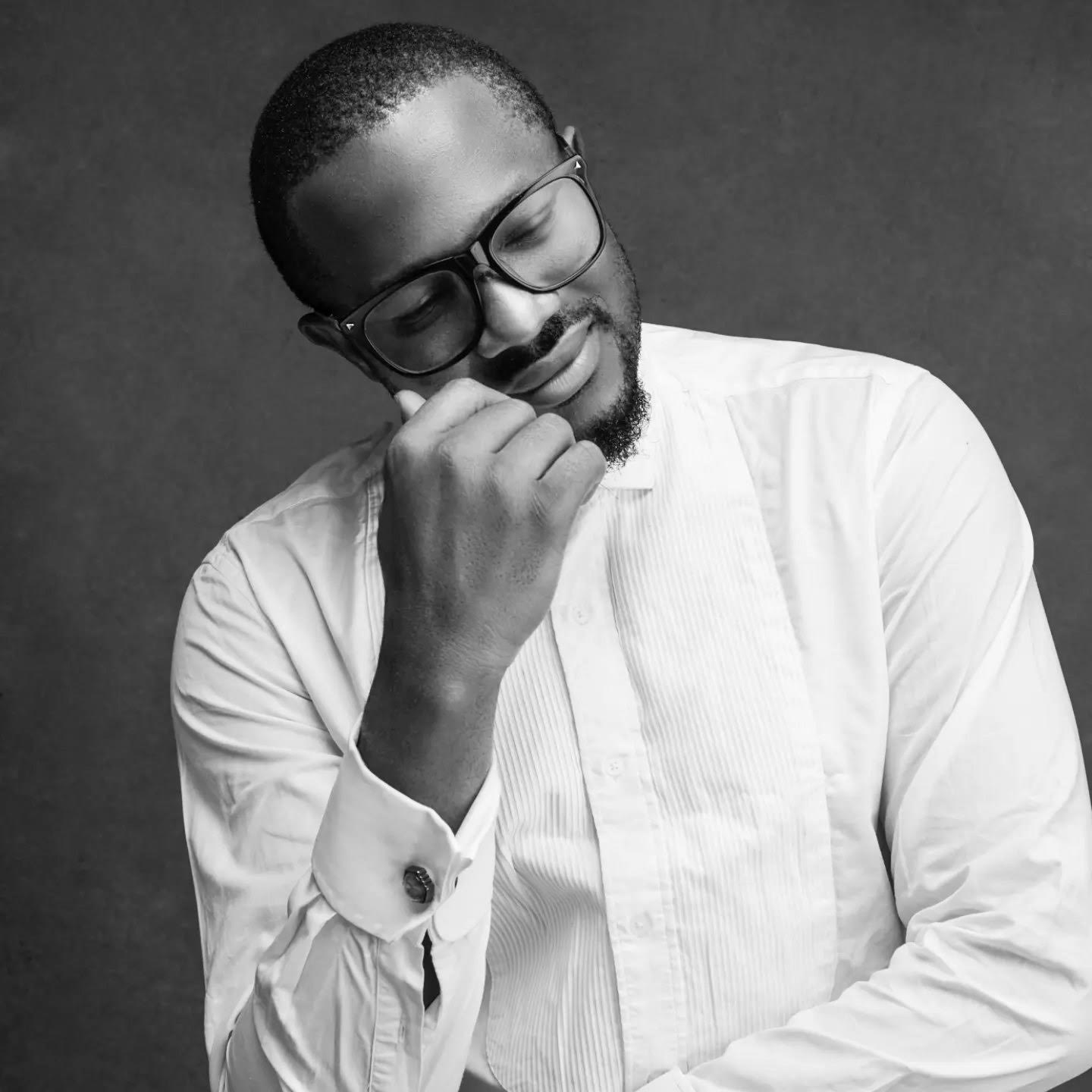
MultiChoice Has Created Long-Term Jobs, Supported Talent Development—James Omokwe
By Modupe Gbadeyanka
The African film industry has remained untapped because of low investment but this is gradually changing due to the significant interest from MultiChoice, which is engaging local filmmakers like Mr James Omokwe to tell authentic African stories.
In this interview, Mr Omokwe delved into the impact of MultiChoice on African filmmaking as well as how the company empowered him to succeed in the sector, which is projected to be the next crude oil.
You’ve been in the industry for over a decade now. What moment would you say marked the true turning point in your career as a filmmaker?
Absolutely. The biggest turning point for me was in 2014. I had started working in the industry around 2011, and my first film came out in 2013 as a director. But things weren’t quite working out the way I hoped. Like many filmmakers, especially in Nigeria, I was struggling. I remember watching one of my films on an iPad, just reminiscing, and honestly, I was on the verge of giving up and returning to a more “stable” job.
Then sometime around October or November 2014, a friend who was starting a TV show asked if I’d be open to coming on as a consulting producer. That was my first real producing gig, and even though I had some experience before, this was different. That experience opened the door to television for me. From there, I started executive producing other shows and that opportunity completely changed my career. It was a massive turning point.
You’re known for crafting stories that feel deeply local but widely relatable. What draws you to the kinds of stories you choose to tell?
From the start, our company had one key mission — to tell authentically African stories. That’s always been our driving force. When you come into an industry dominated by certain genres like romance or comedy, you want to stand out. I’ve always had a deep connection to our history, culture, and oral traditions. I feel like storytelling is in our DNA as Africans.
We’re not just making films for entertainment; we’re trying to preserve something. To pass on knowledge, memory, and identity. Every project I’ve worked on carries some form of cultural nuance that reflects where we come from. It’s always intentional.
One of your major early projects, ‘Ajoche’, sparked a big reaction for its bold narrative and authentic tone. What did that project mean to you, and how did it shift how you were seen in the industry?
Ajoche was a real blessing. It was the first major project we did that felt deeply authentic. It wasn’t just epic in scope, but in how true it was to our culture. I honestly didn’t expect people to embrace it the way they did. At one point, I heard it did really good numbers. I’m not sure how accurate, but the feedback was incredible.
Even now, people still talk about it online. I saw someone mention it on Twitter just yesterday and the show aired in 2018! It really cemented my place as someone committed to telling authentically African stories. To this day, it’s still one of the projects I’m most proud of.
What role would you say MultiChoice and Africa Magic played in helping you take on projects like that, from production to distribution and beyond?
Africa Magic gave me an environment to create and that’s huge. They gave me my first real opportunity and the creative freedom to bring my vision to life. That doesn’t just mean writing the story, but visualising it, building the world with my team, and really owning the work. They didn’t just fund it, they empowered us.
Without their support, I don’t think Ajoche, Riona or other shows would have happened the way they did. They gave us room to grow and prove ourselves, and I’m truly grateful for that.
Would you say that working with Africa Magic opened up new creative or commercial opportunities for you?
Absolutely. Working with MultiChoice helped me build a structure that I now apply to every project. It gave me an edge in how I produce, how I manage teams, and how I build shows from scratch. That expertise has been invaluable.
Even now, the film we’re currently working on, ‘The Yard’, is being praised for its technical quality and storytelling. We’re in talks for international distribution. And all of that comes from the experience and growth I’ve had producing for Africa Magic over the past eight years. That experience can’t be bought. It shaped me, and I carry it into everything I do.
Beyond your own success, how have your projects contributed to job creation or the growth of the local production economy?
I wish I had the data in front of me but I can say confidently that over the past eight years, our projects have probably employed more than 5,000 people. ‘Ajoche’ alone had 700 people. “The Yard,” currently has a crew strength of about 90 people, working for several months straight.
These are jobs for actors, crew, stylists, set designers — across the board. We’re now working on our seventh or eighth show. These productions feed into the local economy, they keep people employed, and they build careers. The impact is real.
There’s often talk about preserving cultural integrity. Has MultiChoice given you the space to create without compromising cultural nuance?
Definitely. From the beginning, Africa Magic has been intentional about projecting authentic African stories. I remember early meetings where they made it clear that our culture must shine through and they supported that.
They don’t force it, but the expectation is clear. And most producers understand the responsibility. We’re not just making content for entertainment, we’re showcasing who we are to the entire continent. So yes, they’ve allowed us to preserve our identity, and they’ve helped us do it in a way that’s powerful and widely seen.
Finally, based on your experience, what would you say to people who question whether MultiChoice is truly investing in the Nigerian creative economy?
I’d say that question is like asking if the sky is red. The answer is obvious. Since 2014, I’ve worked on numerous productions with MultiChoice, and I’ve seen the direct impact.
They’ve created real, long-term jobs. They’ve supported talent development. They’ve invested in stories that matter. The success I’ve had and that many others have had is tied to their commitment to this industry. You can’t fake that kind of impact. It’s clear, it’s measurable, and it’s ongoing.
Showbiz
Dear Fashion Designer Ready-To-Wear Masterclass Holds May 28
By Modupe Gbadeyanka
On Thursday, May 28, 2026, the highly anticipated Ready-To-Wear Masterclass, organised by Dear Fashion Designer, will take place.
This event, according to the organisers, will be live and in-person, with topics to be covered including Fashion Product Life Cycle, Manufacturing for Ready-To-Wear, Fashion Law, Marketing Strategy, Digital Literacy, and 3D Fashion Technology.
These six masterclass features will have experts dissecting the topics, with each session curated to give designers practical, real-world insights, no fluff, just the tools needed to build, scale, and sustain a fashion business in today’s fast-evolving market.
Beyond the learning, attendees will also gain access to valuable networking opportunities, connecting with industry experts and like-minded designers shaping the future of African fashion.
The first edition of the initiative was powerful and successful, with participants speaking glowingly of it.
The debut virtual session had over 200 fashion designers across Africa in attendance, sparking strong testimonials around clarity, growth, and direction.
Coming off the momentum of the Dear Fashion Designer Vision Board Retreat held in January 2026, the brand continues its mission to help designers move from ideas to execution, bridging the gap between creativity and structure in the African fashion industry.
Registration for the programme is available via the link in Sonayon Cadmus’ Instagram bio, and intending participants can get more information via [email protected].
Showbiz
Bovi Ugboma and Nomzamo Mbatha: Why These Two Stars are the Perfect Pair to Host AMVCA 12
Nigeria’s Bovi Ugboma and South Africa’s Nomzamo Mbatha have been officially unveiled as co-hosts for the 12th edition of the Africa Magic Viewers’ Choice Award, set to take place on May 9, 2026, at the Eko Hotel and Suites in Lagos. This announcement serves as a bold pairing, and it makes sense. Here’s why.
They Represent the Breadth of African Entertainment
The AMVCA has always positioned itself as a continental celebration, not just a Nigerian one. Putting a West African comedian and a South African actress on the same stage reinforces that. Bovi’s comedy is rooted in everyday African life, which has built him audiences well beyond borders. Nomzamo, on the other hand, rose to prominence through the South African drama Isibaya, crossed over to Hollywood with Coming 2 America, and currently stars as Queen Nandi in Shaka iLembe, where she also serves as executive producer. Between the two of them, they cover a lot of ground.
Bovi Knows How to Work a Room
Stand-up comedy is probably the best training ground for live hosting. You have to read the room, recover from dead moments, and keep energy up for hours. Bovi has been doing that at the highest level for years. He’s described the opportunity as significant, noting the platform’s influence across the continent, and says he intends to bring energy and laughs to the ceremony while celebrating African storytelling.
Nomzamo Brings Credibility Beyond Entertainment
Off-screen, Nomzamo is a UNHCR Goodwill Ambassador, a climate advocate, and founder of the Nomzamo Lighthouse Foundation. That kind of profile adds weight to her presence on a stage that’s increasingly watched across the continent and beyond. She’s not just a famous face, she’s someone with a serious body of work and a reputation that extends outside of acting.
The Balance Between Them is Practical
Awards shows need two things from their hosts: someone to keep the energy light and moving, and someone who can anchor the more formal moments. Bovi brings sharp wit and comedic timing, while Nomzamo adds elegance and global star power.
It Fits Where African Entertainment Is Right Now
African storytelling is getting serious global attention, from streaming platforms to cinema screens, the continent’s creative industry is at a defining moment. Having two hosts who reflect different parts of that story is a reasonable way to reflect that reality on stage. The AMVCA, presented by MultiChoice, a subsidiary of Canal+, honours outstanding achievements in television, film, and digital storytelling across Nollywood and the wider African creative landscape and the hosting choice reflects exactly that ambition.
The 12th edition also introduces two new award categories: Best Indigenous Language (North Africa) and Best Indigenous Language (Central Africa), signalling a broader pan-African direction for the awards. The hosting choice fits that direction.
Bovi keeps the energy moving, Nomzamo brings the presence and credibility. Together, they cover everything an awards show of this scale needs.
Showbiz
AMVCA 2026: Broadening Spotlight with New North, Central Africa Categories
For over a decade, the Africa Magic Viewers’ Choice Awards has stood as the continent’s biggest film and television awards platform. Now, it is expanding its scope in a way that brings even more of Africa into the spotlight.
This year, two new categories have been introduced: Best Indigenous Language (North Africa) and Best Indigenous Language (Central Africa). They now sit alongside existing categories for West, East and Southern Africa, creating a full five-region structure for the first time.
This change speaks to where the AMVCA is headed, not just as an entertainment event, but as a truly pan-African platform. The languages in these new categories, including Arabic dialects, Berber, Lingala and Sango, are widely spoken across their regions. They are the languages people use in their everyday lives to tell stories, express emotions and share culture. Giving them recognition on a stage like the AMVCA matters.
Across countries like Morocco, Algeria, Tunisia, Chad, Cameroon, the Central African Republic and Congo, the film and television industries have been growing steadily, even if they do not always get continental attention. For filmmakers in these regions, being included in the AMVCA is more than just a chance to win an award. It brings visibility, credibility and a sense that their work is being seen.
There is also a cultural angle to this move. Films made in indigenous languages help keep those languages alive. By recognising these works, the AMVCA is reinforcing the idea that telling authentic stories in native languages is important and valuable.
Beyond recognition, this expansion also creates room for connection. Filmmakers from North and Central Africa now have a stronger presence on the same platform as their peers from West, East, and Southern Africa. This opens the door for collaboration, shared ideas, and creative exchange across the continent.
African cinema has always been rich in diversity, but it has not always had a single platform bringing it all together. While these two new categories will not fix everything overnight, they are a meaningful step forward.
This development comes as the 12th edition shapes up to be highly competitive. There are 32 award categories in total, including 18 decided by judges and 11 open to audience votes. There will also be special recognition awards, including Lifetime Achievement and the Trailblazer Award.
Veteran actress Joke Silva will serve as Head Judge, taking over from Femi Odugbemi.
Nominees were announced on March 29, 2026, hosted by actor Chimezie Imo. As expected, Nigerian films dominate the list. Gingerrr and The Herd lead with nine nominations each, followed by To Kill A Monkey with eight and My Father’s Shadow with seven.
Actors like Sola Sobowale, Uzor Arukwe, and Lateef Adedimeji earned nominations in multiple categories, while Genoveva Umeh received her first Best Lead Actress nomination.
At first glance, adding two categories to a list of 32 may not seem like much. But in the bigger picture, it shows a shift. The AMVCA is slowly becoming what it has always set out to be a platform that reflects the full diversity of African storytelling.
-
Feature/OPED6 years agoDavos was Different this year
-
Travel/Tourism10 years ago
Lagos Seals Western Lodge Hotel In Ikorodu
-
Showbiz3 years agoEstranged Lover Releases Videos of Empress Njamah Bathing
-
Banking8 years agoSort Codes of GTBank Branches in Nigeria
-
Economy3 years agoSubsidy Removal: CNG at N130 Per Litre Cheaper Than Petrol—IPMAN
-
Banking3 years agoSort Codes of UBA Branches in Nigeria
-
Banking3 years agoFirst Bank Announces Planned Downtime
-
Sports3 years agoHighest Paid Nigerian Footballer – How Much Do Nigerian Footballers Earn