
Sports
Highest Paid Nigerian Footballer – How Much Do Nigerian Footballers Earn


Highest-Paid footballer from Nigeria
The phrase “Naija no dey carry last” has been evident in football recently as there has been an influx of Nigerian footballers playing abroad. Football is the most popular sport in Nigeria with millions of fans supporting their clubs abroad. Nigeria has always been a home of incredible football talents and with more amazing young footballers showing in recent years, the weekly wages of Nigerian footballers has been on a rise.
The huge wages being paid to Nigerian footballers isn’t a surprise as the impact of the players is evident in those teams. Aside from the high wages they earn, Naija footballers are being traded for a huge amount of money. In the summer of 2020, Victor Oshimen became the most expensive African footballer of all time as he joined Napoli from Lille for about $80 million-plus add-on. Hardly any top European league without a Nigerian footballer performing at a high level and earning huge wages. A good sign for the Super Eagles as the national squad is now full of top talents.
We have decided to go on an adventure to reveal the highest-paid footballers from Nigeria, who are also featured in the best football predictions bettors will find on Takebet Nigeria. We have searched all leagues where Nigerian players compete, from European leagues such as English Premier League, Spanish La Liga, Serie A, Ligue 1, Bundesliga to other top leagues.
Let’s dig into the list of the highest-paid footballers from Nigeria.
Odion Ighalo – Striker, Al-Hilal – $170,000 (last know)
Odion Ighalo is one of the most popular Nigerian players. The striker became the first Nigerian international to play for Manchester United after he joined the club on loan from the Chinese side Shanghai Shenhua in January 2020. Odion Ighalo scored five goals in 23 appearances before returning to Shanghai Shenhua at the end of his loan.
The Nigerian international joined Saudi Arabia’s Al Shabab from the Chinese Super League side Shanghai Shenhua in 2021. Ighalo scored 10 league goals in 19 appearances for Shanghai Shenhua. Odion made his debut in 2005 and moved to Europe in 2008 where he joined Udinese. The Nigerian international joined Watford during the 2014-15 and scored 36 league goals in 90 appearances for the club.
Odion Ighalo represented the Super Eagles during the 2018 World Cup. The Nigerian international holds the record for the most goals scored during a single Africa Cup of Nations with seven goals in 2019.
Ighalo earned $170,000 per week in Al Shabab. Odion Ighalo joins Al-Hilal, another Saudi football club, after the AFCON 2021. His salary in the new club is currently unknown, but the striker is sure to keep his #1 spot.
Victor Osimhen – Striker, Napoli – $110,000
Victor Osimhen is currently one of the best strikers in Europe. The Nigerian international has been amazing for Napoli this season after a slow start to life in the Italian Club. Victor Osimhen became the most expensive Africa striker in history after he joined Napoli from Lille for a fee of about $80 million in the winter transfer of 2020.
The Napoli striker has scored 19 goals in 45 appearances for the Italian side. Osimhen had an incredible rise to glory as he wasn’t able to join either Zulte Waregem or Club Brugge in his early days due to Malaria. Victor was in Nigeria’s under-17 team that won the 2015 FIFA U-17 World Cup. The Nigerian international won the Golden Boot in the tournament with 10 goals. He also won the Silver Ball award during the tournament.
Osimhen missed out on the 2018 World Cup squad. He made his debut for the national team in 2017. The Nigerian international made the squad for the 2019 Africa Cup of Nations and has been brilliant since then. He has scored 10 goals in 18 appearances for the national team.
Victor currently plays in Napoli and he earns $110,000 per week.
Wilfred Ndidi – Midfielder, Leicester City – $100,000
Wilfred Ndidi is currently one of the best defensive midfielders in the world. The Nigerian international has been incredible since he joined Leicester City from Genk in the winter transfer of 2017 for $20m. Ndidi has scored 10 goals in 196 appearances since he joined the club.
The Nigerian international won the most tackles in the Premier League (138) during the 2017-18 season. He also won the most tackles in the league in the following season of 2018-19. Wilfred Ndidi was an important player of the squad that won the 2020-21 FA Cup as they defeated Chelsea by a goal to nil.
Ndidi represented Nigeria during the 2016 Summer Olympics. He made the squad for the 2018 World Cup as they were knocked out in the group stage. Ndidi also represented the Super Eagles in the 2019 and 2021 Africa Cup of Nations. He has 47 caps for the Nigerian national team.
Wilfred Ndidi currently plays for Leicester City and earns $100,000 per week.
Kelechi Iheanacho – Striker, Leicester City – $80,000
Seniorman Kelz as he is widely regarded came into the limelight after an impressive outing during the 2013 FIFA U-17 World Cup. The Nigerian international won the Golden Ball award as the Super Eagles won the tournament. Iheanacho scored six goals during the competition as he won the Silver Boot.
Kelechi Iheanacho joined Manchester City in 2015. Iheanacho scored 21 goals in 64 appearances for Manchester City as he won the English Football League Cup. The Nigerian international joined Leicester City for a fee of about $30 million in the summer of 2017. Iheanacho was brilliant during the 2020-21 season as he scored 12 goals in the Premier League, overperforming his expected goals of 8.20.
Iheanacho represented Nigeria during the 2018 World Cup. The Leicester City striker also represented the Super Eagles during the 2021 Africa Cup of Nations. Iheanacho has scored 12 goals in 42 appearances for the national team.
Kelechi Iheanacho currently plays for Leicester City and earns $80,000.
Alex Iwobi – Midfielder, Everton – $68,000
Alex Iwobi started his club career with Arsenal as he joined the youth team in 2004. The Nigerian international made his senior debut in 2015 for Arsenal against Sheffield Wednesday.
Iwobi scored 15 goals in 149 appearances for Arsenal as he spent four seasons with the senior team. The Nigerian international joined Everton from Arsenal for a fee of about $45 million in the summer of 2019. Iwobi won the FA Cup and two Community Shields with the Gunners. The Nigerian international has scored six goals in 80 appearances for Everton.
Alex made his international debut for Nigeria in 2015 although he started as a youth international for England. The Everton player has scored nine goals in 53 appearances for the Super Eagles. Iwobi scored the winning goal against Zambia to secure a spot for the Super Eagles in the 2018 World Cup. He was featured in the 2018 World Cup as Nigeria was knocked out in the group stage.
Iwobi played for the Super Eagles in the 2019 Africa Cup of Nations. The Nigerian international was sent off in the Round of 16 of the 2021 Africa Cup of Nations as the Super Eagles suffered a 0-1 defeat to Tunisia.
Alex Iwobi currently plays for Everton and earns $68,000.
Victor Moses – Midfielder, Spartak Moscow – $56,000
Victor Moses was a popular player amongst Nigerian fans after he played a huge role in Chelsea’s Premier League triumph during the 2016-17 season. The Nigerian international started his club career in Crystal Palace before joining Wigan in 2010. Chelsea signed Moses in the summer of 2022 from Wigan. Moses went on loan to Liverpool, Stoke City and West Ham United before returning for the 2016-17 season.
The Nigerian international was converted to a right wing-back under Antonio Conte as Chelsea won the league. Moses was later loaned out to different teams such as Fenerbache, Inter Millan and Spartak Moscow. The latter club signed the player on a permanent basis in July 2021. Victor Moses scored 18 goals in 128 appearances while playing for Chelsea. He won the Premier League, FA Cup and two UEFA Europa League titles with the Blues.
Victor Moses scored 12 goals in 37 appearances for the Nigeria national team. The Spartak Moscow player was an important player in Nigeria’s 2013 Africa Cup of Nations triumph. Moses featured for the Super Eagles in the 2014 World Cup and the 2018 World Cup where he scored a goal in the 1-2 defeat to Argentina.
Victor Moses currently plays for Spartak Moscow and earns $56,000.
Moses Simon – Winger, Nantes – $40,000
Moses Simon was Nigeria’s best player during the 2021 Africa Cup of Nations. The Nigerian international started his senior club career with AS Trencin in 2014 where he scored 17 goals in 39 appearances before joining Gent in 2015. Moses scored 21 goals in 136 appearances with Gent as he spent four seasons at the club before joining Levante. The Nigerian international won the Belgian Pro League and Belgian Super Cup while in Gent.
Moses joined Levante on loan for the 2019-20 season with an option to buy. The deal was made permanent the following season as he signed a four-year deal. Moses has scored 17 goals in 85 appearances for Nantes.
Simon made his debut for the Super Eagles in 2015 against Uganda. He has scored six goals in 45 appearances for the national team. Simon represented Nigeria during the 2019 Africa Cup of Nations and the 2021 Africa Cup of Nations.
Highest paid Nigerian footballer FAQ
Who is the highest-paid footballer in Nigeria?
Odion Ighalo is the highest-paid Nigerian footballer. Ighalo joined Al Shabab from Shanghai Shenhua in January 2020 where he was being paid $402,000. The Nigerian international was the first player to play for Manchester United after he took a pay cut and received $200,000 to join the club on loan.
The Nigerian international was paid $170,000 in Al Shabab, and he is thought to stay in the same salary range in his new Saudi club, Al-Hilal, which he joins after the AFCON 2021.
Who is the richest Nigerian football player overall?
John Obi Mikel is the richest Nigerian footballer with a net worth of about $57 million. The Nigerian international is one of the greatest footballers in the country’s history. Mike Obi made his fortunes while playing for Chelsea in the Premier League. He spent 11 seasons at Chelsea where he scored six goals in 372 appearances for the club. Mikel won two Premier League titles, one UEFA Champions League, one UEFA Europa League, three FA Cup, one English Football League Cup and one FA Community Shield during his time at Chelsea.
Mikel Obi is currently a free agent after his contract with Kuwait SC was terminated just four months after joining the club.
Who is the most expensive footballer from Nigeria?
Victor Osimhen is the most expensive Nigerian footballer. Osimhen joined Napoli from Lille for a fee of about $80m in 2020 after scoring 18 goals in 38 appearances for the French club. The Nigerian international has scored 19 goals in 45 appearances for Napoli. Osimhen is being paid $110,000 per week in Napoli.



By Adedapo Adesanya
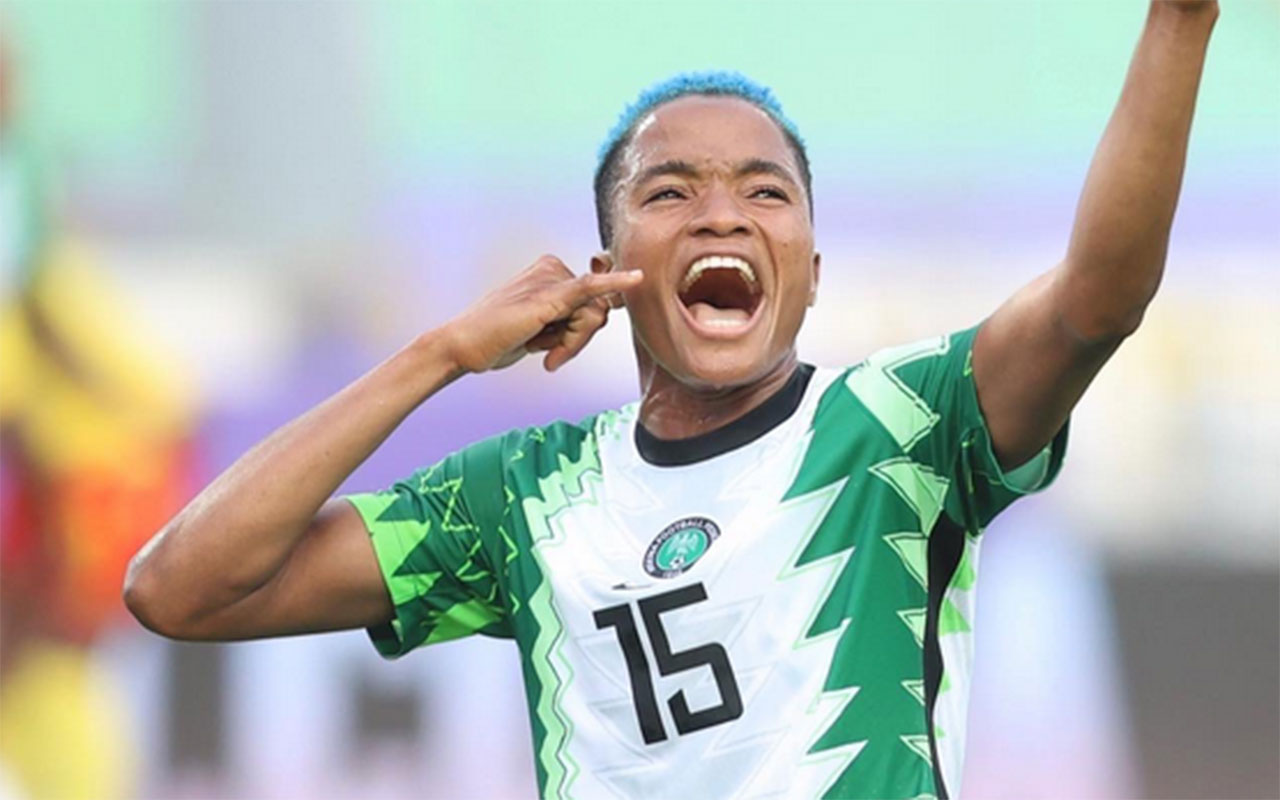
The captain of Nigeria’s Super Falcons, Rasheedat Ajibade, has expressed her deep frustration over the unexpected decision of the Confederation of African Football (CAF) to postpone the 2026 Women’s Africa Cup of Nations (WAFCON) 12 days before kickoff to July.
The continental showpiece, which serves as the premier national team competition for women’s football in Africa, was originally scheduled to kick off on March 17, 2026.
However, in a brief statement released on Thursday, CAF announced a postponement, pushing the tournament to July of the same year. The tournament will now be held from July 25 to August 16.
The African football governing body cited “some unforeseen circumstances” as the reason for the postponement, without providing further immediate details on the nature of these challenges.
The Nigerian skipper, who plays for Paris Saint-Germain (PSG) Women in France, took to her official X (formerly Twitter) account to express her disappointment at the rescheduling in a brief statement.
“African women’s football deserves better,” Ajibade wrote, accompanying the text with a disappointed emoji and some hashtags.
The frustration comes after days of her leading the Super Falcons in a pair of international friendly matches against Cameroon.
The postponement highlights some challenges facing the tournament, including timeline instability, logistical changes, and a lack of transparent communication.
The sudden shift in the WAFCON schedule now throws those preparations into disarray, forcing coaches and players across the continent to redraw their plans.
The postponement raises several questions for participating nations, including Nigeria, which won the tournament for the record 10th time last year and will be going for the 11th title in Morocco.
Key among these sets of questions is the availability of players, as the new July dates fall outside the primary international window, potentially clashing with pre-season training for many professionals or even overlapping with club commitments.
Furthermore, the delay prolongs the qualification process and disrupts the carefully planned calendars of the 12 qualified teams.
The tournament doubles up as a qualifier for the 2027 Women’s World Cup in Brazil.
There have been whispers that Morocco, which hosted the last two, is unwilling to host the tournament again after the chaotic scenes that played out in the 2025 men’s AFCON final, which Morocco lost 1-0 to Senegal in a dramatic match at the Stade Moulay Abdellah stadium in Rabat.

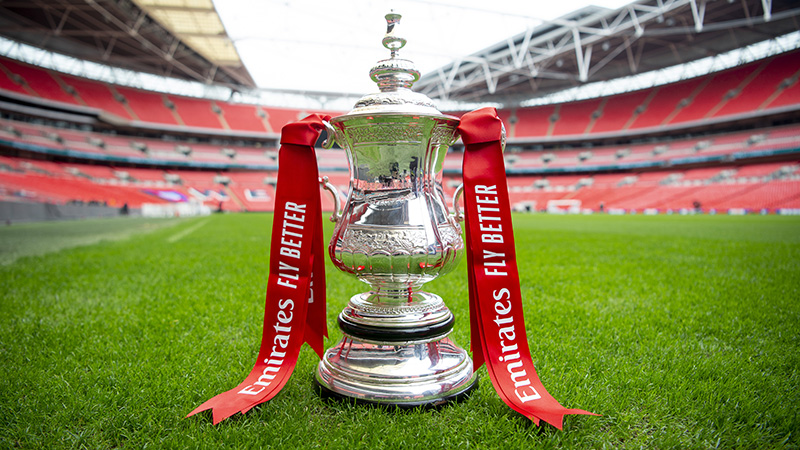
The FA Cup takes centre stage in England this weekend after the midweek Premier League games, while decisive fixtures unfold in La Liga, Serie A and Ligue 1. SuperSport will broadcast all the key action live on DStv and GOtv.
FA Cup: Giant-Killers Face Giants
FA Cup action begins Friday at 9:00 PM as Wolverhampton Wanderers host Liverpool. After their 2-1 Premier League victory over Liverpool 2–1 during the week, Wolves will believe another upset is possible.
Saturday opens with a classic mismatch at 1:15 PM as Mansfield Town welcome Arsenal, whose league position and miserly defence that is yet to concede in this season’s FA Cup, provide their lowly opponents with a mile-high odd. Mansfield, probably still high on their elimination of Burnley, will aim to claim another big scalp.
At 6:45 PM, Wrexham meet Chelsea in a high-profile tie that pits the Hollywood-backed side against the Blues, who arrive confident after a strong league win over Aston Villa.
The standout tie comes at 9:00 PM when Newcastle United face Manchester City at St. James’ Park. Newcastle carry momentum from their midweek victory over Manchester United, while City will look to respond after dropping points against Forest.
Sunday’s action features Fulham against Southampton at 1:00 PM before Leeds United host Norwich City at 5:30 PM. The round concludes Monday at 8:30 PM as West Ham United take on Brentford in a London derby.
All FA Cup matches air live on SS Premier League (GOtv Ch. 65, DStv Ch. 203).
La Liga: Title Pressure Builds
The La Liga title race has tightened following Real Madrid’s recent setbacks, allowing Barcelona to open a four-point lead while Atletico Madrid continue to climb.
Action begins Friday at 9:00 PM as Celta Vigo host Real Madrid. Madrid arrive under pressure, following consecutive defeats and must respond against a Celta side in strong form.
Saturday features Atletico Madrid against Real Sociedad at 6:30 PM before Athletic Club welcome Barcelona at 9:00 PM in a challenging away fixture for the league leaders.
Sunday sees Villarreal face Elche at 2:00 PM, while Sevilla meet Rayo Vallecano at 6:30 PM.
La Liga matches air live on SS La Liga (DStv Ch. 204, GOtv Ch. 62).
Serie A: Derby d’Italia Headlines the Weekend
Inter Milan remain firmly in control of Serie A, but the battle for Champions League places continues to intensify.
Friday’s action sees Napoli host Torino at 8:45 PM. Saturday features Atalanta against Udinese at 6:00 PM before Inter Milan meet Juventus at 8:45 PM in the always-fierce Derby d’Italia.
Sunday includes Bologna vs Verona at 3:00 PM and Genoa vs Roma at 6:00 PM, before the Milan derby closes the weekend at 8:45 PM as AC Milan face Inter Milan.
Serie A matches are live on SS Africa 2 (DStv Ch. 208, GOtv Ch. 64).
Ligue 1: Title Race Remains Tight
Paris Saint-Germain hold a narrow lead in Ligue 1, with RC Lens and Marseille continuing to apply pressure.
PSG host Monaco on Friday at 8:45 PM in a fixture shaped by recent European drama between the two sides.
Saturday sees Toulouse take on Marseille at 9:05 PM, while Sunday features Lens against Metz at 3:00 PM as the title challengers aim to keep pace at the top.
Ligue 1 matches air live on SS Football (DStv Ch. 205, GOtv Ch. 61), with selected fixtures on SS Africa 1 (DStv Ch. 207, GOtv Ch. 63).
Weekend Highlights
FA Cup
-
Wolves vs Liverpool – Fri, 9:00 PM
-
Mansfield vs Arsenal – Sat, 1:15 PM
-
Wrexham vs Chelsea – Sat, 6:45 PM
-
Newcastle vs Man City – Sat, 9:00 PM
-
Fulham vs Southampton – Sun, 1:00 PM
-
Leeds vs Norwich – Sun, 5:30 PM
-
West Ham vs Brentford – Mon, 8:30 PM
La Liga
-
Celta Vigo vs Real Madrid – Fri, 9:00 PM
-
Atletico vs Real Sociedad – Sat, 6:30 PM
-
Athletic vs Barcelona – Sat, 9:00 PM
-
Villarreal vs Elche – Sun, 2:00 PM
-
Sevilla vs Rayo Vallecano – Sun, 6:30 PM
Serie A
-
Napoli vs Torino – Fri, 8:45 PM
-
Atalanta vs Udinese – Sat, 6:00 PM
-
Inter vs Juventus – Sat, 8:45 PM
-
Milan vs Inter – Sun, 8:45 PM
Ligue 1
-
PSG vs Monaco – Fri, 8:45 PM
-
Toulouse vs Marseille – Sat, 9:05 PM
-
Lens vs Metz – Sun, 3:00 PM
Catch Every Game
Catch all the football action live on SuperSport on DStv and GOtv. Matches are also available via DStv Stream and GOtv. Manage or upgrade your subscription via the MyDStv or MyGOtv apps, or visit www.dstv.com and www.gotvafrica.com, or dial *288# to stay connected.

The crypto casino industry has grown rapidly because players now demand more than just entertainment — they want verifiable fairness. Blockchain technology makes this possible through provably fair systems, where every result can be independently confirmed using cryptographic data. BC.Game has positioned itself as one of the most trusted platforms in this space, combining a wide game library with fast crypto payments and transparent mechanics. Hash Game is one of its standout titles: simple, fast, and fully auditable, making it an ideal starting point for anyone entering crypto gambling.
What Is Hash Game and How It Works
Hash Game is a provably fair betting game where each round’s result is determined by a cryptographic hash generated before any bets are placed. The outcome combines a server seed from the platform and a client seed from the player, making manipulation by either party mathematically impossible. Once the round ends, both seeds are revealed and can be used to verify the result independently. Players can learn the full mechanics in the official hash game guide, which covers exactly how the algorithm works and how to run their own verification.
Key features of Hash Game:
- Provably fair verification — every result auditable using published seed data
- Instant rounds — no waiting, results appear within seconds
- Beginner-friendly interface — minimal learning curve, straightforward controls
- Flexible bet sizes — suitable for low-stakes and high-volume players equally
- Full mobile compatibility — works seamlessly on Android and iOS
Why Players Choose BC Game Gambling Platform
The platform stands out through its consistent commitment to transparency, broad cryptocurrency support, and a reward system that delivers real value. It accepts over thirty cryptocurrencies and processes withdrawals quickly without relying on third-party payment processors. Every original game, including Hash Game, is built on provably fair technology that players can audit themselves. BC Game gambling has earned its reputation not through marketing but through a product that consistently performs: fair games, fast payments, and a platform that works as described.
| Feature | Details |
| Provably Fair | Fully verifiable results on every game |
| Supported Cryptos | 30+ cryptocurrencies accepted |
| Withdrawal Speed | Fast and secure processing |
| Mobile Support | Android and iOS compatible |
| Bonuses | Welcome bonus, reload offers, and VIP rewards |
Strategies to Improve Your Hash Game Results
Consistent results come from discipline, not luck. The most important habit is bankroll control: limit each bet to one to three percent of your session budget so that variance never ends a session prematurely. Adjust your threshold based on risk appetite — lower thresholds win more frequently at smaller margins, higher thresholds offer bigger returns with more volatility. Set a stop-loss before you start and treat it as non-negotiable. Players who want to go deeper can read more about risk management approaches that apply directly to fast-paced provably fair games.
Advantages of Hash Game Compared to Other Casino Games
Hash Game combines qualities that are rare to find in a single title. Rounds finish in seconds, giving players a high volume of action without long waits. The rules are minimal: nothing to memorise, no complex structure to navigate. Every result is cryptographically verifiable, which no slot machine or live dealer game can match. Crypto payments mean instant settlement with no processing delays. For players who value speed, fairness, and simplicity together, it is one of the strongest options available in the provably fair category.
Mobile Experience and Accessibility
The platform is fully optimised for mobile, and Hash Game is one of the best titles to play on a smaller screen. The clean layout and fast round structure translate perfectly to Android and iOS without any loss of functionality. Every feature, including bonus activation, VIP tracking, deposits, withdrawals, and support, is available on mobile exactly as it is on desktop. For players who prefer to gamble on the move, the experience is consistent and reliable regardless of device.
VIP Program and Long-Term Benefits
Every bet placed on Hash Game contributes to the platform’s VIP loyalty system. Because rounds are fast and frequent, points accumulate significantly quicker than on slower games. Higher tiers unlock cashback, rakeback, weekly bonuses, and dedicated support. The programme is structured so that long-term players receive progressively better conditions. For players treating crypto gambling as an ongoing activity, regular Hash Game sessions become a reliable source of additional rewards beyond individual results.
Hash Game Overview
Hash Game delivers exactly what a well-designed crypto casino game should: transparent outcomes, fast gameplay, simple rules, and flexible stakes. The provably fair system eliminates any need to trust the platform blindly, and the fast round structure makes it one of the most efficient titles for both casual sessions and serious play. Strong crypto support, a well-structured VIP programme, and a mobile experience that works without compromise round out the offering. For players who want a fair, fast, and genuinely rewarding crypto gambling experience, this is a clear and well-supported choice.












-
 Feature/OPED6 years ago
Davos was Different this year
-
Travel/Tourism10 years ago
Lagos Seals Western Lodge Hotel In Ikorodu
-

 Showbiz3 years ago
Estranged Lover Releases Videos of Empress Njamah Bathing
-
 Banking8 years ago
Sort Codes of GTBank Branches in Nigeria
-

 Economy3 years ago
Subsidy Removal: CNG at N130 Per Litre Cheaper Than Petrol—IPMAN
-

 Banking3 years ago
Sort Codes of UBA Branches in Nigeria
-

 Banking3 years ago
First Bank Announces Planned Downtime
-
 Technology5 years ago
How To Link Your MTN, Airtel, Glo, 9mobile Lines to NIN
2 Comments